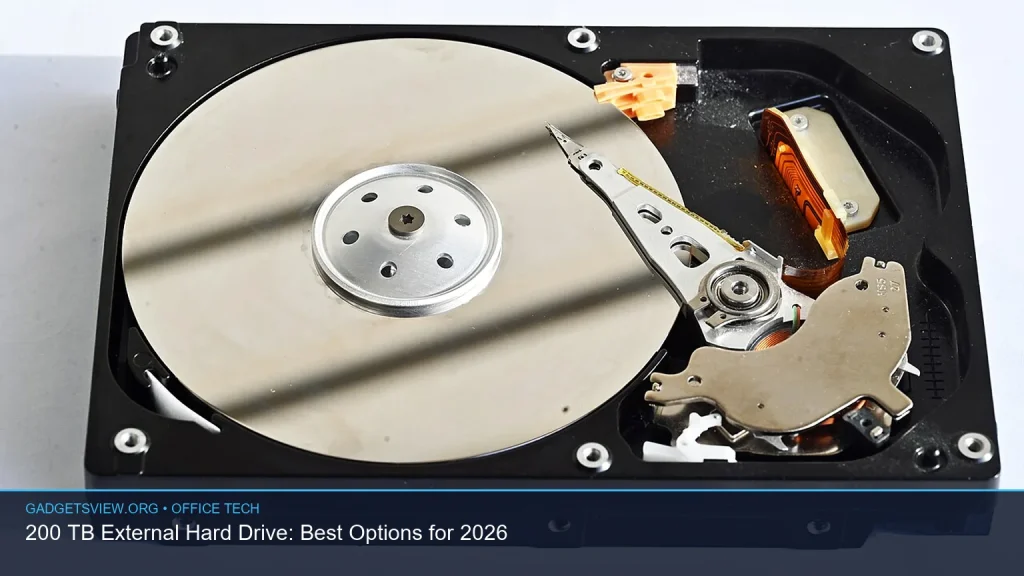
If you’re looking for a 200 tb external hard drive, the most important thing to know is this: true single-drive 200 TB options are not common in the consumer market. For most buyers, the best path is usually a high-capacity NAS enclosure, a multi-bay DAS, or an expandable storage system that can reach 200 TB or more. This guide explains what to buy, what to avoid, and how to choose the right setup for backups, media libraries, and business storage.
📖 Table of Contents
📌 Key Takeaways
- A true 200 TB external hard drive is rare, so most buyers should look at multi-bay storage systems or expandable arrays.
- The right choice depends on your use case: simple backups, large media archives, team file sharing, or long-term retention.
- Before buying, check interface speed, RAID support, drive compatibility, noise, cooling, and whether you need portability or always-on storage.
- For commercial intent, the best option is usually the one that can grow safely over time, not just the one with the biggest number on the box.
What a 200 TB External Hard Drive Really Means
When people search for a 200 tb external hard drive, they usually want one of two things: a massive plug-and-play device or a storage setup that behaves like one. In practice, that often means a multi-drive enclosure, RAID array, or network-attached storage system rather than a single portable drive.
That distinction matters because large-capacity storage has tradeoffs. More drives can mean more speed, better redundancy, and easier expansion, but they can also mean more noise, more heat, and more setup work.
If you need to store years of video, raw photo archives, engineering files, surveillance footage, or a business backup set, the design matters as much as the size. For that reason, “best options” should be judged by architecture, not just capacity.
Best Options to Consider in 2026
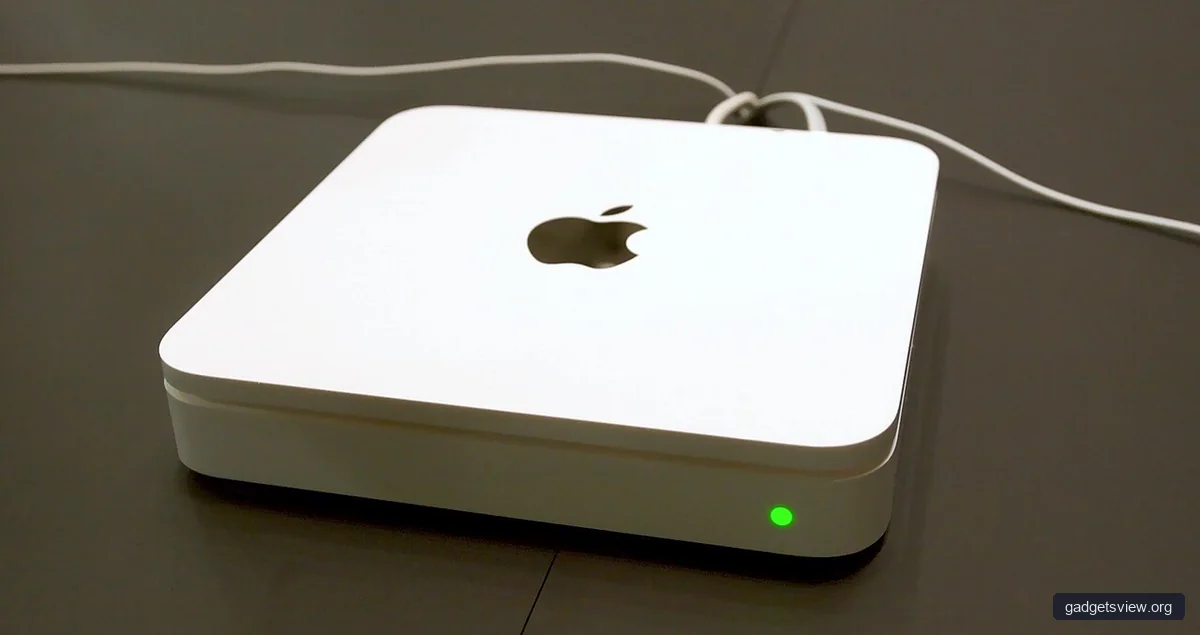
Since product listings were not supplied, the safest way to compare options is by storage class. These are the main categories that can realistically get you to 200 TB or more without guessing at specific models.
| Option Type | Best For | Strengths | Limitations |
|---|---|---|---|
| High-capacity multi-bay DAS | Local video editing, backups, creative work | Fast direct connection, simple access, strong capacity potential | Usually larger, heavier, and less portable |
| NAS with multiple drives | Teams, remote access, shared storage | Network sharing, RAID options, growth-friendly | Slower than direct storage in some workflows |
| Expandable external RAID enclosure | Business backup, large archives | Redundancy, better manageability, scalable | Setup can be more complex |
| Single ultra-high-capacity external drive | Specialized workflows, limited-cable setups | Simple to use, minimal footprint | True 200 TB single-drive options are uncommon and should be verified carefully |
1) High-Capacity Multi-Bay DAS
A direct-attached storage system is a strong pick if you want fast access from one computer. This is a good fit for creative pros who move large files often and want a storage pool that behaves like a local drive.
Choose this if your priority is speed and simplicity. It is often the most practical route for a “desktop external hard drive” experience at very high capacities.
2) NAS Systems Built for Expansion
A NAS is usually the best answer for shared office storage. It connects over the network, so multiple users can access files, and it can often scale beyond 200 TB with the right drives and enclosure size.
This option is especially useful for teams that need centralized file storage, backups, or remote access. The tradeoff is that setup is more involved than plugging in a single USB drive.
3) External RAID Enclosures
RAID enclosures are a smart choice when data protection matters. Depending on the RAID level, they can balance speed, redundancy, and usable capacity in a way that fits business use.
If your files are valuable and downtime is costly, this category deserves serious attention. Just remember that RAID is not a backup by itself; it is a resilience tool.
How to Choose the Right 200 TB Storage Setup
The best option depends on what you need the storage to do. A photographer, a small business, and a video archive team may all need 200 TB, but they will not need the same device.
Use the checklist below to narrow the field before you buy. It will help you avoid paying for features you do not need, or worse, buying a system that cannot handle your workflow.
Selection Criteria That Matter Most
- Capacity growth: Can the system expand beyond 200 TB if your data grows?
- Connection type: USB, Thunderbolt, Ethernet, or another interface affects speed and compatibility.
- Drive support: Verify supported drive sizes and whether the enclosure has enough bays.
- Redundancy: Decide whether you need RAID protection or are fine with single-drive simplicity.
- Noise and cooling: Large arrays can run warm and may be loud in small offices.
- Management tools: Look for alerts, health monitoring, and easy rebuild or replacement options.
- Backup workflow: Make sure the system fits your backup plan, not just your storage target.
Who Should Choose What
- Choose a NAS if you need shared access, remote file use, and long-term growth.
- Choose a DAS if one workstation needs fast local access to huge files.
- Choose RAID if you want a stronger balance of capacity and fault tolerance.
- Choose a single external drive only if the setup is small, simple, and you can confirm the exact capacity and interface from current product documentation.
Strengths and Limitations of Large-Capacity External Storage
Very large storage systems are powerful, but they are not perfect. The more capacity you add, the more you should think about heat, failure risk, and backup discipline.
That is why commercial buyers should think in layers: working storage, backup storage, and offsite storage. A huge drive pool is useful, but it should not be your only copy of critical data.
Main Strengths
- Stores massive media, backup, or archive collections in one place.
- Can reduce clutter compared with many small drives.
- May improve workflow efficiency for teams or content creators.
- Can support organized growth when the system is expandable.
Main Limitations
- Costs can rise quickly as you add redundancy and enterprise-grade components.
- More drives mean more potential points of failure.
- Larger enclosures need better cooling and more desk or rack space.
- True single-device 200 TB options should be verified carefully before purchase.
Practical Buying Tips Before You Check Out
Before buying a high-capacity setup, confirm the real-world details. Product pages can be vague, and capacity claims may refer to supported maximums rather than what ships in the box.
Also check whether the listed size is raw capacity or usable capacity. If RAID is involved, usable space will be lower than total installed drive space.
- Confirm the exact use case. Backup, editing, archiving, or file sharing each points to a different setup.
- Check the interface. Make sure your computer or office network can actually support the connection.
- Verify usable capacity. RAID, formatting, and file system overhead reduce total usable space.
- Review cooling and noise. This is especially important for office or home office use.
- Plan your backup copy. A big storage device should still be backed up elsewhere.
Quick Decision Table
| If you need… | Best direction |
|---|---|
| Fast local editing storage | Multi-bay DAS with a fast connection |
| Shared office access | NAS with expansion room |
| Data protection and uptime | RAID-capable enclosure plus separate backup |
| The simplest single-device setup | Only if current product specs clearly confirm the capacity and interface you need |
Common Mistakes to Avoid
The biggest mistake is buying for capacity alone. A 200 TB target sounds easy on paper, but the wrong enclosure or interface can create speed bottlenecks, noise issues, or poor reliability.
Another common error is treating RAID as a backup. If a drive fails, RAID may help keep the system running, but it does not replace a second copy stored elsewhere.
- Do not assume all large external drives are portable.
- Do not ignore drive health monitoring.
- Do not buy without checking supported operating systems and file systems.
- Do not skip offsite backup for business-critical data.
FAQ
Is there really a true 200 TB external hard drive?
Sometimes, but it is uncommon in mainstream consumer retail. In many cases, a 200 TB result comes from a multi-drive enclosure, NAS, or RAID system rather than one single disk. Always verify the exact product architecture before buying.
Is a NAS better than an external hard drive for 200 TB?
For most office and team use cases, yes. A NAS is usually better for shared access, expansion, and centralized management. A direct external drive is better when one computer needs fast local storage.
Do I need RAID for 200 TB storage?
Not always, but it is worth considering. RAID can help with redundancy or performance, depending on the setup. If the data matters, pair RAID with a separate backup plan.
What should I verify before ordering any 200 TB setup?
Check the actual usable capacity, number of bays, supported drive sizes, connection type, power needs, noise level, and software support. If current product details are important, confirm them directly on the manufacturer’s site or with the seller.
Is a single huge drive safer than multiple smaller drives?
Not necessarily. One large drive has fewer parts, but if it fails, the impact can be bigger. Multiple drives can offer redundancy, but they also add complexity. The safest setup depends on your backup strategy.
Conclusion
The best 200 tb external hard drive choice is usually not a single drive at all. For most US buyers, the smartest solution is a NAS, multi-bay DAS, or RAID enclosure that can reach 200 TB with room to grow.
Start by matching the system to your workflow, then confirm speed, redundancy, and backup planning before you buy. If you want, I can also build a 2026 buyer’s guide with a comparison of current verified products once you supply the product list.