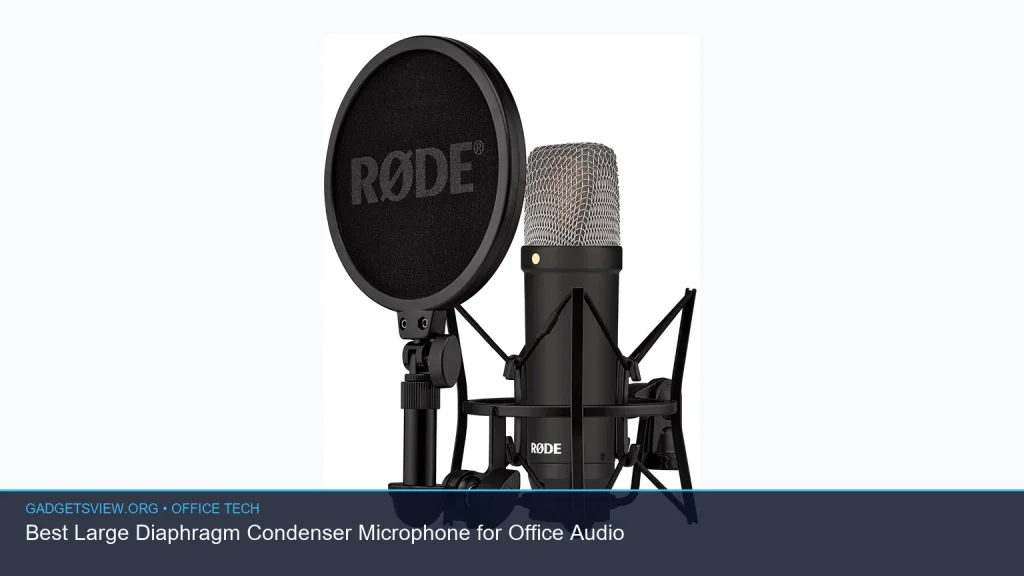
If you need cleaner voice capture for meetings, podcasts, training videos, or live streaming from the office, a large diaphragm condenser microphone is often the best place to start. It can bring out vocal detail, reduce the “thin” sound common in basic mics, and make spoken audio feel more polished. The right model depends on how you connect it, how much background noise you have, and whether you need a simple USB setup or an XLR mic with an audio interface. Below, you’ll find the best buying considerations and the most relevant models for office audio.
📖 Table of Contents
- Why a Large Diaphragm Condenser Microphone Works Well for Office Audio
- How to Choose the Right Mic for Your Workspace
- Best Large Diaphragm Condenser Microphone Picks for Office Use
- Comparison Table: Which Model Fits Which Office User?
- How to Get Better Sound from Any Office Mic
- Who Should Choose What?
- FAQ
- Conclusion
Products mentioned
- Mackie EM-Series, Large-Diaphragm Condenser Microphone (EM-91C)
View current product details - TechZoneAudioProducts Stellar X3 Large Diaphragm Condenser Microphone
View current product details - AKG C104 Professional Large Diaphragm Cardioid Condenser Microphone – XLR Studio Mic for Podcasting, Streaming, Broadcasting & Music Recording, Low Noise, High
View current product details - LEWITT LCT440PURE Large Diaphragm Condenser Mic
View current product details - Tascam TM-80 Large Diaphagm Condenser Microphone,Silver
View current product details
Availability, specifications, and prices can change; verify them on the product page.
📌 Key Takeaways
- A large diaphragm condenser microphone is a strong choice for office audio when you want clear, detailed voice capture.
- For the easiest setup, look for a mic that matches your workflow: USB for simplicity, XLR for more flexible audio chains.
- Office spaces often have keyboard noise, HVAC hum, and room echo, so pickup pattern and mic placement matter as much as the mic itself.
- The best pick depends on your use case: podcasts and streaming favor one setup, while meetings and voiceovers may favor another.
Why a Large Diaphragm Condenser Microphone Works Well for Office Audio

A large diaphragm condenser microphone is designed to capture voice with sensitivity and detail. That makes it useful for office tasks where speech clarity matters, such as webinars, client calls, internal videos, and podcast recording. Compared with many headset mics and basic desktop mics, it can sound fuller and more natural.
It can also be less forgiving. Because condenser mics are sensitive, they may pick up keyboard clicks, fans, and room reflections. That is why the microphone itself is only part of the decision; your desk setup and room noise level matter too.
What to expect from this mic type
In practical terms, this mic style often gives you a warmer and more present vocal tone. That can help if you want your voice to sound more professional on recorded content. It also tends to reward good technique, like speaking close to the mic and using a pop filter or shock mount when needed.
For office use, the best large diaphragm condenser microphone is not always the one with the most studio-style features. Often, the best option is the one that gives you clean voice capture with the least setup friction.
How to Choose the Right Mic for Your Workspace
Start with your room. If your office is quiet and treated with soft furnishings, you can usually use a more sensitive mic without trouble. If your space has echo, open windows, shared desks, or loud HVAC noise, you may want a more controlled setup and a tighter pickup pattern.
Next, think about connection type. USB mics are usually easier for quick office use, while XLR mics need an audio interface but can offer more flexibility later. If multiple people may use the mic, ease of setup and durability may matter more than studio-style extras.
| What You Need | Best Fit | Why It Matters |
|---|---|---|
| Simple plug-and-record use | USB-style office mic | Less setup, fewer accessories, faster deployment |
| More control and upgrade options | XLR condenser mic | Works with interfaces, mixers, and multi-device setups |
| Noisy office environment | Mic with cardioid pickup pattern | Helps focus on the speaker and reduce room sound |
| Podcasting or voice recording | More detailed vocal condenser | Supports a more polished spoken-word sound |
Best Large Diaphragm Condenser Microphone Picks for Office Use
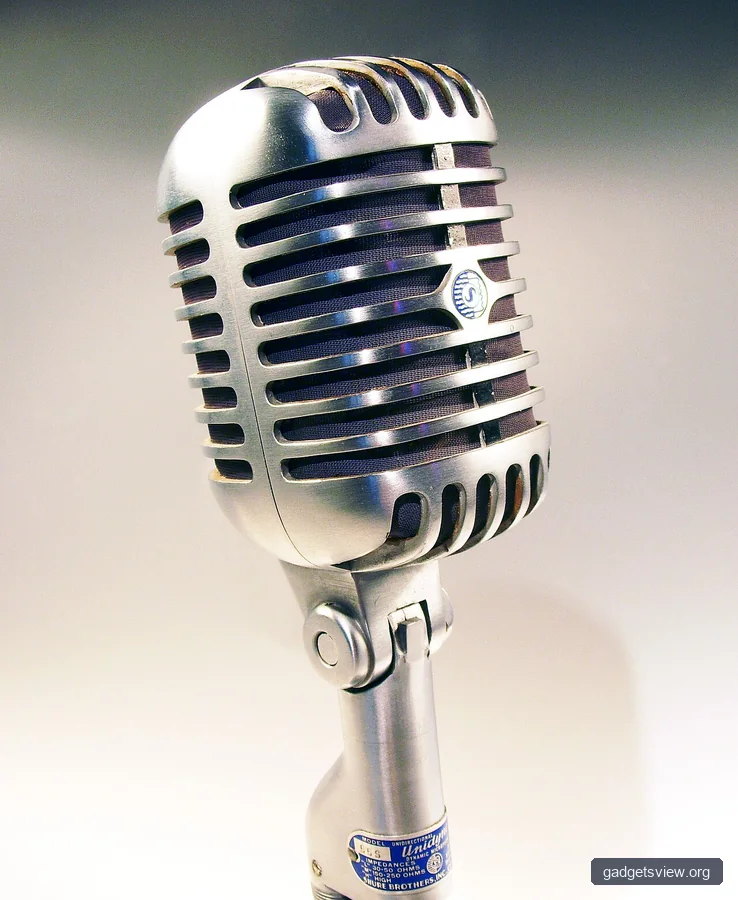
Based on the product names found during research, these are the models that appear most relevant to office audio needs. Since listing titles are only discovery evidence, treat any feature claims from sellers with caution and confirm details before buying.
1. Mackie EM-Series, Large-Diaphragm Condenser Microphone (EM-91C)
The Mackie EM-Series EM-91C is a sensible option to consider if you want a straightforward condenser mic from a familiar audio brand. It appears suited to voice capture, which makes it relevant for office recording, content creation, and remote communication.
Why it stands out for office use: it may appeal to users who want a simple path into better-sounding speech without jumping straight into a complex studio chain. If your goal is clean vocal recording and you already use an interface or are ready to get one, this is a practical place to look.
2. LEWITT LCT440PURE Large Diaphragm Condenser Mic
The LEWITT LCT440PURE is a strong candidate for users who care about voice detail and want a more refined recording mic for office content. It is the kind of model that may fit voiceovers, webinars, and creator-style work where spoken clarity matters a lot.
If you are building a semi-pro office recording setup, this type of mic is worth considering. It is most relevant for buyers who are willing to pay more attention to placement, gain staging, and room noise control.
3. AKG C104 Professional Large Diaphragm Cardioid Condenser Microphone
The AKG C104 listing is especially relevant because it clearly points to cardioid pickup and office-adjacent use cases like podcasting, streaming, broadcasting, and music recording. For office audio, that combination suggests it may be a fit for voice-first work in a controlled space.
If you want a microphone that could serve both office recording and more content-focused work, this is one of the more versatile-sounding options in the research set. It is best for buyers who want a more serious XLR-style path and are comfortable checking the exact bundle contents before purchase.
4. Tascam TM-80 Large Diaphagm Condenser Microphone, Silver
The Tascam TM-80 is another relevant office audio option, especially for users who want a budget-conscious entry into condenser mic recording. It may be a fit for meeting rooms, voice memos, or occasional content work where you want better vocal detail than a basic built-in mic can provide.
Because it is often positioned as an accessible condenser mic, it may suit first-time buyers who want a step up without overcomplicating the setup. As always, verify the exact connection type and included accessories before you buy.
5. TechZoneAudioProducts Stellar X3 Large Diaphragm Condenser Microphone
The Stellar X3 from TechZoneAudioProducts appears in the research results, but it is harder to validate from the name alone. That means it should be approached with extra care, especially if you need predictable support, warranty terms, or known compatibility.
It may still be worth a look if the product page gives clear, verifiable details about pickup pattern, connectivity, and included accessories. For office buyers, transparent specs matter more than marketing language.
Comparison Table: Which Model Fits Which Office User?
Use the table below to narrow your shortlist based on how you work. This is a practical guide, not a substitute for checking the current product pages and bundle details.
| Model | Best For | Strengths | Limitations |
|---|---|---|---|
| Mackie EM-91C | General office voice recording | Practical, brand-recognized, office-friendly use case | Need to confirm setup details and included accessories |
| LEWITT LCT440PURE | Higher-end voice and content recording | Appeals to users seeking more detailed spoken audio | May be more than casual office users need |
| AKG C104 | Podcasting, streaming, broadcast-style office work | Cardioid focus and versatile content use case | Likely best with an interface and proper setup |
| Tascam TM-80 | Entry-level office recording | Accessible starting point for better voice capture | May not be ideal for the cleanest pro-style workflow |
| TechZoneAudioProducts Stellar X3 | Buyers comparing niche listings | Could be worth reviewing if specs are clear | Less verifiable from listing title alone |
How to Get Better Sound from Any Office Mic
The microphone matters, but placement matters just as much. A large diaphragm condenser microphone can sound excellent and still pick up too much room sound if it is too far from your mouth. For office audio, a consistent speaking distance is usually more important than expensive gear.
- Place the mic close enough for a strong voice signal. Keep it positioned so your voice is clear without forcing you to speak too loudly.
- Reduce room reflections. Curtains, bookshelves, and soft furniture can help tame echo in a hard office.
- Control background noise. Turn off nearby fans when possible and reduce keyboard noise during recording.
- Use a pop filter if needed. This can help with plosive sounds like “p” and “b.”
- Check gain levels before recording. You want a clean signal without clipping or distortion.
If you are using an XLR setup, also verify that your audio interface provides the right input and phantom power where required. If the mic is USB, make sure your computer recognizes it before an important call or recording session.
Who Should Choose What?
If you want the simplest office setup, start with the model that requires the least extra gear and has clear compatibility with your computer or recording chain. That usually matters more than chasing a specific brand name.
If your priority is polished spoken-word content, the LEWITT LCT440PURE and AKG C104 are more interesting options to review closely. If you want a straightforward, practical choice for general office audio, the Mackie EM-91C and Tascam TM-80 are worth a look.
If you are comparing multiple listings, put verified specs first: connection type, pickup pattern, included accessories, and warranty support. Those details will tell you more than the product title alone.
FAQ
What is the best large diaphragm condenser microphone for office audio?
The best option depends on your setup. For simple office recording, a straightforward model with clear compatibility is often best. For podcasting or content work, the AKG C104 or LEWITT LCT440PURE may be more appealing, but you should verify current specs and bundle details before buying.
Is a large diaphragm condenser microphone too sensitive for an office?
Not necessarily. It can work very well if your room is reasonably quiet and you place the mic properly. In a noisy office, it may pick up more background sound, so room control and mic positioning become important.
Do I need an audio interface for an XLR condenser mic?
Yes, in most cases. XLR microphones usually need an audio interface or mixer to connect to a computer and manage gain properly. If you want a simple plug-and-play setup, a USB microphone may be easier.
What pickup pattern is best for office use?
A cardioid pickup pattern is often a smart choice because it focuses on sound in front of the microphone and helps reduce sound from the sides and rear. That can be helpful in shared offices or rooms with background noise.
Should I choose a condenser or dynamic mic for office audio?
A condenser mic is often better when you want detail and clarity in a controlled room. A dynamic mic can be more forgiving in noisy spaces. If your office has a lot of echo or noise, a dynamic mic may sometimes be easier to manage.
Conclusion
If you want cleaner, more professional office audio, a large diaphragm condenser microphone is a smart upgrade. The best choice depends on your room, your workflow, and whether you want USB simplicity or XLR flexibility. For most buyers, the safest next step is to compare the Mackie EM-91C, LEWITT LCT440PURE, AKG C104, and Tascam TM-80 against your actual setup.
Before you buy, confirm the current specs, included accessories, and connection type on the seller page. That simple check can save you from compatibility problems and help you choose a mic that fits your office needs from day one.