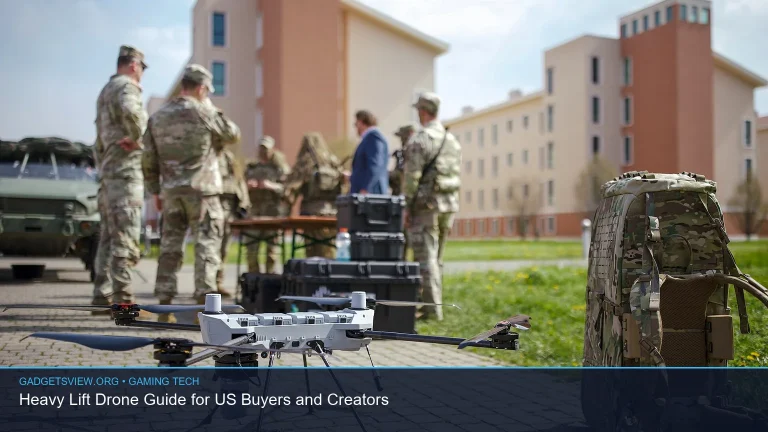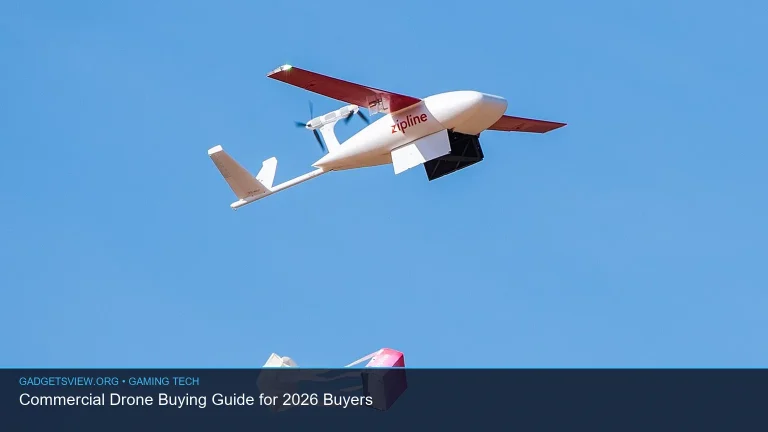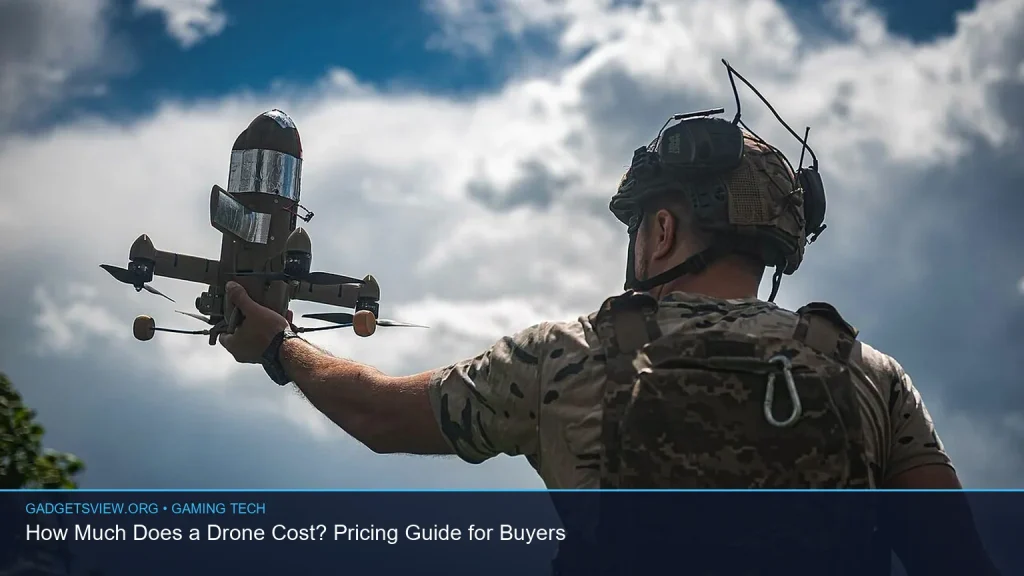
If you’re asking how much does a drone cost, the short answer is: it depends on what you want to do with it. Basic toy drones can cost under $100, hobby drones often fall in the $100 to $500 range, and advanced camera drones can run far higher. The right choice comes down to flight time, camera quality, safety features, and how serious you are about flying. This guide breaks down the price ranges, what drives cost, and how to choose the best drone for your budget.
📖 Table of Contents
- How Much Does a Drone Cost? A Quick Price Breakdown
- What Affects Drone Pricing the Most?
- Don’t Forget the Real Total Cost of Ownership
- Which Drone Price Range Is Right for You?
- How to Compare Drones Before You Buy
- Common Mistakes That Make a Drone Feel More Expensive
- FAQ: Drone Pricing Questions
- Conclusion: Set Your Budget Around How You Plan to Fly
📌 Key Takeaways
- Drone prices vary widely, from low-cost beginner models to premium camera drones with advanced features.
- The biggest price drivers are camera quality, flight time, range, obstacle sensing, and build quality.
- Your real budget should also include batteries, chargers, cases, insurance, and possible registration costs.
- For most buyers, the best value is usually in the midrange, where features and reliability are better balanced.
How Much Does a Drone Cost? A Quick Price Breakdown
Most shoppers can think about drone pricing in four broad groups. These ranges are not fixed, but they are a useful starting point if you are trying to compare options.
| Drone Type | Typical Price Range | Best For |
|---|---|---|
| Toy / beginner mini drone | Under $100 | Casual flying, learning the basics |
| Entry-level hobby drone | About $100 to $500 | New pilots, simple photos and video |
| Midrange camera drone | About $500 to $1,500 | Better image quality, more stable flight |
| Advanced / professional drone | $1,500 and up | Serious creators, commercial use, advanced tools |
These ranges can shift based on brand, included accessories, and the drone’s camera and flight system. A drone with better stabilization and smarter obstacle sensing often costs more than a simple model with a basic camera. If you need current pricing for a specific model, check live retailer listings before you buy.
What Affects Drone Pricing the Most?
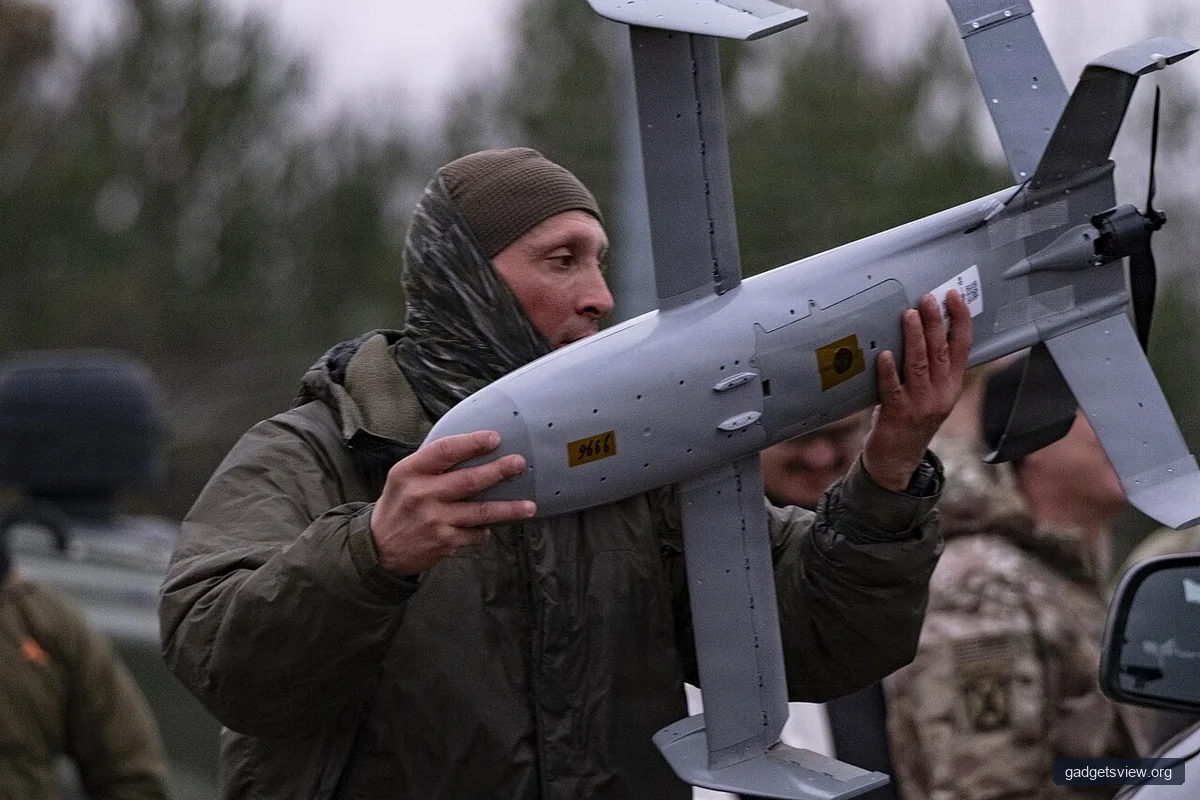
Two drones can look similar but cost very different amounts. That usually comes down to the parts that matter most in flight and imaging.
Camera quality
Camera drones cost more because the camera system is a major part of the product. Better sensors, sharper video, improved low-light performance, and gimbal stabilization all raise the price. If you only want to fly for fun, you may not need a high-end camera.
Flight time and battery system
Longer flight time often means a higher price, especially when the drone also includes efficient motors and smart battery management. Some models are sold with only one battery, while others come in bundles. That bundle structure can change the true cost a lot.
Range and control quality
Better signal range, smoother control response, and stronger interference handling usually add cost. This matters if you plan to fly in open areas or want a more stable link between controller and drone. For casual backyard flying, you may not need the most advanced system.
Obstacle sensing and safety features
Collision avoidance, return-to-home, downward sensors, and precise hovering all add to the price. These features can be helpful for beginners, since they reduce the risk of crashes. They are not a guarantee against mistakes, but they can make flying easier.
Build quality and portability
Lightweight drones are easier to carry, but more rugged materials and foldable designs can increase the cost. A more durable frame may also help the drone survive minor bumps. If you travel often, portability may be worth paying for.
Don’t Forget the Real Total Cost of Ownership
The sticker price is only part of the story. A drone that looks affordable at first can cost more once you add the pieces needed to fly comfortably and safely.
- Extra batteries: One battery can feel limiting if flight time is short.
- Chargers or charging hubs: These can make multi-battery use easier.
- Carrying case: Helpful if you plan to travel or store the drone safely.
- Propeller guards and spare props: Useful for beginners and indoor flying.
- Insurance or protection plans: Worth considering for higher-value drones.
- Registration or compliance costs: Depending on drone weight and use, you may need to follow FAA rules in the U.S.
For U.S. buyers, it is smart to check current FAA requirements before purchase. Registration rules, remote ID needs, and flying limits can affect both cost and how you use the drone. That is especially important if you plan to fly outside of casual hobby use.
Which Drone Price Range Is Right for You?
The best drone is not always the most expensive one. The right choice depends on your skill level, your purpose, and how much you want to spend.
| Buyer Type | Good Price Range | Why It Fits |
|---|---|---|
| Complete beginner | Under $100 or low-end $100s | Lower risk, simpler controls, less worry about crashes |
| Casual hobby flyer | $100 to $500 | Good balance of price, stability, and fun |
| Content creator | $500 to $1,500 | Better video quality and smoother footage |
| Advanced pilot or pro user | $1,500+ | More advanced tools and stronger performance |
Who should choose what? If you are just learning, start low and keep the risk small. If you want better video for social posts or personal projects, a midrange drone often makes the most sense. If you need advanced imaging or commercial-level features, the higher tiers are more appropriate.
How to Compare Drones Before You Buy
When shopping, it helps to compare more than the listed price. A lower price can be misleading if the drone lacks the features you actually need.
Selection criteria that matter most
- Purpose: Fun flying, photography, travel, or learning.
- Skill level: Beginner-friendly controls and stability can matter more than raw speed.
- Camera needs: Decide how important video and still photos are to you.
- Flight time: Shorter flights often mean more battery swaps and more cost.
- Portability: If you travel, folding size and case support matter.
- Safety features: Obstacle sensing and return-to-home can reduce mistakes.
Strengths and limitations to look for
Strengths usually include stable hovering, easier controls, and better footage. These are especially useful if you want less frustration and more consistent results.
Limitations often include short battery life, weaker cameras, limited range, or fewer smart flight aids. A cheap drone can still be fun, but it may not meet your needs for photos or longer sessions.
Common Mistakes That Make a Drone Feel More Expensive
Many first-time buyers spend more than they need to because they do not match the drone to their use case. Others save money up front, then pay later for parts they should have included from the start.
- Buying for features you won’t use: A high-end camera is wasted if you only want casual flying.
- Ignoring battery limits: Short flight time can make a drone feel underpowered fast.
- Skipping beginner features: If you are new, stability and safety tools can save money in the long run.
- Forgetting accessory costs: Batteries and cases add up quickly.
- Not checking legal rules: Some models need more attention to U.S. flight requirements than others.
A better plan is to set a total budget, then leave room for at least one or two must-have extras. That gives you a more realistic view of what the drone will truly cost.
FAQ: Drone Pricing Questions
Why are some drones so cheap?
Cheaper drones often use simpler parts, shorter-range control systems, basic cameras, and smaller batteries. They can still be useful for learning, but they usually do not offer the same stability or image quality as higher-priced models.
Is a more expensive drone always better?
Not always. A more expensive drone may have more features, but those features only matter if you will use them. The best choice is the one that fits your skill level, flying goals, and budget.
How much should a beginner spend on a drone?
Many beginners are best served by a lower-cost or entry-level model, especially if they are still learning controls and safety habits. The ideal amount depends on whether you want simple practice, casual fun, or better camera performance.
Do I need to pay extra after buying the drone?
Often, yes. Extra batteries, spare propellers, a case, and possible registration or protection costs can increase the total. It is smart to budget beyond the base purchase price.
Should I buy the cheapest drone I can find?
Only if your goal is basic practice or casual flying. Very cheap drones may have limited range, short battery life, and less reliable controls. Spending a little more can improve the experience a lot.
Conclusion: Set Your Budget Around How You Plan to Fly
If you are wondering how much does a drone cost, the best answer is to start with your goal. Simple drones can be affordable, while camera-focused and advanced models cost much more. The smartest move is to compare the full cost, not just the sticker price.
Before buying, decide what matters most: fun, photos, ease of use, or advanced features. Then check current pricing, review FAA rules if needed, and choose the drone that fits both your budget and your flying plans.