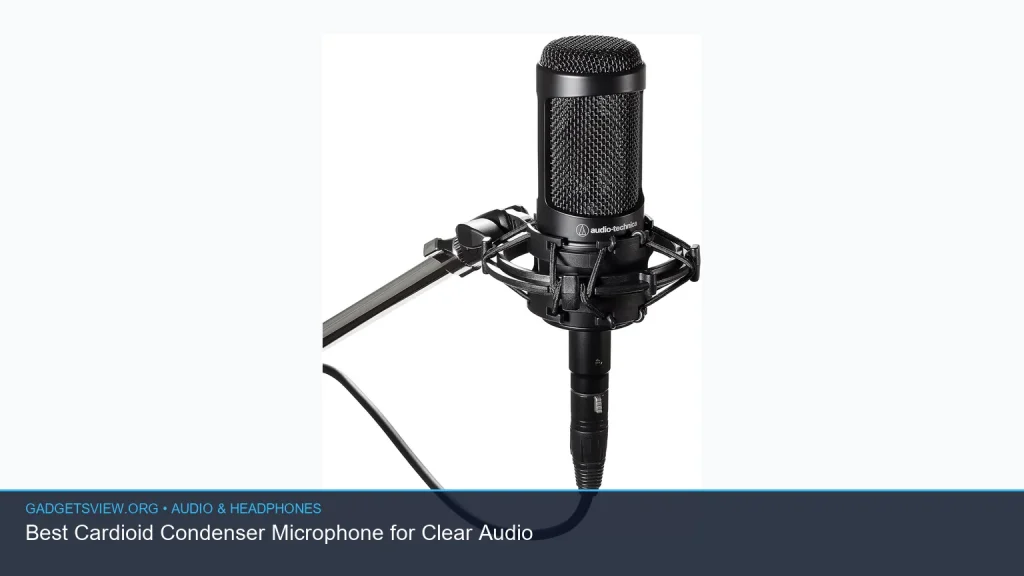
If you want clear voice capture for streaming, podcasting, home recording, or video calls, a cardioid condenser microphone is often the smartest place to start. It focuses on sound from the front and helps reduce room noise, which makes speech sound cleaner and more controlled. In this guide, we’ll break down what to look for, which models fit different use cases, and how to choose the best cardioid condenser microphone for your setup without overbuying.
📖 Table of Contents
- What a Cardioid Condenser Microphone Does Best
- Best Cardioid Condenser Microphone Options by Use Case
- How to Choose the Right Mic for Clear Audio
- Cardioid Condenser Microphone vs. USB and Camera Microphone Use
- Strengths and Limits of Cardioid Condenser Mics
- How to Get Clearer Results From Any Cardioid Mic
- FAQ
- Conclusion: The Best Choice Depends on Your Setup
Products mentioned
- TZ Stellar X2 Large Diaphragm Cardioid Condenser XLR Microphone
View current product details - Movo PC-M6 Universal Cardioid Condenser Microphone with XLR and 3.5mm, Shock Mount, and Windscreen
View current product details - Audio-Technica AT2020 Cardioid Condenser Studio XLR Microphone, Ideal for Project/Home Studio Applications, Black
View current product details - Audio-Technica AT2035 Cardioid Condenser Microphone, Perfect for Studio, Podcasting & Streaming, XLR Output, Includes Custom Shock Mount
View current product details - Amazon Basics Condenser Microphone for PC, Cardioid Pickup, USB Mic for Streaming, Recording, and Podcasting, 360° Adjustable Stand, Plug and Play, 5.8″ x 3.4″
View current product details
Availability, specifications, and prices can change; verify them on the product page.
📌 Key Takeaways
- A cardioid condenser microphone is best when you want focused voice pickup and less background noise.
- XLR models usually offer more flexibility and upgrade paths, while USB and dual-output options are easier to start with.
- Choose based on your use case: podcasting and streaming favor studio-style mics, while a camera microphone needs portability and simple setup.
- The best “good budget microphone” is not always the cheapest one; it’s the one that matches your room, gear, and recording goals.
What a Cardioid Condenser Microphone Does Best
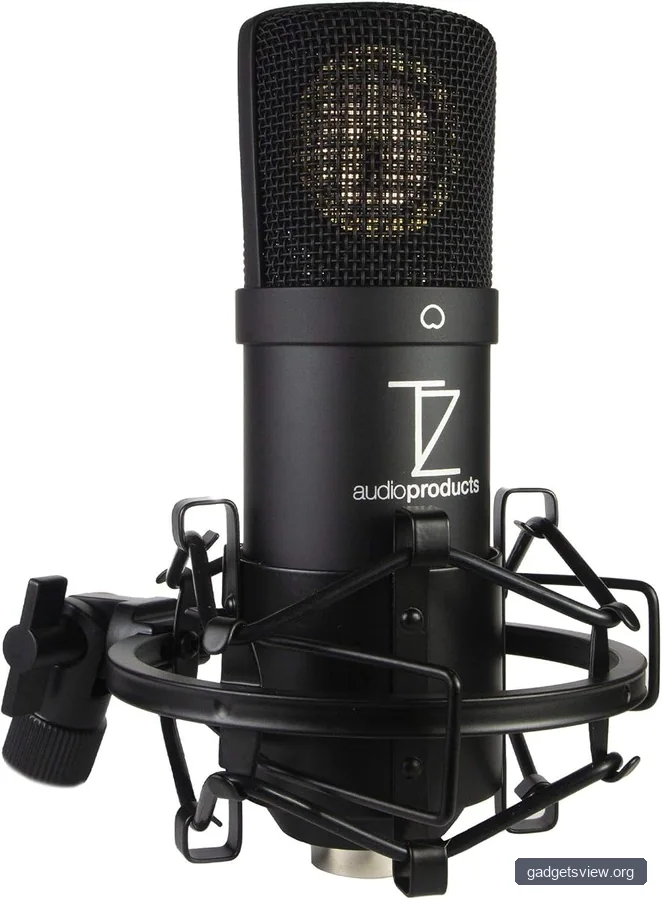
A cardioid condenser microphone picks up sound mainly from the front. That directional pattern helps reduce noise from the sides and rear, which is useful in rooms that are not fully treated. For spoken audio, this can make voices sound more present and easier to understand.
Condenser microphones are also known for sensitivity and detail. That can be a major advantage for vocals, podcasts, and voiceovers, but it also means they will hear more of your room than a dynamic mic. If your desk sits near a fan, keyboard, or street-facing window, a cardioid pattern can help keep those distractions lower.
Why the cardioid pattern matters
The cardioid pickup pattern is popular because it balances clarity and noise control. It captures what is directly in front of the mic while rejecting much of what is behind it. That makes it a strong fit for solo creators who want a cleaner signal without complicated room treatment.
If you are choosing a microphone for speech, this pattern is often the easiest to work with. You still need good mic technique, but the microphone gives you a more forgiving starting point.
Best Cardioid Condenser Microphone Options by Use Case
There is no single best model for every buyer. The right pick depends on how you connect, what you record, and how much setup you want to manage. Below is a practical comparison based on the product listings gathered during research.
| Microphone | Best for | Strengths | Limitations |
|---|---|---|---|
| Audio-Technica AT2020 Cardioid Condenser Studio XLR Microphone | Home studio, podcasting, voice recording | Trusted studio-style XLR format; straightforward choice for many entry and mid-level setups | Needs an audio interface or mixer |
| Audio-Technica AT2035 Cardioid Condenser Microphone | Podcasting, streaming, more refined studio work | Includes custom shock mount in the listing; studio-focused XLR option | Requires interface or mixer; larger setup than USB options |
| TZ Stellar X2 Large Diaphragm Cardioid Condenser XLR Microphone | Creators seeking a large-diaphragm XLR condenser | Large-diaphragm design; suitable for vocal-focused recording | XLR setup required |
| Movo PC-M6 Universal Cardioid Condenser Microphone with XLR and 3.5mm | Users wanting flexible connectivity | XLR and 3.5mm options; includes shock mount and windscreen in the listing | Versatility may mean you are choosing convenience over a more specialized studio path |
| Amazon Basics Condenser Microphone for PC, Cardioid Pickup, USB Mic | Streaming, recording, podcasting, simple desk use | USB plug-and-play convenience; easy for beginners | Less upgrade flexibility than XLR gear |
If you want the most balanced studio-style choice, the Audio-Technica AT2020 is the safest starting point for many buyers. If you want a little more accessory support and a step up in studio orientation, the AT2035 is worth a look. If convenience matters more than future upgrades, the Amazon Basics USB option may be enough for casual recording or a simple desk setup.
How to Choose the Right Mic for Clear Audio
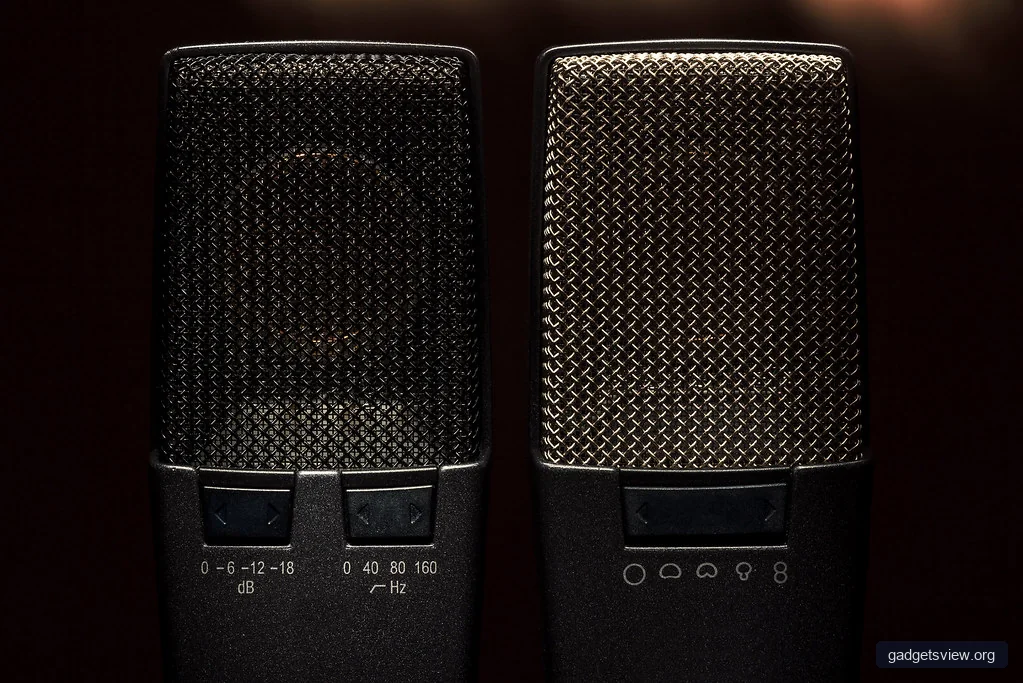
The best microphone choice starts with your recording environment. A quiet room lets you use a more sensitive condenser mic with less trouble, while a noisy room benefits from tighter mic placement and strong cardioid rejection. Your interface, camera, or computer connection also matters.
Here are the main selection criteria to compare before you buy:
- Connection type: XLR for better upgrade paths; USB for simplicity; dual-output if you want flexibility.
- Use case: podcasting, voiceover, streaming, music, or camera microphone use for video work.
- Room noise: a cardioid condenser microphone helps, but it cannot fully fix a loud room.
- Included accessories: shock mounts and windscreens can improve practical results.
- Setup comfort: choose the system you will actually use regularly.
Who should choose what
Choose the Audio-Technica AT2020 if you want a dependable XLR condenser for a home studio, voice work, or podcasting setup and already have, or plan to buy, an audio interface.
Choose the Audio-Technica AT2035 if you want a more studio-oriented option and value the included shock mount in the listing. It makes sense for streamers and podcasters who want a more complete starting point.
Choose the TZ Stellar X2 if you want a large-diaphragm cardioid condenser XLR microphone and prefer a mic that fits a more traditional vocal recording path.
Choose the Movo PC-M6 if you want the flexibility of XLR and 3.5mm connectivity in one package, especially if you are still deciding how you will record.
Choose the Amazon Basics USB mic if you want a simple, good budget microphone for basic streaming, podcasts, and desktop recording without extra gear.
Cardioid Condenser Microphone vs. USB and Camera Microphone Use
A lot of buyers search for a camera microphone or an easy desktop mic and end up comparing USB and XLR models. That is normal. The best option depends on whether your priority is portability, sound quality, or a long-term upgrade path.
USB mics are often the simplest way to start. XLR condenser microphones usually provide more room to grow because you can pair them with different interfaces, preamps, and recording setups. If you are building a home studio or planning more serious audio work, XLR is usually the stronger investment.
When a camera microphone makes sense
If you are recording video content on the go, a camera microphone may be the better tool. It is often designed for quick mounting, easy positioning, and a compact footprint. A studio-style cardioid condenser microphone can still work for video, but it is usually best when you have a controlled recording space rather than a run-and-gun setup.
For creators who film at a desk, the line gets blurrier. A compact cardioid mic can serve as both a voice mic and a camera microphone if your workflow stays stationary. Just be sure the connection method fits your camera or capture setup.
Strengths and Limits of Cardioid Condenser Mics
Cardioid condenser microphones are popular for good reason. They capture detail, sound polished on voice, and help focus on the speaker. But they are not magic, and knowing the trade-offs will save you money.
| Pros | Cons |
|---|---|
| Clear, detailed voice capture | Can pick up room noise if the space is untreated |
| Good front-focused rejection | Often needs an interface or computer-friendly connection |
| Strong for speech, podcasts, and vocals | Requires better mic placement than casual users expect |
| Many options at different budget levels | “Budget” can still mean extra costs for stands, cables, or interfaces |
If you are buying your first good budget microphone, do not focus only on the mic itself. Budget for the basics around it, too, such as an interface for XLR, a stable stand, and proper placement. Those accessories often matter as much as the microphone model.
How to Get Clearer Results From Any Cardioid Mic
A strong microphone choice helps, but setup is what often separates average audio from clean audio. The good news is that a few simple habits can improve almost any cardioid condenser microphone.
- Place the mic close enough: For voice, closer placement usually means better signal and less room noise.
- Stay slightly off-axis: Speaking just off the front of the mic can reduce harsh plosives.
- Use a pop filter or windscreen: This helps soften breath pops and sharp consonants.
- Control the room: Turn off fans, close windows, and reduce reflective surfaces when possible.
- Check gain carefully: Set input levels so your voice stays strong without clipping.
Small adjustments can make a big difference. A well-placed budget mic in a quiet space often sounds better than an expensive mic used poorly in a noisy room. If your audio sounds thin or echoey, room setup is usually the first thing to fix.
FAQ
Is a cardioid condenser microphone good for beginners?
Yes. It is one of the easiest microphone types to recommend for beginners because the cardioid pattern helps focus on the voice. If you want cleaner speech for streaming, podcasting, or home recording, it is a practical starting point.
Can I use a cardioid condenser microphone as a camera microphone?
Yes, if your camera or recording setup supports it and you are working in a controlled space. It can function as a camera microphone for desk-based video, interviews, or static recording. For mobile filming, a smaller on-camera mic is often easier.
Do I need XLR, or is USB enough?
USB is enough for many casual users and beginners because it is simple to set up. XLR is better if you want more control, more upgrade options, or a more traditional studio workflow. If you are unsure, think about whether you want convenience now or flexibility later.
What makes a good budget microphone?
A good budget microphone should sound clean, fit your setup, and avoid forcing you into expensive add-ons you do not need. The best value is usually the mic that works well with your room, connection type, and recording style.
Will a cardioid condenser microphone remove all background noise?
No. It can reduce unwanted sound from the sides and rear, but it will still pick up some room noise. If the room is loud, you will need better placement, better gain control, and possibly more room treatment.
Conclusion: The Best Choice Depends on Your Setup
The best cardioid condenser microphone is the one that fits your workflow and your room. If you want a dependable studio-style pick, the Audio-Technica AT2020 is an easy recommendation. If you want more features and a more complete accessory package, the AT2035 is a strong contender. For simple plug-and-play use, the Amazon Basics USB mic is the easiest starter option.
Before you buy, decide how you will record, whether you need XLR or USB, and how much room noise you need to manage. That one decision will point you toward the right mic faster than any spec sheet alone.