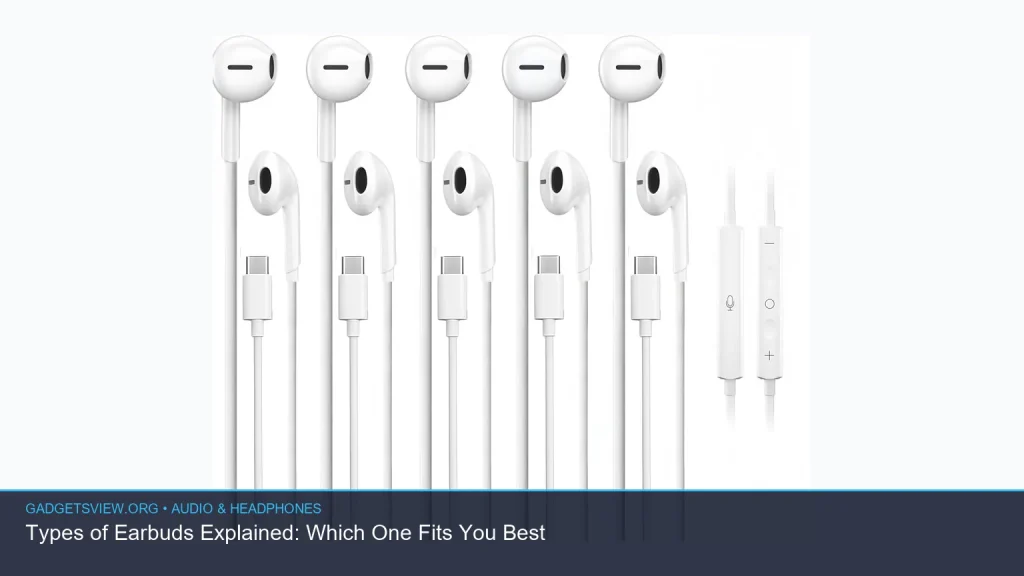
If you’re trying to sort through the many types of earbuds, the best choice comes down to how you listen. Some earbuds are built for comfort and casual use, while others focus on sound isolation, workouts, or wireless convenience. This guide breaks down the main earbud styles, explains their strengths and limits, and helps you decide which one fits your needs best.
📖 Table of Contents
- What Are the Main Types of Earbuds?
- Wired Earbuds: Simple, Reliable, and Easy to Use
- True Wireless Earbuds: The Most Popular Modern Option
- Neckband Earbuds: A Middle Ground for Stability
- Open-Ear Earbuds: Better Awareness for Active Lifestyles
- Noise-Canceling Earbuds: Best for Blocking Distractions
- Comparison Table: Which Earbud Type Fits Your Needs?
- How to Choose the Right Earbuds for You
- Common Mistakes to Avoid When Buying Earbuds
- Frequently Asked Questions
- Conclusion: Start with Your Daily Listening Needs
📌 Key Takeaways
- The main types of earbuds include wired, true wireless, neckband, open-ear, and noise-canceling models.
- Fit matters as much as sound; the right style should feel secure, comfortable, and suited to your daily routine.
- Use case drives the choice: commuting, workouts, calls, gaming, and casual listening all favor different designs.
- No single earbud is best for everyone, so comparing comfort, isolation, battery life, and controls is the smartest way to buy.
What Are the Main Types of Earbuds?
Earbuds are small headphones that sit in or around your ears. The big differences are how they connect, how they fit, and how much outside sound they block. Once you understand those basics, it becomes much easier to choose the right pair.
The main types of earbuds fall into a few clear groups: wired earbuds, true wireless earbuds, neckband earbuds, open-ear earbuds, and noise-canceling earbuds. Some earbuds can fit into more than one category, but these labels cover most shopping decisions.
Wired Earbuds: Simple, Reliable, and Easy to Use
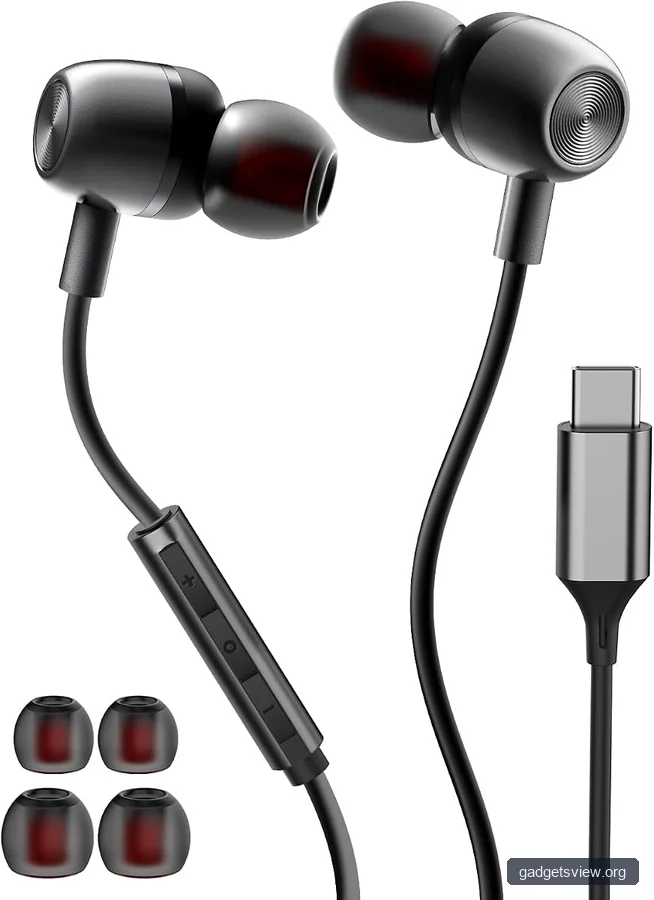
Wired earbuds connect directly to your device with a cable. They are the most straightforward option because they do not need charging and usually work as soon as you plug them in. For many people, that simplicity is still a major advantage.
These earbuds are often a good fit for listeners who want dependable audio and fewer battery concerns. They can also be helpful for travel, basic office use, and anyone who dislikes pairing devices or managing battery life.
Strengths of wired earbuds
- No battery to charge.
- Usually easy to use right away.
- Often more affordable than wireless styles.
- No wireless dropouts or pairing issues.
Limitations of wired earbuds
- The cable can get in the way.
- They are less convenient for active movement.
- Some newer phones may need an adapter.
Best for: people who want a simple, low-maintenance earbud for everyday listening.
True Wireless Earbuds: The Most Popular Modern Option
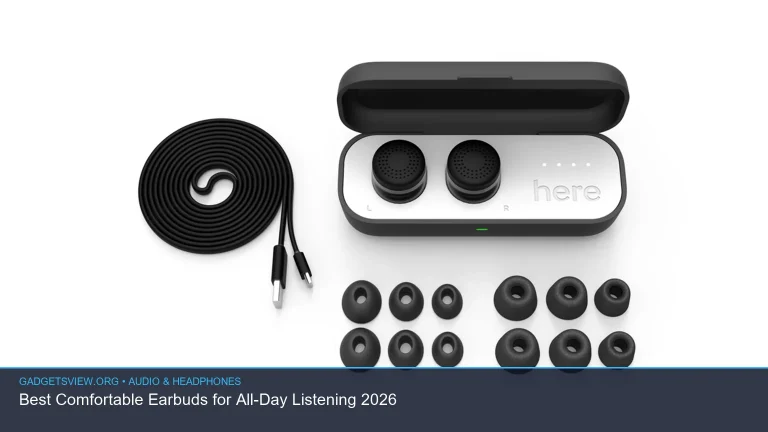
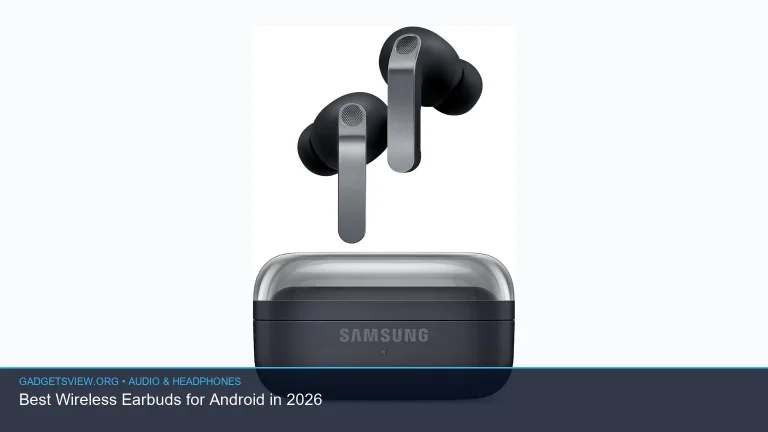
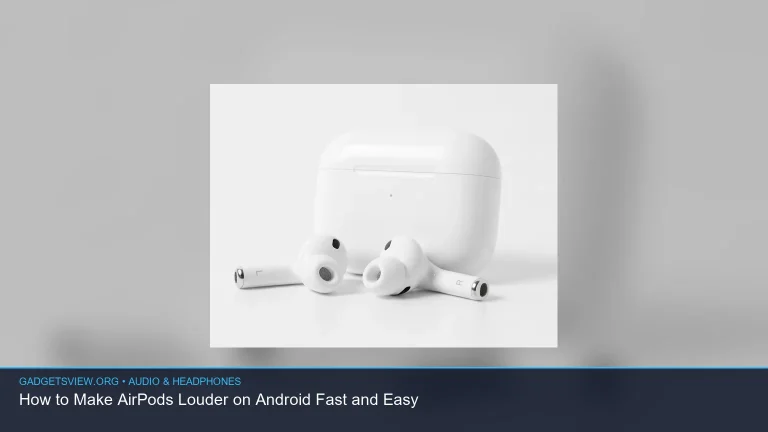
True wireless earbuds have no cable at all. Each bud works independently, and they usually come in a charging case. This style is now the most recognizable option for people who want convenience, portability, and a clean setup.
They are especially useful for commuting, working out, taking calls, and moving around without cords. Many models also include touch controls, voice assistant support, and compact cases that fit in a pocket.
Why people choose true wireless
- Completely cable-free.
- Easy to carry in a small case.
- Good for daily commuting and exercise.
- Often includes features like call controls and app settings.
What to watch for
- Battery life depends on both the buds and the charging case.
- Small size can make them easier to misplace.
- Fit varies a lot by ear shape.
Best for: users who want the most convenient and flexible option for everyday life.
Neckband Earbuds: A Middle Ground for Stability
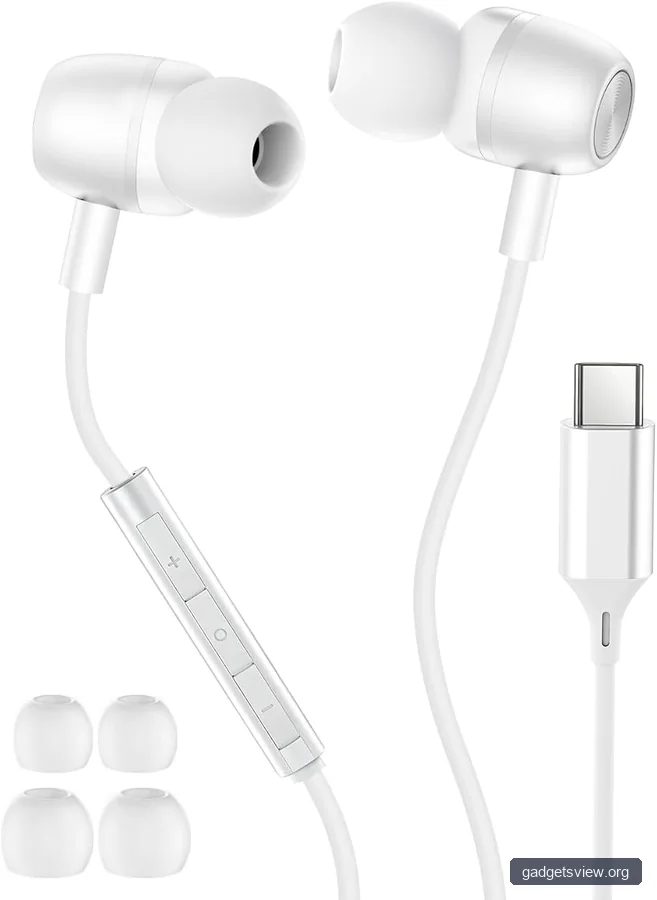
Neckband earbuds connect the two earpieces with a flexible band that rests around your neck. They are a hybrid style that combines some wireless freedom with a more secure overall design. For people who lose small earbuds easily, this format can feel reassuring.
Neckband models are often chosen for workouts, long listening sessions, and situations where you want quick access without fully pocket-sized buds. The band can also help keep the earbuds close at hand when you take them out.
Strengths of neckband earbuds
- Harder to misplace than fully separate buds.
- Usually stable during movement.
- Often easy to remove and wear again quickly.
Limitations of neckband earbuds
- The neckband is less discreet than true wireless.
- Some users may find the band noticeable or annoying.
- They are less common than before, so selection may be narrower.
Best for: listeners who want wireless convenience with added security and easier handling.
Open-Ear Earbuds: Better Awareness for Active Lifestyles
Open-ear earbuds are designed to let you hear more of your surroundings. Instead of sealing your ear canal, they sit near the ear or rest in a way that leaves the ear more open. This can be useful when awareness matters more than isolation.
They are a strong choice for outdoor walks, casual exercise, and users who do not like the pressure of in-ear tips. Because they do not create a tight seal, they can feel more comfortable for some people over longer periods.
When open-ear earbuds make sense
- You want to hear traffic, coworkers, or announcements.
- You dislike the sealed feeling of in-ear buds.
- You prefer a lighter, more breathable fit.
Trade-offs to know
- Less sound isolation than in-ear models.
- Usually weaker bass impact than sealed earbuds.
- May not be ideal in noisy spaces.
Best for: people who value awareness, comfort, and an open listening feel.
Noise-Canceling Earbuds: Best for Blocking Distractions
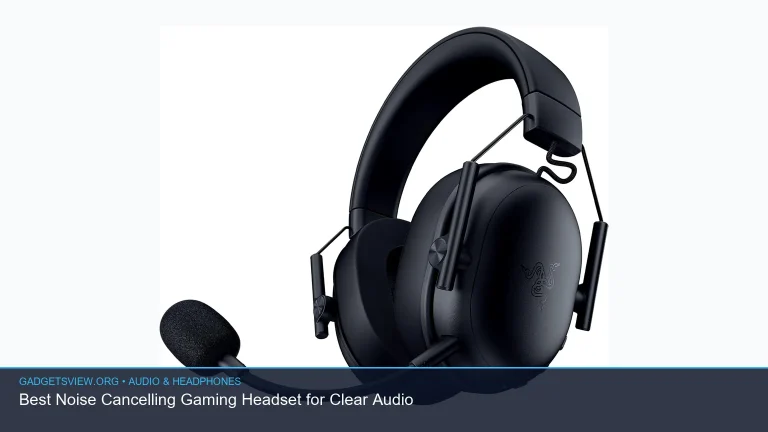
Noise-canceling earbuds use active noise cancellation, often called ANC, to reduce steady background noise. This makes them especially appealing for airplanes, trains, offices, and other noisy places. If you want to listen at lower volumes or focus more easily, this category stands out.
Noise-canceling earbuds usually also include passive isolation through ear tips. In practice, that means the best models do two things at once: they seal the ear and reduce outside noise electronically.
Strengths of noise-canceling earbuds
- Help reduce constant background noise.
- Can improve focus in busy places.
- Often pair well with commuting and travel.
Limitations of noise-canceling earbuds
- Usually cost more than basic earbuds.
- May need more battery power than simpler models.
- Some listeners notice pressure or dislike the ANC feel.
Best for: travelers, commuters, and anyone who wants the most peaceful listening experience.
Comparison Table: Which Earbud Type Fits Your Needs?
| Earbud Type | Best For | Strengths | Limitations |
|---|---|---|---|
| Wired | Simple, no-charge listening | Reliable, easy, often affordable | Cable can be inconvenient |
| True wireless | Daily convenience | No cords, compact case, versatile | Battery and fit can vary |
| Neckband | Secure everyday use | Less likely to be lost, stable fit | Less discreet, less common |
| Open-ear | Awareness and comfort | Breathable, safer for outdoor awareness | Less isolation, weaker bass |
| Noise-canceling | Noisy environments | Reduces background noise, good for travel | Usually costs more and uses more battery |
How to Choose the Right Earbuds for You
The best way to choose among the different types of earbuds is to focus on how you will use them most often. Start with your daily routine, then narrow the list based on fit, sound isolation, and convenience. A model that looks great on paper can still be wrong if it does not suit your ears or habits.
- Decide where you will use them most. Commuting, working, exercising, and home listening all point to different earbud styles.
- Choose your ideal fit. If you dislike pressure, open-ear may suit you. If you want a tight seal, look at in-ear models with tips.
- Think about sound isolation. If you need quiet, noise-canceling earbuds make sense. If awareness matters, open-ear is better.
- Consider battery and charging habits. If you do not want to charge often, wired earbuds may be the easiest choice.
- Check for comfort features. Look for different ear tip sizes, lightweight designs, and simple controls.
Quick decision guide
| If you want… | Choose this type |
|---|---|
| The easiest no-charge option | Wired earbuds |
| Cord-free convenience for everyday life | True wireless earbuds |
| A more secure, harder-to-lose option | Neckband earbuds |
| More awareness of your surroundings | Open-ear earbuds |
| Less background noise in loud places | Noise-canceling earbuds |
Common Mistakes to Avoid When Buying Earbuds
One of the biggest mistakes is choosing based on looks alone. Earbuds can have strong features on paper and still fail if they do not fit well or match your routine. Comfort and use case should come before flashy extras.
Another common issue is assuming all wireless earbuds feel the same. In reality, ear shape, tip design, and housing size can change the fit a lot. If possible, look for return options or adjustable ear tips when you shop.
Also avoid overpaying for features you will not use. If you mostly listen at home, you may not need advanced noise canceling. If you never want to charge another device, wired earbuds may still be the smarter choice.
Frequently Asked Questions
Are true wireless earbuds better than wired earbuds?
Not always. True wireless earbuds are better for convenience and portability, while wired earbuds are better for simplicity and no charging. The best option depends on how you listen and where you use them.
Which earbud type is best for workouts?
Many people prefer true wireless, neckband, or open-ear earbuds for exercise. The best pick depends on how much stability and awareness you want. A secure fit matters more than any single feature.
Do noise-canceling earbuds block all sound?
No. They reduce certain background noises, especially steady sounds like engines or fans, but they do not remove every sound. They work best when combined with a good seal from the ear tips.
What if earbuds hurt my ears?
Try a different fit style first. You may need smaller tips, a lighter design, or open-ear earbuds. If discomfort continues, avoid forcing a seal that does not feel natural.
How do I know which earbud type is right for me?
Start with your top priority: comfort, noise blocking, portability, or awareness. Then match that need to the earbud style that supports it best. If you are unsure, true wireless is the most flexible place to begin.
Conclusion: Start with Your Daily Listening Needs
The best types of earbuds are the ones that fit your life, not just your device. If you want ease and freedom, true wireless is a strong choice. If you want peace and focus, noise-canceling earbuds stand out. If you want awareness or simplicity, open-ear or wired models may be the better fit.
Before you buy, think about comfort, battery, and where you will use them most. That simple check will help you choose earbuds that feel right from day one.