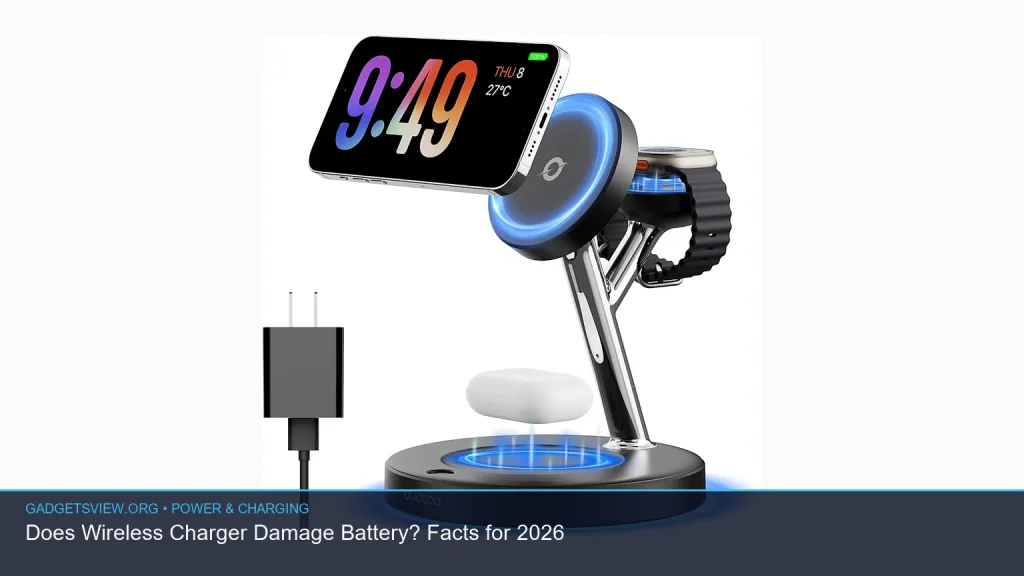
Does wireless charger damage battery? In most cases, no—not by itself. A good wireless charger will not “ruin” your phone battery, but it can create a little more heat than wired charging, and heat is what matters most for long-term battery health. The real answer is simple: wireless charging is generally safe when you use certified gear, keep the phone cool, and avoid cheap accessories. If you want the shortest verdict for 2026, wireless charging is fine for everyday use, but wired charging can still be the better choice when you want the least heat and the fastest top-up.
📖 Table of Contents
- Why people worry about wireless charging
- Does wireless charger damage battery in real use?
- How wireless charging affects battery health
- When wireless charging can be a problem
- How to use wireless charging without hurting battery health
- Wireless vs. wired: which is better for battery life?
- What battery makers and phone systems are doing to help
- FAQ
- Conclusion: the practical answer for 2026
📌 Key Takeaways
- Wireless charging does not usually damage a battery on its own, but extra heat can add wear over time.
- Certified chargers, good alignment, and normal room temperature help protect battery health.
- Cheap, poorly made pads and cases that trap heat are more likely to cause problems than the charging method itself.
- If you want the coolest, fastest daily charge, wired charging still has an edge.
Why people worry about wireless charging
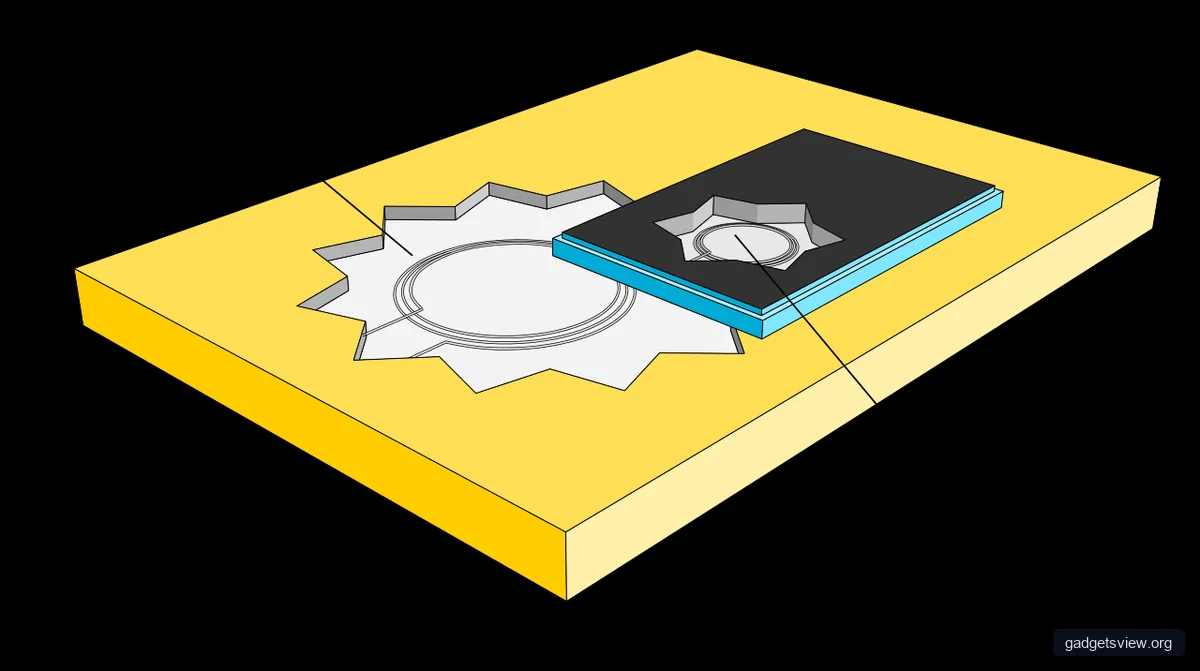
The concern makes sense. Battery life depends on chemistry, and lithium-ion batteries age faster when they stay hot too often. Wireless charging transfers power through coils, so some energy is lost as heat, and that can make the phone warmer than a cable in some situations.
That does not mean wireless charging is harmful by default. Modern phones have built-in controls that manage current, temperature, and charging speed to reduce stress on the battery.
Does wireless charger damage battery in real use?
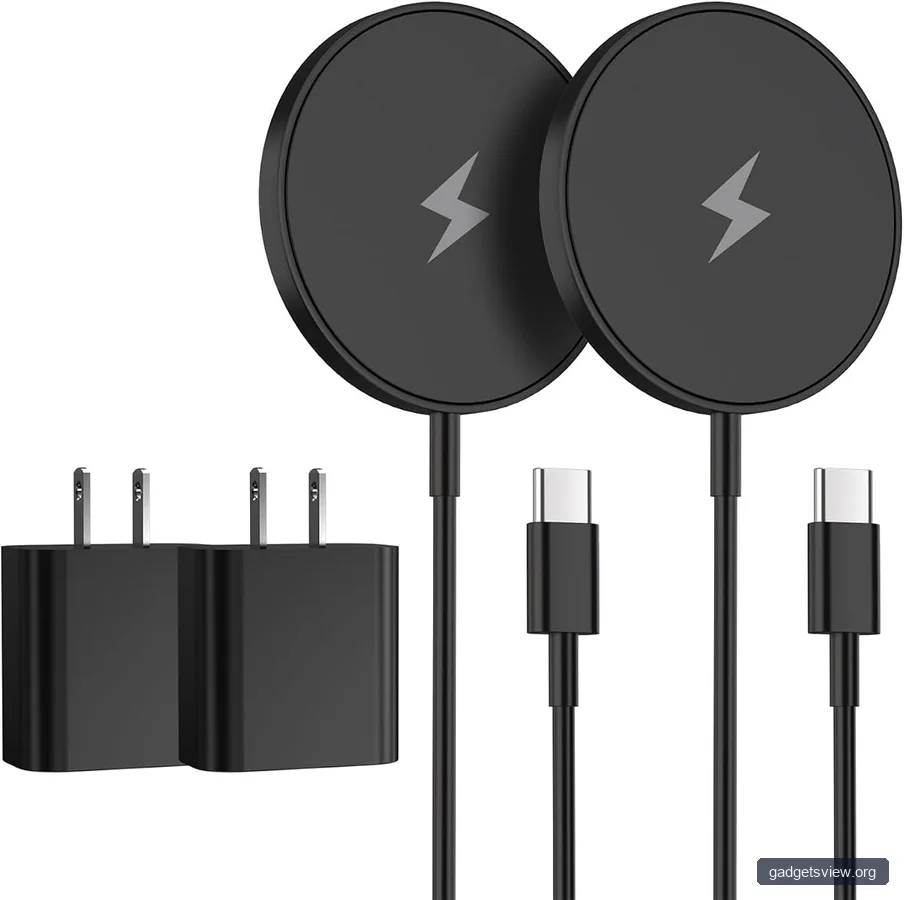
For most people, the answer is no. A well-made wireless charger that matches your phone’s standards should not noticeably damage the battery in normal daily use. The battery will still age over time, but that is true with any charging method.
The bigger risk is not “wireless” itself. The real issue is excessive heat, frequent fast charging in hot conditions, or using low-quality chargers that do not regulate power well.
What actually wears out a battery
- Heat: The main battery stress factor.
- High charge levels for long periods: Staying near 100% for hours can add wear.
- Deep discharge cycles: Regularly draining to very low levels is harder on the battery.
- Poor charging hardware: Cheap pads may run inefficiently and create more heat.
How wireless charging affects battery health
Wireless charging uses induction, which is less direct than a cable. Some power is lost during transfer, and that lost energy shows up as heat. Phones are designed to handle this, but a warmer battery is still a battery under more stress.
That said, the difference is usually modest in everyday conditions. If your phone does not get uncomfortably warm and the charger is certified, the long-term impact is generally small.
| Charging method | Heat tendency | Battery stress | Best use |
|---|---|---|---|
| Wired charging | Usually lower | Lower in many cases | Fast top-ups, cooler charging |
| Wireless charging | Moderate | Usually low if certified | Convenience, bedside use |
| Poor-quality wireless charging | Higher | Higher risk | Not recommended |
When wireless charging can be a problem
Wireless charging becomes more of a concern when several risk factors stack up. A charger that is not properly certified, a thick case that traps heat, a phone left on a pad in a hot room, or a device that already runs warm can all increase battery stress.
Fast wireless charging can also warm a phone more than standard wireless charging. That does not make it unsafe, but it does mean the battery may age a bit faster if the device is regularly kept hot for long periods.
Signs your charging setup is running too hot
- The phone feels noticeably warm to the touch for long stretches.
- Charging slows down often for no clear reason.
- The screen shows temperature warnings or pauses charging.
- The battery drains faster than expected after a charge.
- The charger or phone case smells hot or feels unusually warm.
How to use wireless charging without hurting battery health
You do not need to avoid wireless charging. You just need to use it wisely. A few simple habits can reduce heat and help your battery stay healthy longer.
- Use certified chargers. Choose products that meet your phone maker’s charging standard or an established wireless charging certification.
- Keep the phone centered. Good alignment improves efficiency and reduces wasted heat.
- Remove thick, heat-trapping cases if needed. If your phone gets warm, test charging with a thinner case.
- Charge in a cool place. Avoid sunlight, hot cars, or cramped spaces with poor airflow.
- Do not stack heat sources. Heavy gaming, video recording, and wireless charging at the same time can push temperatures up.
- Unplug when not needed. Leaving the phone on the pad all day is usually fine with modern controls, but it is not necessary.
Quick decision table
| If you want… | Better choice | Why |
|---|---|---|
| Lowest heat | Wired charging | Usually transfers power more efficiently |
| Bedside convenience | Wireless charging | Easy to place and lift |
| Fastest refill | Wired charging | Often charges more quickly with less heat |
| Simple daily habit | Wireless charging | Convenient for short top-offs |
Wireless vs. wired: which is better for battery life?
If your only goal is to minimize battery wear, wired charging usually has the advantage because it tends to generate less heat. That is especially true when you are charging from a low level and want a quick, efficient boost.
But “better for battery life” does not mean “wireless is bad.” For many users, the convenience of a wireless pad makes it easier to avoid draining the battery too low, which can also be a good habit.
Strengths and limitations
Wireless charging strengths: easy drop-and-go use, less cable wear, convenient at a desk or nightstand.
Wireless charging limitations: more heat than many wired setups, slower charging in many cases, and more sensitivity to alignment and case thickness.
Wired charging strengths: typically cooler, faster, and more efficient.
Wired charging limitations: more cable clutter and more physical wear on ports and cords over time.
What battery makers and phone systems are doing to help
Modern phones are not charging blindly. They manage power in stages, reduce charging speed when needed, and can slow charging if the device gets too warm. Some phones also learn your routine and hold the battery near a safer level for longer stretches before finishing the charge.
This matters because it means the system is already designed to limit damage. In other words, the phone itself is part of the safety net, not just the charger.
FAQ
Is it okay to leave my phone on a wireless charger overnight?
Usually, yes. Modern phones are designed to stop actively charging once full and then manage small top-offs as needed. If the phone or charger gets hot, though, it is smart to improve airflow or switch to a cooler setup.
Does fast wireless charging hurt the battery more?
It can create more heat than standard wireless charging, and heat is the main concern. If you use fast wireless charging often, keep the phone well aligned and avoid warm environments to reduce stress.
Are cheap wireless chargers bad for batteries?
They can be. The issue is often poor heat control, weak power regulation, or bad coil alignment rather than price alone. Look for reputable, certified chargers instead of no-name options with unclear safety details.
Should I use wireless charging every day?
Yes, if it is convenient and the phone stays at a normal temperature. Daily use is generally fine. If you notice frequent heat buildup, mix in wired charging sometimes.
What is the safest charging habit overall?
Keep the battery away from heat, avoid extreme low battery levels, and use quality chargers. A mix of wired and wireless charging is often the most practical approach.
Conclusion: the practical answer for 2026
Wireless charging does not usually damage your battery in any dramatic way. The main factor to watch is heat, not the wireless method itself. If you use a certified charger, keep the phone cool, and avoid low-quality accessories, wireless charging is a safe everyday option.
If you want the most battery-friendly routine, use wireless charging for convenience and wired charging when you want the coolest, fastest top-up. That balanced approach gives you comfort now and better battery health over time.