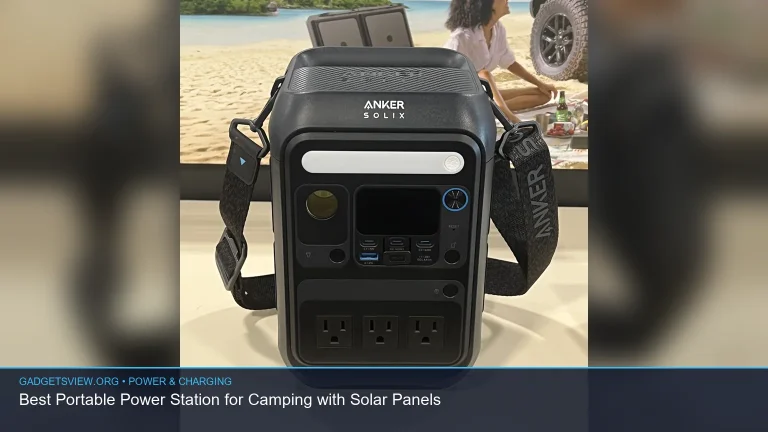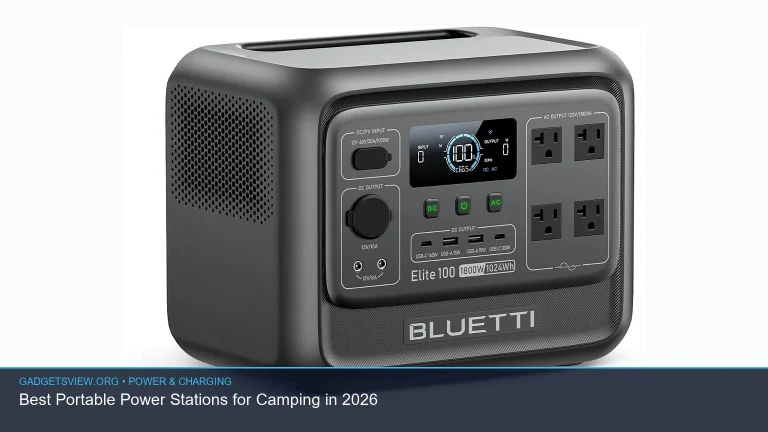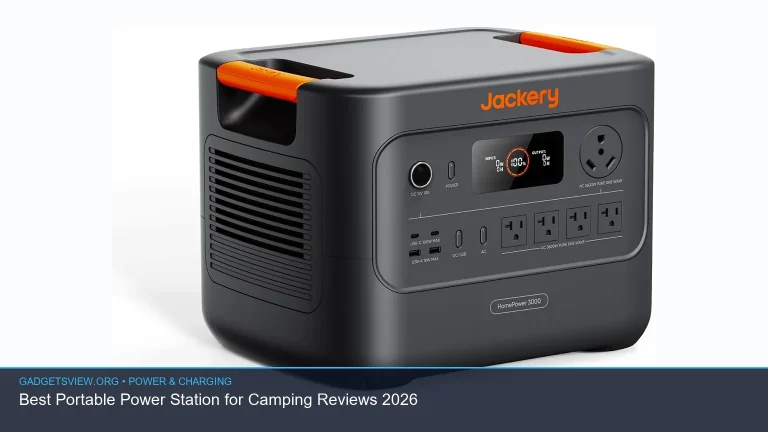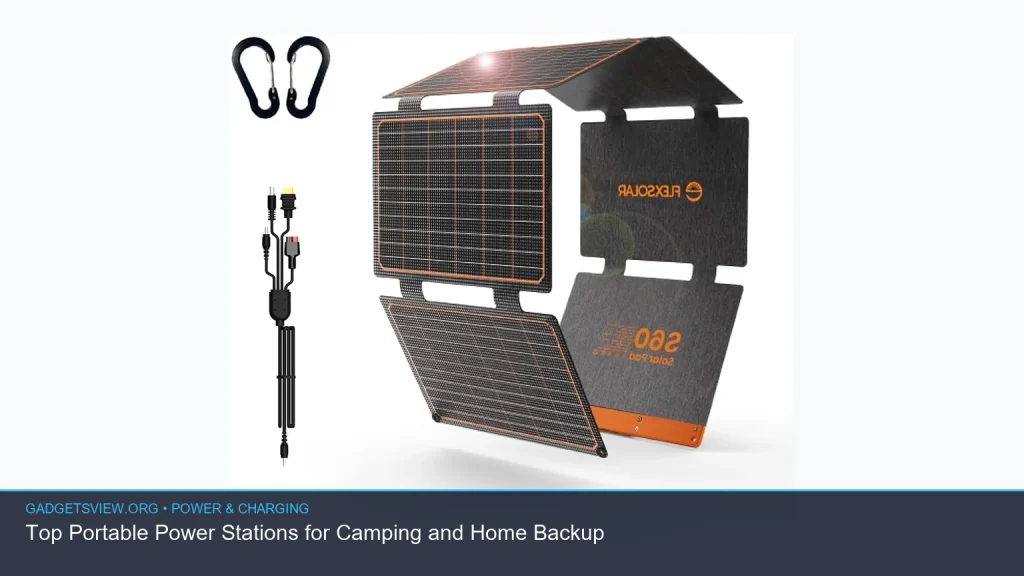
If you want to recommend top portable power stations for camping and home backup, the best choice is the one that fits your power needs, charging habits, and budget. For camping, portability and quiet operation matter most. For home backup, output, battery size, and recharge options become more important. This guide shows how to compare the right features, what to prioritize, and which type of power station fits each use case so you can make a smart purchase with confidence.
📖 Table of Contents
- What a Portable Power Station Should Do Well
- How to Choose the Right Size for Camping and Home Backup
- Portable Power Station Comparison Framework
- Best Features for Camping Buyers
- Best Features for Home Backup Buyers
- Selection Criteria: What Matters Most Before You Buy
- Who Should Choose What
- FAQ
- Conclusion
📌 Key Takeaways
- Choose a portable power station based on your real loads first, then look at battery size, output, and recharge speed.
- For camping, lighter units with enough AC and USB output are usually a better fit than oversized backup models.
- For home backup, look for higher watt output, useful surge handling, and charging options that work during an outage.
- The best value is not always the biggest battery. The right balance of portability, capacity, and ports matters more.
What a Portable Power Station Should Do Well
A portable power station is a battery-based power source that can run small appliances, charge devices, and support backup needs during outages. Unlike gas generators, these units are quiet, indoor-friendly, and easier to use in a campsite or home emergency. The main question is not whether you need one, but how much power you need it to deliver.
Start by matching the unit to the items you want to run. Phones, tablets, lights, fans, and laptops are simple loads. Mini coolers, CPAP machines, coffee makers, and power tools require more output and more careful planning.
Key features to compare
Before you buy, focus on a few core traits. These are the specs that usually matter most for camping and backup use.
- Battery capacity: How much energy the unit stores. Higher capacity can power devices longer.
- Output wattage: How much power it can supply at one time. This affects what you can run.
- Surge capability: Some appliances need a short burst of extra power to start.
- Port mix: AC outlets, USB-A, USB-C, and 12V DC ports each serve different gear.
- Recharge options: Wall charging, car charging, and solar input add flexibility.
- Weight and size: Very important if you plan to carry the unit to a campsite.
How to Choose the Right Size for Camping and Home Backup
The easiest way to choose is to list your devices and estimate how long you want them to run. A phone and LED light setup needs far less capacity than a refrigerator or CPAP machine. If you do not know your exact wattage, check the label on each device or the owner’s manual.
For camping, many people prefer a lighter, mid-size station that can handle lights, phones, cameras, and a small fan. For home backup, it often makes sense to move up to a larger unit that can support more devices for longer periods. If you want to keep essential items on during an outage, think in terms of priorities rather than whole-home coverage.
| Use Case | Best Fit | What to Prioritize |
|---|---|---|
| Weekend camping | Light to mid-size unit | Portability, USB-C, quiet operation |
| Family camping | Mid-size to larger unit | Multiple outlets, better capacity, faster recharge |
| Home emergency backup | Larger unit | Higher output, surge support, dependable recharge options |
| Laptop and device charging | Compact unit | USB-C, easy carrying, simple controls |
Portable Power Station Comparison Framework
Because no product listings were supplied, the most useful comparison is a buying framework you can apply to any model. This keeps the decision focused on fit rather than brand hype. Use it to narrow down your shortlist quickly.
| Factor | What Good Looks Like | Limitation to Watch For |
|---|---|---|
| Capacity | Enough runtime for your essential devices | Big battery can mean more weight and higher cost |
| Continuous output | Handles your highest-watt item without strain | Low output limits what you can run at once |
| Recharging | Easy to recharge from wall, car, or solar | Slow recharge can be frustrating during outages |
| Portability | Easy to carry and store | Smaller units may not meet home backup needs |
| Port selection | Multiple charging options for different devices | Too few ports creates workarounds and limits flexibility |
Best Features for Camping Buyers
Camping buyers should think about comfort and convenience. A power station that is too heavy may stay in the car instead of coming to the campsite. A compact model with enough USB-C and AC output can be the better real-world choice, even if it has less total capacity.
Quiet operation is also a big plus. Since these units do not rely on fuel combustion, they are typically better suited for campgrounds where noise and fumes are a concern. That makes them a strong option for powering lights, charging phones, and keeping small electronics ready.
Camping-friendly strengths
- Easy to carry and store in a vehicle
- Useful for lights, phones, tablets, and cameras
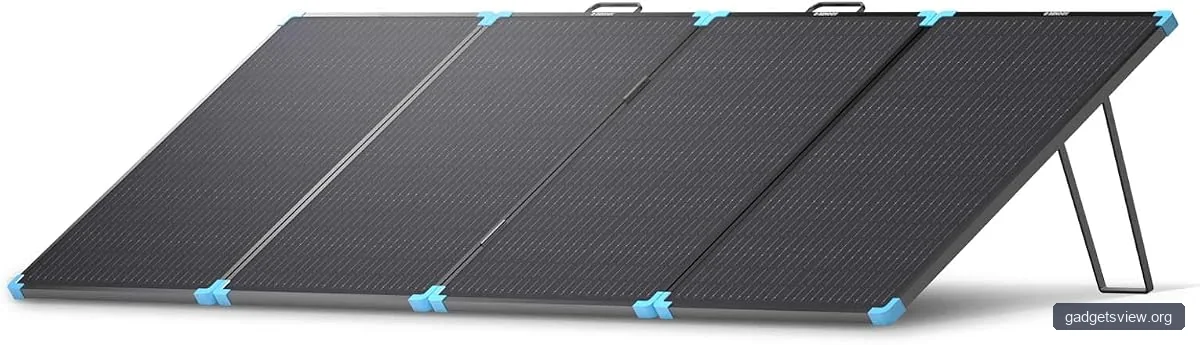
- Often supports solar charging for longer trips
- Good fit for quiet campgrounds and shared spaces
Camping limitations to consider
- Very small units may not last through a full weekend
- Large models can be awkward to move around
- Some devices may need more AC output than a compact unit can provide
Best Features for Home Backup Buyers
For home backup, the goal is different. You are less concerned with carrying the unit and more focused on keeping essentials running. That may include internet gear, phones, medical devices, lamps, a fan, or a small appliance for a limited time.
Here, the best portable power stations usually offer stronger output, more stable runtime, and flexible charging. A model that can recharge quickly from wall power is helpful before an outage, while car or solar charging can extend usefulness during longer disruptions.
Home backup strengths
- Can keep critical electronics running during a power outage
- Works indoors without fumes or fuel storage
- Useful for short outages and emergency support
- Can reduce stress when used with a clear device priority list
Home backup limitations to consider
- Not every unit can support large appliances
- Battery runtime drops fast with high-watt loads
- Whole-home backup usually requires a different setup
Selection Criteria: What Matters Most Before You Buy
If you want a simple decision process, use this order. First, identify the highest-watt device you need to run. Next, confirm the station can handle that load. Then decide how much runtime you need and whether you value portability more than longer backup time.
After that, compare charging methods. A good portable power station should be easy to refill in your normal routine. If you expect outages, solar readiness and fast wall charging are especially useful.
- List your essential devices. Include phones, lights, fans, routers, and any special items.
- Check wattage. Use the label or manual for each device.
- Estimate runtime. Decide how long each item needs power.
- Match the output. Make sure the power station can support your highest-demand device.
- Check ports and recharge options. Look for the connections you will actually use.
- Balance size against convenience. Do not buy more battery than you can reasonably carry or store.
Who Should Choose What
If your main goal is camping, choose a smaller or mid-size station that is easy to carry and has the right mix of USB and AC ports. That gives you enough flexibility without making the unit a burden. If you mainly need home backup, choose a larger model that can support essential devices longer and recharge in a way that fits your emergency plan.
For buyers who want one device for both uses, a mid-size power station is often the best compromise. It may not be the lightest option for the trail or the largest option for outages, but it can serve both jobs reasonably well. That makes it a practical choice for many households.
FAQ
How do I know what size portable power station I need?
Start with the devices you want to power, then check their wattage and how long you want them to run. Smaller loads like phones and lights need much less capacity than appliances or medical equipment. If you are unsure, choose based on your highest-watt device and verify details in the product manual before buying.
Can a portable power station run a refrigerator?
Some larger units may be able to run a refrigerator, but it depends on the fridge’s startup surge and the power station’s output. Check both the continuous watt rating and surge rating before you buy. For important backup needs, confirm the appliance specs in the owner’s manual.
Are portable power stations better than gas generators for camping?
For many campers, yes. They are quieter, easier to use, and better suited for places where fumes and noise are a concern. Gas generators may still make sense for higher-demand jobs, but for lights and electronics, portable power stations are often the cleaner choice.
Can I use solar panels to recharge a portable power station?
Many models support solar input, but not all do. If solar charging matters to you, verify the input limits and connector type before purchase. Solar can be helpful for long camping trips and emergency use, but it usually depends on weather and panel quality.
Is a bigger battery always better?
No. A bigger battery gives you more runtime, but it also usually adds weight, cost, and bulk. For camping, a lighter unit may be much easier to live with. For home backup, more capacity can help, but only if the output also matches your needs.
Conclusion
The best way to choose a portable power station is to focus on your real use case first. Camping buyers should lean toward portability and ease of use, while home backup buyers should prioritize output, runtime, and recharge flexibility. If you want to recommend top portable power stations for camping and home backup with confidence, compare capacity, wattage, ports, and charging options before you buy.
Next, make a short list of the devices you need to power, check their wattage, and decide whether you care more about light weight or longer backup time. That simple process will lead you to the right category of power station without wasting time on models that do not fit your needs.