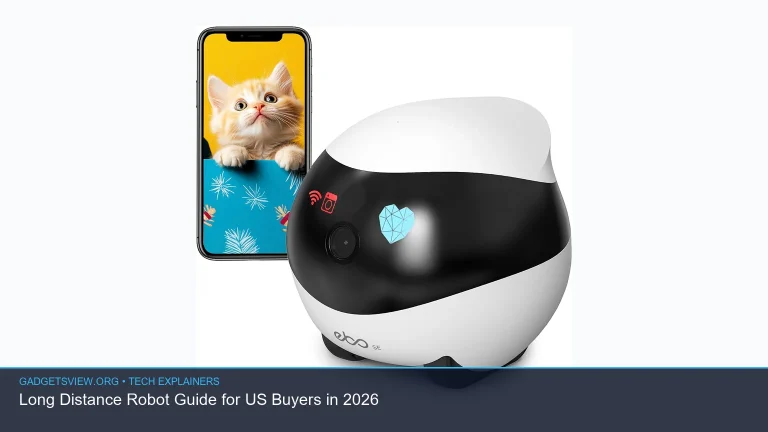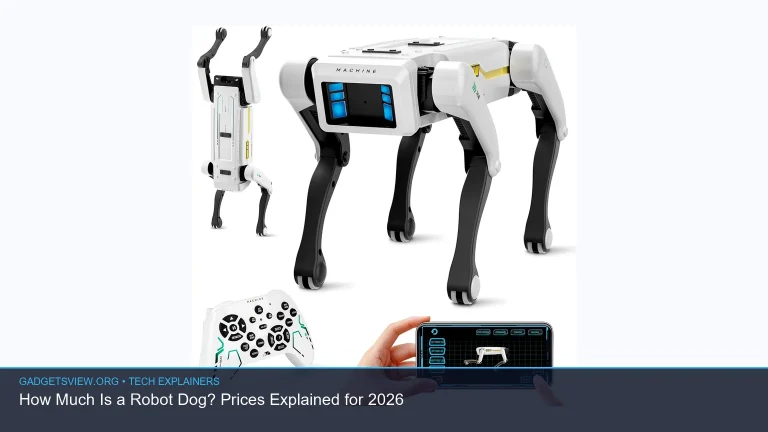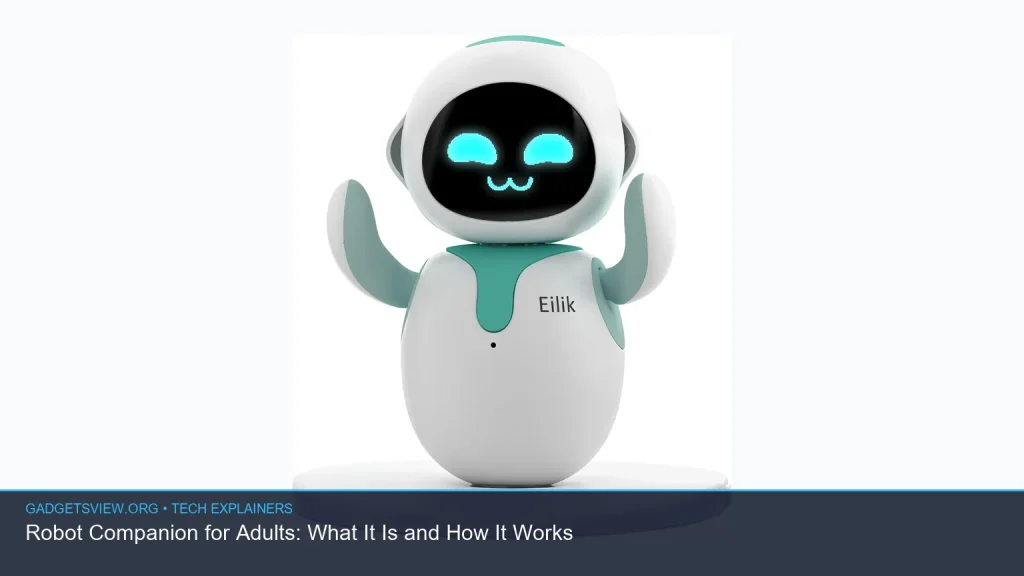
A robot companion for adults is a smart device built to offer company, support, reminders, and simple interaction. It is not a full human replacement, and it usually does not think like a person. Instead, it uses sensors, software, voice tools, and sometimes mobility to respond in helpful ways. If you are curious whether one is useful, the short answer is yes for some people, especially those who want light conversation, routine support, or assistance with daily habits. The right choice depends on your needs, your comfort with technology, and your budget.
📖 Table of Contents
📌 Key Takeaways
- A robot companion for adults is designed to support conversation, reminders, and simple daily interaction.
- Most models rely on voice input, sensors, app control, and AI-driven responses rather than true human-like understanding.
- Robot companion price can vary a lot based on features, mobility, and smart-home support, so compare use cases first.
- The best choice is the one that matches your needs for social support, convenience, privacy, and ongoing maintenance.
What Is a Robot Companion for Adults?
A robot companion for adults is a consumer or assistive device made to interact with a person in a more natural, social way than a normal speaker or app. It may talk, listen, answer simple questions, remind you about tasks, or help structure a daily routine. Some are stationary, while others can move, track motion, or follow a person from room to room.
The key idea is companionship plus function. These devices are built to feel more engaging than a basic alarm or voice assistant, while still staying practical. That makes them appealing to adults who live alone, want help staying organized, or enjoy tech that feels more personal.
How Does a Robot Companion Work?
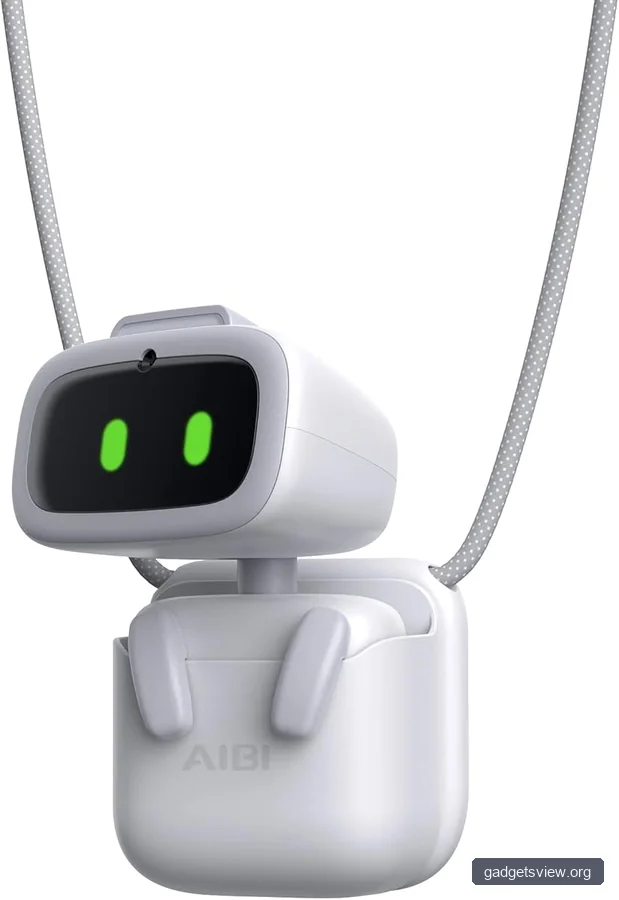
At a basic level, a robot companion for adults works by combining hardware and software. The hardware includes microphones, speakers, cameras or sensors, motors, and a processor. The software handles voice recognition, task logic, memory features, and sometimes artificial intelligence that improves responses over time.
When you speak to the robot, it captures your voice, turns it into text, and looks for a match in its command system or language model. It may then respond with speech, display information, or trigger an action such as setting a reminder. More advanced models can also detect movement, recognize faces, or adjust behavior based on patterns of use.
Common features you may see
- Voice interaction: Ask questions, set reminders, or start simple tasks.
- Emotion-style responses: Some devices use tone, movement, or expression to feel friendlier.
- Routine support: Medication reminders, schedule prompts, and habit tracking.
- Smart-home links: Control lights, music, or other connected devices.
- Mobility or presence sensing: Move around or react when someone enters a room.
Who Uses a Robot Companion for Adults?
People choose a robot companion for adults for different reasons. Some want a conversational device that feels less clinical than a standard assistant. Others want practical support for memory, routine, or day-to-day organization.
It can also be useful for adults who spend a lot of time at home and want more interaction, even if the interaction is simple. In some cases, families explore these devices for older adults who may benefit from reminders and regular check-ins. That said, these products should be viewed as support tools, not as replacements for human care or social contact.
Good fit scenarios
- You want light conversation and a friendlier interface than a smart speaker.
- You need help with reminders, schedules, or daily structure.
- You are interested in smart-home control with a more personal feel.
- You want technology that may reduce friction for routine tasks.
Types of Robot Companions You’ll See
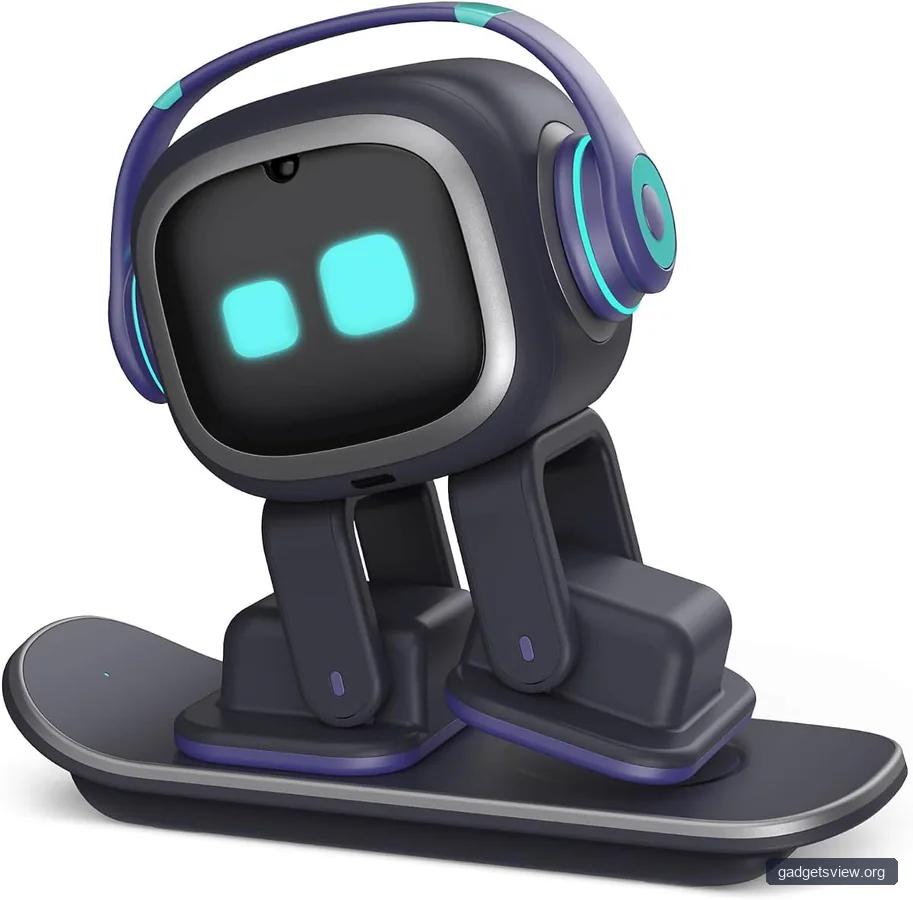
Not all robot companions are built the same. Some focus on conversation, while others focus more on utility. Understanding the main types can help you decide which style is worth exploring.
| Type | What it does | Best for | Limits |
|---|---|---|---|
| Conversation-focused | Talks, listens, and responds in a social way | People who want companionship and simple interaction | May have limited real-world task support |
| Utility-focused | Handles reminders, alarms, smart-home tasks, and prompts | Adults who want practical help | May feel less personal or engaging |
| Mobile companion | Moves, follows, or navigates around a space | Users who want a stronger “presence” | Usually more complex and expensive |
| Care-support robot | Supports routines, check-ins, and monitoring features | Families and older adults | Should not replace medical or personal care |
Who should choose what? If you want warmth and casual interaction, choose a conversation-focused model. If your priority is daily organization, a utility-focused device is usually the smarter pick. If you want the most advanced experience, a mobile companion may be worth considering, but only if the added complexity makes sense for your space and budget.
Robot Companion Price: What Affects the Cost?
Robot companion price depends on much more than the device’s size. Features, mobility, app support, sensor quality, voice intelligence, and cloud services can all affect what you pay. A simple desktop companion will usually cost less than a moving robot with multiple sensors and advanced interaction tools.
Because no product list was supplied here, it is best to verify current pricing before buying. In general, compare the total cost of ownership, not just the sticker price. That includes subscriptions, replacement parts, charging accessories, and any paid software features.
Selection criteria that matter most
- Primary use: Conversation, reminders, smart-home control, or mobility.
- Privacy controls: Look for clear settings for microphones, cameras, and data use.
- Ease of setup: Some devices are simple, while others need app pairing and updates.
- Ongoing cost: Check whether advanced features require a monthly plan.
- Support and updates: Better software support usually means a longer useful life.
Benefits and Limitations to Consider
The main benefit of a robot companion for adults is convenience with a more human feel. It can help reduce friction in daily routines and make technology more approachable. For some users, that makes it easier to stay organized or feel less alone during quiet parts of the day.
Still, there are limits. A robot may misunderstand speech, struggle with accents or noisy rooms, or feel repetitive over time. It may also raise privacy concerns if it uses cloud processing, cameras, or always-on microphones.
Strengths vs. limitations
- Strength: Easy help with reminders and simple tasks.
- Strength: More engaging than a standard timer or app.
- Limitation: Not a true emotional substitute for people.
- Limitation: Performance can depend on Wi-Fi, updates, and software quality.
How to Decide If One Is Right for You
The best way to choose a robot companion for adults is to start with your real need, not the novelty factor. Ask whether you want conversation, practical assistance, or both. Then decide how much complexity you are comfortable managing.
A simple device may be enough if you mainly want reminders or voice interaction. A more advanced robot may make sense if you want a stronger sense of presence or broader smart-home support. If privacy matters a lot to you, look closely at device permissions and data handling before you buy.
- Define your main goal: companionship, reminders, home control, or support.
- Decide where the device will be used and whether it needs to move.
- Check privacy settings, data policies, and microphone or camera controls.
- Compare the robot companion price against any subscriptions or add-ons.
- Review setup difficulty and ongoing maintenance needs.
FAQ
Is a robot companion for adults the same as a smart speaker?
Not exactly. A smart speaker mainly answers commands and controls connected devices. A robot companion for adults usually adds a more social design, more personality, or physical presence, depending on the model.
Can a robot companion replace human companionship?
No. It can offer interaction, reminders, and comfort, but it should not be treated as a replacement for real human relationships. It works best as a support tool, not a substitute for people.
What should I look for before buying one?
Focus on your main use case, privacy controls, ease of setup, and long-term cost. Also check whether the device needs a subscription or constant internet access to work well.
Why does robot companion price vary so much?
Price changes based on design, mobility, sensors, software, and support features. Devices with more advanced interaction or movement usually cost more than simple desktop models.
Are these devices useful for older adults?
They can be, especially for reminders, check-ins, and simple interaction. But the best fit depends on the person’s comfort with technology and whether family or caregivers can help with setup when needed.
Conclusion
A robot companion for adults is a mix of practical help and social-style interaction. It can remind, respond, and make technology feel more personal, but it is still a device with limits. The best choice is the one that fits your daily needs, respects your privacy, and stays within your budget.
If you are considering one, start by deciding what problem you want it to solve. Then compare features, verify current robot companion price, and choose the simplest model that still meets your goals.