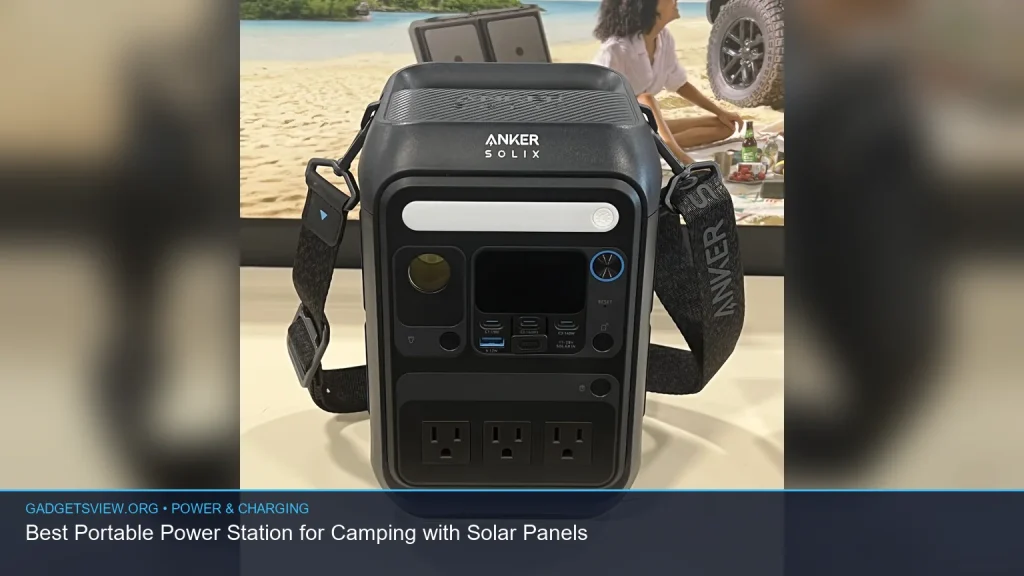
If you want the best portable power station for camping with solar panels, the right choice depends on how you camp, what you charge, and how much sun you can count on. For most campers, the sweet spot is a unit that is easy to carry, has enough battery capacity for lights and phones, and supports solar input so you can recharge off-grid. This guide explains what matters, what to avoid, and how to match a power station to your camping style.
📖 Table of Contents
- What Makes a Portable Power Station a Good Fit for Camping?
- How to Choose the Right Size for Your Camping Style
- Why Solar Panels Change the Decision
- Strengths and Limitations of Solar-Powered Camping Systems
- Who Should Choose What?
- How to Compare Options Without Getting Lost in Specs
- Common Mistakes to Avoid When Buying for Camping
- FAQ
- Conclusion
📌 Key Takeaways
- Choose a portable power station based on your actual camping needs, not just peak wattage or battery size.
- Solar compatibility matters most when the unit supports efficient input, simple setup, and realistic recharge expectations.
- For car camping, a mid-size power station is often the best balance of weight, runtime, and solar charging ease.
- For longer trips or heavier loads, look for higher capacity, faster recharging, and the ability to expand with more solar panels.
What Makes a Portable Power Station a Good Fit for Camping?
A portable power station for camping with solar panels should do three things well: store enough energy, deliver the right output ports, and recharge smoothly from the sun. If one of those pieces is weak, the whole setup becomes less useful in the field. The best option is usually the one that matches your gear, not the one with the biggest number on the box.
Start by thinking about what you need to power. A weekend camper may only need lights, a phone, a camera, and a small fan. A more demanding setup may include a cooler, CPAP machine, laptop, or drone charger, which changes the size and output you need.
Key features to look for
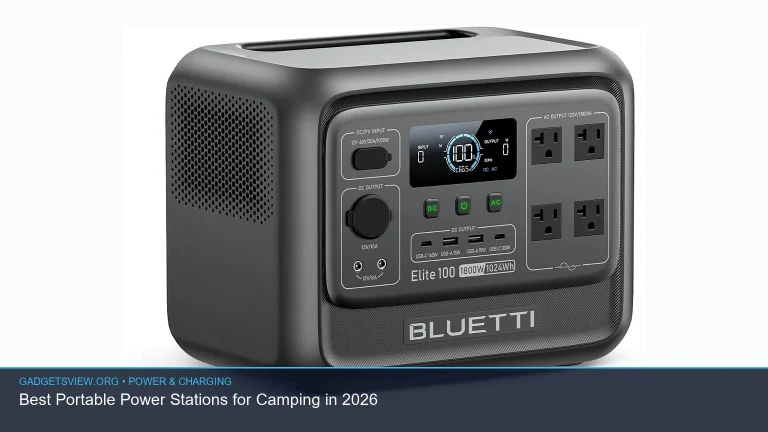
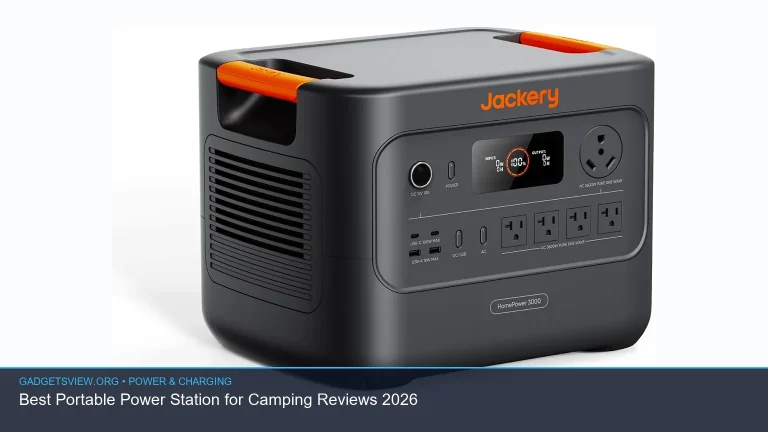
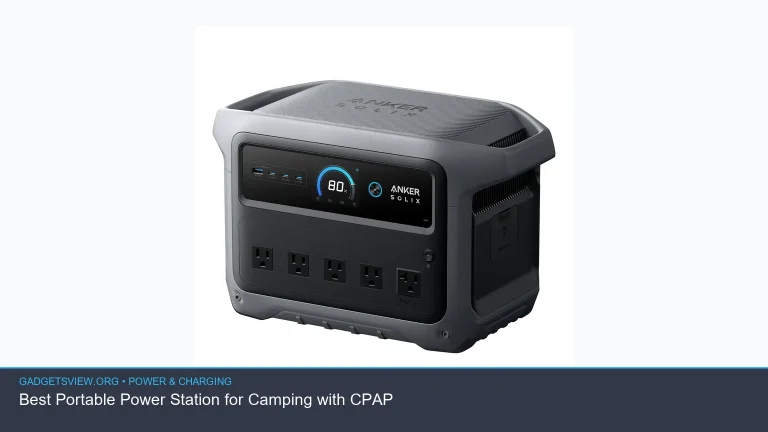
- Battery capacity: Higher capacity means more runtime, but also more weight.
- AC output: Useful for laptops and small appliances.
- USB-C and USB-A ports: Handy for phones, tablets, and accessories.
- Solar input support: Check input voltage range, watt limit, and connector type.
- Weight and handle design: Important if you move camp often.
- Battery chemistry: Many campers prefer lithium iron phosphate for long cycle life, but always verify the model details before buying.
How to Choose the Right Size for Your Camping Style
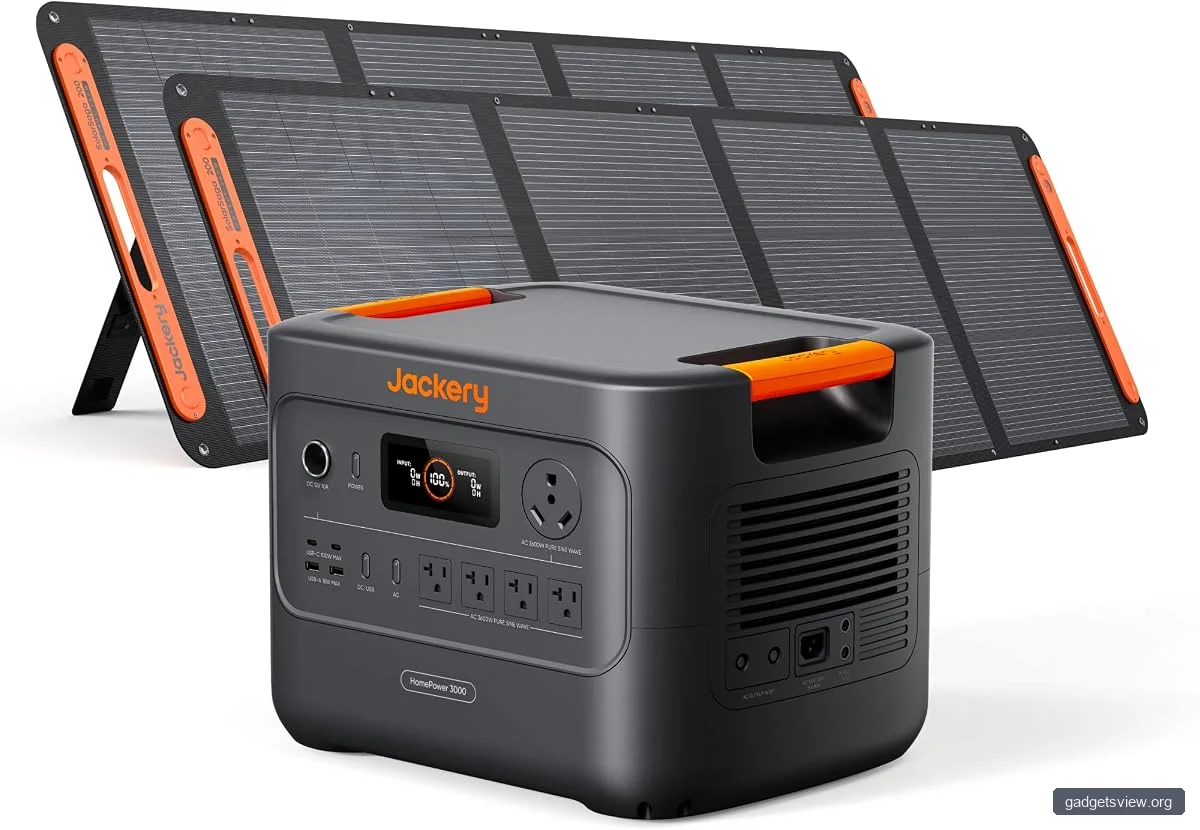
The best portable power station is not always the largest one. A huge unit may give you more power, but it can be too heavy for easy travel. A compact unit may be simple to carry, but it might not last through a full weekend if you charge multiple devices or run a small appliance.
Think in use cases. Day trips and short overnight stays usually need less capacity than multi-day basecamp trips. If you camp with a group, your power needs rise quickly because more phones, lights, and gadgets get added to the mix.
| Camping Need | Best Power Station Type | Why It Fits |
|---|---|---|
| Weekend tent camping | Compact to mid-size | Good for lights, phones, and small USB devices without excess weight |
| Car camping with gear | Mid-size | Balances capacity, portability, and solar recharge practicality |
| Extended off-grid stays | Larger capacity | Better for repeated charging and higher-energy devices |
| Light travel and emergency backup | Compact | Easy to carry and simple to store in a vehicle or pack |
Why Solar Panels Change the Decision
Solar charging is what makes a power station feel truly off-grid. But solar panels do not work like a wall outlet. Real-world charging depends on sun angle, cloud cover, panel size, cable length, and how much power the station can accept at once.
That means a model that is great on paper may still feel slow if its solar input is limited. When comparing options, look at both the station and the panels as one system. The best portable power station for camping with solar panels is the one that recharges at a realistic pace for your trip length.
What to verify before you buy
- Solar input range: Make sure the panel voltage and connector match the unit.
- Maximum solar wattage: Higher input can mean faster recharge, if the panel setup supports it.
- Charge controller support: Compatibility matters for safe, efficient charging.
- Panel portability: Foldable panels are easier to pack, but setup time still matters.
- Weather tolerance: Solar works best when you can place panels in direct sun without shade.
Strengths and Limitations of Solar-Powered Camping Systems
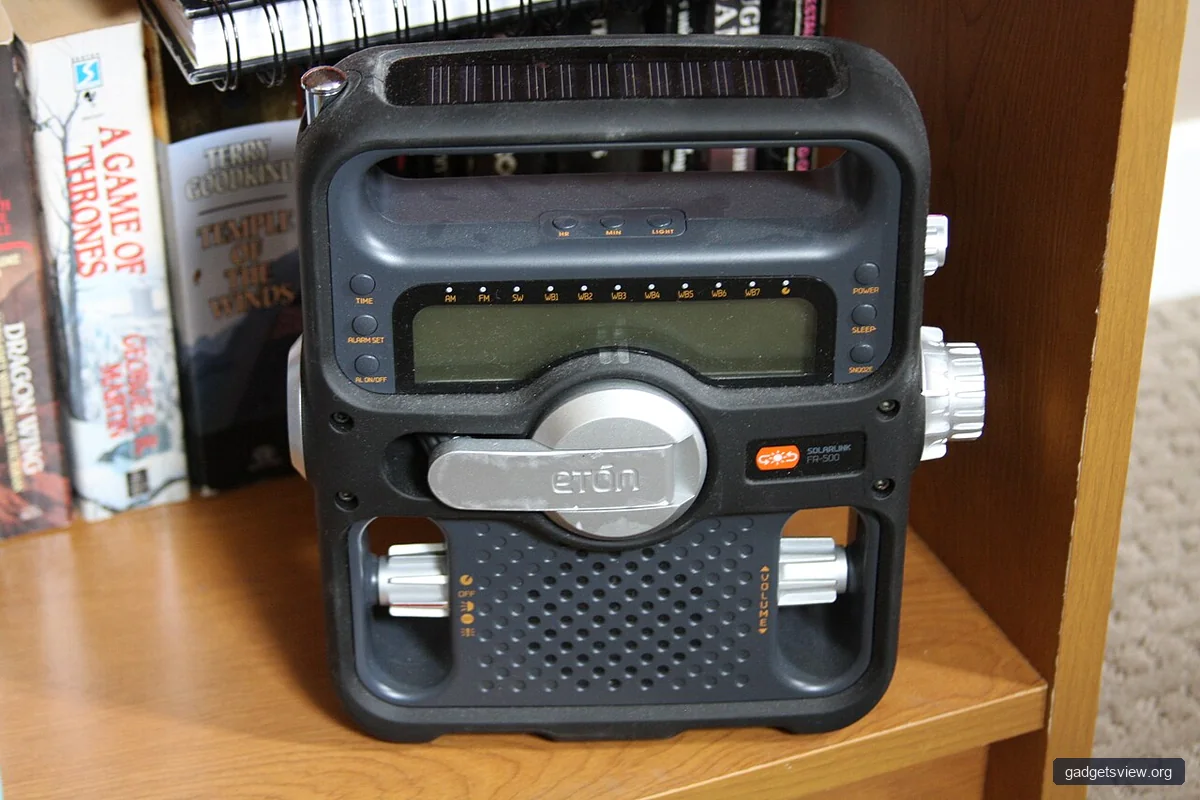
Solar power is excellent for longer stays, but it is not magic. It can reduce the need for fuel, keep batteries topped off, and make your campsite quieter. It also adds setup time, more gear to carry, and less predictable charging in poor weather.
Knowing the trade-offs helps you avoid disappointment. Many campers overestimate how much power they can collect in one day, especially in forested or cloudy areas. A realistic plan is better than a perfect spec sheet.
| Strengths | Limitations |
|---|---|
| Quiet operation compared with fuel generators | Solar charging speed depends heavily on sunlight |
| Useful for phones, lights, cameras, and small appliances | Heavier models can be awkward to carry |
| Works well for repeat charging on longer trips | Panels add cost, bulk, and setup time |
| Cleaner experience for many campsite rules and parks | Performance varies based on weather and shade |
Who Should Choose What?
If you camp light and pack fast, a compact power station is usually the smart move. If you base camp, travel by vehicle, or need to recharge more gear, a mid-size unit is often the best balance. If you rely on a lot of power for several days, a larger capacity system with strong solar input is the safer choice.
The right pick depends on your equipment and your tolerance for weight. Use the guide below to narrow it down before you shop.
| If You Are… | Choose This Type | Reason |
|---|---|---|
| A weekend camper with phones and lights | Compact unit | Easier to carry and usually enough for basic needs |
| A car camper with a few devices | Mid-size unit | Strong mix of portability and capacity |
| An off-grid camper with longer trips | Larger solar-ready unit | Better for more demanding power use and repeat recharging |
| A minimalist who values low weight | Smaller unit with USB-focused outputs | Simpler and easier to manage on the trail |
How to Compare Options Without Getting Lost in Specs
When shopping, use a simple checklist instead of chasing every feature. Start with battery capacity, then check output ports, then confirm solar compatibility. After that, look at weight, charge time, and whether the unit has useful safety protections.
A good comparison also includes how the device feels to use. Large handles, clear displays, and easy port layout matter more than many buyers expect. Simple design can be a real advantage at camp, especially after dark.
Practical selection criteria
- Estimate how many devices you need to charge and how often.
- Confirm the power station can handle those loads without strain.
- Check solar input limits and panel compatibility.
- Decide how much weight you can realistically carry or move.
- Compare recharge options so you are not dependent on one method.
Common Mistakes to Avoid When Buying for Camping
One common mistake is buying too much battery for too little need. That adds weight and cost without improving the trip. Another is buying a solar panel set that does not match the power station’s input range, which can slow charging or force unnecessary adapters.
It is also easy to overlook campsite conditions. Shade from trees, changing weather, and short daylight hours can all reduce solar performance. If your camping is often in wooded areas, you may want a larger battery reserve rather than relying only on solar input.
Quick troubleshooting guide
| Problem | Likely Cause | What to Do |
|---|---|---|
| Solar charging is very slow | Low sunlight, shade, or mismatched panel setup | Move panels to direct sun and verify compatibility |
| Battery runs out too soon | Capacity too small for the load | Reduce usage or choose a larger-capacity unit |
| Too heavy to carry | Unit is oversized for the trip | Switch to a smaller model or split power duties |
FAQ
How much battery capacity do I need for camping?
It depends on your gear. For phones, lights, and small accessories, a compact unit may be enough. For longer trips or larger devices, a mid-size or larger unit is often more practical.
Do solar panels fully recharge a power station while camping?
Sometimes, but not always. Full recharge depends on panel wattage, weather, direct sun, and the station’s solar input limit. In cloudy or shaded areas, expect slower results.
Is a bigger power station always better?
No. Bigger usually means heavier and less convenient to move. The best choice is the smallest unit that still meets your power needs with a little room to spare.
What matters more: the power station or the solar panel?
Both matter. The station sets storage and output, while the solar panel controls how fast you can refill it. They should be matched as a system.
Can I use a portable power station for camping and home backup?
Yes, many people use one for both. Just make sure the capacity and output fit both use cases. If you want a single unit for both purposes, prioritize versatility and recharge options.
Conclusion
The best portable power station for camping with solar panels is the one that fits your trip length, device load, and charging conditions. For many campers, a mid-size, solar-ready model offers the best balance of portability and usefulness. Before buying, match the battery size to your real needs and confirm that the solar panel setup is compatible.
Your next step is simple: list the devices you plan to power, estimate how often you will use them, and compare only the models that fit that load. That keeps the choice practical, avoids overspending, and helps you build a camping power setup that actually works in the field.
Featured image: Photo: TaurusEmerald / CC BY-SA 4.0 via wikimedia