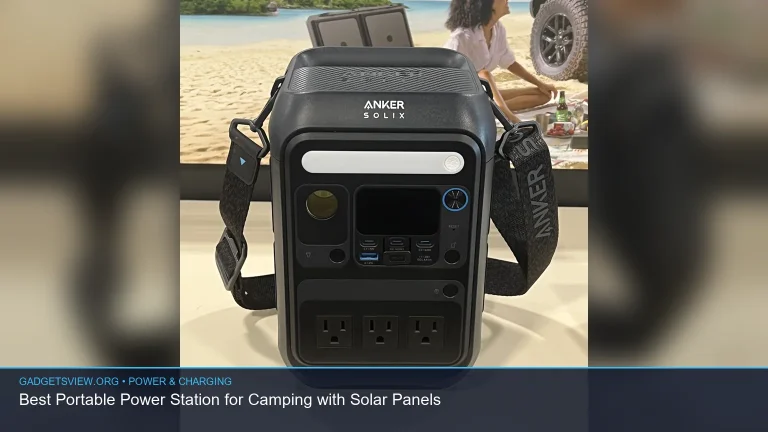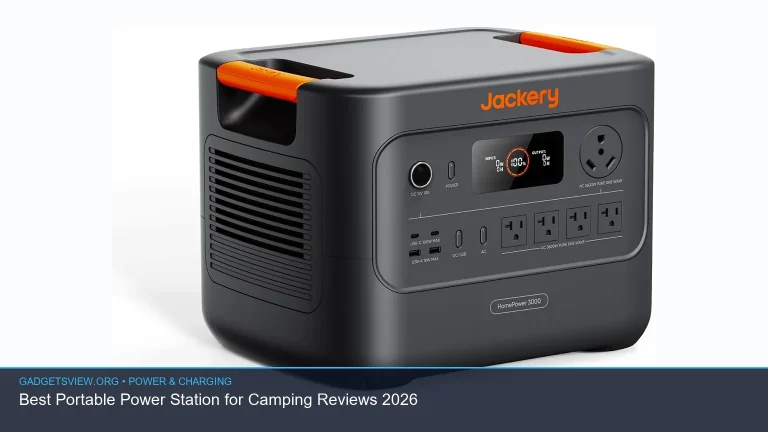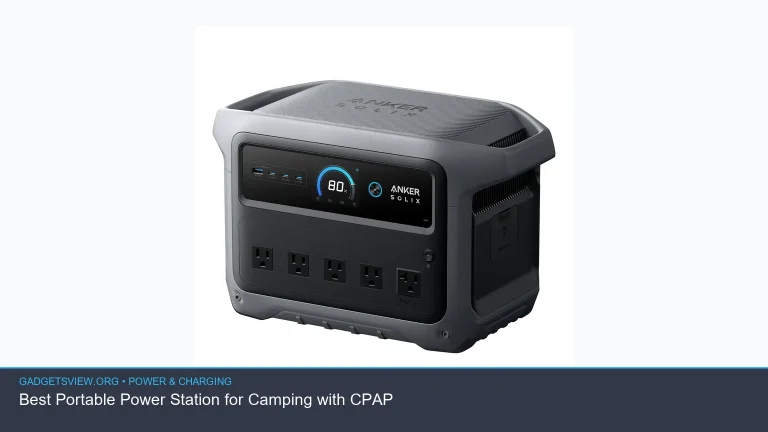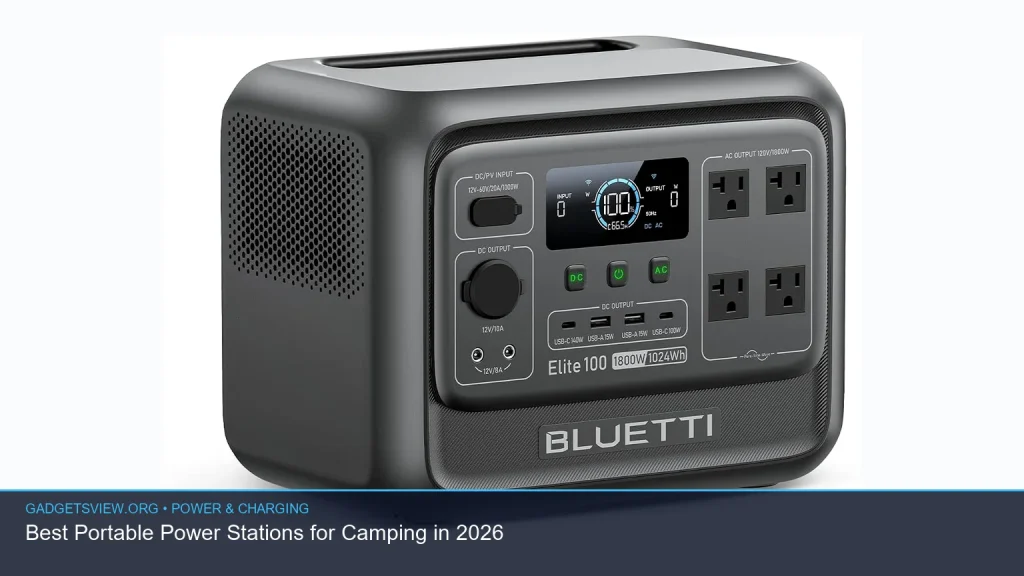
If you want the best portable power stations for camping in 2026, focus on real campsite needs first: battery size, output, charging speed, weight, and whether solar charging matters to you. The right pick depends on how long you stay out, what you need to power, and how portable it must be. For most campers, a mid-size LiFePO4 power station is the sweet spot. Larger units make sense for longer trips, CPAP use, or families running more gear.
📖 Table of Contents
- What to look for in a camping power station
- Best portable power stations for camping: top options to consider
- How the top camping power stations compare by use case
- The role of solar panels for camping power
- Strengths and limitations of portable power stations for camping
- Who should choose what
- FAQ
- Final verdict
Products mentioned
- BLUETTI Elite 100 V2 Portable Power Station for Camping 1024Wh 1800W
View current product details - Foldable Solar Panel 100W for Portable Power Station Laptop, Portable Solar Charger with Dual USB PD 65W IP67 Waterproof for Cell Phones, Tablets, Camera, Outdo
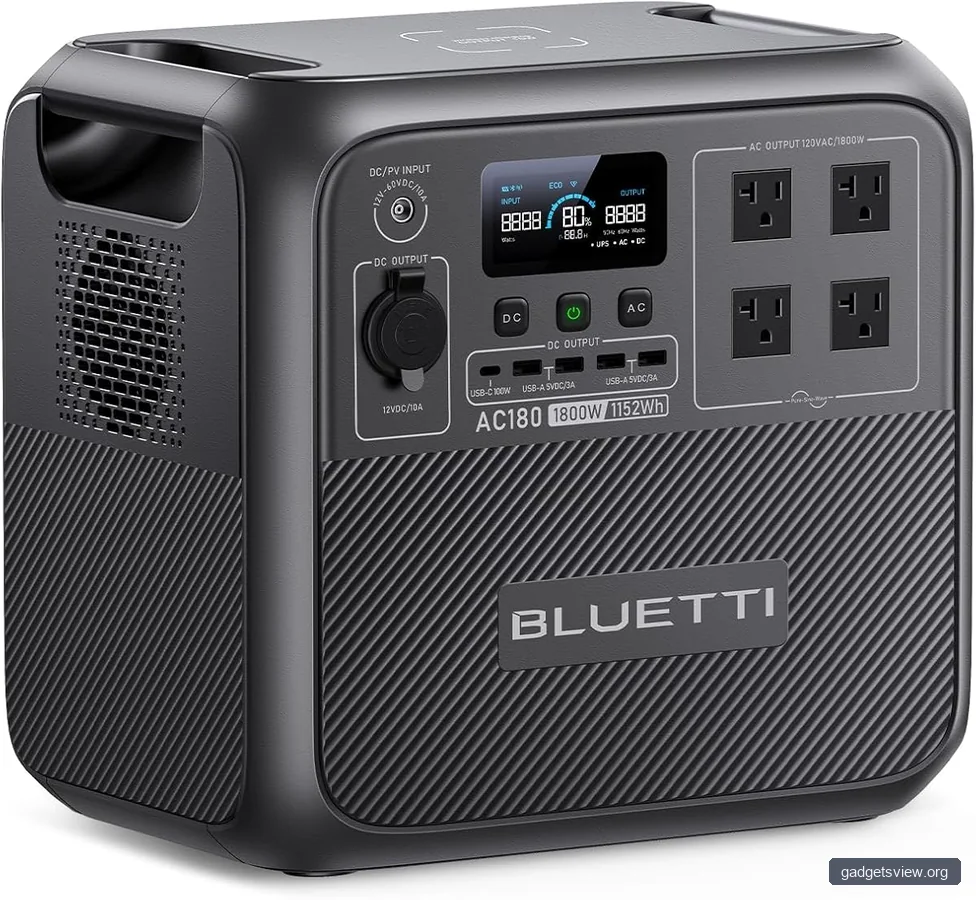
View current product details - BLUETTI Portable Power Station AC180, 1152Wh LiFePO4 Battery Backup w/ 2 1800W (2700W peak) AC Outlets, 0-80% in 45Min, Solar Generator for Camping, Off-grid, P
View current product details - Anker SOLIX C1000 Gen 2 Portable Power Station
View current product details - EBL 2400W Portable Power Station LiFePO4 Battery for Home Use
View current product details - 400W 31V Portable Solar Panel for Power Station,Foldable Solar Charger
View current product details
Availability, specifications, and prices can change; verify them on the product page.
📌 Key Takeaways
- For camping, the best portable power station is usually one that balances capacity, output, and easy carrying.
- LiFePO4 batteries are a smart choice for frequent campers because they are built for long-term use.
- If you camp off-grid, solar input matters as much as battery size.
- Choose based on your gear: lights and phones need far less power than coolers, laptops, or CPAP machines.
What to look for in a camping power station
The best camping power station is not always the biggest one. Start with the devices you plan to charge, then match that list to battery capacity and output. A small weekend kit may only need a compact unit, while a family camp setup often needs a larger model with faster charging.
Battery type matters too. LiFePO4 batteries are popular because they are designed for long cycle life and better durability than older battery styles. For camping, that usually means better long-term value if you plan to use the station often.
Selection criteria that matter most
- Capacity: Measured in watt-hours, this tells you how much energy the unit stores.
- Output: Make sure the AC and USB ports match your gear.
- Portability: Bigger is not better if you cannot carry it easily.
- Recharge options: Wall, car, and solar charging all add flexibility.
- Battery chemistry: LiFePO4 is a strong fit for repeat campers.
Best portable power stations for camping: top options to consider
Based on the product listings available, several models stand out for camping use. These listings show the kinds of units shoppers are comparing in 2026, but any final purchase should still be checked against the latest manufacturer details before buying.
| Model | Best for | Why it stands out | Potential limits |
|---|---|---|---|
| BLUETTI Elite 100 V2 Portable Power Station for Camping 1024Wh 1800W | Balanced camping use | A practical middle-ground size for lights, devices, and many small appliances | May be more than needed for very light packers |
| BLUETTI Portable Power Station AC180, 1152Wh LiFePO4 Battery Backup | Longer trips and heavier use | Larger capacity and strong AC output make it appealing for more demanding setups | Heavier and less portable than smaller units |
| Anker SOLIX C1000 Gen 2 Portable Power Station | Campers who want a modern, efficient all-rounder | A strong fit for common campsite electronics and travel flexibility | You should confirm exact port mix and charging details before purchase |
| EBL 2400W Portable Power Station LiFePO4 Battery for Home Use | Large power needs | High-output class may suit campers who also want backup at home | Likely less ideal for simple, lightweight camping |
Among these, the BLUETTI Elite 100 V2 and Anker SOLIX C1000 Gen 2 look like especially sensible picks for many campers because they sit in the useful middle range. The BLUETTI AC180 is a strong option if you want more headroom for heavier gear or longer unplugged stays. The EBL 2400W category makes more sense if your camping needs are closer to mobile backup power than minimalist travel.
How the top camping power stations compare by use case
When people ask for the best portable power stations for camping, they often mean one of three things: the lightest option, the best all-around option, or the largest one for serious off-grid use. The right answer depends on your campsite habits, not just the watt-hour number on the box.
| Camping need | Best fit | Why |
|---|---|---|
| Weekend camping with phones, lights, and cameras | BLUETTI Elite 100 V2 or Anker SOLIX C1000 Gen 2 | Good balance of size, output, and convenience |
| Longer off-grid trips | BLUETTI AC180 | More capacity can better support repeated charging and small appliances |
| Large family setup or emergency backup crossover use | EBL 2400W class | Higher output can help if your load is more demanding |
| Need solar charging in remote campsites | Any of the above with a compatible solar panel | Solar keeps you powered when shore power is not available |
The role of solar panels for camping power
Solar charging can make a big difference on multi-day trips. A foldable solar panel lets you refill power slowly during the day, which helps keep phones, lanterns, and other essentials going without relying only on stored battery power. For off-grid campers, that can be the difference between a full pack and an anxious one.
The research also points to two solar panel options that fit this use case: a Foldable Solar Panel 100W with dual USB PD charging and IP67 water resistance, and a 400W 31V Portable Solar Panel for Power Station. The 100W panel is the more portable choice, while the 400W class makes more sense when you want faster energy replenishment and have room to set up a larger array.
Which solar setup should you choose?
- 100W foldable panel: Best for lighter camping and topping off smaller devices.
- Higher-watt solar panel: Better for larger power stations and longer off-grid stays.
- Water resistance: Useful for real camping conditions, but still store gear carefully.
Solar input should match the station’s supported input range. That detail matters more than panel size alone. Always verify compatibility before buying, especially if you want faster charging or plan to chain panels together.
Strengths and limitations of portable power stations for camping
Portable power stations are excellent for quiet, fume-free campsite power. They are much easier to use than a fuel generator, and they work well for sensitive electronics. They also tend to be simpler for families because there is no fuel handling, pull-starting, or engine maintenance.
That said, they are not magic. A power station’s runtime is limited by its battery size and your appliance load. High-draw devices can drain smaller units fast, so realistic expectations are important before you buy.
Strengths
- Quiet operation
- No fuel or exhaust
- Good for phones, lights, tablets, cameras, and small appliances
- Solar-ready options work well for remote camping
Limitations
- Limited runtime for high-power appliances
- Heavier units can be difficult to move
- Solar charging depends on weather and panel size
- Specs and recharge times should always be verified before purchase
Who should choose what
If you want the simplest answer, start here. This is the quickest way to narrow the field without overbuying.
- Choose the BLUETTI Elite 100 V2 if you want a balanced camping power station that should suit many common weekend and family uses.
- Choose the BLUETTI AC180 if you need more battery capacity and want a stronger fit for longer stays or heavier use.
- Choose the Anker SOLIX C1000 Gen 2 if you want an all-around camping unit from a major brand and prefer a modern portable-power setup.
- Choose the EBL 2400W class if your camping setup is large, power-hungry, or you also want home backup capability.
- Choose a 100W foldable solar panel if portability matters most and your daily power needs are modest.
- Choose a 400W solar panel setup if you camp longer, recharge often, and want faster solar replenishment.
FAQ
How much capacity do I need for camping?
It depends on what you use. Phones, lanterns, and cameras need much less than coolers, laptops, or medical devices. For light camping, a mid-size unit is often enough, while longer off-grid trips usually benefit from a larger battery.
Is LiFePO4 better for camping?
Often, yes. LiFePO4 batteries are popular because they are durable and well suited to repeated use. That makes them a smart option if you camp often and want a long-term investment.
Can I run a mini fridge or cooler from a portable power station?
Possibly, but you need to check the appliance’s watt draw and starting surge, not just the battery size. Some coolers are easy to power, while others can drain smaller stations quickly.
Do I need solar for camping?
Not always. If you only camp for a night or two and charge at home before leaving, solar may be optional. If you camp off-grid for several days, solar becomes much more useful.
What matters more: battery capacity or output?
Both matter, but in different ways. Capacity tells you how long the station can run, while output tells you what it can power. For camping, you want enough of both for your gear.
Final verdict
The best portable power stations for camping in 2026 are the ones that match your actual trip style. For most buyers, a mid-size LiFePO4 model is the smartest starting point, with the BLUETTI Elite 100 V2, BLUETTI AC180, and Anker SOLIX C1000 Gen 2 standing out as practical camping-friendly options from the available research. If you plan to stay off-grid longer, add solar support and verify the latest specs before you buy. Start with your load list, then choose the smallest station that can handle it comfortably.