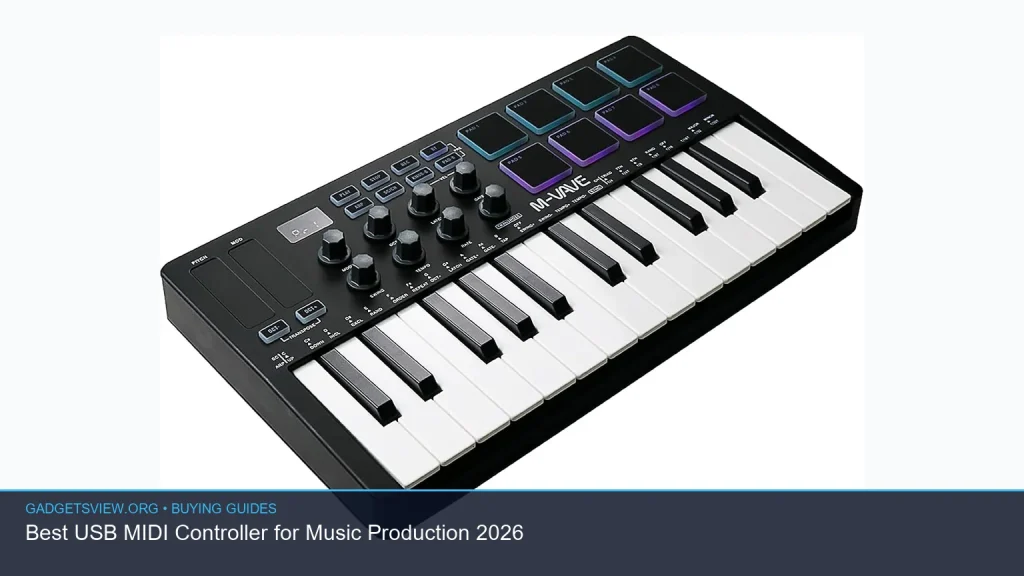
Choosing the right usb midi controller can make music production faster, cleaner, and more fun. The best pick depends on your space, workflow, and whether you need keys, pads, portability, or hands-free control. For most home producers, a compact keyboard controller is the best place to start. If you travel often or work in a small studio, a portable midi controller or small midi controller may be the smarter choice. Below, you’ll find the key buying factors, practical product types, and a clear path to the right fit.
📖 Table of Contents
Products mentioned
- Akai Professional LPK25 25-Key USB MIDI Keyboard Controller
View current product details - Akai Professional MPK Mini IV 25-Key USB-C MIDI Keyboard Controller, White
View current product details - Akai Professional MPK Mini IV 25-Key USB-C MIDI Keyboard Controller, Black
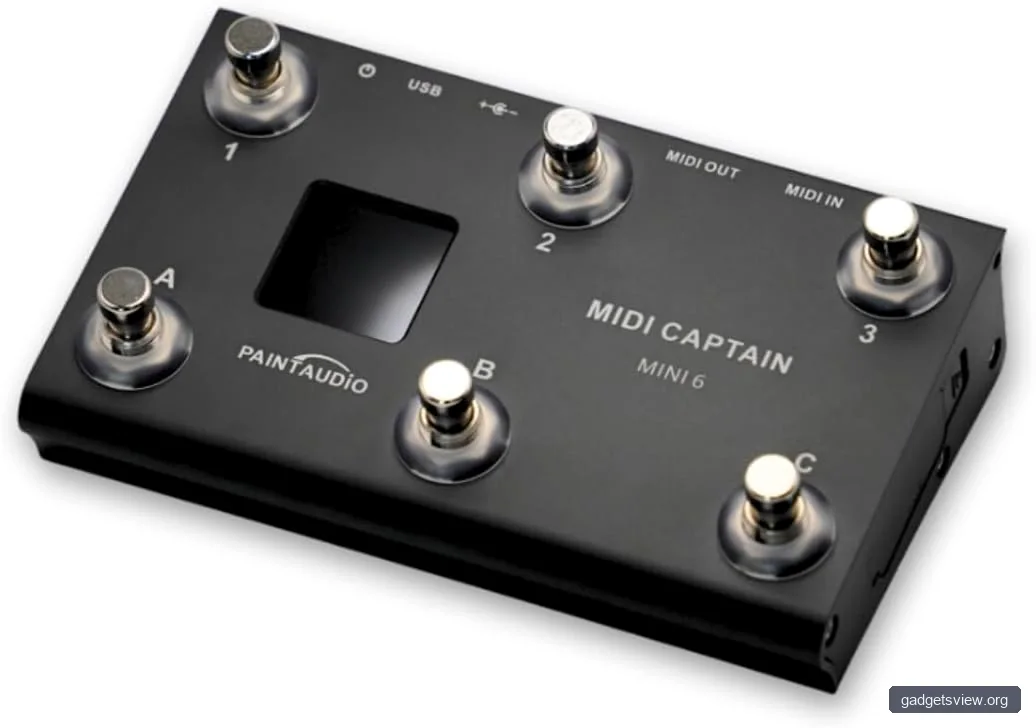
View current product details - PAINTAUDIO MIDI Captain Foot Controller Multi-Effects Keyboards Synthesizer USB-MIDI musical software Bias with Time Engine Function Support all PC/CC/Note comm
View current product details - M-VAVE 25 Key USB MIDI Keyboard Controller with 8 Backlit Drum Pads, Piano Keyboard Wireless Semi Weighted Professional Dynamic Keybed, 8 Knobs, Software Includ
View current product details - Paint Audio MIDI Captain MINI 6 Foot Controller Multi-Effects Keyboards Synthesizer USB-MIDI DAW DSP Software USB-HID Support Multi-state Switch Cycling(MIDI Ca
View current product details
Availability, specifications, and prices can change; verify them on the product page.
📌 Key Takeaways
- For most music producers, a compact usb midi controller with 25 keys is the best balance of size and control.
- If you make beats, look for pads, knobs, and DAW controls. If you play melodies, key feel matters most.
- Portable and small midi controllers are ideal for laptops, travel, and tight desk setups.
- Hands-free foot controllers can be useful for live looping, synth control, and performance workflows.
What a USB MIDI Controller Should Do for You
A usb midi controller sends note and control data to software instruments, synths, and digital audio workstations. It does not make sound on its own unless it is paired with software or hardware that responds to MIDI data. That means the best choice is the one that fits how you make music, not just the one with the most features.
If you mainly sketch melodies, a simple keyboard controller can be enough. If you build beats, you may want drum pads and knobs for finger drumming and plugin control. If you perform live or want a hands-free option, a foot-based controller can be a strong niche choice.
Best USB MIDI Controller Types for Music Production
The right controller category often matters more than the brand name. Here are the main types you’ll see when shopping.
| Type | Best For | Main Strength | Main Limitation |
|---|---|---|---|
| 25-key keyboard controller | Beginners, laptop studios, travel | Compact and easy to place | Limited range for two-handed playing |
| Pad-and-knob controller | Beatmakers, finger drummers | Better for triggering samples and mixing | Keys may feel secondary |
| Portable midi controller | Mobile producers, limited desk space | Easy to carry and store | Often fewer controls |
| Foot controller | Live performers, loopers, multi-taskers | Hands-free operation | Not a full keyboard replacement |
For many buyers, the sweet spot is still a compact keyboard controller. That is why products like the Akai Professional LPK25 25-Key USB MIDI Keyboard Controller and the Akai Professional MPK Mini IV 25-Key USB-C MIDI Keyboard Controller show up so often in searches. They fit the use case of a small midi controller without taking over the desk.
How to Choose the Right USB MIDI Controller
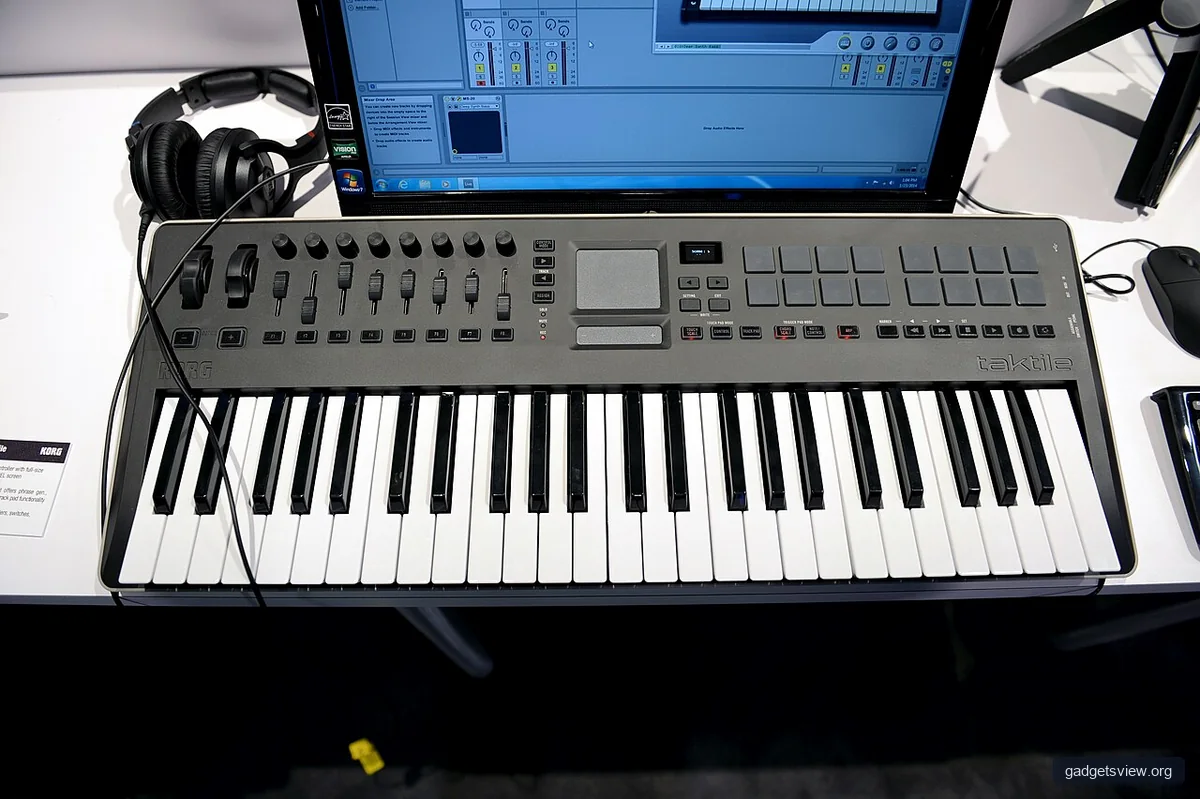
Start with your workflow. Do you record melodies, program drums, automate effects, or perform live? Once you know that, the feature list becomes easier to judge.
1) Decide how much keyboard range you need
A 25-key controller is common for portability and quick ideas. It works well for bass lines, chords in one hand, and simple melodies. If you regularly play full two-hand parts, you may want more keys than a compact portable midi controller provides.
2) Look at performance controls
Pads are useful for drums and clip launching. Knobs help with filter sweeps, plugin mixing, and parameter control. If you do a lot of sound design or beat work, these controls can matter as much as the keys.
3) Check the connection type
Most buyers today should look for a USB-C or USB connection that works well with modern computers. Some models also mention wireless or software bundles, but the best choice depends on your setup and the devices you already use. Always verify compatibility with your DAW and operating system before buying.
4) Consider key feel and build
Some controllers use mini keys, while others aim for a more expressive feel. Semi-weighted options can appeal to players who want a more piano-like response, but they can add size. If desk space is tight, a small midi controller may be the more practical choice.
5) Think about software support
Many controllers include software, but bundled apps change over time. Treat software as a bonus, not the main reason to buy. The real value is how well the usb midi controller fits your workflow every day.
Product Shortlist: Which Option Fits Which Buyer?
Based on the product names found in research, these are the most relevant choices for common buyer profiles. Since current specs can change, confirm details on the seller page before purchase.
| Product | Best Fit | Strengths | Limitations |
|---|---|---|---|
| Akai Professional LPK25 25-Key USB MIDI Keyboard Controller | Minimalist producers and travelers | Simple, compact, easy to carry | Less control than pad-heavy models |
| Akai Professional MPK Mini IV 25-Key USB-C MIDI Keyboard Controller, White | Beatmakers wanting an all-around compact controller | USB-C design and broad creative appeal | Small format can limit two-handed play |
| Akai Professional MPK Mini IV 25-Key USB-C MIDI Keyboard Controller, Black | Same use case, different finish preference | Same compact style in a darker look | Finish choice does not change workflow |
| M-VAVE 25 Key USB MIDI Keyboard Controller with 8 Backlit Drum Pads | Users who want keys plus pads and knobs | Feature-rich small controller format | More features can mean a steeper learning curve |
| PAINTAUDIO MIDI Captain Foot Controller | Hands-free studio and live control | Useful for performance and switching functions | Not ideal as a main keyboard controller |
| Paint Audio MIDI Captain MINI 6 Foot Controller | Compact foot-switch workflows | Small footprint for pedal-style use | Best as a support tool, not a main input device |
Selection criteria: choose based on size, control layout, keyboard feel, connection type, and whether you need pads or foot control. If your priority is fast beat making, the MPK Mini-style route may fit best. If you want maximum simplicity, the LPK25-style controller is easier to live with. If you want extra tactile control, the M-VAVE option may be more appealing. If your workflow is live and hands-free, the MIDI Captain foot controllers deserve a look.
Strengths, Limitations, and Who Should Choose What
Every usb midi controller involves trade-offs. Smaller models are easy to move, but they can feel cramped. Larger models offer more range, but they take up more space and are less convenient for laptop work or travel.
Choose a compact 25-key controller if you are a beginner, travel often, or mainly create ideas in a DAW. This is the best match for many US home studios where desk space matters. It is also the safest first buy if you are not sure how deep you will go into production.
Choose a pad-and-knob model if you produce hip-hop, EDM, or sample-based music. Extra pads and knobs can speed up your workflow and reduce how often you click with a mouse. This is where a portable midi controller can outperform a plain keyboard.
Choose a foot controller if you already have keys and need more control during recording or live sets. Foot controllers are not a replacement for a keyboard. They are best as a second device in a larger setup.
Buying Tips Before You Click Add to Cart
- Check your DAW compatibility. Make sure the controller works well with your software and operating system.
- Confirm the connection. USB-C is convenient for many newer computers, but some setups still need adapters.
- Review the software bundle. Bundled apps can be helpful, but they should not be the main reason you buy.
- Measure your desk or bag space. A small midi controller can still feel bulky if you travel with a laptop, interface, and headphones.
- Match the controller to your music style. Keys for melody work, pads for drums, knobs for mixing, and foot control for hands-free tasks.
One useful rule: if you are unsure, choose the controller that removes friction from your daily workflow. The best usb midi controller is the one you will actually use.
FAQ
What is the best USB MIDI controller for beginners?
A simple 25-key controller is usually the best starting point. It is easy to learn, fits most desks, and gives you enough range for basic melodies and chords. A compact model is often the best first usb midi controller because it keeps the learning curve low.
Is a portable midi controller good enough for serious production?
Yes, for many producers it is. A portable midi controller can handle sketching, beat making, and plugin control very well. If you need full piano-style playing or complex live performance control, you may eventually want a larger setup.
What is the difference between a small midi controller and a full-size keyboard?
A small midi controller saves space and is easier to carry, but it usually offers fewer keys and less room for expressive playing. A full-size keyboard gives you more range and can be better for piano parts, but it takes up much more desk space.
Do I need pads and knobs on a USB MIDI controller?
Not always. Pads and knobs are very useful for beat making, sample triggering, and automation. If you mainly play simple lines or chords, a basic keyboard controller may be enough.
Should I buy a foot controller instead of a keyboard controller?
Only if your workflow needs hands-free control. Foot controllers are great as a supplement for live performance, looping, or switching functions. They are not a replacement for a keyboard if you need to enter notes.
Conclusion
The best usb midi controller for music production in 2026 is the one that matches your space, style, and workflow. For most buyers, a compact 25-key model is the smartest first step. If you want beat-making tools, choose a controller with pads and knobs. If you need hands-free control, a foot controller can be a valuable second device.
Before you buy, compare size, controls, connection type, and software support. Then choose the controller you are most likely to use every day. That is the real measure of a good purchase.