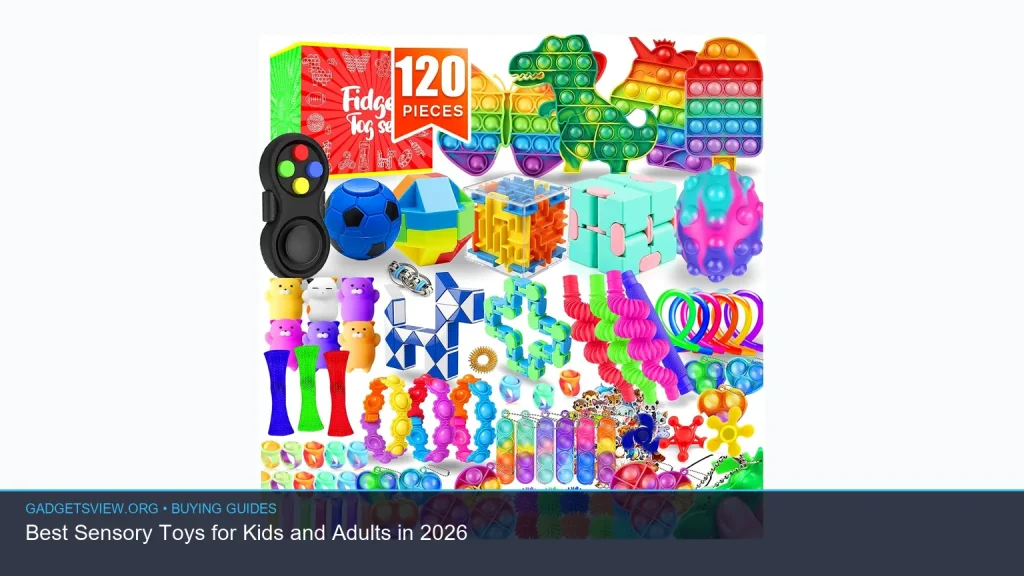
Choosing the best sensory toys in 2026 comes down to age, needs, and how the toy will be used at home, school, or on the go. Some options help kids stay busy and calm. Others are better for focus, stress relief, or quiet fidgeting for teens and adults. This guide breaks down the strongest toy types for different users, including sensory toys for toddlers, sensory toys for autistic kids, and practical picks for classrooms and travel.
📖 Table of Contents
Products mentioned
- 30 Pack Squishy Toys, Kawaii Squishies Party Favors for Kids 4-8 8-12 Treasure Box Toys for Classroom Birthday Xmas Gifts Goodie Bag Mini Animals Mochi Squishy
View current product details - Fidget Toys, 120 Pack Party Favors for Kids 8-12 4-8, Sensory Toys Bulk Autism Autistic, Treasure Box Toys for Classroom, Stocking Stuffers, Goodie Bag Stuffers
View current product details - 160 Pcs Fidget Toys Party Favors Pack, Randomly Selected Pop Sensory Set Gifts Stickers for Kids Adults Boy Girl Stocking Stuffers Autistic Bulk Goodie Bag Fill
View current product details - JOYIN 4-Pack Fidget Tubes for Kids, Sensory Tubes, Stress Relief Toy, Speech Therapy, Calming Toys for Children with Autism, Calm Down Corner Classroom Supplies
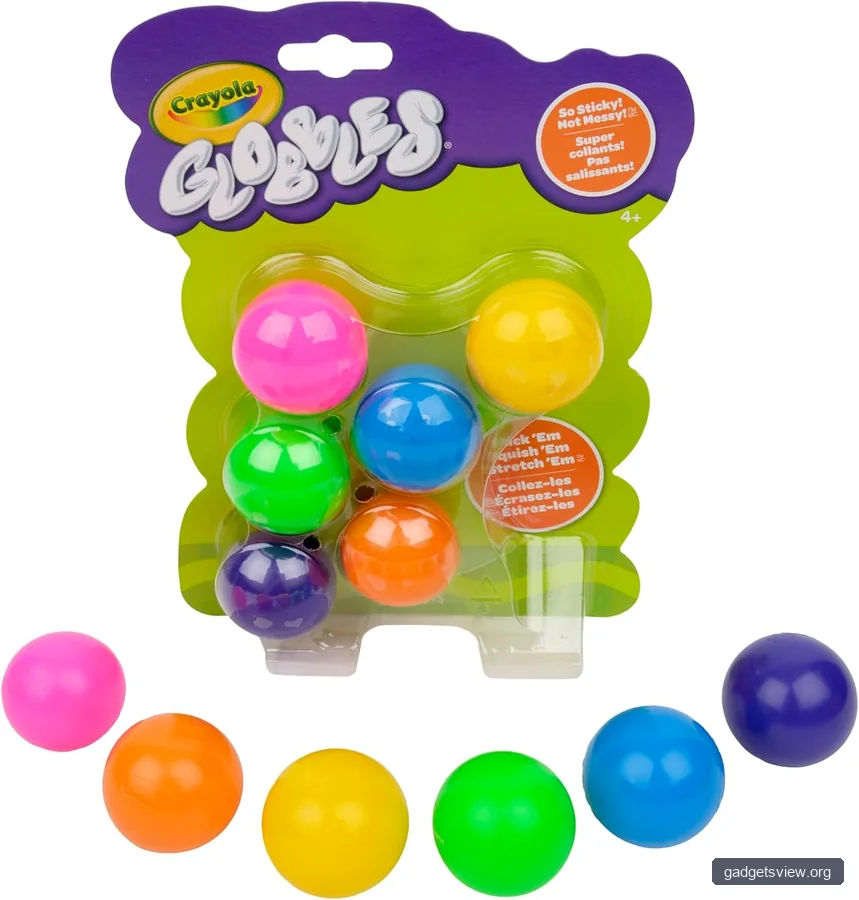
View current product details - Crayola Globbles Fidget Toy (6ct), Sticky Stress Ball for Adults & Kids, Squishy Balls, Calming Sensory Gifts for Stress Relief
View current product details - Pushpeel Sensory Activity Board: Silicone Fidget Toy for Calming, Stress, Anxiety, ADHD & Autism | Silent, No Mess | Kids 3+ & Adults | Includes Portable Travel
View current product details
Availability, specifications, and prices can change; verify them on the product page.
📌 Key Takeaways
- Match the toy to the need: calming, focus, tactile play, oral input, or quiet movement all call for different sensory tools.
- Simple often wins: squishies, fidget boards, tubes, and pop-style sensory play toys are useful because they are easy to use and easy to carry.
- For autism and special needs: the best toy options for special needs are usually durable, predictable, low-noise, and safe for repeated use.
- Age matters: toddler sensory toys should be larger, softer, and free of small parts, while older kids and adults may prefer more varied sensory items.
What makes a good sensory toy in 2026?
The best sensory toys do one or more of three things: they help calm the body, keep the hands busy, or offer a safe way to explore texture and movement. That is why the same toy may work for a child with autism, a toddler learning through touch, or an adult who needs a quiet stress outlet.
When shopping, look for sensory items that are easy to understand, easy to clean, and right for the user’s age. For sensory toys for kids, this often means bright, durable, and engaging designs. For teens and adults, it often means subtle, quiet, and portable tools.
Selection criteria to use before you buy
Use these quick checks to narrow your options:
- Age fit: Sensory toys for toddlers should avoid tiny parts and sharp edges.
- Noise level: Quiet toys work better for classrooms, offices, and bedtime routines.
- Durability: Repeated squeezing, pulling, and dropping should not ruin the toy quickly.
- Purpose: Pick based on the goal, such as calming, focus, fine motor play, or simple fun.
- Portability: Small sensory tools are easier to use in cars, waiting rooms, and travel bags.
Best sensory toy types for kids and adults
There is no single best choice for everyone. The strongest sensory toys for autistic kids, toddlers, and adults are the ones that match the user’s sensory preference and daily routine. Below is a practical comparison of popular options that fit the products found in research and the most common use cases.
| Toy type | Best for | Strengths | Limitations |
|---|---|---|---|
| Squishy toys | Kids, party favors, stress relief | Soft, easy to use, satisfying texture | Can wear out or tear with heavy use |
| Fidget packs | Classrooms, groups, variety seekers | Many textures and motions in one bundle | Quality can vary across pieces |
| Fidget tubes | Calm-down corners, therapy, quiet play | Visual movement, tactile feel, low mess | May not hold attention for every child |
| Sensory boards | Travel, autism support, focus | Silent, portable, structured play | Less “active” than toy sets |
| Sticky fidget balls | Kids and adults who like tactile input | Simple, satisfying, useful as sensory items | Can collect dust or debris |
1) Squishy toys for tactile calming
Squishy toys are a strong pick when a child likes soft pressure and hands-on play. The researched 30-pack squishy set of kawaii-style mini animals shows why this category is so popular: it gives variety, novelty, and a simple squeeze-and-release motion.
These are especially useful as sensory toys for kids who need an easy outlet during homework, car rides, or quiet time. They also work well as party favors or classroom rewards, though they are best for older toddlers and up if small parts are not a concern.
2) Fidget toy packs for variety and group use
Bulk fidget packs are a smart choice when you want options. A 120-pack or 160-piece set can be useful for classrooms, treasure boxes, or households with multiple children who like different sensory play toys.
This category is often among the best toy options for special needs because it gives room to explore. Some users may like one toy for sound, another for touch, and another for movement, which is helpful for sensory toys asd routines where preferences can change from day to day.
3) Fidget tubes and calm-down toys
JOYIN 4-Pack Fidget Tubes are a good example of a simple, structured tool that may fit calm-down corners, speech therapy settings, or sensory bins. Tube-style toys offer visual flow and a soothing hand motion without a lot of noise or mess.
These are useful sensory toys for autistic kids when predictable movement matters. They are also a good option for children who do best with toys that are not overly flashy or complex.
4) Sticky fidgets and stress balls for older kids and adults
Crayola Globbles and similar sticky stress toys are useful for squeezing, tossing, and sticking to surfaces. They are often a good fit for older kids, teens, and adults who want a simple desk toy or a discreet stress reliever.
These can also work as sensory items for autism when tactile input is the main goal. That said, they are best used on clean surfaces and should be checked often for wear.
5) Sensory boards for quiet focus
Products like the Pushpeel Sensory Activity Board fit users who like silent, repetitive motion. A board like this can be a better choice than loose pieces because the activity stays contained and portable.
For sensory toys for toddlers, this style is best when the child is past the mouthing stage and can use the board safely. For older kids and adults, it can be one of the most practical sensory tools for travel, waiting rooms, and quiet focus time.
Who should choose which sensory toy?
The right choice depends on the use case. If you want a toy for a classroom prize bin, a bulk fidget pack makes sense. If you want a calm-down tool for an autistic child, a quieter and more predictable item may work better than a high-variety bundle.
| User | Best choice | Why it fits |
|---|---|---|
| Toddlers | Large squishies, safe sensory boards, simple textures | Easy to grasp and good for early tactile exploration |
| Kids with autism | Fidget tubes, activity boards, selected sensory items | Often calmer, quieter, and more predictable |
| Classrooms | Bulk fidget packs, low-noise sensory play toys | Good for sharing, rewards, and quiet breaks |
| Adults and teens | Stress balls, sticky fidgets, slim activity boards | Portable and easy to use at a desk or in transit |
Strengths and limitations to keep in mind
- Bulk packs: Great value and variety, but not every piece will be a winner.
- Single-focus toys: Better for daily use, but less flexible.
- Soft squishies: Excellent for tactile comfort, but may not last as long under heavy use.
- Activity boards: Quiet and portable, but some users may want more movement.
How to buy sensory toys safely and smartly
Before buying sensory toys for autistic kids, toddlers, or adults, check the age grading and the size of each part. Small pieces can be a choking risk for young children, and very sticky materials may pick up dirt quickly if the toy is used often.
It also helps to think about where the toy will live. A classroom toy should be simple to sanitize and hard to lose, while a travel toy should be compact and durable. For sensory toys for toddlers, choose larger and softer designs, and always supervise use when needed.
- Decide the main goal: calming, focus, movement, or fine-motor play.
- Pick the right type: squishy, fidget pack, tube, board, or stress ball.
- Check age safety: make sure the toy fits the user’s developmental stage.
- Think about the setting: home, classroom, car, office, or therapy room.
- Choose one or two favorites first: this helps avoid wasting money on toys that do not match the user’s needs.
FAQ about sensory toys
What are the best sensory toys for autism?
The best sensory toys for autism are usually quiet, durable, and easy to repeat. Many children and adults prefer fidget tubes, sensory boards, squishy toys, or other sensory items with predictable motion and texture. The best choice depends on whether the person seeks touch, movement, visual input, or calming pressure.
Are sensory toys good for toddlers?
Yes, when they are age-appropriate and supervised. Sensory toys for toddlers should be larger, softer, and simple to use. Toddler sensory toys can support touch, hand strength, and early play skills, but they should not include small pieces that can be swallowed.
What are the best toy options for special needs classrooms?
Good classroom choices include bulk fidget packs, silent sensory play toys, and easy-to-clean sensory tools. Teachers often prefer toys that are low-noise, easy to share, and hard to break. A mix of textures and motions can help different students find something that works for them.
Can adults use sensory toys too?
Yes. Many sensory toys for kids also work well for adults, especially simple stress balls, sticky fidgets, and compact activity boards. Adults often want discreet sensory items for desk use, focus breaks, or travel.
How do I know which sensory items will actually help?
Start with the user’s behavior. If they seek movement, choose a toy with motion. If they like pressure, choose a squishy toy. If they need calm and quiet, choose low-noise sensory tools. A short trial is often the best way to see what truly helps.
Final verdict: what to buy in 2026
If you want the most flexible choice, a bulk fidget pack is the safest starting point because it offers variety. If you need quiet focus or autism support, a sensory board or fidget tube may be the better fit. For simple comfort and tactile play, squishy toys remain one of the easiest sensory toys to recommend.
Start with the user’s age, sensory needs, and daily setting. Then choose one toy style that matches those needs well, and build from there if needed. That approach will help you buy sensory toys that are useful, not just fun to look at.