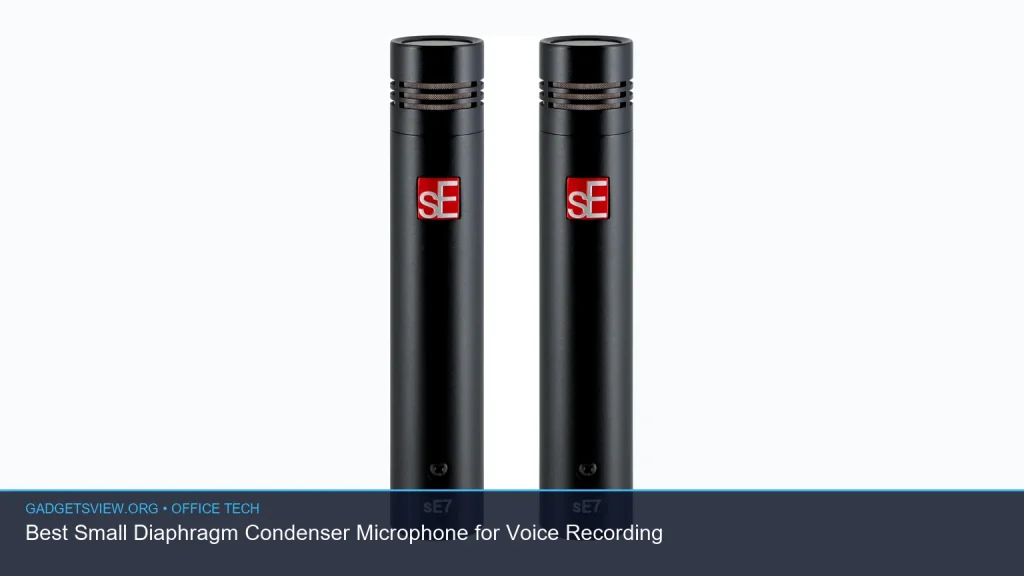
If you want cleaner voice recordings, a small diaphragm condenser microphone is often a smart place to start. These mics are known for detail, fast response, and a compact form that fits well in a home studio or office setup. The best choice depends on how you record, what gear you already own, and whether you need a mic that also works for instruments. Below, we break down what matters most and which type of model is most likely to fit your needs.
📖 Table of Contents
- What a Small Diaphragm Condenser Microphone Does Best
- How to Choose the Right Small Diaphragm Condenser Microphone for Voice Recording
- Comparison of Relevant Microphone Options
- Who Should Choose Which Mic?
- Selection Criteria That Matter Most for Voice Recording
- Strengths and Limitations of Using a Small Diaphragm Condenser for Voice
- Setup Tips for Cleaner Voice Results
- FAQ
- Conclusion: The Smart Buy for Voice Recording
Products mentioned
- SE ELECTRONICS
View current product details - SE ELECTRONICS sE8 Small Diaphragm Condenser Microphone
View current product details - Bolanle SN79 Small Diaphragm Condenser Mic, XLR Pencil Instrument
View current product details
Availability, specifications, and prices can change; verify them on the product page.
📌 Key Takeaways
- A small diaphragm condenser microphone is a strong pick when you want clear detail, fast transient response, and a compact recording setup.
- For voice recording, look for a model that matches your space, your interface, and your noise control needs—not just one that is marketed for instruments.
- Among the product names surfaced in research, the sE Electronics sE8 is the most clearly positioned as a small diaphragm condenser microphone; the Bolanle SN79 appears as a budget-style XLR pencil mic option.
- If you are recording spoken voice in a typical office or home environment, room noise and placement matter as much as the microphone itself.
What a Small Diaphragm Condenser Microphone Does Best
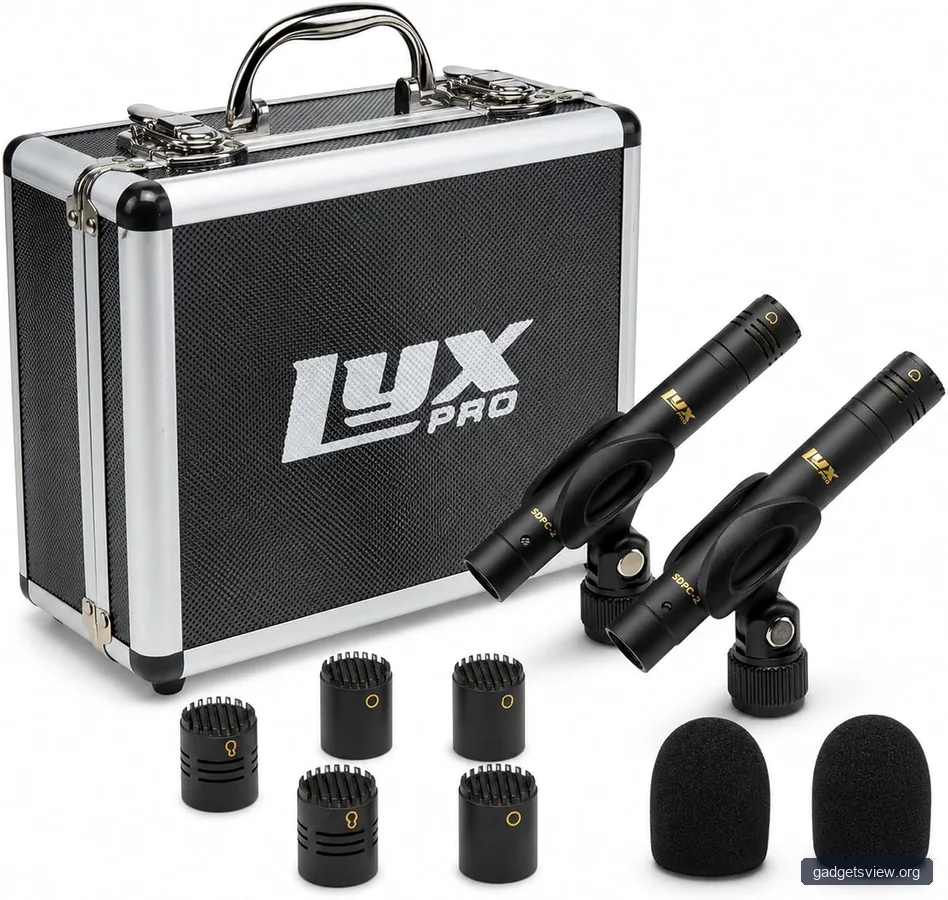
A small diaphragm condenser microphone is built to capture detail with speed and precision. That makes it useful when you want voice recordings that sound crisp, natural, and less muddy than many low-end alternatives. It can also help reveal subtle articulation in speech, which is useful for narration, podcast intros, training videos, and voiceover work.
These mics are often associated with instruments, but they can still work well for voice when the recording space is controlled. The smaller capsule tends to respond quickly to changes in sound, which can produce a clean and accurate result. That said, they usually pick up room reflections and background noise more easily than many dynamic microphones.
That means the “best” option is not only about microphone quality. It is also about whether your room is quiet, whether you speak at a consistent distance, and whether your interface provides clean phantom power.
How to Choose the Right Small Diaphragm Condenser Microphone for Voice Recording
For commercial intent, the right choice comes down to a few practical filters. Start with your recording goal. If you need spoken-word clarity for a desk setup, you want a mic that sounds detailed without becoming sharp or harsh.
1) Match the mic to your room
A small diaphragm condenser microphone can sound excellent in a treated room. In an untreated office, though, it may capture keyboard noise, HVAC hum, and wall reflections more readily. If your space is noisy, placement and simple acoustic control may matter more than capsule size alone.
2) Check connectivity and power
Most quality small diaphragm condenser mics use XLR and need phantom power from an audio interface or mixer. That is important if you are building a serious voice setup. If you only have a USB port and no interface, you may need extra gear before the mic becomes useful.
3) Favor a natural voice tone
For speaking, you usually want balance. A mic that sounds too bright can make sibilance more obvious, while one that is too flat may sound dull. Since manufacturers often describe these mics for studio or instrument work, verify whether the voicing is likely to suit spoken word before you buy.
4) Look for practical build quality
Voice recording often means frequent use on a desk, boom arm, or stand. A sturdy body, consistent connector fit, and a reliable shock mount option can make day-to-day use easier. Because product listings can vary in detail, confirm the current specs on the seller or manufacturer page before you buy.
Comparison of Relevant Microphone Options
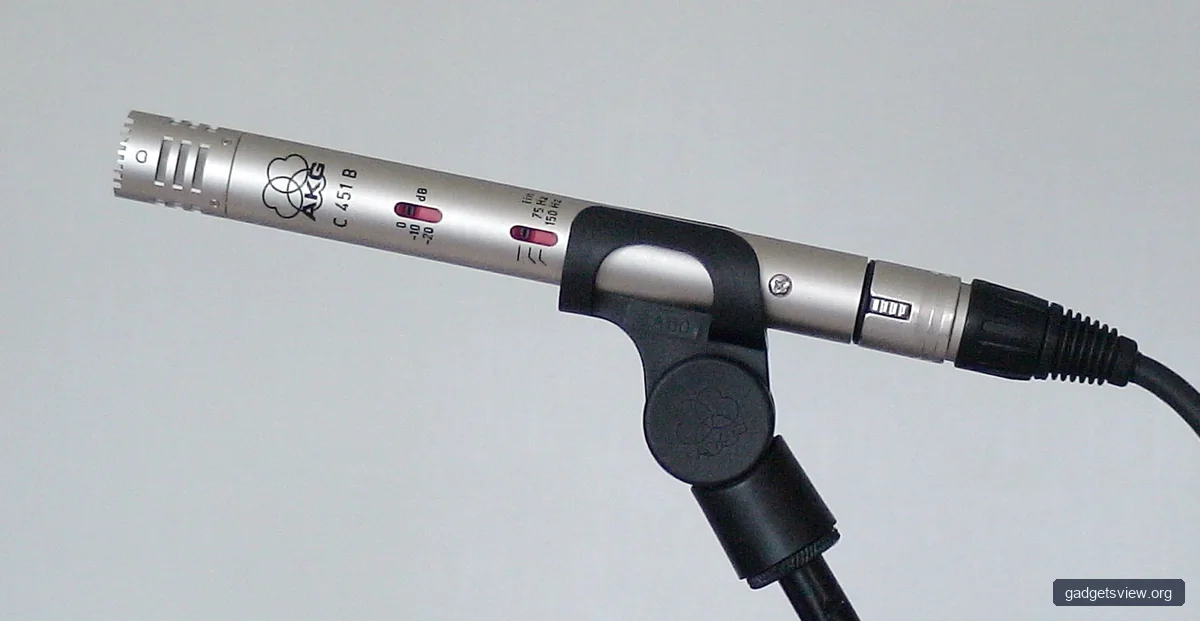
The product names surfaced in research do not all carry the same level of clearly verified detail for this specific use case. The table below compares them only at a practical, high level based on their apparent positioning and how directly they fit the voice-recording question.
| Product | Best Use | Strengths | Limitations |
|---|---|---|---|
| sE Electronics sE8 Small Diaphragm Condenser Microphone | Voice recording in a serious XLR setup, especially if you want a compact studio mic that may also work for other sources | Clearly identified as a small diaphragm condenser mic; established pro-audio branding; likely better suited to users who want a more deliberate studio choice | May be more mic than a casual desk user needs; XLR setup required; current specs should be verified before purchase |
| Bolanle SN79 Small Diaphragm Condenser Mic, XLR Pencil Instrument | Budget-conscious users who need an XLR pencil-style condenser and may also record instruments | Compact pencil format; XLR connection; may appeal to entry-level buyers who want a simple condenser option | Listing title suggests instrument focus more than voice; less direct evidence for spoken-word optimization; verify quality and included accessories carefully |
| SE ELECTRONICS | Brand search reference | Useful as a manufacturer signal when browsing related models | Too broad to evaluate as a product choice on its own |
Who Should Choose Which Mic?
If your priority is a more confident studio-style voice setup, the sE Electronics sE8 Small Diaphragm Condenser Microphone is the more compelling name from the research list. It is the clearest fit when you want a recognizable small diaphragm condenser microphone from a known pro-audio brand and you already have the XLR gear to support it.
If your goal is to keep costs low and you mainly need an entry-level XLR pencil condenser, the Bolanle SN79 Small Diaphragm Condenser Mic may be worth a closer look. Just note that the listing title suggests an instrument-first orientation, so it deserves extra scrutiny for voice use.
For most readers, the real decision is not “best brand” but “best fit.” Choose the mic that matches your recording room, your interface, and how polished you need the final voice to sound. A more expensive mic can still sound worse than a simpler one if the room is noisy or the setup is poor.
Selection Criteria That Matter Most for Voice Recording
To make a commercial decision with less guesswork, use these criteria before buying. They help separate a useful voice mic from a microphone that only looks good on a product page.
- Connection type: XLR is the standard for most small diaphragm condenser microphones.
- Phantom power needs: Make sure your interface can supply it.
- Polar pattern: Cardioid is often the easiest choice for voice in a normal room.
- Tone balance: Look for a sound that is clear but not overly bright.
- Room fit: A sensitive condenser will reveal noise, so check your environment first.
- Accessory support: Shock mounts, stands, and pop control can improve results.
- Return policy and current specs: Since listings can change, verify the details before purchase.
Strengths and Limitations of Using a Small Diaphragm Condenser for Voice
These microphones can sound very open and detailed. They often capture consonants and speech nuances with precision, which can be helpful in voiceover, e-learning, and remote recording. Their compact size also makes them easy to place close to the mouth without blocking the camera or desk area.
The downside is sensitivity. If your room has echo, computer fan noise, or street sound, the mic may capture all of it. For some users, that makes a small diaphragm condenser microphone less forgiving than a dynamic mic, even if the tonal detail is better.
So the tradeoff is simple: more detail usually means more responsibility in setup. Good positioning, basic acoustic treatment, and clean gain staging make a big difference.
Setup Tips for Cleaner Voice Results
- Place the mic slightly off-axis to reduce harsh sibilance and plosives.
- Keep a steady distance so your level stays consistent.
- Use a pop filter if you speak closely into the mic.
- Turn off avoidable noise like fans, notifications, and nearby appliances.
- Set gain conservatively to avoid clipping on louder phrases.
- Test a short sample before starting a long recording session.
These steps matter because a good microphone cannot fully fix a noisy room or a poor gain setup. Even with a quality small diaphragm condenser microphone, a few minutes of testing can save time later.
FAQ
Is a small diaphragm condenser microphone good for voice recording?
Yes, especially if you want clear detail and a more precise sound. It works best in quiet rooms and with proper placement. If your environment is noisy, you may need more room treatment than you would with a dynamic mic.
Do I need phantom power for these microphones?
Usually, yes. Most XLR condenser microphones need phantom power from an audio interface or mixer. Always verify the current product requirements before buying.
Is the sE Electronics sE8 a good choice for voice?
It is a strong candidate if you want a recognized small diaphragm condenser microphone and already use XLR gear. It is listed as a small diaphragm condenser mic, which makes it more directly relevant than broad brand-only results. As always, confirm the latest specs and compatibility before purchase.
Can I use a small diaphragm condenser mic on a desktop?
Yes, but desk placement matters. Use a stable stand or boom arm, keep it away from keyboard noise, and try to position it so your voice is clear without capturing too much room sound.
Should I choose a pencil mic or a larger condenser for voice?
If you want a compact setup and clear detail, a pencil-style small diaphragm condenser can work well. If you want a more traditional vocal sound and your room is not treated, a different condenser or even a dynamic mic may be easier to manage.
Conclusion: The Smart Buy for Voice Recording
If you are shopping for the best small diaphragm condenser microphone for voice recording, focus on fit more than hype. For the research results available here, the sE Electronics sE8 Small Diaphragm Condenser Microphone is the clearest serious option, while the Bolanle SN79 may suit budget-minded buyers who want a basic XLR pencil mic.
Before you buy, confirm the current specs, check your interface, and think about your recording room. That simple process will do more for your final sound than a spec sheet alone.