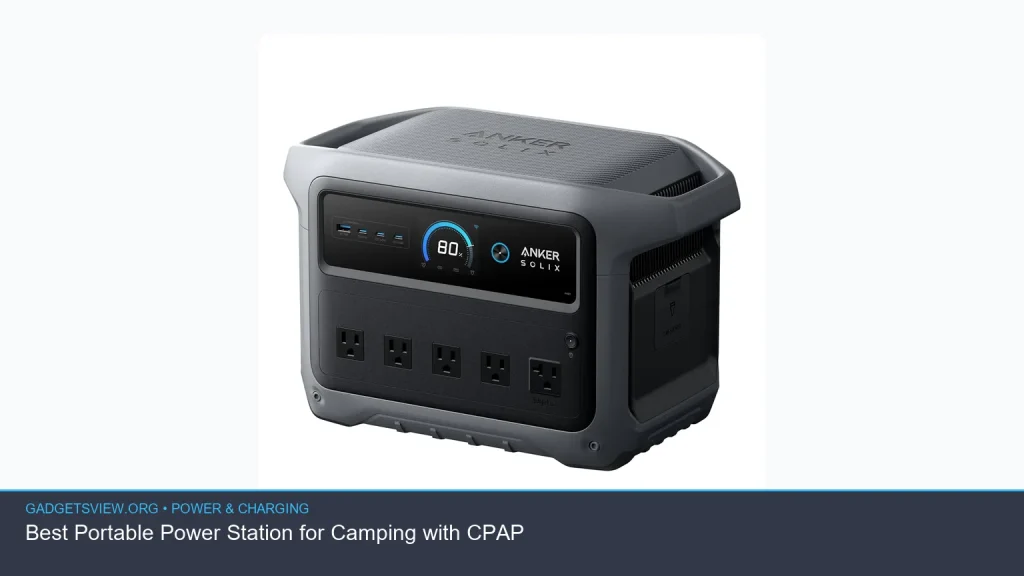
If you need a portable power station for camping with CPAP, the best choice is the one that can safely run your machine through the night, handle your humidifier and tubing setup if needed, and still leave some reserve power. The right size depends on your CPAP model, whether you use heat settings, and how long you’ll be off-grid. In most cases, a good setup means choosing enough battery capacity, a clean pure sine wave output, and the right ports or adapters. Below, you’ll learn how to size it, what features matter most, and how to avoid common mistakes.
📖 Table of Contents
- What Makes a Portable Power Station Good for CPAP Camping?
- How to Size a Portable Power Station for Your CPAP
- Features That Matter Most for CPAP Users
- Comparison Table: Which Type of Power Station Fits Your Camping Style?
- How to Stretch Battery Life on a Camping Trip
- Who Should Choose What?
- FAQ
- Conclusion
📌 Key Takeaways
- A portable power station for camping with CPAP should be chosen by runtime needs, not just battery size.
- Pure sine wave output and the right DC/AC ports help protect sensitive CPAP equipment and improve efficiency.
- Turning off heat-based features like the humidifier and heated tube can dramatically extend battery life.
- The best option for you depends on whether you need one night, multiple nights, or solar recharging while camping.
What Makes a Portable Power Station Good for CPAP Camping?
Not every power station is a good fit for sleep therapy devices. A CPAP is a medical device, so the power source should be dependable, quiet, and stable. The best models for camping are easy to carry, offer enough usable energy, and can deliver clean power without unnecessary losses.
For most campers, the main goal is simple: keep the CPAP running all night without waking up to a dead battery. That means looking beyond big marketing numbers and focusing on how your specific CPAP draws power.
Why watt-hours matter more than hype
Battery capacity is often listed in watt-hours, or Wh. That number tells you how much energy the station stores, but the real runtime depends on your CPAP’s draw, pressure setting, and extras like humidification. A station with a higher Wh rating will usually last longer, but the usable amount is always less than the label because of power conversion losses.
If you use your machine with the humidifier on high, your nightly energy use can rise a lot. If you sleep with heat off and use a lower-pressure setup, your needs may be much smaller. This is why sizing should start with your sleep setup, not with the battery alone.
Pure sine wave output is important
Many CPAP users should prefer a pure sine wave inverter. That helps the power output stay smooth and more like household electricity. While some devices may still work on modified wave output, a clean waveform is the safer and more reliable choice for sensitive equipment.
If you can, verify your CPAP’s power needs in the owner’s manual or on the power brick label. When in doubt, choose the more compatible option rather than guessing.
How to Size a Portable Power Station for Your CPAP
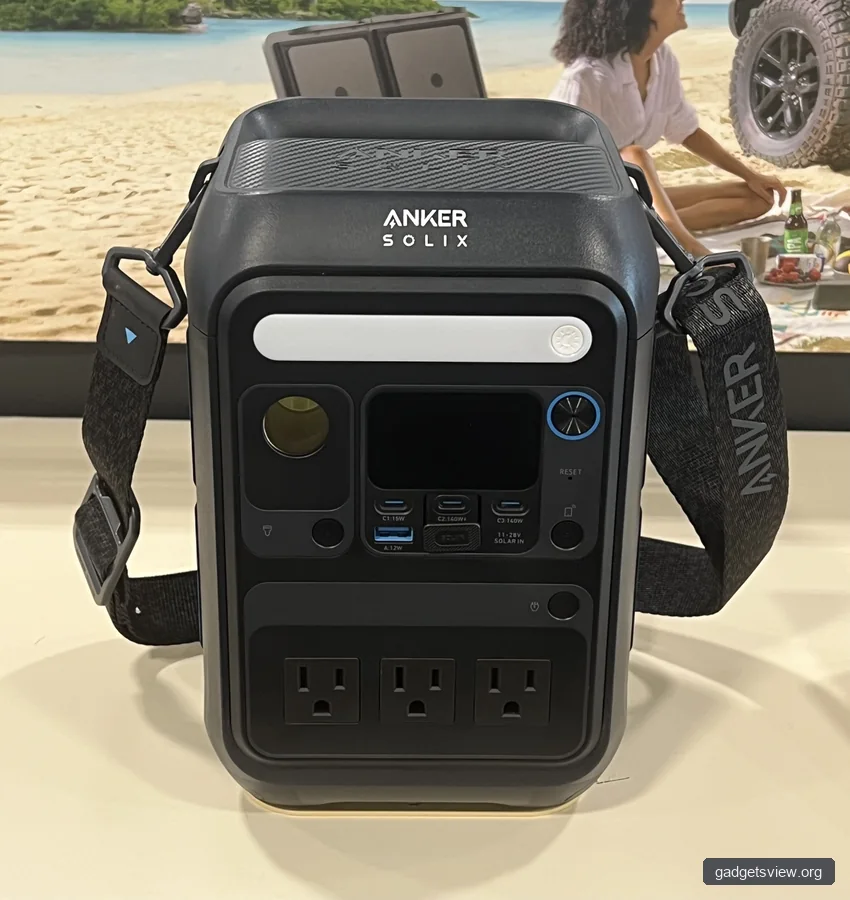
The smartest way to choose a portable power station for camping with CPAP is to estimate overnight use first. Start with your CPAP’s power draw, then add time, then add a buffer. This gives you a much better target than shopping by brand name alone.
- Find your CPAP’s wattage or amp draw. Check the label, manual, or power supply.
- Estimate your nightly use. Multiply draw by the hours you sleep.
- Add extra for humidifiers or heated hoses. These can raise power use significantly.
- Account for conversion loss. Expect the battery’s real-world output to be lower than its label.
- Leave a safety buffer. Aim for more capacity than your minimum estimate, especially for multi-night trips.
A simple rule: if your CPAP is efficient and you use no heat, a smaller station may work. If you want humidification, a heated tube, or multiple nights away from shore power, you’ll want a larger battery and possibly solar charging.
DC power vs AC power
Whenever possible, use a DC output that matches your CPAP’s power needs. DC is often more efficient than plugging into AC and letting the inverter do the work. That can preserve battery life and reduce wasted energy.
AC output is still useful when you need flexibility, but it is usually less efficient. If your setup supports direct DC use, that’s often the better camping choice.
| Scenario | What to prioritize | Why it matters |
|---|---|---|
| One-night tent camping | Moderate capacity, DC output, compact size | Keeps weight down while covering one night safely |
| Multi-night off-grid trip | Higher capacity, solar input, efficient charging | Provides recharge options between nights |
| CPAP with humidifier and heated hose | Larger capacity, strong reserve, clean power | Heat features consume far more battery |
| Car camping with recharge access | Portable size, fast recharge, lighter weight | You may not need the biggest battery if you can recharge daily |
Features That Matter Most for CPAP Users
When shopping for camping power, some features matter more than others. A long list of ports is nice, but it will not help if the unit cannot run your machine reliably through the night. Focus on the parts that affect comfort, uptime, and safety.
Battery chemistry and cycle life
Many portable stations use lithium-based batteries, but not all battery types behave the same. Some last longer over repeated charging cycles and may be better suited to frequent camping. If you camp often, long cycle life can matter more than a slightly lower upfront cost.
Also think about storage. If the unit sits unused for months, check the manufacturer’s guidance for keeping the battery in good condition. That helps you avoid surprises on your next trip.
Recharging options
Good recharging flexibility is useful on the road. Look for AC charging for home prep, car charging for travel days, and solar input if you want longer off-grid time. Solar can be especially helpful for camping trips that last more than one night.
That said, solar output depends on weather, panel size, and placement. Do not count on perfect solar recharge unless you have tested your setup before the trip.
Noise and portability
Camping already has enough noise. A power station should not add much more, especially if it runs near your sleeping area. Most users want a quiet unit with a handle or form factor that is easy to move from car to tent or trailer.
If you hike into camp, weight becomes even more important. If you car camp, you may be able to accept a larger unit in exchange for more runtime.
Comparison Table: Which Type of Power Station Fits Your Camping Style?
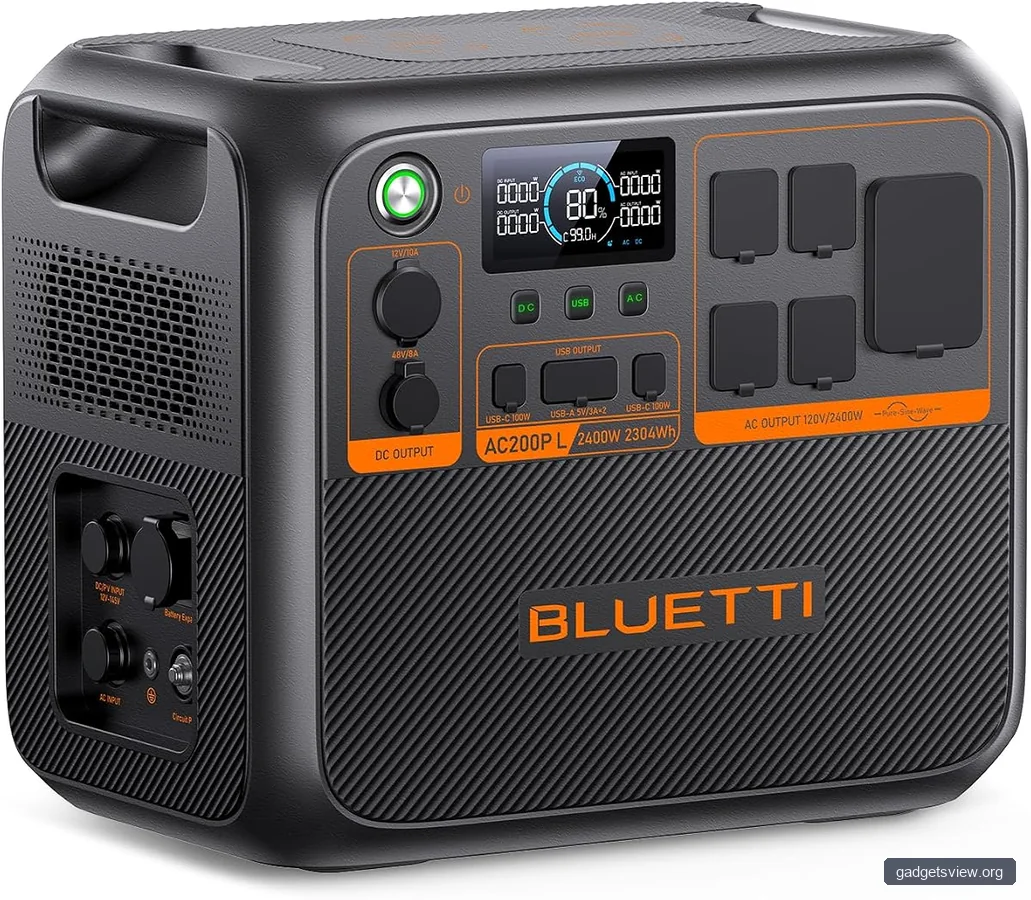
There is no single best portable power station for every CPAP user. The right pick depends on how you camp and how your therapy is set up. Use the comparison below to narrow your options before you shop.
| Power Station Type | Strengths | Limitations | Best For |
|---|---|---|---|
| Compact unit | Lightweight, easy to carry, simple to pack | May not last through multiple nights | Short trips, efficient CPAP setups, low-power use |
| Mid-size unit | Balanced portability and runtime | May still need careful power management | Most one- to two-night campers |
| Large-capacity unit | Long runtime, more headroom, easier multi-night use | Heavier and less convenient to carry | Longer trips, humidifier use, solar setups |
How to Stretch Battery Life on a Camping Trip
Even a strong battery can run out early if the setup is inefficient. Small changes can make a big difference, especially when you are away from outlets for more than one night. If your goal is to maximize runtime, these steps matter.
- Turn off the humidifier if you can sleep comfortably without it. Heat uses a lot of power.
- Disable the heated tube unless you truly need it. This is another major battery saver.
- Use the most efficient power path available. Direct DC can be better than AC in many cases.
- Test your setup at home first. Do a full-night trial before your camping trip.
- Keep the battery warm in cold weather. Extreme cold can affect performance.
It is also smart to pack the correct cables and adapters ahead of time. A missing cord can turn a good battery into useless gear. Check everything before leaving home, especially if your CPAP model uses a special connector.
Common issues and quick fixes
| Problem | Likely Cause | What to Do |
|---|---|---|
| Battery dies before morning | Capacity too small or heat features draining power | Reduce heat use, choose a larger unit, or add solar recharge |
| CPAP will not start | Wrong cable, incompatible output, or battery not charged | Verify cable type, output settings, and battery charge level |
| Power station feels too warm | Heavy load or poor airflow | Move it to open air and reduce load if needed |
Who Should Choose What?
If you want the easiest answer, choose based on camping style.
- Choose a compact unit if you camp occasionally, use a low-power CPAP setup, and want the lightest carry.
- Choose a mid-size unit if you want the best balance for most weekend camping trips.
- Choose a large-capacity unit if you need multi-night runtime, use humidification, or want more confidence in bad weather.
- Choose a solar-friendly setup if you camp longer, want more independence, and can realistically recharge during the day.
Best overall verdict: for most campers using CPAP, a mid-size portable power station with pure sine wave output and direct DC compatibility offers the best mix of portability, runtime, and reliability. If your CPAP setup uses heat features, move up in capacity. If you can run efficiently without them, you may not need the largest unit available.
FAQ
How many watt-hours do I need for one night with a CPAP?
That depends on your CPAP model, sleep time, pressure setting, and whether you use humidification or a heated tube. The best way to estimate is to check your machine’s power draw and multiply it by your expected hours of use, then add a buffer for conversion loss.
Can I use a portable power station with a CPAP humidifier?
Yes, but it will use much more battery power than running the CPAP alone. If you plan to use the humidifier, choose a larger capacity station and confirm your device’s requirements in the manual before the trip.
Is a pure sine wave power station necessary for CPAP?
It is strongly preferred because it provides cleaner power and better compatibility for sensitive electronics. Some devices may function on other output types, but a pure sine wave model is the safer choice for camping use.
Should I use AC or DC to run my CPAP?
DC is often more efficient if your CPAP supports it. AC can work too, but it usually wastes more battery because the station must convert the power first.
What should I test before camping?
Test the full setup at home for one night. Make sure the CPAP starts correctly, the cable fits, the battery level is enough, and any humidifier or heated hose settings are exactly how you want them in camp.
Conclusion
The best portable power station for camping with CPAP is the one that matches your real sleep needs, not just the biggest battery number on the box. Start with your CPAP’s power draw, decide whether you will use heat features, and choose enough capacity for your longest likely night away from shore power. If you camp often, prioritize clean output, efficient DC use, and a model that can recharge easily. Before your trip, test the full setup at home so you can sleep with confidence in the field.