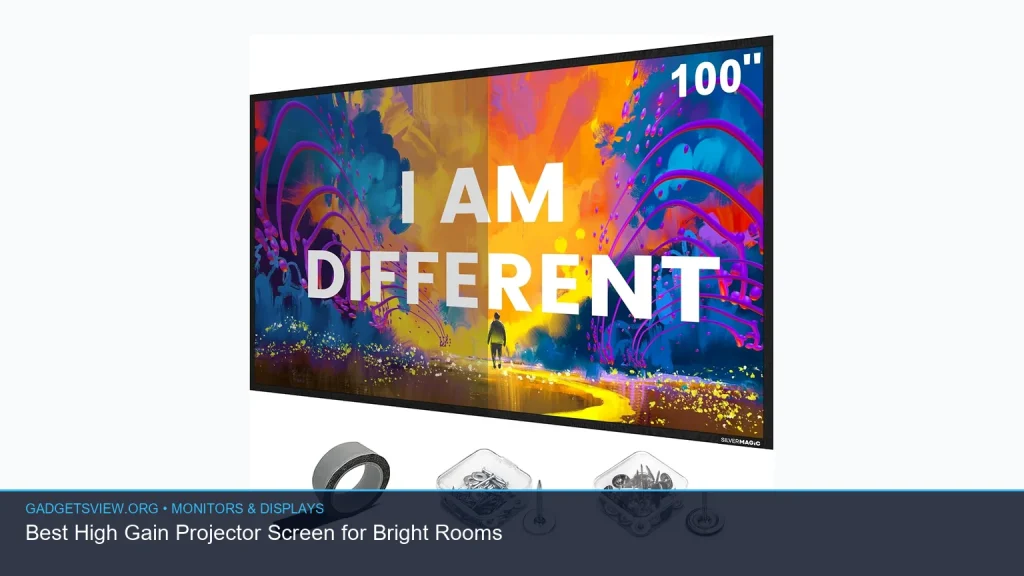
If you need a high gain projector screen for a bright room, the goal is simple: make the image look punchier without washing out contrast or creating hot spots. The best choice depends on your projector’s brightness, the room’s ambient light, your seating angle, and whether you want a fixed, portable, or outdoor setup. In most commercial use cases, a high gain screen is worth considering when you cannot fully control light. Below, you’ll find what high gain means, when it helps, where it hurts, and how to choose the right screen type for your space.
📖 Table of Contents
- What a High Gain Projector Screen Actually Does
- When a High Gain Projector Screen Makes Sense in Bright Rooms
- How to Choose the Right High Gain Projector Screen
- High Gain Projector Screen Options: Which One Should You Choose?
- Selection Criteria That Matter More Than Gain Alone
- Practical Pros and Cons of a High Gain Projector Screen
- FAQ: High Gain Projector Screens for Bright Rooms
- Final Verdict: Who Should Buy a High Gain Projector Screen?
Products mentioned
- High gain 100 Inch Projector Screen
View current product details - High gain Projector Screen Material
View current product details - High gain Projector Screen Material
View current product details - Outdoor Projector Screen with Stand 180 inch 16:9, Portable Projector Screen, 1.5 High Gain Fiberglass, Sturdy Backing, Wind-Resistant Movie Screen, Tripod/Wall
View current product details
Availability, specifications, and prices can change; verify them on the product page.
📌 Key Takeaways
- A high gain projector screen can help in bright rooms by reflecting more light back to the audience.
- Higher gain is not always better; very high gain can narrow viewing angles and create uneven brightness.
- Choose the screen based on your projector brightness, room light, seating layout, and whether you need portable or fixed installation.
- For most buyers, a balanced screen with moderate gain is safer than chasing the highest number on the box.
What a High Gain Projector Screen Actually Does
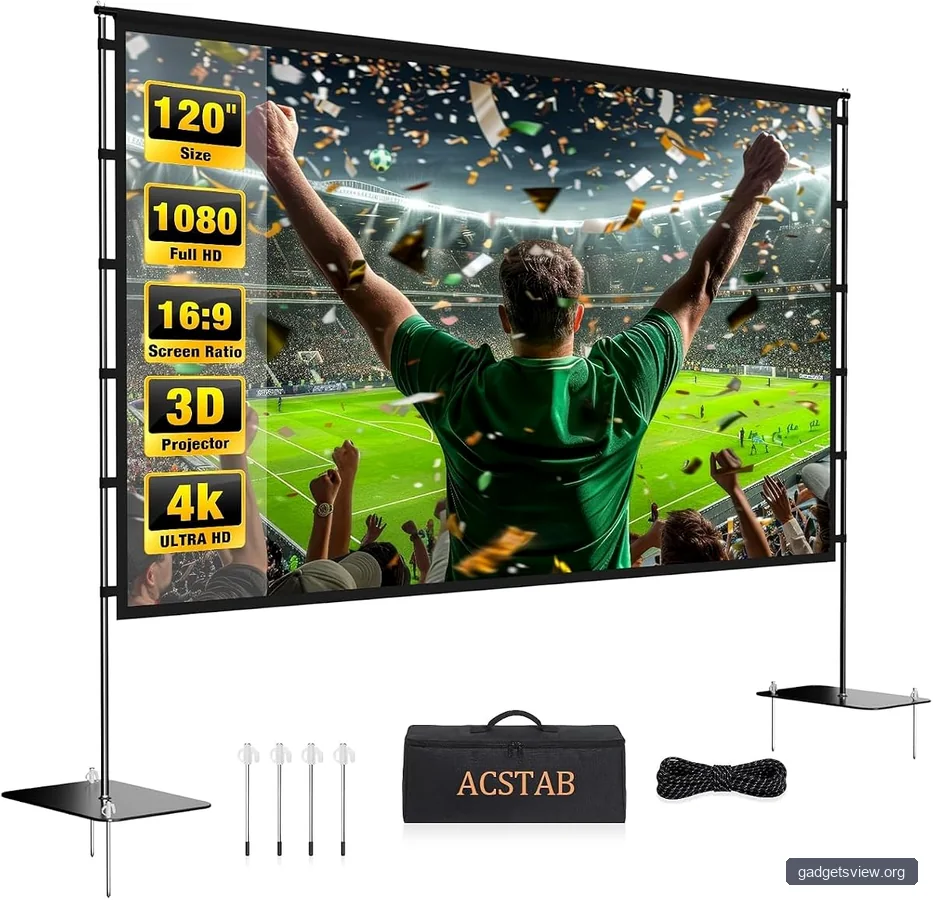
A projector screen’s gain measures how much light it reflects compared with a standard reference surface. A gain above 1.0 means the screen sends more light toward viewers, which can make the image appear brighter. That extra brightness can be useful in offices, living rooms, classrooms, and event spaces where daylight or overhead lighting is hard to control.
The tradeoff is important. As gain goes up, the viewing angle can get narrower, and the image may look brightest in the center while the sides appear dimmer. Some high gain screens can also show “hot spotting,” where a bright patch appears in the center, especially if the projector is not aligned well.
When a High Gain Projector Screen Makes Sense in Bright Rooms
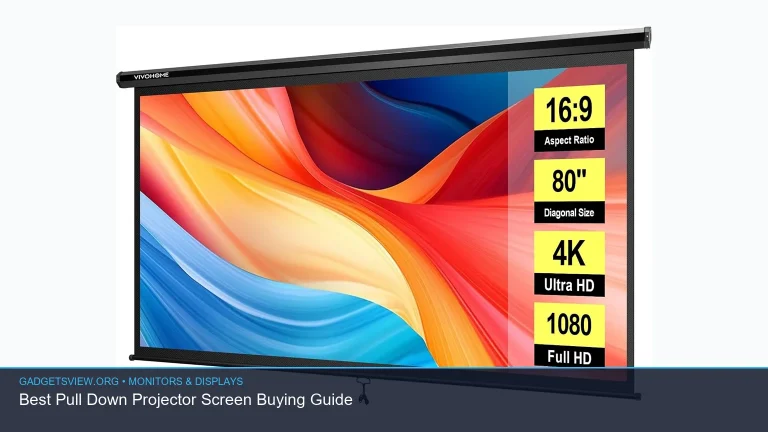
If your room has windows, ceiling lights, or both, a high gain projector screen can be a practical upgrade. It can help preserve image punch when you cannot darken the space enough for a matte white screen to look its best. This is why high gain screens are often used in commercial settings such as conference rooms, training spaces, worship venues, and temporary presentation setups.
That said, the screen is only one part of the equation. A brighter projector, careful placement, and some light control usually matter just as much. If the projector is underpowered, even a high gain screen will not fully fix a washed-out picture.
Good use cases
- Rooms with moderate ambient light that cannot be fully darkened
- Audience seating mostly in front of the screen
- Presentations, slides, and video where brightness matters more than ultra-wide viewing angles
- Portable setups that move between spaces with different lighting
Less ideal use cases
- Large groups seated far off to the sides
- Dedicated dark home theater rooms
- Ultra-short-throw projectors unless the screen is specifically designed for them
How to Choose the Right High Gain Projector Screen
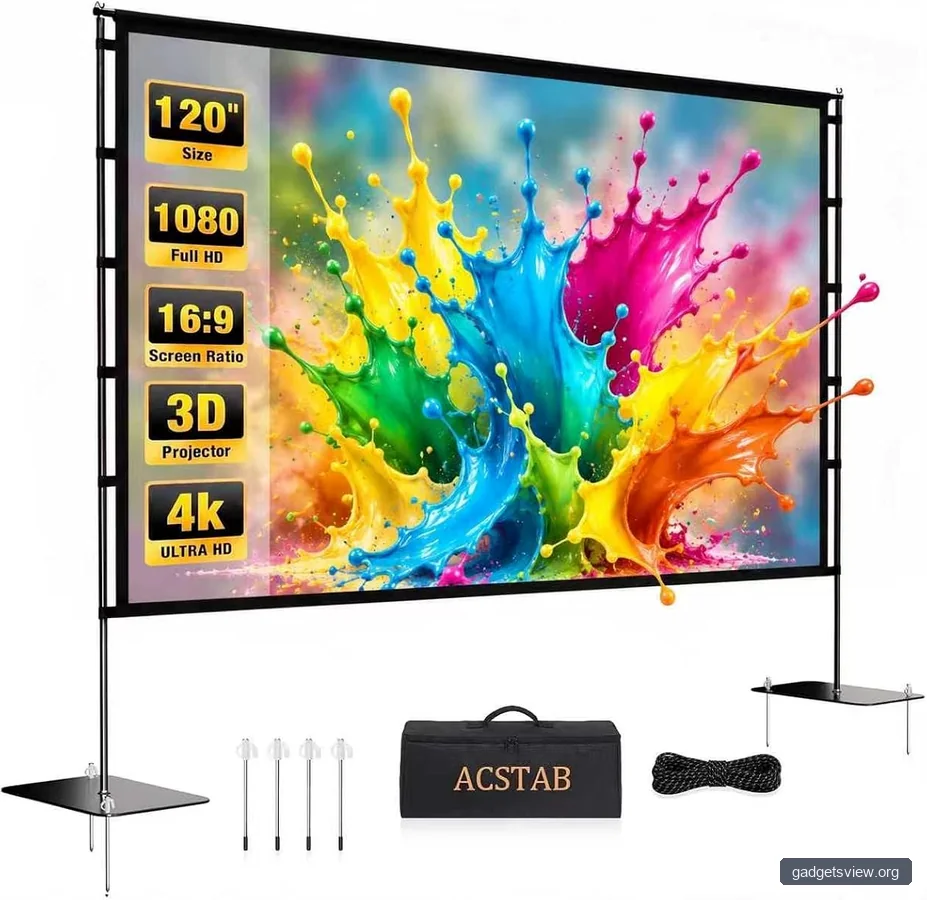
The best choice is not just about gain. It is about matching the screen to your projector, room, and audience. A useful buying decision starts with three questions: how bright is your projector, how much ambient light is in the room, and where will people sit?
If your projector is already bright, you may only need a modest gain boost. If the room is brighter and seating is centered, a higher gain screen may work well. If seating is spread wide, a lower gain surface may be better even in a bright room, because it keeps the image more even across the room.
| Screen Type | Best For | Strengths | Limitations |
|---|---|---|---|
| High gain fixed screen | Conference rooms, classrooms, home theaters with some light | Bright image, stable surface, cleaner setup | Less portable, can narrow viewing angle |
| High gain portable screen | Events, temporary presentations, mobile teams | Easy to move, useful for mixed environments | Setup time, stability depends on frame or stand |
| High gain outdoor screen | Backyards, patios, outdoor movie nights | Helps offset ambient light, flexible placement | Wind, alignment, and surface stability matter a lot |
From the research listings, examples such as High gain 100 Inch Projector Screen, High gain Projector Screen Material, and Outdoor Projector Screen with Stand 180 inch 16:9, Portable Projector Screen, 1.5 High Gain Fiberglass, Sturdy Backing, Wind-Resistant Movie Screen, Tripod/Wall show the main product directions shoppers usually compare. Use those titles as clues to form factor and intended use, not as proof of performance.
High Gain Projector Screen Options: Which One Should You Choose?
Different buyers need different answers. A fixed screen works well when you want a clean, stable image in one place. Screen material is a better route if you are building a custom frame or replacing an existing surface. Portable and outdoor screens are best when flexibility matters more than permanent installation.
| Option | Why It Stands Out | Best Fit |
|---|---|---|
| High gain 100 Inch Projector Screen | Common size for many rooms and easier to place than oversized formats | Users who want a straightforward indoor setup |
| High gain Projector Screen Material | Flexible if you need a custom frame or want to upgrade an existing screen | DIY builders and commercial installers |
| Outdoor Projector Screen with Stand 180 inch 16:9, Portable Projector Screen, 1.5 High Gain Fiberglass, Sturdy Backing, Wind-Resistant Movie Screen, Tripod/Wall | Designed around portability and outdoor use | Backyard movie nights, events, and temporary setups |
Who should choose what? If you want the cleanest, simplest indoor solution, choose a fixed screen. If you need custom sizing or already have a frame, choose screen material. If you need a large image that moves between locations, choose a portable or outdoor model.
Selection Criteria That Matter More Than Gain Alone
Gain gets attention, but it should not be the only deciding factor. A screen that is too reflective can hurt overall image quality if the room layout is wrong. Look at the whole setup so you do not trade brightness for a worse viewing experience.
1. Projector brightness
If the projector is not bright enough, a high gain screen can only help so much. Bright rooms need stronger output than dark rooms, so screen choice should follow projector output, not replace it. If you are unsure, compare the projector’s light output against the size of the image you want.
2. Seating angle
The wider the seating area, the more careful you should be with high gain. A narrow viewing angle may make side seats look dimmer. For boardrooms or living rooms with people spread out, a moderate gain screen may be the safer choice.
3. Surface type
Material finish matters. Some high gain surfaces are designed to return more light to the front seats, while others try to balance brightness and uniformity. For buyers, the surface description is often more useful than the gain number alone.
4. Installation method
Fixed frames, tensioned screens, tripod stands, and wall-mounted designs each solve different problems. In bright rooms, a flat, well-tensioned surface usually looks better than a loose one. If the screen will move often, stability should be a major priority.
Practical Pros and Cons of a High Gain Projector Screen
Commercial buyers often need a quick summary before making a purchase decision. Here is the simple version: a high gain projector screen is useful when brightness is the main problem, but it is not a universal upgrade. The right fit depends on your room and audience.
| Strengths | Limitations |
|---|---|
| Helps images look brighter in ambient light | Can narrow viewing angles |
| Can improve perceived punch and presence | May show hot spotting if the setup is poor |
| Useful for presentations and mixed-light spaces | Not always ideal for wide seating layouts |
The best outcome comes from matching the screen to the room, not just buying the highest gain you can find. In many cases, a moderate gain screen will look better overall than an aggressive reflective surface.
FAQ: High Gain Projector Screens for Bright Rooms
What gain is best for a bright room?
There is no single best number. Moderate gain is often the safest starting point because it boosts brightness without making the image too directional. If your room is especially bright and seating is centered, a higher gain may be worth considering.
Does a high gain screen work with any projector?
It can work with most projectors, but results vary. Brighter projectors and carefully aligned setups tend to benefit more. Always check the projector’s brightness, throw distance, and intended screen size before buying.
Is a high gain screen better than a gray screen?
Not always. A gray screen can help perceived contrast in some bright rooms, while a high gain screen focuses more on reflected brightness. The better choice depends on whether your main issue is low brightness or washed-out contrast.
Can a high gain projector screen be used outdoors?
Yes, if the screen is built for portable or outdoor use. Outdoor conditions add wind, stability, and setup concerns, so the frame or stand matters as much as the surface gain. The product design should match the environment.
Should I choose a fixed or portable screen?
Choose fixed if the screen stays in one place and you want the most stable image. Choose portable if you need flexibility for meetings, events, or outdoor use. Portability is useful, but it usually requires more setup care.
Final Verdict: Who Should Buy a High Gain Projector Screen?
A high gain projector screen is a smart buy when you need more visible brightness in a room that is not fully dark. It is especially useful for presentations, shared living spaces, and portable viewing setups. If your audience sits mostly in front of the screen, the tradeoff can be worth it.
Before you buy, check your projector brightness, room lighting, seating spread, and installation style. Then choose the screen type that fits your real use case, not just the highest gain number. If you want the simplest next step, shortlist one fixed, one portable, and one material-based option, then compare them against your room layout and viewing distance.