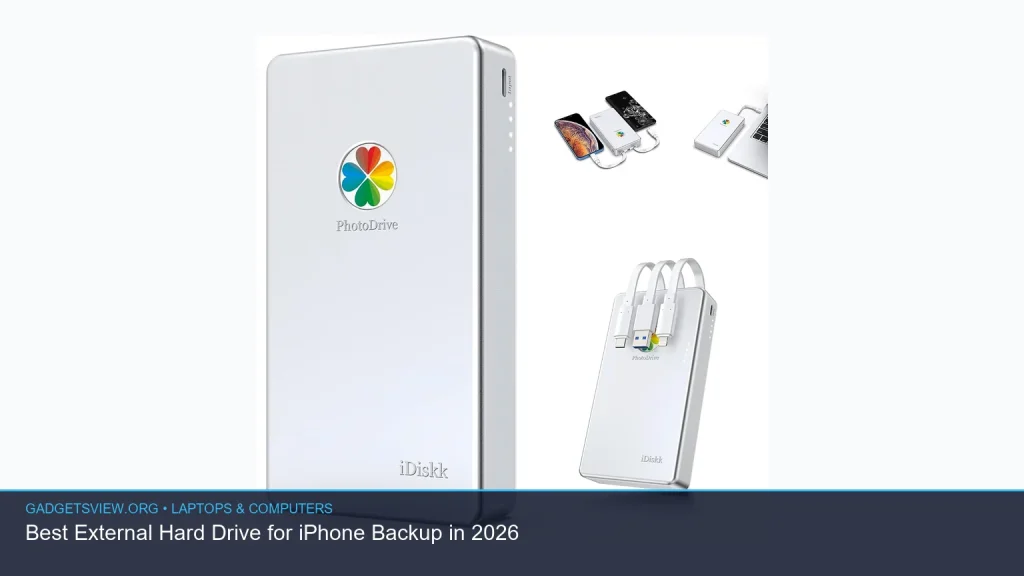
If you need the best external hard drive for iPhone backup, the right choice depends on how you back up. For most people, the safest move is a drive that works smoothly with a Mac or PC, has enough space for full device backups, and connects reliably when you need to save photos, videos, and files. In this guide, you’ll learn how to choose the right external drive, what features matter most, and how to use it for iPhone backup without wasting time or money.
📖 Table of Contents
- What matters most in an external hard drive for iPhone backup?
- How to choose the right drive for your setup
- How to back up an iPhone to an external hard drive
- Selection criteria: what to look for before you buy
- How to backup the computer to an external hard drive
- Best use cases: which setup is right for you?
- FAQ
- Conclusion
📌 Key Takeaways
- For iPhone backups, focus on storage size, connection speed, and reliability first.
- A drive that works well for computer backups is usually the best choice for iPhone backups, too.
- Choose a drive format and connection that match your computer, since the backup is typically made through a Mac or Windows PC.
- If you also need to save other files, look for a portable drive with a strong reputation for steady everyday use.
What matters most in an external hard drive for iPhone backup?
An iPhone backup is only as good as the drive behind it. The best external hard drive for iphone backup should be dependable, roomy, and easy to connect to the computer you already use. Since most iPhone backups are created through Finder, iTunes, or similar computer software, the drive needs to work well with that setup first.
Storage capacity is the first thing to check. If you back up one iPhone and keep older copies, a larger drive gives you more breathing room. A drive that is too small can fill up fast, especially if your phone has a lot of photos, videos, or app data.
Next, think about speed and connection type. A faster drive helps when you are copying large backups or moving video libraries, while a standard USB drive may still be fine for light home use. A durable enclosure and a trusted brand reputation also matter because backup drives should be boring in the best way: steady, simple, and predictable.
How to choose the right drive for your setup
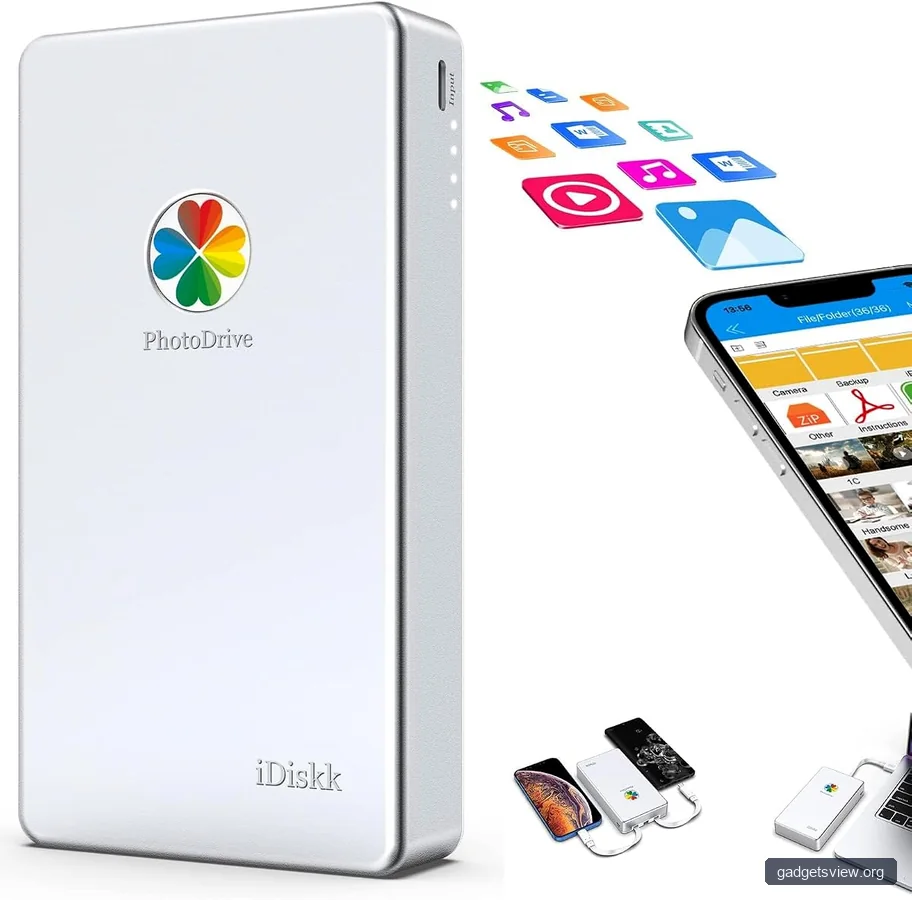
The best pick depends on how you use your computer. If you have a Mac, a drive that works smoothly with macOS and your preferred file format can save time. If you use Windows, you will want a drive that is easy to read, easy to write, and simple to manage with backup software.
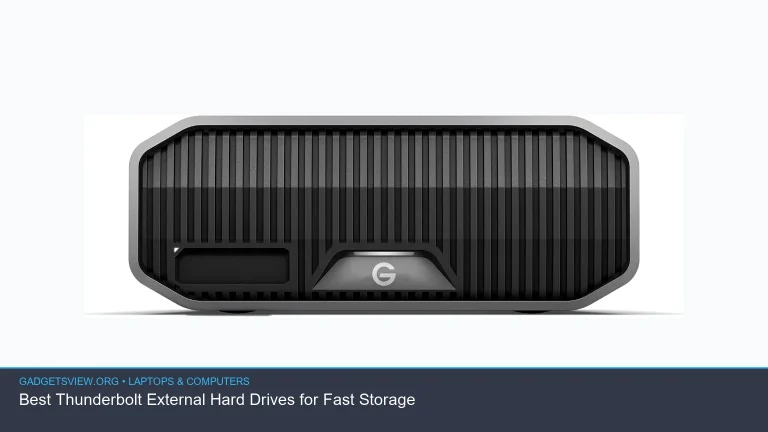
It also helps to decide whether you want a portable hard drive or a desktop-style external drive. Portable drives are easier to carry and keep near your laptop. Desktop drives often offer more space and are better if the drive will stay on a desk as a long-term backup target.
| Drive Type | Best For | Strengths | Limitations |
|---|---|---|---|
| Portable external hard drive | Laptop users, travel, everyday backups | Compact, easy to move, simple to store | Usually less capacity than larger desktop drives |
| Desktop external hard drive | Home office, large backup libraries | More storage, good for long-term backups | Less portable, needs more desk space and power |
| SSD external drive | Faster backups, frequent transfers | Fast, quiet, shock resistant | Often costs more per gigabyte |
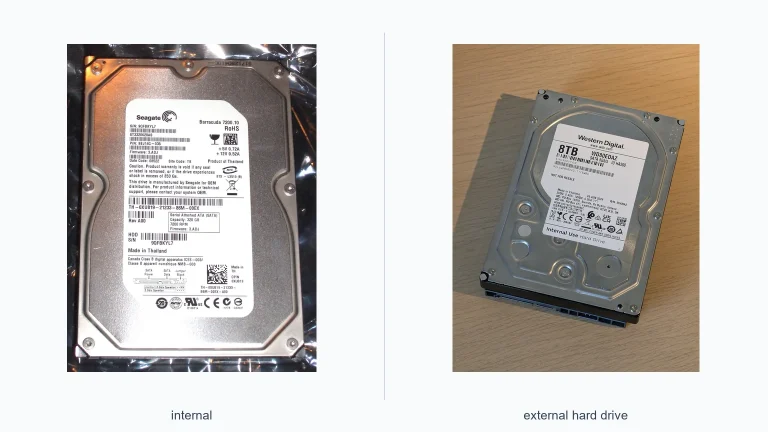
| Traditional hard drive | Budget-minded storage | Good value and large capacities | Slower and more sensitive to drops |
Who should choose what? If you want the simplest all-around option, pick a portable drive with enough room for repeated backups. If your iPhone backup is large or you also store media, a desktop drive may be the better long-term fit. If speed and durability matter most, an external SSD is often the most flexible choice, though it may not be the cheapest.
How to back up an iPhone to an external hard drive
Most iPhone backups are made on a computer first, then saved to the drive. That means the process is usually not “iPhone to hard drive directly,” but rather “iPhone to computer, then computer backup to external hard drive.” This is the normal path for many users and works well when set up correctly.
- Connect the external drive to your Mac or Windows PC.
- Make sure the drive has enough free space for the backup and future backups.
- Open your backup software on the computer.
- Connect your iPhone with a cable.
- Choose the option to create a local backup and confirm the destination if your software allows it.
- Wait for the backup to finish before unplugging anything.
- Eject the drive safely when the process is complete.
If you are using a Mac, Finder is often the place to manage device backups. On Windows, iTunes or other Apple device support tools may still be involved. Because software and settings can change, it is smart to verify the current steps in Apple’s support documentation before you start.
For many users, the simplest workflow is to keep the external hard drive connected during scheduled backup sessions. That lowers the chance of forgetting the backup or interrupting it halfway through. It also makes it easier to create regular copies, which is the real goal.
Selection criteria: what to look for before you buy
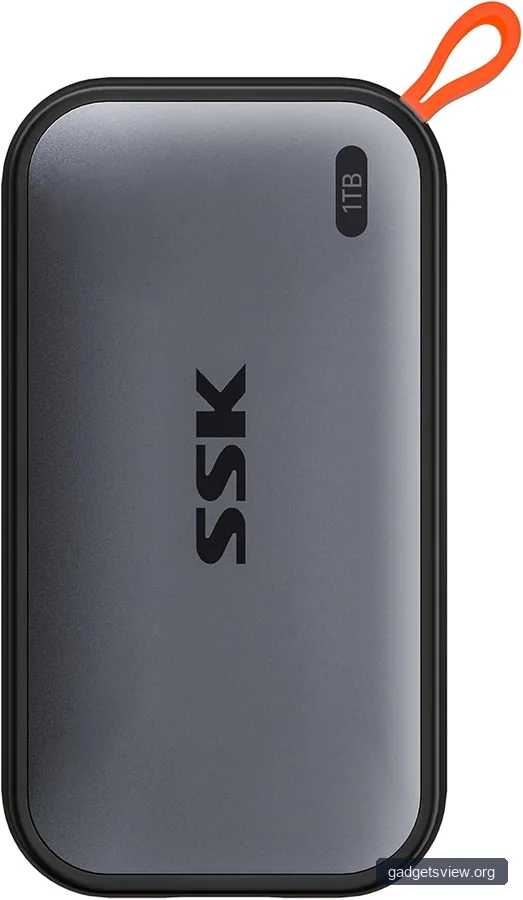
Use the checklist below to narrow your choice. You do not need the fanciest drive. You need the one that fits your device, your backup routine, and your storage needs.
- Capacity: Choose a drive with more space than your current backup needs so you can grow into it.
- Connection: Match the drive’s port to your computer, such as USB-A or USB-C, or plan for an adapter if needed.
- Compatibility: Make sure the drive works with your operating system and backup software.
- Speed: Faster drives help with large photo and video libraries.
- Reliability: Look for a model type known for steady performance, not just the highest headline speed.
- Portability: If you travel or move between rooms, a smaller drive is easier to keep with you.
It is also worth thinking about file safety. A backup drive should not be used as your only copy of important data forever. If the drive fails or is lost, your backup goes with it. For that reason, many people keep one local backup on an external drive and another copy in cloud storage or on a second device.
How to backup the computer to an external hard drive
The phrase how to backup the computer to an external hard drive is closely related to iPhone backup, because the computer is often the middle step. If your computer is already organized, your phone backup becomes much easier. A clean backup workflow also helps protect photos, downloads, and documents stored on the computer itself.
For a general computer backup, the basic idea is the same: connect the drive, open your backup tool, choose the external drive as the destination, and run a full or scheduled backup. On a Mac, this often means using built-in backup tools; on Windows, it may mean File History, backup software, or another system tool. The exact steps vary, so verify your current operating system version before starting.
A simple rule works well here: back up the computer first, then use that same drive only if it still has plenty of room for iPhone backups. If the drive is crowded, split the tasks. One drive can be for phone backups, while another can handle computer files.
Quick troubleshooting table
| Problem | Likely Cause | What to Try |
|---|---|---|
| Backup fails to start | Bad cable, loose connection, or drive not mounted | Reconnect everything, try another port, and confirm the drive appears in your system |
| Drive runs out of space | Backups are too large or old files were never removed | Delete unneeded old backups or move to a larger drive |
| Backup is very slow | Older drive, slow port, or heavy file load | Use a faster port, pause other transfers, or consider an SSD |
| Backup won’t open later | Software mismatch or corrupted backup file | Check software updates and keep more than one backup copy if possible |
Best use cases: which setup is right for you?
There is no single perfect external drive for every iPhone owner. The best choice depends on how often you back up, how much media is on your phone, and whether you also want to back up a laptop or desktop computer.
Choose a portable hard drive if you want an easy, low-hassle backup option and you do not need the largest possible capacity. This is a practical pick for students, remote workers, and anyone who moves between locations.
Choose a desktop drive if you want a set-it-and-forget-it backup station at home. This works well for households with multiple devices or for users who want room for years of backups.
Choose an external SSD if you value speed and durability more than the lowest cost per gigabyte. It is a strong choice for frequent backups, large photo libraries, and users who want a compact device with fewer moving parts.
Choose a second backup method if your data is especially important. The safest setup often includes one local external drive and one cloud copy or another offline backup. That way, one failure does not erase everything.
FAQ
Can I back up an iPhone directly to an external hard drive?
Usually, the backup is made through a computer first. The external drive then stores the computer-based backup. That is the most common and reliable setup for most users.
What size external hard drive do I need for iPhone backup?
Pick a drive with more room than your current phone backup needs. If you plan to keep multiple backups or also store computer files, choose a larger capacity so you do not run out of space too soon.
Is an SSD better than a hard drive for iPhone backups?
An SSD is often faster, quieter, and more durable against bumps. A traditional hard drive can still be a smart choice if you want more storage for less cost. The better choice depends on your budget and how often you back up.
Can I use the same drive for iPhone backup and computer backup?
Yes, but only if the drive has enough free space and you keep your files organized. If the drive is nearly full, separate backup jobs can reduce confusion and lower the risk of running out of space.
How often should I back up my iPhone?
That depends on how often you add important photos, videos, or files. A regular schedule, such as weekly or after major changes, is a good habit. If your phone holds critical data, more frequent backups are better.
Conclusion
The best external hard drive for iphone backup is the one that fits your computer, has enough space, and stays reliable over time. For most people, that means choosing a drive with the right connection, solid capacity, and easy compatibility with their Mac or Windows setup.
Start by deciding whether you need portable convenience, desktop storage, or SSD speed. Then confirm the current backup steps for your device and operating system, and set a regular backup routine you can keep. A good backup plan is simple, repeatable, and easy to trust.