If you need clearer voice pickup for calls, streaming, interviews, or office recordings, a directional microphone is often the best place to start. These mics focus on sound from a chosen direction and help cut down room noise, keyboard clatter, and side chatter. The right pick depends on how you work, where you record, and how much control you want over background sound. Below, you’ll find a practical buying guide, a simple comparison table, and the key features that matter most so you can choose with confidence.
📖 Table of Contents
📌 Key Takeaways
- A directional microphone helps isolate your voice and reduce off-axis noise, which is useful in offices, home studios, and shared spaces.
- The best choice depends on your pickup pattern, connectivity, noise handling, and whether you need a desktop, USB, or camera-ready setup.
- For most office tech buyers, simplicity matters: look for clear voice pickup, easy setup, and strong rejection of background sound.
- If you record in a noisy room, prioritize tighter directionality and physical placement options over extra features you may not use.
What a directional microphone does well
A directional microphone is built to hear more of what is in front of it and less of what comes from the sides or rear. That makes it a smart choice when your goal is clean speech, not room ambience. In office tech use, that often means better-sounding video calls, webinars, podcasts, voice memos, and screen recordings.
The main benefit is control. Instead of capturing every sound in the room, a directional mic helps emphasize your voice and reduce distractions like HVAC noise, desk taps, and nearby conversation. That said, it is not magic; placement still matters a lot, and a poor setup can still sound thin or echoey.
How to choose the right directional microphone
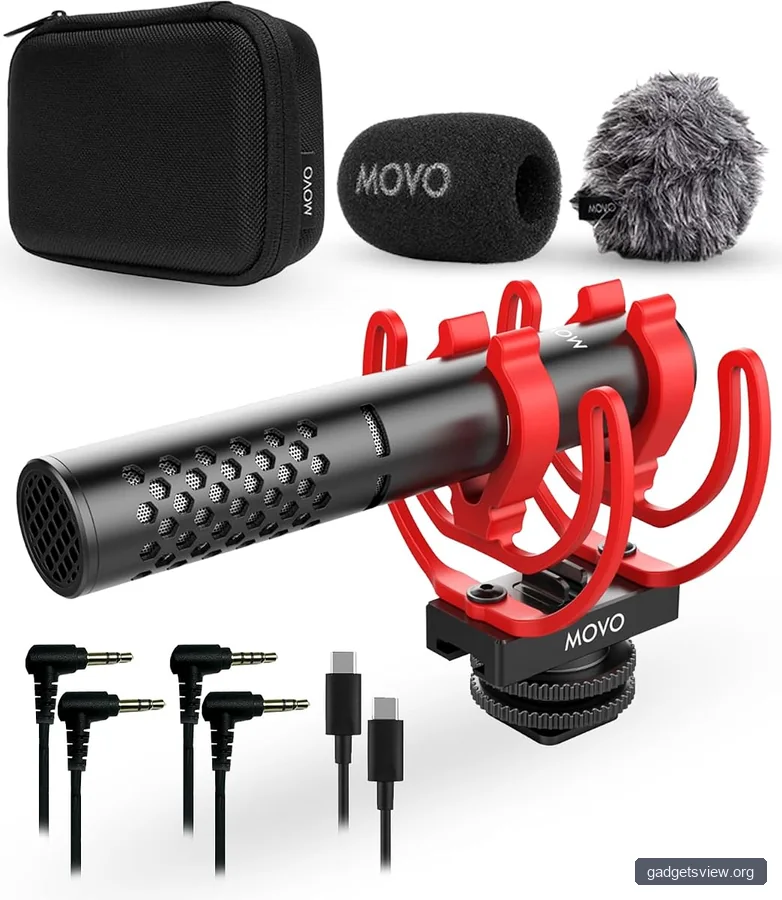
Buying a microphone is easier when you focus on use case first. Start by asking where you will use it, how much space you have, and whether you need plug-and-play convenience or more control. For commercial intent, the best choice is usually the one that matches your workflow with the least hassle.
1) Pick the right pickup pattern
Microphones often use patterns such as cardioid, supercardioid, or shotgun-style directionality. A cardioid mic is often a balanced choice for desk work because it focuses on the front while staying forgiving in small rooms. Tighter patterns can reject more side noise, but they may also demand more careful placement.
2) Match the mic to your setup
USB mics are usually the simplest for office use because they connect directly to a computer. XLR mics are better when you want a more flexible audio chain, but they require extra gear. If you work between a laptop, conference room, and home office, ease of switching may matter more than advanced audio control.
3) Think about room noise and distance
Directional pickup works best when the mic is closer to your mouth and pointed correctly. If you sit far away or talk across the room, even a good mic may sound weaker. In noisier rooms, a mic with stronger off-axis rejection can help, but room treatment and positioning still make a big difference.
4) Check the practical extras
Useful extras include mute controls, gain knobs, headphone monitoring, and stable mounting. These features may seem small, but they can save time during meetings and recordings. If you move the mic often, portability and a sturdy stand are worth paying attention to.
Directional microphone comparison table
The table below compares common directional microphone types so you can narrow your choice before shopping. It is not a list of specific products, since no product inventory was supplied.
| Type | Best For | Strengths | Limitations |
|---|---|---|---|
| Cardioid desktop mic | Office calls, basic recordings, home desks | Easy to use, good voice focus, versatile | Can still pick up nearby noise if placed poorly |
| Supercardioid mic | Noisier rooms, tighter speech capture | Stronger side rejection, better isolation | More sensitive to placement and room reflections |
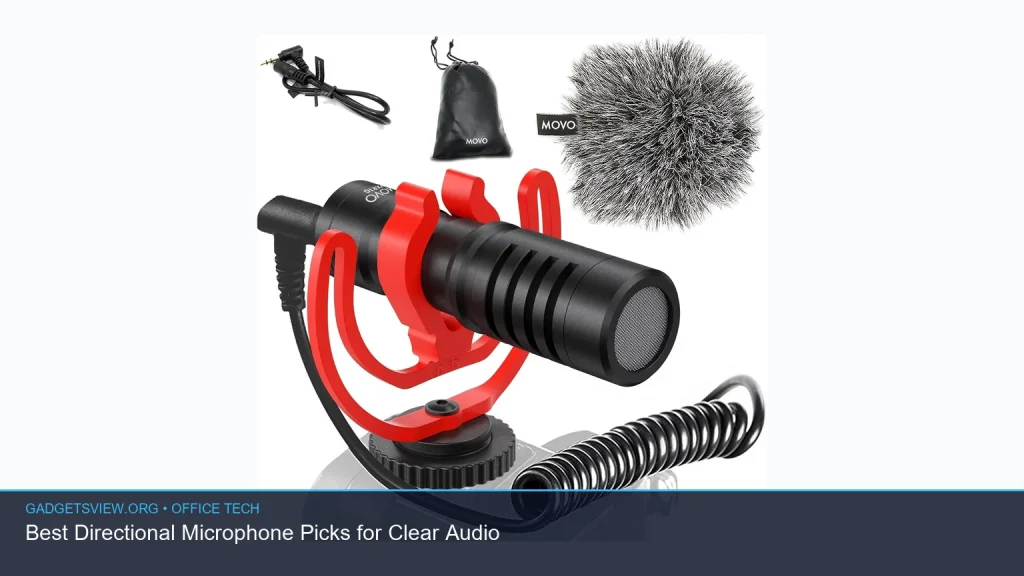
| Shotgun-style mic | Video, camera rigs, focused speech pickup | Highly directional, useful at a distance | Can sound unnatural in untreated rooms |
| USB directional mic | Simple plug-and-play office use | Easy setup, fewer accessories needed | Less flexible than pro audio setups |
Best use cases by buyer type
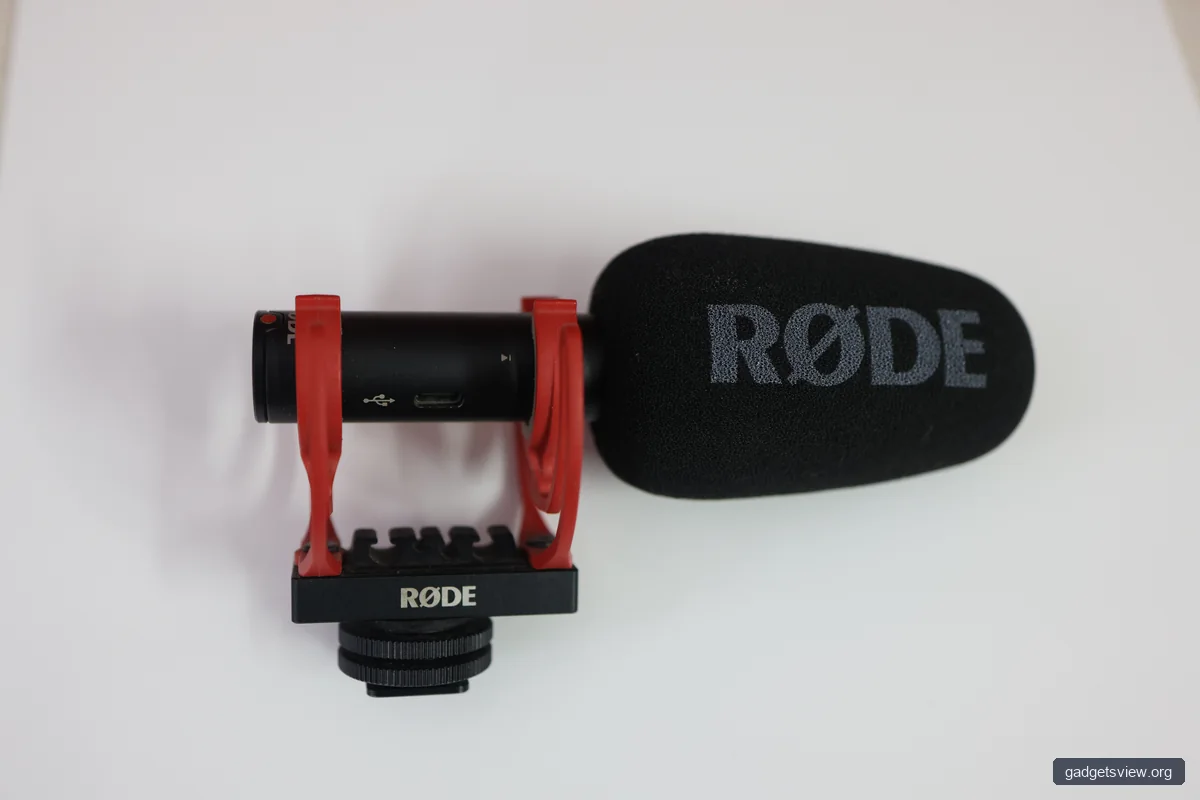
Different users need different levels of directionality. The best directional microphone for a remote worker is not always the best one for a presenter or content creator. Use the guide below to match the mic type to your main task.
For remote workers and office teams
Choose a simple desktop mic with a cardioid pattern if your main goal is cleaner video calls. This setup is usually the easiest to live with and gives solid voice clarity without a steep learning curve. It also tends to fit well into a normal desk layout.
For presenters and trainers
If you speak to groups, record demos, or stand farther from the mic, a more directional option may help. Look for a design that holds focus even when you move naturally. A mic that is too narrow can make your voice fade if your position changes often.
For creators and streamers
Content creators often need a stronger balance of isolation and tone. A mic that reduces room noise while still sounding natural is usually the best fit. If your room is untreated, a directional mic can help, but it should be paired with smart placement and basic acoustic control.
For interviews and hybrid meetings
If multiple speakers may take turns, flexibility matters more than extreme directionality. Look for a mic that captures speech clearly without sounding harsh when the speaker shifts slightly. In these cases, ease of use and consistent vocal tone often matter most.
How to judge quality before you buy
Because no specific products were provided, the safest approach is to compare feature sets instead of chasing brand names. Read the product page closely and confirm the mic is designed for your environment. Marketing terms can be vague, so focus on measurable and practical details.
Here are the main traits worth checking:
- Pickup pattern: Cardioid, supercardioid, or shotgun-style directionality.
- Connection type: USB for simplicity, XLR for more advanced audio chains.
- Noise handling: Look for clear off-axis rejection and any built-in noise controls.
- Placement options: Stand, boom arm, mount, or camera attachment support.
- Monitoring: A headphone jack can help you hear problems right away.
- Controls: Gain, mute, and pattern controls can improve daily use.
Who should choose what
If you want the simplest path to clearer voice audio, choose a USB cardioid directional microphone. It is the easiest fit for most home offices and keeps setup time low. That makes it a strong default for buyers who value convenience.
If your room is noisy or your voice gets buried by background sound, choose a tighter pattern such as a supercardioid or shotgun-style mic. These can help improve isolation, but they reward careful placement. If you already use an audio interface or want more upgrade room, an XLR directional microphone may be the better long-term choice.
| Buyer Need | Best Directional Mic Type | Why It Fits |
|---|---|---|
| Easy setup for meetings | USB cardioid | Simple, reliable, and office friendly |
| Noisy room | Supercardioid or shotgun-style | Stronger focus on the speaker |
| Future upgrade path | XLR directional mic | More flexible audio setup over time |
| Video and presentation use | Shotgun-style mic | Useful when you are not seated right on top of the mic |
Common mistakes to avoid
One common mistake is assuming a directional microphone will fix a bad room by itself. It can help, but echo, hard walls, and distant placement can still reduce clarity. Small changes like moving the mic closer and reducing reflective surfaces can make a bigger difference than expected.
Another mistake is choosing the narrowest pattern without thinking about daily use. Very tight directionality can sound great in the right setup, but it can also punish movement. If you shift in your chair or turn your head often, a slightly more forgiving mic may serve you better.
It also helps to avoid overbuying features you will not use. For many office buyers, clean voice pickup, stable mounting, and easy connection matter more than advanced controls. Focus on fit first, then extras.
FAQ
What makes a directional microphone different from an omnidirectional one?
A directional microphone focuses on sound from one area, usually the front. An omnidirectional mic hears more evenly from all around it. If you want less background noise and more voice isolation, directional is usually the better option.
Is a directional microphone good for Zoom or Teams calls?
Yes. It can improve voice clarity, especially in home offices or shared workspaces. The best results come when the mic is placed close to your mouth and aimed correctly.
Do I need USB or XLR?
USB is best if you want simple setup with fewer parts. XLR is better if you already use audio gear or want more flexibility later. For most office tech buyers, USB is the easier starting point.
Will a directional microphone remove all background noise?
No. It reduces unwanted sound, but it does not erase noise completely. For best results, combine a directional mic with smart placement and a quieter room.
Which pattern is best for a noisy office?
Supercardioid or shotgun-style mics can work well when you need stronger focus. Still, they may require careful aiming and placement. If you want the safest all-around choice, a cardioid mic is often the most forgiving.
Conclusion
The best directional microphone is the one that matches your space, your workflow, and your need for voice clarity. For many buyers, a USB cardioid model is the easiest and most practical choice. If your room is noisy or your setup is more advanced, a tighter pattern or XLR path may be worth it.
Before you buy, confirm the pickup pattern, connection type, and mounting options. Then match the mic to how you actually work day to day. That simple approach will help you get clearer audio with fewer surprises.