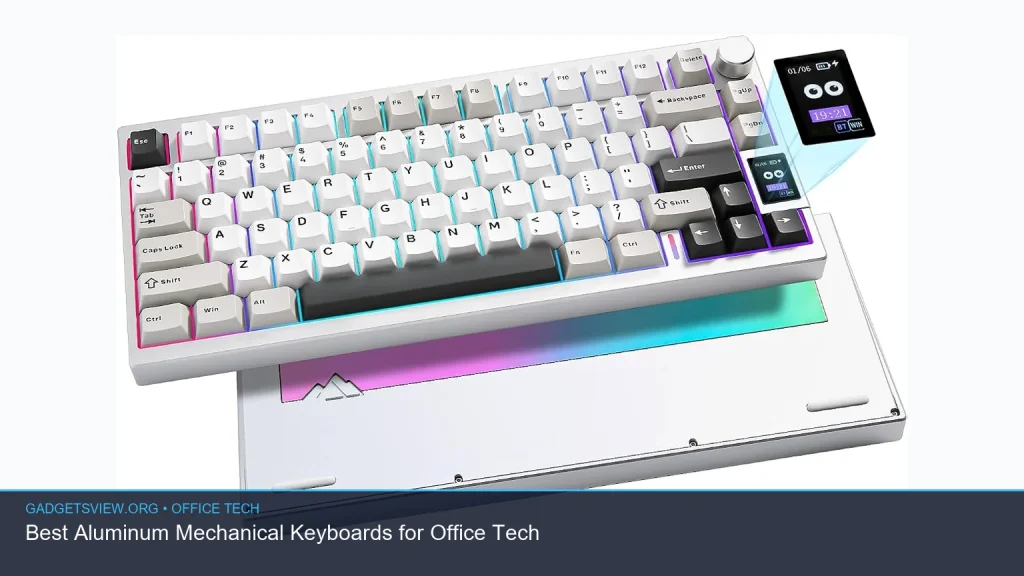
If you want a premium-feeling board for the office, an aluminum mechanical keyboard is one of the best places to start. The metal case adds a solid look and feel, and it often helps the keyboard stay planted during long typing sessions. In this guide, we’ll focus on the features that matter most for office use, compare a few notable models discovered in research, and help you choose the right one for your desk, workflow, and budget priorities.
📖 Table of Contents
- What Makes an Aluminum Mechanical Keyboard Worth It for Office Use?
- How to Choose the Best Aluminum Mechanical Keyboard for Work
- Notable Aluminum Mechanical Keyboard Models to Consider
- Strengths and Limitations of Aluminum Boards in an Office
- Who Should Choose What?
- What to Check Before You Buy
- FAQ
- Conclusion
Products mentioned
- YUNZII AL68 Aluminum Wireless Mechanical Keyboard(Silver, Gateron Zero)
View current product details - YUNZII AL80 75% Wireless Aluminum Mechanical Keyboard(Silver,Cocoa Cream)
View current product details - YUNZII AL80 75% Wireless Aluminum Mechanical Keyboard(Black, Cocoa Cream)
View current product details - KEEBMONKEY PMOKEY Wave 75 CNC Aluminum Quick Release Tri-Mode Wireless Gaming Keyboard,QMK/VIA Tri-Mode Mechanical Keyboard with 8000mAh Battery,Hot-Swappable w
View current product details - LEOBOG x AULA HI75C Pro PC Gaming Aluminum Alloy Keyboard,Bluetooth/USB-C/Wireless Tri-Modes Mechanical Keyboards,Hot Swappable Brown Creamy Keyboard with Turqu
View current product details - MK INKY75 CNC Aluminum Mechanical Keyboard Triple-Mode Connectivity Gaming Keyboard, 75% Layout Mechanical Keyboard,with Superior Acoustics, Creamy Sounding, RG
View current product details
Availability, specifications, and prices can change; verify them on the product page.
📌 Key Takeaways
- An aluminum mechanical keyboard is a strong fit for office tech because it usually feels stable, durable, and more premium than plastic boards.
- For most office users, the best choices balance build quality, quiet switches, wireless support, and a practical layout like 75% or compact full-size.
- Hot-swappable and tri-mode models are especially useful if you want flexibility for work, home, and travel setups.
- Before buying, check layout, switch sound, battery needs, and software support so the keyboard fits your actual work habits.
What Makes an Aluminum Mechanical Keyboard Worth It for Office Use?
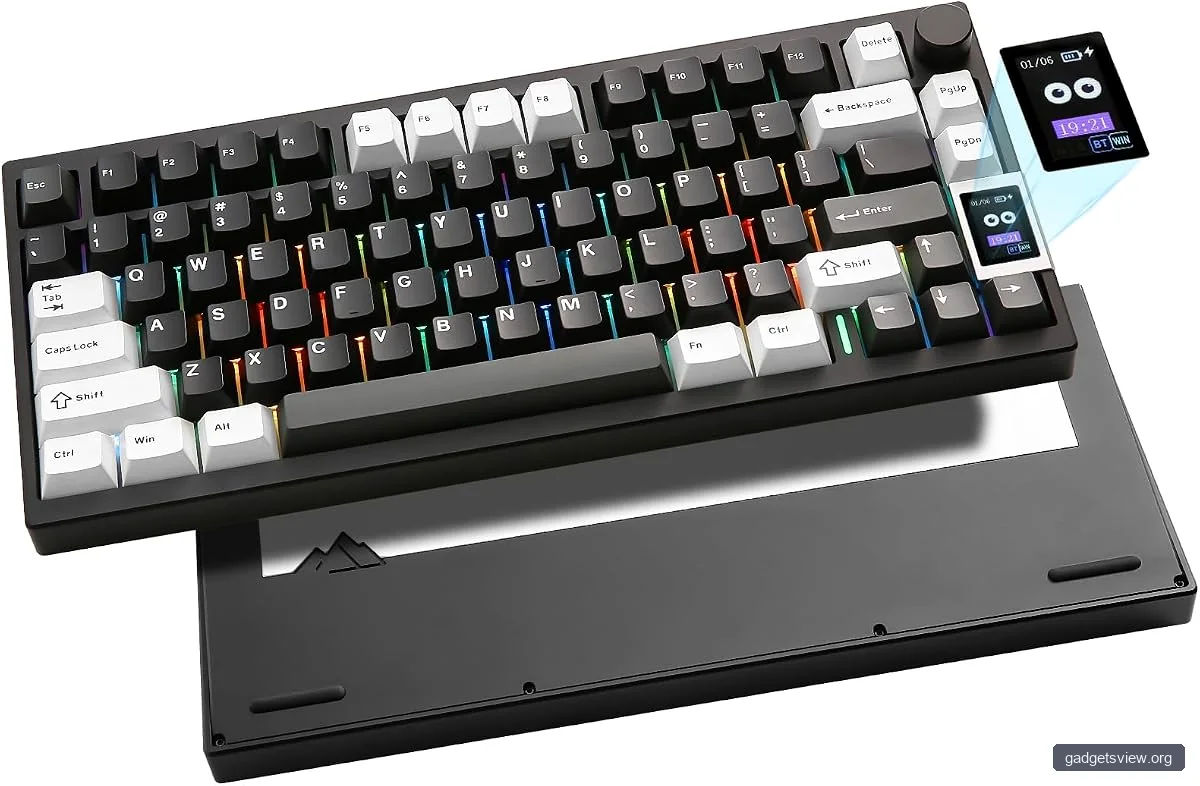
Office keyboards need to do more than look good. They should feel steady, type comfortably for hours, and avoid adding noise or clutter to a workspace. That is why an aluminum mechanical keyboard has become popular with buyers who want a better desk experience without going fully custom.
Aluminum cases are usually valued for their rigidity and weight. That can make typing feel more controlled, while also helping the keyboard resist sliding during fast work sessions. For office tech, that steady feel matters as much as the visual finish.
Why office users choose aluminum
- Stability: Less desk movement during typing.
- Durability: Metal cases can better handle daily use.
- Premium feel: A cleaner, more polished desk presence.
- Sound profile: Many users prefer the deeper, more solid tone of metal-bodied boards.
That said, aluminum is not automatically better for everyone. Some models are heavier, and some can sound louder than expected depending on switches and internal dampening. The right board depends on whether you want quiet productivity, a compact layout, or a more customizable setup.
How to Choose the Best Aluminum Mechanical Keyboard for Work
If you are shopping for office use, focus on the parts that shape daily comfort. A nice case alone is not enough if the layout feels cramped, the keys are too loud, or the connection is unreliable. The best choice should fit both your desk and your routine.
| Selection factor | Why it matters for office use | What to look for |
|---|---|---|
| Layout | Affects desk space and workflow | 75%, 80%, or full-size depending on number pad needs |
| Switch type | Impacts sound and feel | Linear or tactile switches with a quieter profile |
| Connectivity | Affects desk cleanliness and flexibility | Wireless, Bluetooth, USB-C, or tri-mode support |
| Hot-swap support | Helps with future switch changes | Hot-swappable PCB if you like experimenting |
| Battery life needs | Important for wireless office setups | Enough capacity for your workday habits |
It also helps to think about software. If you want custom shortcuts or layers, look for support such as QMK or VIA when available. If you prefer simplicity, a board with minimal setup may be the better office fit.
Notable Aluminum Mechanical Keyboard Models to Consider
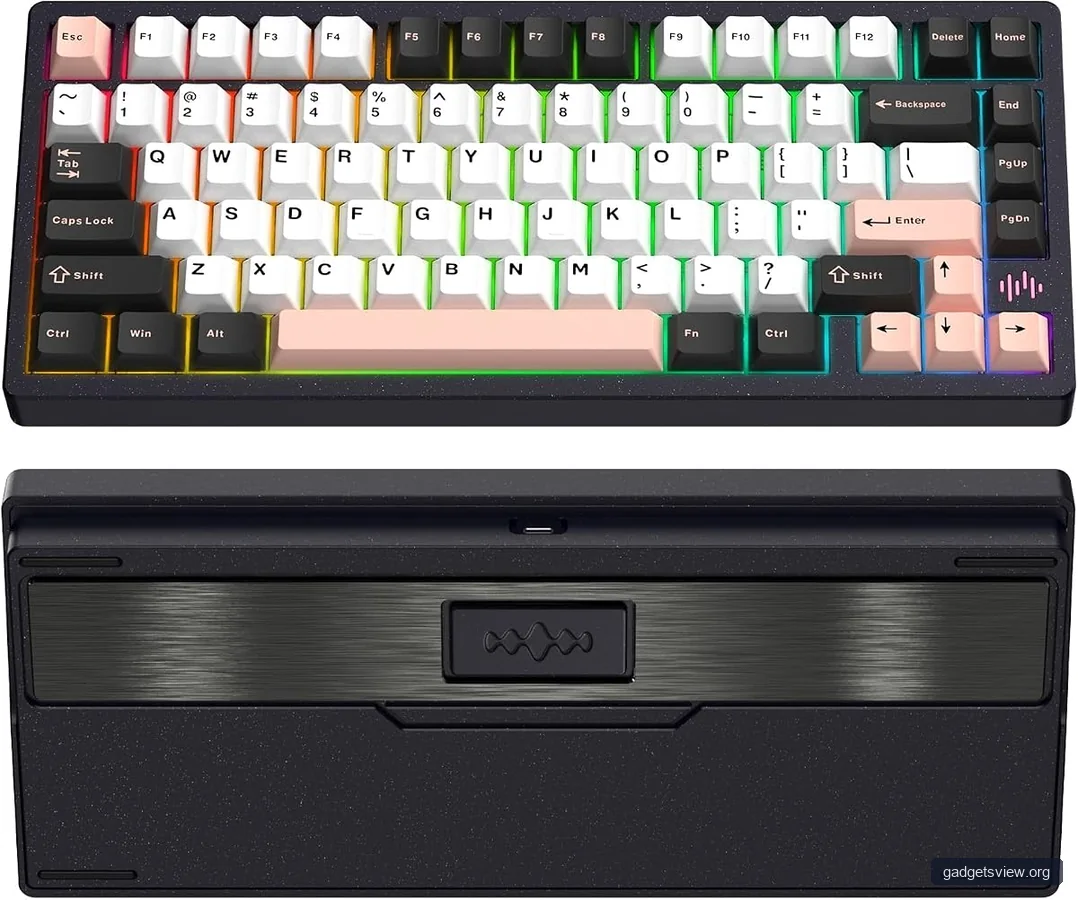
The research points to a few model families that fit this category well. Since product titles alone do not prove every performance claim, the list below is best used as a starting point for comparison rather than a final ranking. Always verify current specs with the seller before purchase.
| Model | Best fit | Main appeal | Potential drawback |
|---|---|---|---|
| YUNZII AL68 Aluminum Wireless Mechanical Keyboard | Compact office desks | Smaller footprint with wireless convenience | May feel tight if you rely on extra keys |
| YUNZII AL80 75% Wireless Aluminum Mechanical Keyboard | Most office users | Balanced 75% layout and wireless use | No dedicated numpad |
| KEEBMONKEY PMOKEY Wave 75 CNC Aluminum Quick Release Tri-Mode Wireless Gaming Keyboard | Power users who want customization | Tri-mode, QMK/VIA support, quick-release design | May be more complex than needed for basic office typing |
| LEOBOG x AULA HI75C Pro PC Gaming Aluminum Alloy Keyboard | Users wanting multi-device flexibility | Bluetooth, USB-C, and wireless modes | Gaming branding may not appeal to all office setups |
| MK INKY75 CNC Aluminum Mechanical Keyboard | Typing-focused 75% users | 75% layout and emphasis on acoustics | Sound preferences are subjective |
The YUNZII AL80 stands out as a practical middle ground because the 75% layout keeps useful keys without taking over the desk. The AL68 is the better pick if space is tight. The KEEBMONKEY PMOKEY Wave 75 may suit buyers who want deep customization, while the LEOBOG x AULA HI75C Pro and MK INKY75 appeal to users who care about multi-mode use and typing feel.
Strengths and Limitations of Aluminum Boards in an Office
Aluminum mechanical keyboards are appealing, but they come with tradeoffs. Knowing both sides helps you avoid overbuying features you will never use. That is especially important in office tech, where comfort and reliability matter more than flashy extras.
Common strengths
- Desk stability: Helpful if you type quickly or use a light touch.
- Professional look: Often blends well with modern monitors and accessories.
- Customization potential: Many aluminum boards support hot-swap switches and remapping.
- Better perceived value: The case alone can make the keyboard feel more substantial.
Common limitations
- Weight: Less convenient if you move between locations often.
- Noise risk: Metal cases can sound pingy if the build is not tuned well.
- Price sensitivity: Aluminum often costs more than plastic alternatives.
- Learning curve: Custom software and layers may take time to set up.
For office use, the biggest mistake is choosing based on material alone. A well-tuned plastic board can be better than a poorly tuned metal one. The case matters, but switches, stabilizers, and layout matter too.
Who Should Choose What?
If you are trying to narrow the list, start with your work style. The right aluminum keyboard depends on how much space you have, how often you switch devices, and whether you want a simple setup or a more customizable one.
| If you are… | Best choice direction | Why |
|---|---|---|
| Short on desk space | YUNZII AL68 | Smaller footprint and wireless convenience |
| Want a balanced daily driver | YUNZII AL80 | 75% layout gives a strong mix of size and usability |
| Like advanced customization | KEEBMONKEY PMOKEY Wave 75 | QMK/VIA support and tri-mode flexibility |
| Need easy device switching | LEOBOG x AULA HI75C Pro | Bluetooth, USB-C, and wireless options |
| Care most about typing sound | MK INKY75 | Positioned around acoustics and a typing-friendly layout |
The cleanest office choice for most readers is a 75% aluminum board with wireless or tri-mode support. That format saves space without forcing you into an ultra-compact layout. If you rely on spreadsheets or heavy number entry, you may still prefer a larger board or an external numpad.
What to Check Before You Buy
A good purchase starts with a few practical checks. Product titles can point you in the right direction, but they do not replace current listing verification. Make sure the keyboard actually supports the setup you want before you commit.
- Confirm the layout: Make sure 75%, 80%, or compact size fits your work.
- Check the switch type: Choose quieter options if you share a workspace.
- Review connection modes: Decide whether Bluetooth, 2.4 GHz wireless, or USB-C matters most.
- Look for hot-swap support: This helps if you may change switches later.
- Verify software support: Check whether remapping and layers are easy to manage.
- Read the current product page carefully: Confirm case finish, keycaps, battery details, and included accessories.
If a listing mentions features like QMK, VIA, or tri-mode operation, treat those as useful signals, not a guarantee of the exact user experience. Small details in tuning, stabilizers, and internal foam can affect how the board sounds and feels. For office buyers, those details can matter as much as the headline specs.
FAQ
Is an aluminum mechanical keyboard better than a plastic one for office work?
Not always, but it often feels more premium and stable. Aluminum is a strong choice if you value desk presence and firmness. Plastic can still be better if you want a lighter, cheaper, or quieter setup.
What layout is best for office use?
For most people, 75% is the sweet spot. It keeps most important keys while saving desk space. If you need a number pad often, a larger layout may be a better fit.
Are aluminum mechanical keyboards too loud for the office?
They can be if the switches or internal tuning are not office-friendly. A quieter switch choice and proper dampening help a lot. If noise is a concern, prioritize models with a calmer sound profile and check reviews from current buyers.
Do I need hot-swappable switches?
Not required, but very useful if you like to customize feel and sound later. It also gives you more room to adapt the board if your office environment changes. For first-time buyers, it is a nice flexibility feature.
Should I choose wireless or wired?
Wireless is cleaner and more flexible for most office desks. Wired USB-C is still a smart choice if you want the simplest possible setup or never want to think about charging. Tri-mode boards offer the most flexibility, but they can be more expensive or feature-heavy.
Conclusion
If you want a dependable, premium-feeling board for work, an aluminum mechanical keyboard is a smart office-tech upgrade. The best choice depends on layout, switch feel, sound, and connection options more than the case material alone. For most readers, a 75% wireless aluminum model is the most balanced place to start.
Next, shortlist two or three options, compare their current listings, and match them to your desk space and typing habits. That simple step will do more than chasing the most expensive model.