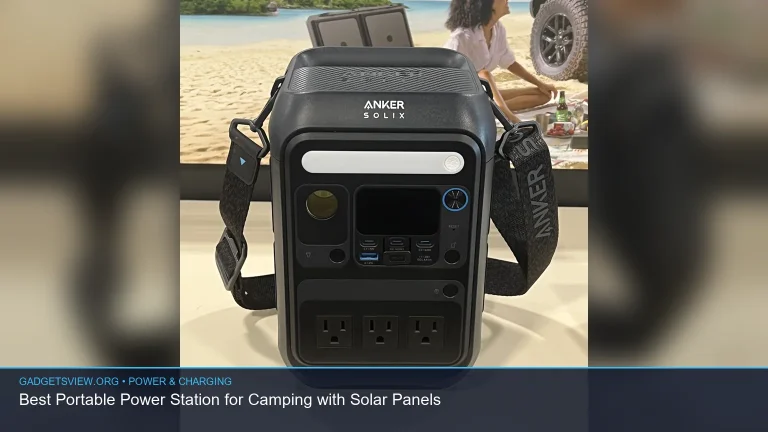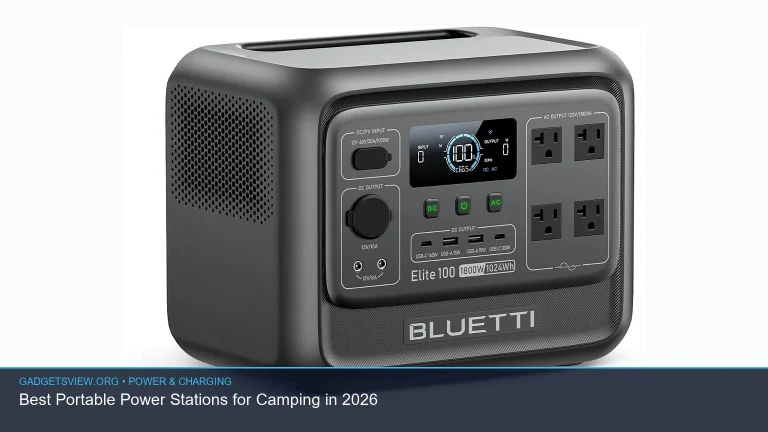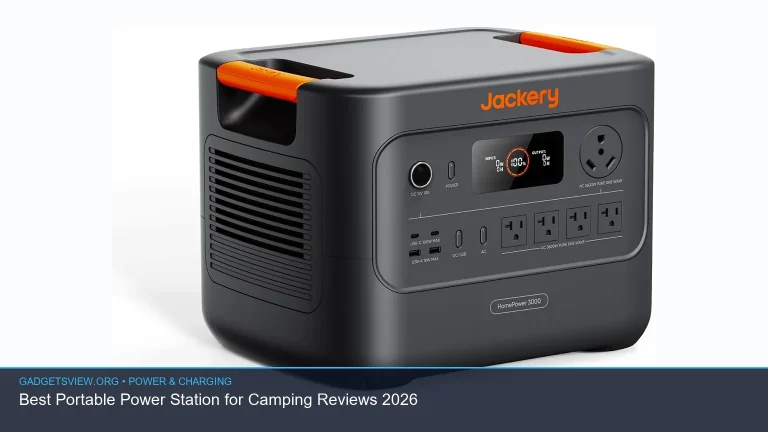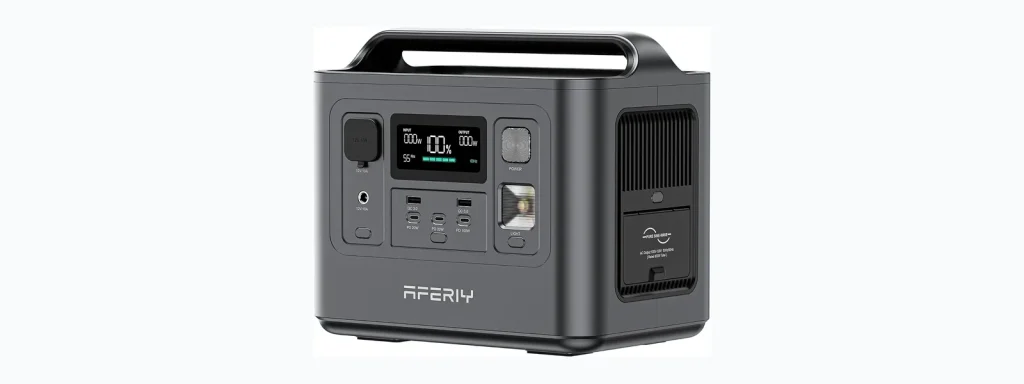
If you are asking are portable power stations worth it for home use, the short answer is: often yes, but only for the right household. They can keep phones, lights, routers, laptops, and some small appliances running during outages or when you need backup power without noise or fumes. The value depends on how often you lose power, what you need to run, and whether you want a cleaner, simpler backup than a gas generator. For many US homes, a portable power station is a smart buy for basic emergency power and everyday flexibility.
📖 Table of Contents
- What a Portable Power Station Does at Home
- Are Portable Power Stations Worth It for Home Use?
- How to Compare Portable Power Stations for Home Backup
- Who Should Choose a Portable Power Station vs Other Backup Options
- How to Decide if the Cost Is Worth It
- Practical Tips for Getting More Value from a Portable Power Station
- FAQ: Are Portable Power Stations Worth It?
- Conclusion: So, Are Portable Power Stations Worth It?
📌 Key Takeaways
- Portable power stations make the most sense for short outages, essential devices, and indoor-safe backup power.
- They are usually easier to use than gas generators, but they may not run large appliances for long periods.
- Your best choice depends on battery capacity, output ports, recharge options, and what you want to power.
- For full-home backup or long outages, a portable power station may help, but it may not replace a larger generator or home battery system.
What a Portable Power Station Does at Home
A portable power station is a rechargeable battery pack with built-in outlets and ports. It can power or charge devices like phones, tablets, laptops, Wi-Fi routers, lights, fans, and some medical or household gear, depending on its output.
For home use, its appeal is simple: it gives you backup power without fuel, exhaust, or a loud engine. That makes it useful for apartments, condos, suburban homes, and any space where a gas generator is not practical or allowed.
Common home uses
- Keeping internet and phones on during an outage
- Running lamps or small LED lights at night
- Powering laptops for work or school
- Charging battery-powered devices
- Supporting CPAP machines or similar devices, if the unit meets the needed power output
Think of it as a clean, quiet backup power source for essentials, not a whole-house solution in most cases. That distinction matters when deciding whether it is worth the cost.
Are Portable Power Stations Worth It for Home Use?
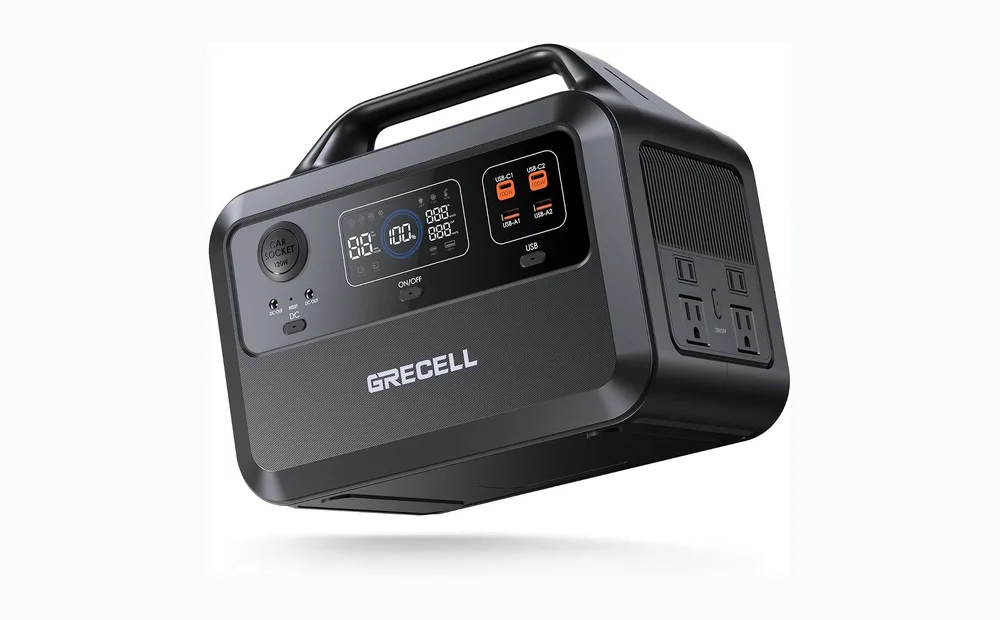
Yes, they can be worth it if you want simple, indoor-safe backup power for outages or flexible power for daily life. They are especially appealing if your main need is to keep essential devices running for a few hours, not to power an entire home.
They are less compelling if you expect long runtime for large appliances, heavy tools, or central heating and cooling. In that case, a different backup setup may make more sense.
Best fit for these households
- People in areas with occasional outages
- Apartment and condo residents
- Remote workers who need routers and laptops online
- Households looking for quieter emergency power
- Buyers who want a low-maintenance backup option
When they may not be worth it
- You need to run major appliances for many hours
- You want automatic whole-home backup
- You have very infrequent outages and little need for portable power
- You are trying to replace a full generator setup on a tight budget
The real question is not just cost. It is whether the convenience, safety, and simplicity match your home’s needs.
How to Compare Portable Power Stations for Home Backup
For commercial intent, comparison should focus on practical selection criteria. Do not start with brand hype. Start with what you need to power, then match the station to that load.
| What to Compare | Why It Matters | Best For |
|---|---|---|
| Battery capacity | Determines how long devices can run | Longer backup time |
| AC output | Shows what appliances it can power | Laptops, fans, small appliances |
| Port selection | Affects how many devices you can charge at once | Families and shared households |
| Recharge options | Tells you how easy it is to refill power | Emergency readiness |
| Weight and size | Affects portability and storage | Small homes, RV use, easy carrying |
Strengths
- Quiet operation
- Indoor-safe compared with fuel-burning generators
- Easy to use in a power outage
- Useful beyond emergencies
- Low maintenance compared with gas units
Limitations
- Limited runtime for big loads
- Capacity can run out quickly if you power many devices at once
- Higher-capacity models can be bulky
- Not all models can support every appliance
In simple terms, the more power you want, the more carefully you must compare outputs and capacity. A station that looks powerful on paper may still be a poor fit for your actual home backup needs.
Who Should Choose a Portable Power Station vs Other Backup Options
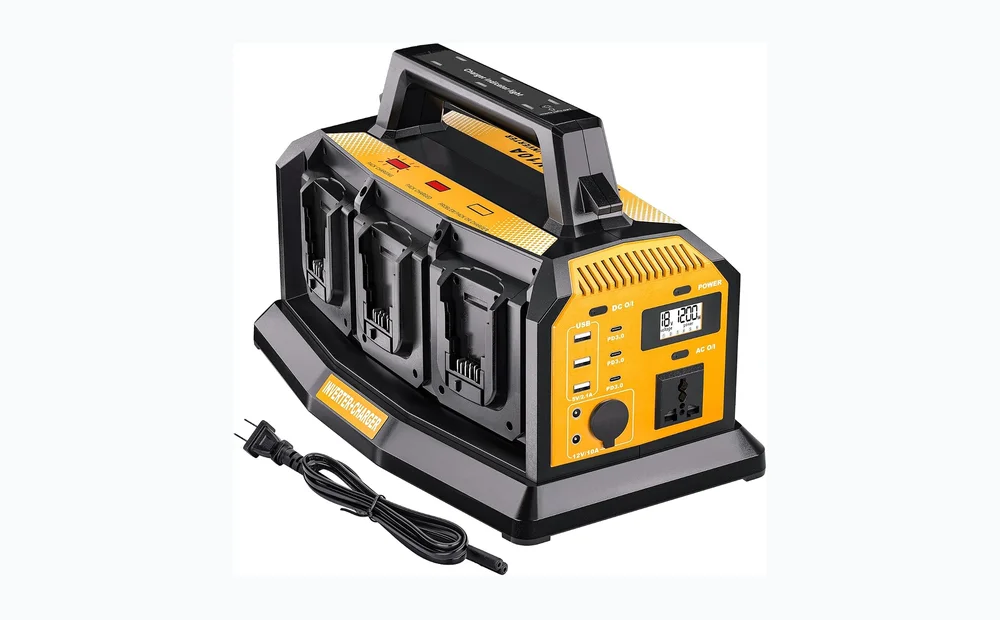
This is where the decision gets clearer. Not every home needs the same backup plan, and portable power stations sit in the middle of convenience and capability.
| Option | Strengths | Limitations | Best For |
|---|---|---|---|
| Portable power station | Quiet, indoor-safe, easy to use | Limited runtime for heavy loads | Essentials, short outages, apartments |
| Gas generator | Can handle more power and longer outages | Noise, fumes, fuel storage, maintenance | Long outages, bigger appliances |
| Home battery system | Can integrate with home backup use | Usually higher cost and less portable | Whole-home planning, installed backup |
| Small UPS | Best for instant switchover for electronics | Very limited capacity | Routers, desktops, small electronics |
Who should choose what? Choose a portable power station if you want easy backup for essentials and value portability. Choose a gas generator if you need much more runtime and can manage fuel and outdoor use. Choose a home battery system if you want a more permanent setup. Choose a UPS if your main goal is protecting specific electronics from sudden shutdowns.
How to Decide if the Cost Is Worth It
To judge value, compare the unit’s role in your home to how often you would actually use it. A portable power station is worth more when it solves a real problem, not when it sits unused in a closet.
Use this simple decision checklist
- List the devices you want to power during an outage.
- Check the wattage of each device on its label or manual.
- Add up what you need to run at the same time.
- Estimate how long you want backup power to last.
- Compare that need with the station’s output and battery capacity.
- Confirm how you will recharge it after use.
If you mainly need to keep a router, phone, and a few lights on, a portable power station can be a strong value. If your list includes a refrigerator, space heater, or other high-draw appliance, make sure the station is truly sized for that load before you buy.
Questions to ask before buying
- Will this power the devices I care about most?
- How many hours of backup do I really need?
- Will I need to carry it often?
- Can I recharge it easily at home, in the car, or with solar input if supported?
- Do I need emergency use only, or also daily convenience?
The best purchase is the one that matches your actual backup plan. Overspending on unused capacity is just as unhelpful as buying too little power.
Practical Tips for Getting More Value from a Portable Power Station
Even a good unit can feel underwhelming if you use it poorly. A few habits can make it much more useful at home.
Simple ways to stretch runtime
- Power only the essentials first
- Use LED lights instead of larger lamps where possible
- Charge devices before the outage becomes urgent
- Turn off unused outputs
- Keep the unit charged and ready, not empty in storage
Also, keep realistic expectations. Portable power stations are about selective backup, not unlimited power. If you plan like that from the start, you are more likely to feel satisfied with the purchase.
FAQ: Are Portable Power Stations Worth It?
Can a portable power station run a refrigerator?
Sometimes, but it depends on the refrigerator’s power needs, the station’s output, and the battery capacity. Start-up surges can be a problem, so check both the appliance’s requirements and the power station’s specifications before relying on it.
Are portable power stations better than gas generators for home use?
For many people, yes, if the goal is quiet, indoor-safe backup for essentials. Gas generators are usually better for longer outages and larger loads, but they come with fuel, noise, and maintenance tradeoffs.
How long will a portable power station last during an outage?
That depends on what you power and for how long. Small devices may run for many hours, while larger loads can drain the battery quickly. Always calculate your expected use rather than assuming a single number fits every situation.
Do portable power stations need maintenance?
They need much less maintenance than fuel generators, but they are not zero-maintenance. Keep them charged as directed by the maker, store them in a suitable environment, and check the manual for battery care and safety guidance.
Are they good for apartments and condos?
Yes, often very good. Their quiet operation and lack of fumes make them practical where gas generators are not allowed or would be unsafe.
Conclusion: So, Are Portable Power Stations Worth It?
For many US homes, portable power stations are worth it when you want clean, quiet backup for essential devices and short outages. They are a strong fit for apartments, families working from home, and anyone who values simple emergency power without fuel or noise.
Before buying, define what you want to power, how long you need it to run, and how you will recharge it. If those answers point to modest backup needs, a portable power station can be a smart and useful purchase.