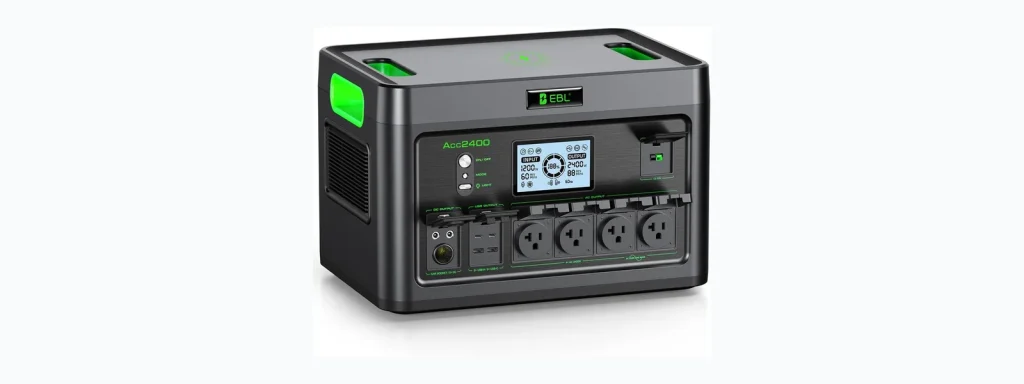
If you’re looking for a portable power station for camping NZ, the best choice depends on how you camp, what you need to charge, and how long you stay off-grid. This guide explains the key features to compare, the battery types to look for, and the trade-offs that matter most for camping in New Zealand. It is written for US readers who want a clear, practical buying guide without product hype. By the end, you’ll know how to narrow your options and choose a unit that fits your camping style.
📖 Table of Contents
- What a portable power station does on a camping trip
- Portable power station for camping NZ: what matters most
- How to choose the right size for your camping style
- Features worth paying attention to
- Comparison of common camping power station types
- How to compare models without getting overwhelmed
- Common mistakes to avoid
- FAQ
- Conclusion
📌 Key Takeaways
- Match capacity and output to your real camping needs, not to the biggest number you can find.
- For camping, portability, charging options, and battery chemistry matter more than extra features you may never use.
- Check how you’ll recharge it: wall power, car charging, or solar can change what size makes sense.
- Always confirm plug types, input limits, and any travel or transport rules before you buy.
What a portable power station does on a camping trip
A portable power station is a rechargeable battery pack with built-in outlets. It can power or recharge small devices like phones, lights, cameras, fans, tablets, and some small appliances. For camping, it gives you quiet, clean power without running a fuel generator.
For many campers, that means more comfort and less stress. You can keep devices charged, run a lantern after dark, and avoid draining your car battery. If you camp in remote areas, a power station can also support basic backup power when you need it most.
Portable power station for camping NZ: what matters most
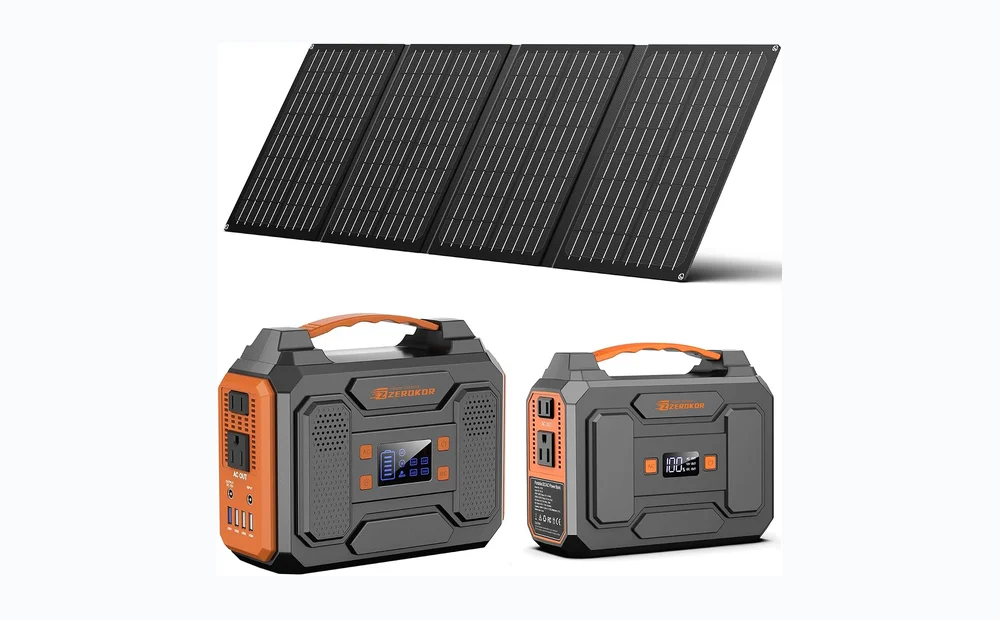
When comparing a portable power station for camping NZ, start with your actual use case. A weekend tent camper has very different needs from someone who powers a fridge, drone, or CPAP machine. The right choice is the one that balances capacity, weight, and charging speed.
1) Battery capacity
Capacity is usually listed in watt-hours, or Wh. A higher Wh number means the unit can store more energy, which usually means more charges or longer runtime. For simple camping needs, a modest capacity may be enough; for multi-day trips or power-hungry gear, you will need more.
Try to estimate what you will run and for how long. Phones and headlamps need far less power than cooking gear or coolers. If you are unsure, choose a little more capacity than you think you need, but do not overbuy for weight alone.
2) Output power
Output power tells you what the station can run at one time. This matters if you plan to use several devices together, or if one item has a high startup load. A unit can have a large battery but still fail if its output is too low for your gear.
Check the continuous output rating and any surge rating if available. Then compare that to the needs of your devices. This step helps avoid frustration and prevents tripping the unit’s safety limits.
3) Portability
Camping gear should be easy to carry, pack, and store. A smaller unit may be more realistic if you move camps often, hike to your site, or have limited space in the car. Larger stations can be useful, but they are less convenient if they become a burden to transport.
Think about how you travel. If you car camp, weight matters less than if you carry gear long distances. If you are unsure, look for a size you can lift comfortably with one hand or carry short distances without strain.
4) Recharge options
One of the most useful features is flexible recharging. Many stations can recharge from wall power, a vehicle outlet, or solar panels. That flexibility matters in remote camping because it changes how independent you can be.
Solar charging can be helpful for longer stays, but it is weather dependent and usually slower than wall charging. Car charging is convenient on road trips, while AC charging is often the fastest when you are back at base. Make sure the station supports the recharge methods you plan to use.
5) Battery chemistry and lifespan
Battery chemistry affects safety, weight, and long-term durability. Many buyers prefer lithium iron phosphate, often called LiFePO4, because it is known for strong cycle life and stable performance. Other lithium-based chemistries may be lighter or cheaper, but they may not offer the same longevity profile.
If you camp often, battery lifespan becomes important. A longer-lasting battery may cost more up front, but it can make more sense over time. If you camp only a few times a year, a simpler model may still be a good fit.
How to choose the right size for your camping style
The best sizing method is to start with your devices and build from there. Think about what you need to power each day, how often you can recharge, and whether you are camping for one night or several. Then choose a station that comfortably covers that load.
Use this decision table as a quick guide.
| Camping need | What to prioritize | Best fit |
|---|---|---|
| Weekend camping with phones, lights, and small accessories | Light weight, simple charging, enough ports | Smaller, easy-to-carry station |
| Family camping with multiple devices | More capacity and more output options | Mid-size station |
| Longer off-grid stays or power-hungry gear | Higher capacity, strong output, solar compatibility | Larger station |
| Frequent travel or hiking to camp | Low weight, compact size, fast recharge | Compact station |
Features worth paying attention to
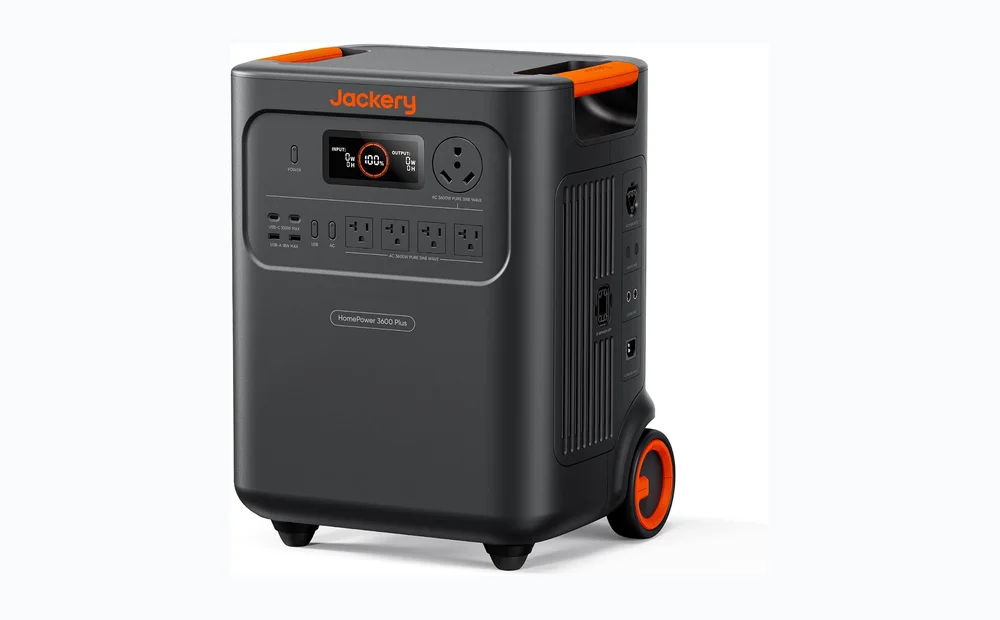
Not every feature adds real value for camping. Some are useful, while others are nice to have only if they fit your routine. Focus on the features that support safe, simple use in the field.
Ports and outlets
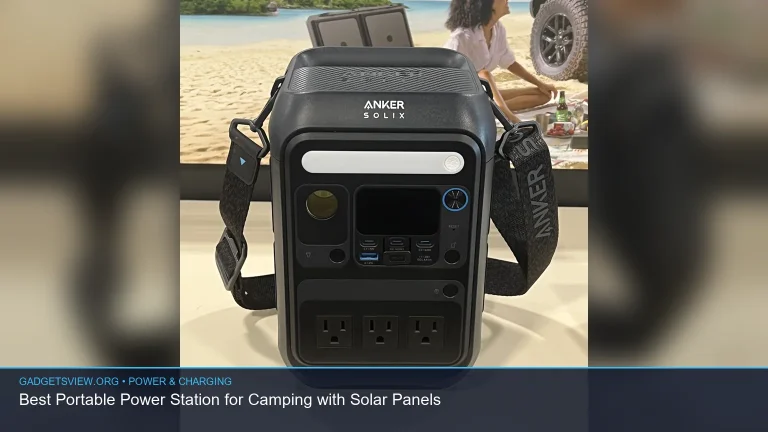
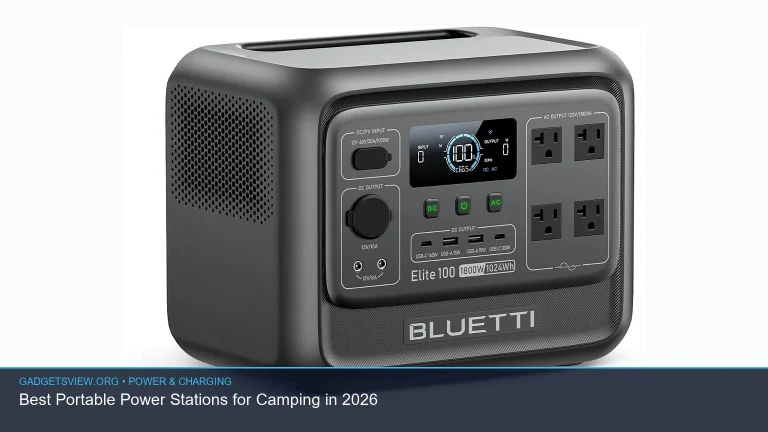
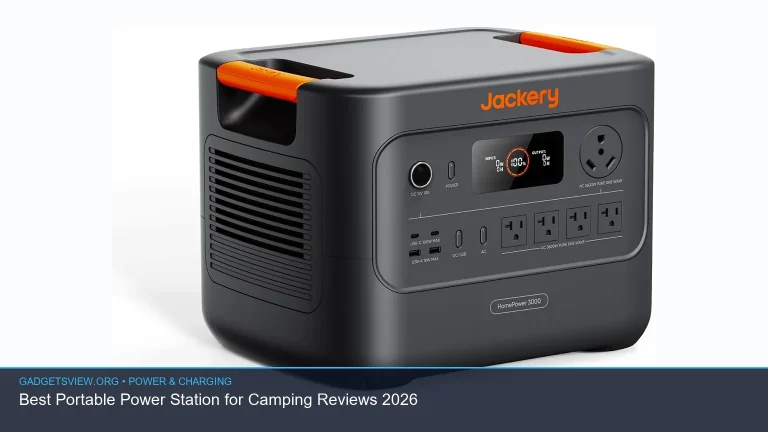
Look for the port mix you actually need. USB-C and USB-A are helpful for phones and small electronics. AC outlets matter if you want to run household-style plugs, while DC ports may suit certain camping gear.
The number of ports matters too. If several people will charge devices at once, you may need more than one fast-charge option. Make sure the layout is practical, not just crowded with ports you will never use.
Display and controls
A clear display can make camping easier. It helps you see battery level, input, output, and remaining runtime estimates. That information is useful when you want to conserve power during a longer trip.
Simple controls are often better outdoors. If the interface is confusing, it becomes harder to manage the unit in low light or bad weather. A clean screen and obvious buttons can save time and reduce mistakes.
Solar compatibility
If you may camp away from shore power, solar compatibility is worth serious attention. Not every station accepts the same solar input range, so current verification is important before you buy. A mismatch can leave you with a panel that does not work efficiently with your unit.
Also think about your campsite conditions. Trees, clouds, and campsite layout can all reduce charging performance. Solar is useful, but it works best when you plan around it.
Safety features
Good power stations should include built-in protection features. Common examples include safeguards against overcharging, overheating, short circuits, and low-voltage issues. These protections matter because camping often involves dust, temperature swings, and frequent movement.
Also check for ventilation and placement guidance from the manufacturer. Even safe products need proper use. Keep the unit dry, avoid blocking air vents, and follow storage instructions closely.
Comparison of common camping power station types
There is no single best choice for every camper. The right choice depends on how much power you need, how far you travel, and how often you recharge. Use the comparison below to narrow your options.
| Type | Strengths | Limitations | Who should choose it |
|---|---|---|---|
| Compact station | Easy to carry, simple to store, good for light loads | Limited runtime and output | Solo campers, hikers, short weekend trips |
| Mid-size station | Balanced portability and capacity | Heavier than compact models | Most family campers and road trippers |
| Large station | More runtime, more output, better for multiple devices | Bulkier, less convenient to move | Long stays, larger groups, higher-demand equipment |
Who should choose what? If you want the easiest all-around option, choose a mid-size station. If you hike in or pack light, go compact. If you camp for several days and need to support more than just phones and lights, a larger unit may be worth the extra weight.
How to compare models without getting overwhelmed
It helps to use a short checklist instead of focusing on marketing terms. Compare the same few factors every time, and you will quickly spot the best fit. This approach keeps you from paying for features that do not help your trips.
- List your devices. Write down everything you want to power, including charging habits and how often you use each item.
- Estimate your daily need. Separate essential loads, like lights and phones, from optional ones, like extra accessories.
- Check output and port types. Make sure the station can support the devices you care about at the same time.
- Review recharge methods. Decide whether wall, car, or solar charging is most practical for your trips.
- Confirm size and weight. Be honest about what you are willing to carry and store.
- Read the safety notes. Look for battery protections, temperature guidance, and any travel restrictions.
Avoid buying only on capacity. A very large unit can be awkward to carry, while a tiny one may leave you with no power on day two. The best choice is the one that fits both your gear and your camping routine.
Common mistakes to avoid
Many first-time buyers make the same few errors. They choose a station that looks powerful but cannot handle their equipment. Or they buy a unit that is easy to carry but too small for the actual trip.
Another common mistake is ignoring recharge time. If a power station takes too long to refill, it may not be useful on short stopovers. Also avoid assuming that all solar panels or plugs will work the same way; always verify compatibility before purchase.
FAQ
How big of a portable power station do I need for camping?
It depends on what you plan to run and for how long. If you only need to charge phones and run lights, a smaller unit may be enough. If you want to power more devices or camp for multiple days, consider a mid-size or larger station.
Can I use a portable power station to run a camping fridge?
Sometimes, yes, but it depends on the fridge’s power draw and the station’s output and capacity. You should check both the running wattage and startup needs, then compare them with the power station’s limits. Current product verification is important here.
Is solar charging worth it for camping?
Solar can be useful if you camp off-grid often or stay out for several days. It is best as a way to extend runtime, not as your only plan in every situation. Weather, shade, and panel size all affect results.
What battery type is best for a camping power station?
Many campers look for LiFePO4 because it is known for durability and stable performance. That said, the best option still depends on your budget, trip length, and how often you use the unit. Check the manufacturer’s current battery details before buying.
How do I know if a power station is safe to use in a tent or camper?
Follow the manufacturer’s safety guidance and keep the unit dry, ventilated, and away from heat sources. Do not block vents or use damaged cables. If the unit shows error codes, unusual heat, or odd behavior, stop using it and review the manual.
Conclusion
Choosing a portable power station for camping NZ comes down to three things: how much power you need, how you will recharge it, and how easy it is to carry. Start with your camping style, then match the station to your real device list instead of the biggest spec sheet. If you are still deciding, compare a compact, mid-size, and larger option side by side using the same checklist. That will make the right choice much easier.