

Smart AC Temperature Guide 2026
May 19, 2026
Keeping your home cool shouldn’t come at the cost of skyrocketing energy bills. As summer heat intensifies and energy prices climb, finding the right air conditioning temperature setting has become more than just a comfort decision—it’s a financial and environmental necessity. In 2026, smart thermostats, inverter technology, and eco-conscious design are transforming how we cool our homes, making energy efficiency more accessible than ever. But with so many options and conflicting advice online, it’s easy to feel overwhelmed. That’s where this guide comes in.
In this comprehensive buying guide, you’ll learn exactly how to set your AC for maximum energy savings without sacrificing comfort. We’ll break down the science behind optimal temperature settings, explore the latest energy-efficient technologies, and help you avoid common pitfalls that waste electricity. Whether you’re upgrading an old unit, installing a new system, or simply trying to reduce your monthly utility costs, this guide will equip you with expert-backed strategies tailored to real-world use. From understanding SEER ratings to leveraging smart scheduling features, we’ll cover everything you need to make informed decisions.
The market today offers a wide range of air conditioning solutions—from window units and portable ACs to central systems and ductless mini-splits—each with unique efficiency profiles. With rising demand for sustainable living and stricter energy regulations, manufacturers are prioritizing eco-friendly designs and intelligent controls. This means consumers now have more power (literally and figuratively) to slash energy consumption while staying cool. Let’s dive into what really matters when choosing and using an energy-saving AC system.
What to Look for When Buying Buying Guide
1. Energy Efficiency Rating (SEER2)
The Seasonal Energy Efficiency Ratio 2 (SEER2) is the gold standard for measuring how efficiently an air conditioner uses electricity over a typical cooling season. Introduced in 2023, SEER2 provides a more accurate real-world assessment compared to the older SEER metric. Look for units with a SEER2 rating of at least 15 for central systems and 12+ for window or portable units. Higher ratings mean lower operating costs—every point increase can save you 5–10% on cooling expenses. For example, upgrading from a SEER2 13 to a SEER2 18 unit could cut your annual energy bill by nearly $100, depending on usage and local electricity rates.
2. Inverter Technology
Traditional ACs operate on a simple on/off cycle: they blast cold air until the room reaches the set temperature, then shut off completely. This constant cycling wastes energy and creates temperature fluctuations. Inverter-driven compressors, found in most modern mini-splits and high-end central units, adjust their speed continuously to match cooling demand. This results in smoother temperature control, faster cooling, and up to 30% energy savings. If you live in a hot climate or run your AC frequently, inverter technology is a game-changer worth the slight upfront cost increase.
3. Smart Thermostat Compatibility
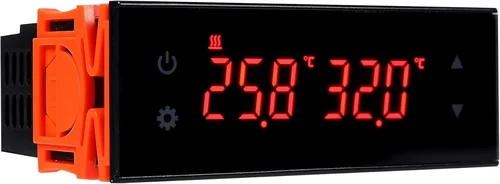
Pairing your AC with a smart thermostat unlocks advanced energy-saving features like geofencing, learning algorithms, and remote scheduling. Devices like the Google Nest, Ecobee, or Honeywell Home T9 can automatically adjust temperatures based on your routine, weather forecasts, and even occupancy sensors. Many models also provide detailed energy reports, helping you track usage patterns and identify waste. Ensure your AC system is compatible with your preferred smart platform—most newer units support Wi-Fi connectivity or work seamlessly with third-party thermostats.
4. Proper Sizing and Load Calculation
An oversized or undersized AC unit is one of the biggest energy wasters. A unit that’s too large will “short cycle,” turning on and off frequently without properly dehumidifying the air, leading to wasted energy and clammy indoor conditions. Conversely, an undersized unit will run constantly, struggling to keep up and driving up bills. Always request a Manual J load calculation from a qualified HVAC technician before purchasing. This assessment considers square footage, insulation quality, window orientation, and local climate to determine the ideal BTU capacity for your space.
5. Programmable or Adaptive Scheduling
Even without a full smart thermostat, many mid-range ACs now include built-in programmable timers or adaptive scheduling features. These allow you to set different temperatures for different times of day—for instance, raising the temperature by 7–10°F while you’re at work and cooling down before you return. This simple habit can reduce cooling costs by 10–20% annually. Look for models with intuitive interfaces and multiple daily schedule options. Some advanced units even integrate with utility demand-response programs, automatically adjusting during peak rate hours.
6. Maintenance Requirements and Filter Quality
An energy-efficient AC is only as good as its maintenance routine. Dirty filters, clogged coils, and low refrigerant levels can reduce efficiency by up to 15%. Choose units with easy-access washable or high-MERV filters (MERV 8–13 recommended) that trap dust and allergens without restricting airflow. Self-cleaning condenser coils and diagnostic alerts are also valuable features that help maintain peak performance. Regular maintenance not only saves energy but also extends the lifespan of your system—typically 12–15 years for well-kept units.
7. Noise Levels and Comfort Features
While not directly tied to energy use, noise levels affect how often you’re willing to run your AC. A loud unit might tempt you to turn it off prematurely, leading to discomfort and overuse later. Look for decibel (dB) ratings below 50 dB for indoor units—quieter than a normal conversation. Features like sleep mode, which gradually raises the temperature overnight, or fan-only operation for mild days, can further reduce energy consumption while enhancing comfort.
8. Warranty and Manufacturer Support
A robust warranty signals confidence in product durability and often correlates with higher build quality. Aim for at least a 5-year compressor warranty and 2-year parts coverage. Brands like Carrier, Trane, Daikin, and LG offer extended warranties and reliable customer service networks. Avoid no-name brands with vague warranty terms—they may save you money upfront but cost more in repairs or replacements down the line. Always register your unit promptly to activate full coverage.
Different Types of Buying Guide

Common Buying Mistakes to Avoid
❌ Mistake: Setting the Thermostat Too Low
Why it’s bad: Cranking your AC to 60°F won’t cool your home faster—it just runs longer, wasting energy and potentially freezing the evaporator coil. Most systems are designed to cool at a steady rate regardless of thermostat setting.
What to do instead: Set your thermostat to 78°F when home and 85°F when away. Use fans to enhance airflow and perceived cooling. Every degree below 78°F can increase energy use by 6–8%.
❌ Mistake: Ignoring Regular Maintenance
Why it’s bad: A clogged air filter forces the system to work harder, increasing energy consumption and risking component failure. Neglecting coil cleaning or refrigerant checks can reduce efficiency by 20% or more.
What to do instead: Replace or clean filters every 1–3 months. Schedule professional tune-ups annually. Many smart thermostats now send maintenance reminders—enable them!
❌ Mistake: Buying Based Solely on Price
Why it’s bad: A cheap unit may have poor insulation, low SEER2 ratings, or flimsy components that fail quickly. The lowest upfront cost often leads to the highest lifetime cost.
What to do instead: Calculate total cost of ownership, including energy use over 10+ years. Use online calculators from ENERGY STAR or your utility provider to compare long-term savings.
❌ Mistake: Overlooking Insulation and Air Sealing
Why it’s bad: Even the most efficient AC can’t compensate for leaky ducts, drafty windows, or poor attic insulation. Up to 30% of cooled air can escape through gaps.
What to do instead: Seal windows, insulate attics, and insulate ductwork before investing in a new AC. A well-sealed home reduces cooling load and maximizes system efficiency.
❌ Mistake: Not Using Programmable Features
Why it’s bad: Manually adjusting the thermostat leads to inconsistent settings and forgotten changes. You might leave it too cold all day or forget to turn it off.
What to do instead: Set a schedule that aligns with your daily routine. Use “away” modes during work hours and “sleep” modes at night. Smart thermostats can learn your habits and automate this process.
❌ Mistake: Choosing the Wrong Unit Size
Why it’s bad: Oversized units waste energy and fail to dehumidify properly. Undersized units run constantly, wearing out components and failing to cool effectively.
What to do instead: Always get a professional load calculation. Don’t rely on rules of thumb like “20 BTUs per square foot”—modern homes vary widely in insulation and air tightness.
❌ Mistake: Disregarding Local Climate and Usage Patterns
Why it’s bad: A unit optimized for mild coastal climates may struggle in hot, humid regions. Similarly, a family that’s home all day has different needs than one that’s away 10 hours daily.
What to do instead: Consider your local weather extremes, humidity levels, and occupancy schedule when selecting features like dehumidification, variable-speed fans, or dual-stage compressors.
Budget Guidelines: How Much Should You Spend?
– Entry-Level ($150–$500): Ideal for renters or single-room cooling. Expect basic window or portable units with limited efficiency (SEER2 8–10). Look for ENERGY STAR certification to ensure minimal energy waste. These units are affordable but may lack smart features or quiet operation.
– Mid-Range ($500–$2,500): The sweet spot for most homeowners. Includes high-efficiency window units, ductless mini-splits, and smart-enabled portable ACs. SEER2 ratings of 12–16 are common, with inverter technology and app control. Great balance of cost, performance, and long-term savings.
– Premium ($2,500–$6,000): For whole-home solutions with top-tier efficiency. Central air systems or multi-zone mini-splits with SEER2 18+, smart zoning, and advanced air filtration. Often include 10-year warranties and professional installation. Best for larger homes or hot climates.
– Luxury ($6,000+): Cutting-edge systems with AI optimization, solar compatibility, and ultra-quiet operation. Brands like Mitsubishi, Fujitsu, and Lennox offer hyper-efficient models with integrated home energy management. Perfect for eco-conscious buyers or those seeking maximum comfort and minimal environmental impact.
Expert Tips for Getting the Best Deal
– Buy in the Off-Season: Prices drop dramatically in fall and winter when demand is low. Retailers often clear inventory for new models, offering discounts up to 30%.
– Compare Online and In-Store: Online retailers like Amazon, Home Depot, and Lowe’s frequently run exclusive promotions. However, in-store purchases may include free delivery or installation consultations.
– Bundle with Other Upgrades: Some HVAC contractors offer package deals when you replace both your furnace and AC. This can save hundreds on labor and materials.
– Negotiate Installation Costs: Don’t accept the first quote. Get estimates from at least three licensed technicians and ask about seasonal discounts or financing options.
– Check Return and Trial Policies: Especially for portable or window units, ensure you have a 30-day return window in case the unit doesn’t perform as expected.
– Test Before Committing: If possible, borrow or rent a similar unit for a weekend to test noise levels, cooling speed, and ease of use.
– Prioritize Long-Term Savings: A $200 more efficient unit may pay for itself in under two years through lower energy bills. Always run the numbers.
– Verify Contractor Credentials: For central or mini-split installations, ensure the technician is NATE-certified and insured. Poor installation can void warranties and reduce efficiency by 20%.

Frequently Asked Questions
Q: What’s the most energy-efficient temperature to set my AC?
A: The U.S. Department of Energy recommends 78°F when you’re home and 85°F when away. This balance keeps comfort high and energy use low. Use ceiling fans to make it feel 4–6°F cooler without lowering the thermostat.
Q: Does turning the AC off during the day save money?
A: Not necessarily. Letting your home heat up drastically means the AC must work harder to cool it back down, potentially using more energy than maintaining a slightly higher temperature. A programmable setback of 7–10°F is more efficient.
Q: Are inverter ACs worth the extra cost?
A: Absolutely—if you use your AC frequently. Inverter technology reduces energy use by 20–40% compared to traditional on/off systems, paying for itself in 2–4 years through lower bills.
Q: Can I cool my home faster by setting a lower temperature?
A: No. Air conditioners cool at a fixed rate regardless of thermostat setting. Setting it to 65°F won’t cool faster than 72°F—it just wastes energy by overcooling.
Q: How often should I change my air filter?
A: Every 30–90 days, depending on usage, pets, and air quality. Check monthly during peak cooling season. A dirty filter restricts airflow and increases energy consumption.
Q: Do smart thermostats really save money?
A: Yes—studies show average savings of 8–12% on cooling costs. Features like geofencing, learning algorithms, and energy reports help eliminate waste and optimize schedules automatically.
Q: Is it better to buy a bigger AC unit?
A: No. Oversized units short-cycle, reducing efficiency and failing to remove humidity. Proper sizing based on a Manual J calculation is essential for performance and savings.
Q: Can window ACs be energy efficient?
A: Yes—look for ENERGY STAR-certified models with SEER2 ratings above 12. Newer window units with inverter compressors and smart controls rival mini-splits in efficiency.
Q: Should I close vents in unused rooms?
A: Generally no—this can disrupt airflow and increase pressure in the duct system, reducing efficiency. Instead, use zoning systems or mini-splits for targeted cooling.
Q: How long do modern AC units last?
A: With proper maintenance, most units last 12–15 years. Inverter-based systems often exceed 20 years due to reduced wear from continuous operation.
Our Final Recommendations
– Best for Budget-Conscious Buyers: Frigidaire FFRA051WAE – A reliable 5,000 BTU window unit with ENERGY STAR certification, quiet operation, and easy installation under $200.
– Best Overall Value: Mitsubishi MZ-FH12NA – A 12,000 BTU ductless mini-split with SEER2 20+, inverter technology, and whisper-quiet performance. Ideal for single rooms or additions.
– Best Premium Option: Carrier Infinity 24 Central AC – With SEER2 26, Greenspeed intelligence, and zoning compatibility, this system delivers unmatched efficiency and comfort for whole-home cooling.
– Best for Beginners: LG LP1419IVSM – A smart portable AC with Wi-Fi control, auto-evaporation, and voice assistant compatibility. Easy to set up and move between rooms.
– Best for Advanced Users: Ecobee SmartThermostat + Daikin Fit Mini-Split – Combine AI-driven scheduling with a hyper-efficient inverter system for maximum automation and energy savings.
Conclusion: Making the Right Choice
Choosing the right AC temperature and system isn’t just about comfort—it’s about smart energy management, cost control, and environmental responsibility. By focusing on efficiency ratings, proper sizing, smart features, and maintenance, you can enjoy a cool home without the financial or ecological burden. Remember, the goal isn’t to suffer in the heat but to cool intelligently.
Start by assessing your home’s unique needs: size, insulation, climate, and usage patterns. Then prioritize features that deliver long-term value, not just short-term savings. Whether you’re upgrading a single room or your entire HVAC system, the principles in this guide will help you make a confident, informed decision.
Don’t wait until the next heatwave to act. Invest in energy-efficient cooling today, and reap the rewards of lower bills, greater comfort, and peace of mind all summer long. Your wallet—and the planet—will thank you.