
Complete Gree AC Buying Guide 2026
May 19, 2026
When it comes to staying cool during scorching summers or maintaining a comfortable indoor climate year-round, choosing the right air conditioner isn’t just about comfort—it’s a smart investment in your home’s efficiency, air quality, and long-term energy costs. With so many brands and models flooding the market, it’s easy to feel overwhelmed. That’s where this comprehensive guide comes in. Whether you’re replacing an old unit, upgrading for better performance, or buying your first AC, understanding what to look for can save you hundreds of dollars and years of frustration.
In this guide, we’ll walk you through everything you need to know about Gree air conditioners—one of the world’s leading HVAC manufacturers known for innovation, reliability, and competitive pricing. You’ll learn how to evaluate key factors like cooling capacity, energy efficiency, build quality, and smart features. We’ll also break down different types of Gree ACs, highlight common pitfalls to avoid, and give you expert-backed tips to get the best deal. By the end, you’ll have the confidence to choose a Gree AC that fits your budget, space, and lifestyle—without overspending or settling for less.
The air conditioning market has evolved rapidly over the past decade, with brands like Gree emerging as global powerhouses thanks to their blend of advanced technology and affordability. Originally founded in China in 1991, Gree Electric Appliances has grown into the world’s largest residential air conditioner manufacturer, selling millions of units annually across Asia, Europe, North America, and beyond. Their product lineup includes window units, split systems (both inverter and non-inverter), portable ACs, and even smart-connected models with app control and AI-driven climate optimization. With such a wide range, it’s no surprise that consumers often struggle to pinpoint which Gree model offers the best value for their specific needs. This guide cuts through the noise and delivers actionable insights tailored to real-world usage.

What to Look for When Buying Buying Guide
1. Budget & Price Range
Your budget is the foundation of your AC purchase decision. Gree offers models across a broad price spectrum, from budget-friendly window units under $300 to high-end inverter split systems exceeding $1,500. Before diving into features, determine how much you’re willing to spend—and remember that the cheapest option isn’t always the most cost-effective long-term. A lower upfront cost might mean higher electricity bills or shorter lifespan. Consider total cost of ownership, including installation, maintenance, and energy consumption over 5–10 years.
2. Cooling Capacity (BTU & Tonnage)
One of the most critical specs is cooling capacity, measured in British Thermal Units (BTU) per hour or tons (1 ton = 12,000 BTU). Choosing the wrong size leads to inefficiency: too small, and the AC struggles to cool; too large, and it cycles on/off frequently, wasting energy and causing humidity issues. As a rule of thumb, you need about 20 BTU per square foot of living space. For example, a 300 sq. ft. room needs roughly 6,000 BTU, while a 1,200 sq. ft. living area may require a 24,000 BTU unit. Gree provides detailed sizing charts—always cross-check your room dimensions, ceiling height, insulation quality, and sun exposure before deciding.
3. Energy Efficiency (SEER & EER Ratings)
Energy efficiency directly impacts your monthly utility bill. Look for the Seasonal Energy Efficiency Ratio (SEER) for central and split systems or Energy Efficiency Ratio (EER) for window units. The higher the rating, the more efficient the unit. In 2026, the U.S. Department of Energy mandates a minimum SEER2 rating of 14 for new ACs, but Gree’s inverter models often exceed 20 SEER—translating to 30–50% lower energy use compared to older units. Inverter technology adjusts compressor speed instead of turning on/off, maintaining consistent temperatures while using less power. Always check the yellow EnergyGuide label for estimated annual operating costs.
4. Type of Compressor Technology
Gree offers both conventional fixed-speed and advanced inverter compressors. Fixed-speed units are cheaper upfront but less efficient, as they run at full power until the desired temperature is reached, then shut off completely. Inverter compressors, on the other hand, modulate their output continuously, resulting in smoother temperature control, quieter operation, and significant energy savings—especially in climates with fluctuating temperatures. If you plan to use your AC daily or live in a hot region, investing in an inverter model pays off within 2–3 years through reduced electricity bills.
5. Build Quality & Durability
A well-built AC lasts longer and performs better under stress. Gree uses corrosion-resistant copper tubing, anti-rust coatings, and durable plastic components in most models. Look for features like gold-fin evaporator coils (which resist saltwater corrosion—ideal for coastal areas) and reinforced chassis designs. Check user reviews for reports of leaks, compressor failures, or noise issues. While Gree generally maintains strong quality control, some budget models may use thinner materials to cut costs—so balance price with expected lifespan.
6. Smart Features & Connectivity
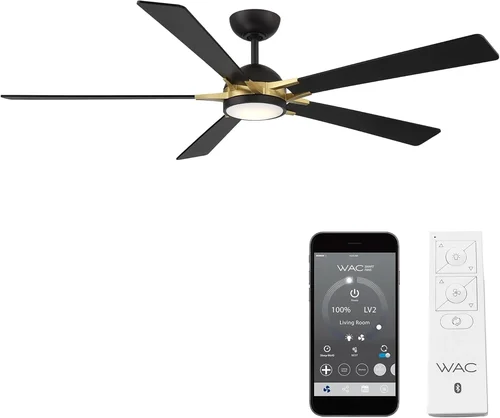
Modern Gree ACs come equipped with Wi-Fi connectivity, allowing remote control via smartphone apps like Gree+ or compatibility with voice assistants (Amazon Alexa, Google Assistant). Smart features include scheduling, geofencing (auto-adjust when you leave/arrive home), real-time energy monitoring, and self-diagnosis alerts. These aren’t just conveniences—they enhance efficiency. For instance, you can pre-cool your home before arriving or turn off the AC if you forget. However, ensure your home Wi-Fi network is stable, as connectivity issues can limit functionality.
7. Noise Levels
Nobody wants a noisy AC disrupting sleep or conversations. Gree inverter models are notably quieter, often operating below 40 decibels (dB) indoors—comparable to a quiet library. Window units tend to be louder (50–60 dB), especially older models. Check the decibel rating in the product specs; lower is better. Outdoor units should also be considered if you’re placing them near bedrooms or shared walls. Some Gree splits feature “ultra-quiet” modes that further reduce fan speed at night.
8. Warranty & After-Sales Support
Warranty terms vary by model and region but typically range from 1 to 10 years. Gree often offers 1-year comprehensive coverage on parts and labor, with extended warranties available for compressors (up to 10 years on select inverter models). Always register your product online to activate warranty benefits. Research local service networks—can you get timely repairs? Are spare parts readily available? A strong support system ensures peace of mind and protects your investment.
Different Types of Buying Guide

Common Buying Mistakes to Avoid
❌ Mistake: Buying Based Solely on Price
Why it’s bad: Opting for the cheapest Gree model might save you $200 today but could cost you $500+ in higher electricity bills and premature replacement. Budget units often lack inverter tech, have lower SEER ratings, and use less durable components.
What to do instead: Calculate the total cost of ownership. Use online calculators to compare annual energy costs between models. Prioritize inverter technology and high SEER ratings for long-term savings.
❌ Mistake: Incorrect Sizing
Why it’s bad: An undersized AC runs constantly, increasing wear and failing to dehumidify properly. An oversized unit cools too quickly, leading to short cycling, poor humidity control, and wasted energy.
What to do instead: Use a BTU calculator that factors in room size, insulation, window count, and climate zone. When in doubt, consult a professional or choose a slightly larger unit only if recommended by Gree’s sizing guide.
❌ Mistake: Ignoring Installation Quality
Why it’s bad: Even the best Gree AC will underperform if installed poorly—leaky ducts, incorrect refrigerant charge, or improper drainage can cause inefficiency, water damage, or system failure.
What to do instead: Hire certified HVAC technicians familiar with Gree systems. Ensure proper sealing, level mounting, and adherence to manufacturer guidelines. Never attempt DIY installation on split systems.
❌ Mistake: Overlooking Maintenance Needs
Why it’s bad: Dirty filters, clogged coils, and blocked vents reduce efficiency by up to 15% and shorten the unit’s lifespan. Many users forget routine upkeep until problems arise.
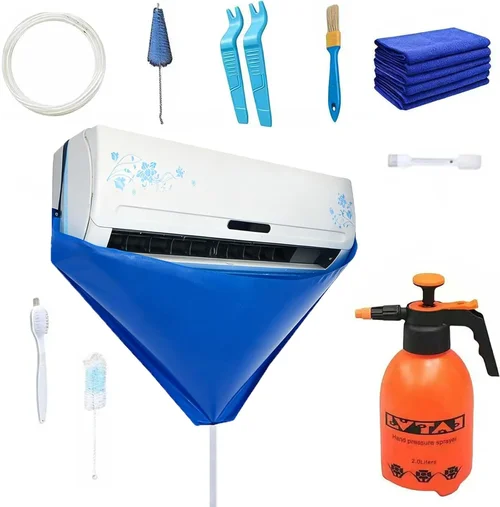
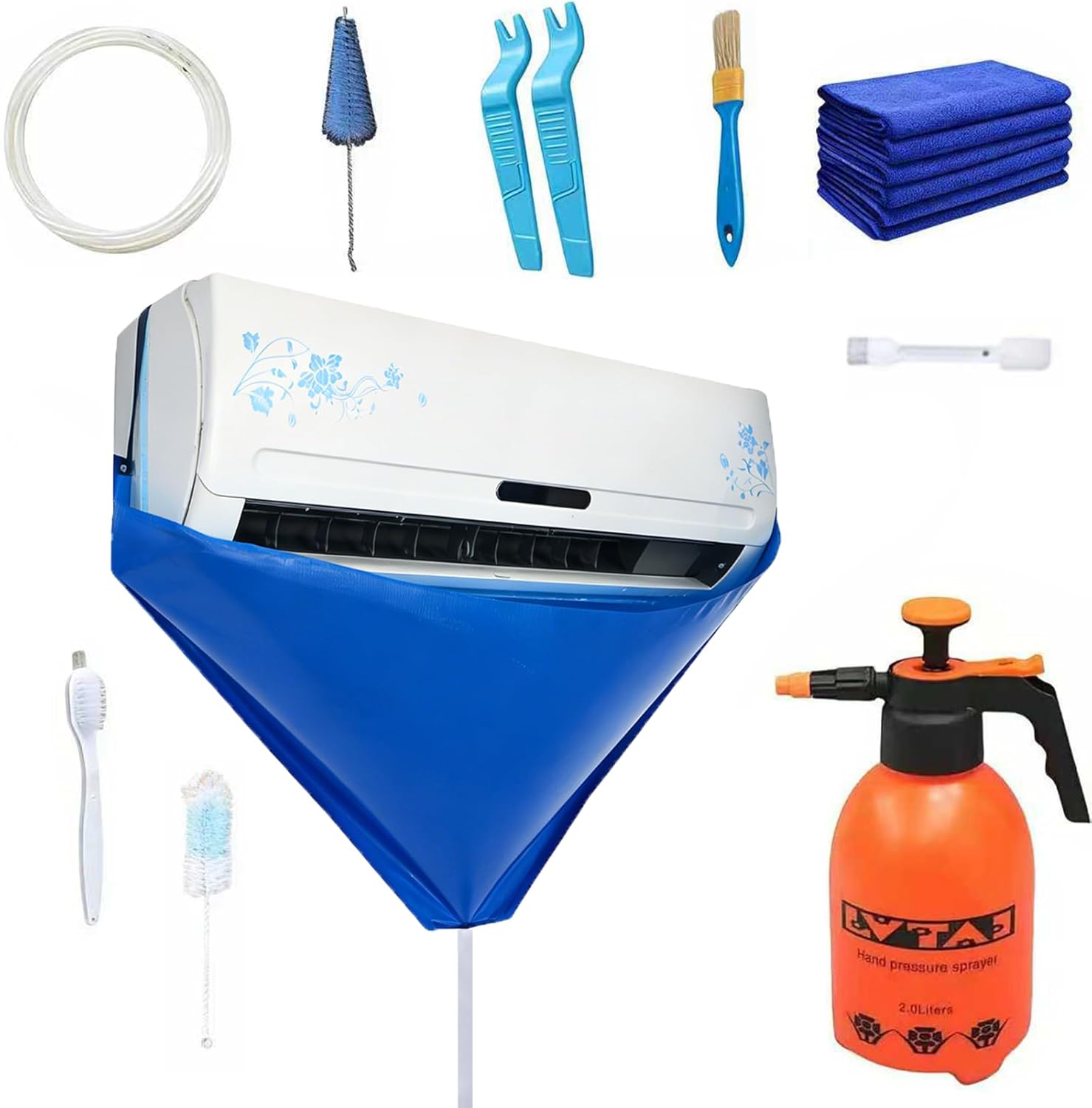
What to do instead: Clean or replace filters monthly during peak season. Schedule annual professional maintenance, especially for split systems. Use removable, washable filters where available.
❌ Mistake: Skipping Smart Features When Needed
Why it’s bad: If you travel often or want to optimize energy use, lacking remote control or scheduling can lead to wasted cooling and higher bills.
What to do instead: Assess your lifestyle. If you’re away frequently or value convenience, invest in a Wi-Fi-enabled Gree model. The small price difference pays off in usability and efficiency.
❌ Mistake: Not Checking Local Regulations or Incentives
Why it’s bad: Some regions offer rebates or tax credits for high-efficiency ACs (e.g., ENERGY STAR certified models). Missing out means leaving money on the table.
What to do instead: Visit your utility company’s website or check the ENERGY STAR rebate finder before purchasing. Gree’s inverter models often qualify for incentives.
Budget Guidelines: How Much Should You Spend?
– Entry-Level ($250 – $500): Ideal for small spaces (under 300 sq. ft.) or occasional use. Expect basic window or portable units with fixed-speed compressors, limited features, and moderate efficiency (EER 8–10). Best for renters or supplemental cooling.
– Mid-Range ($500 – $1,000): The sweet spot for most homeowners. Includes non-inverter split ACs and mid-tier window units with better build quality, quieter operation, and SEER ratings of 14–16. Great balance of price and performance.
– Premium ($1,000 – $1,600): For daily use and energy savings. Features inverter technology, smart controls, high SEER (18+), and advanced filtration. Perfect for families, larger rooms, or hot climates. Long-term ROI is strong.
– Luxury ($1,600+): Top-tier Gree models with dual inverter compressors, AI climate learning, ultra-quiet operation (<35 dB), and premium design. Ideal for tech enthusiasts, large homes, or those prioritizing comfort and innovation.
Expert Tips for Getting the Best Deal
– Buy During Off-Peak Seasons: Prices drop significantly in fall and winter (October–March). Retailers clear inventory before summer demand spikes. You can save 15–30% compared to peak season.
– Compare Online vs. In-Store: Online retailers (Amazon, Home Depot, Lowe’s) often have lower prices and exclusive deals. However, in-store purchases may include free installation or extended warranties—read the fine print.
– Watch for Bundled Offers: Some sellers bundle AC units with free filters, smart thermostats, or maintenance kits. These add-ons can offset the higher sticker price.
– Check for Manufacturer Rebates: Gree occasionally runs promotions directly through their website or authorized dealers. Sign up for newsletters to stay informed.
– Negotiate Installation Fees: If buying from a local HVAC contractor, ask for package discounts on unit + installation. Many are willing to negotiate, especially during slower months.
– Verify Return & Exchange Policies: Ensure you have at least 30 days to return or exchange if the unit doesn’t fit or perform as expected. Some online purchases require you to cover return shipping.
– Test Before Committing (If Possible): For window or portable units, test noise levels and cooling speed in-store. For splits, ask for a demo video or customer testimonials.
– Register Immediately After Purchase: Activating your warranty online ensures coverage starts from day one and gives access to firmware updates for smart models.
Frequently Asked Questions
Q: Are Gree air conditioners reliable?
A: Yes, Gree is one of the most reliable AC brands globally, with a reputation for durable components and consistent performance. Independent reviews and consumer reports consistently rank Gree among the top performers in longevity and customer satisfaction, especially in the inverter segment.
Q: Do Gree ACs work with smart home systems?
A: Many newer Gree models support Wi-Fi connectivity and integrate with Amazon Alexa, Google Assistant, and Apple HomeKit (via third-party hubs). Use the Gree+ app to control temperature, schedules, and modes remotely.
Q: How often should I service my Gree AC?
A: Clean filters monthly during heavy use. Schedule professional maintenance annually—preferably before summer. This includes checking refrigerant levels, cleaning coils, and inspecting electrical connections.
Q: Can I install a Gree split AC myself?
A: No. Split systems require licensed technicians for safe refrigerant handling, electrical wiring, and compliance with local codes. DIY installation voids the warranty and poses safety risks.
Q: What’s the difference between SEER and SEER2?
A: SEER2 is the updated testing standard introduced in 2023, using more realistic conditions (higher external static pressure). A SEER2 rating of 14 is roughly equivalent to an older SEER 15. Always compare SEER2 values for 2026 models.
Q: Do Gree ACs come with a warranty?
A: Yes. Most units include a 1-year comprehensive warranty, with compressor coverage extending up to 10 years on inverter models. Register online to activate full benefits.
Q: Are Gree ACs energy-efficient?
A: Absolutely. Gree’s inverter models often exceed 20 SEER2, making them some of the most efficient on the market. They’re ENERGY STAR certified and eligible for utility rebates in many regions.
Q: Can I use a Gree AC in a humid climate?
A: Yes. Gree units feature strong dehumidification capabilities, especially inverter models that maintain steady operation without frequent cycling—ideal for humid environments.
Q: How long do Gree air conditioners last?
A: With proper maintenance, Gree ACs typically last 12–15 years. Inverter models may exceed 15 years due to reduced compressor wear.
Our Final Recommendations
– Best for Budget-Conscious Buyers: Gree Livo 12,000 BTU Window AC – Reliable, easy to install, and priced under $400. Great for small rooms with basic cooling needs.
– Best Overall Value: Gree Ultra 18,000 BTU Inverter Split AC – High SEER2 (21), whisper-quiet, and packed with smart features. Ideal for medium to large spaces with daily use.
– Best Premium Option: Gree Flex 24,000 BTU Dual Inverter Smart Split – AI-driven climate control, ultra-low noise, and top-tier efficiency. Perfect for tech lovers and large homes.
– Best for Beginners: Gree Casa 12,000 BTU Non-Inverter Split – Simple operation, solid build, and affordable installation. A great entry point into split systems.
– Best for Advanced Users: Gree Vireo+ 15,000 BTU Wi-Fi Enabled Inverter – Full app integration, geofencing, and real-time energy analytics. Designed for smart home enthusiasts.
Conclusion: Making the Right Choice
Choosing the right Gree air conditioner doesn’t have to be overwhelming. By focusing on your specific needs—room size, budget, usage frequency, and desired features—you can narrow down the options and find a unit that delivers comfort, efficiency, and lasting value. Remember, the cheapest option isn’t always the best, and the most expensive isn’t necessary for every home. Prioritize inverter technology if you use your AC regularly, invest in proper installation, and don’t skip routine maintenance.
Gree’s diverse lineup ensures there’s a model for nearly every scenario, from compact window units to high-end smart splits. Use the insights in this guide to compare specs confidently, avoid common pitfalls, and take advantage of seasonal deals. Your perfect AC is out there—and with the right knowledge, you’ll make a decision you’ll be happy with for years to come.
Ready to beat the heat? Start by measuring your space, setting a realistic budget, and exploring Gree’s 2026 lineup with confidence. Cool comfort is just a smart purchase away.