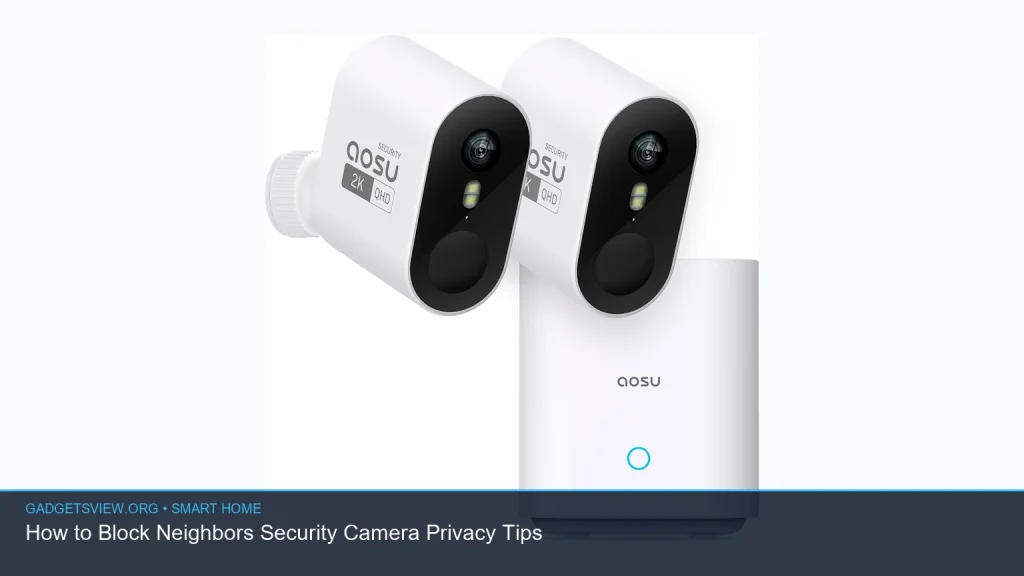
If you want to know how to block neighbors security camera views without starting a feud, the best approach is usually the least dramatic one: identify the exact line of sight, try a polite fix first, and use only legal, non-damaging privacy measures. In many cases, you can reduce what a camera sees with fencing, landscaping, shades, privacy film, or a slight camera reposition on your own property. If the camera is pointed into your yard, windows, or other private areas, document it and check local privacy rules before taking the next step.
📖 Table of Contents
- Why neighbor camera privacy problems happen
- How to block neighbors security camera the right way
- Best privacy solutions that do not involve tampering
- Legal and neighbor relations: what you should know
- When the camera keeps pointing at your space
- Practical fixes for windows, patios, and yards
- FAQ
- Conclusion
📌 Key Takeaways
- Start with the least confrontational option: talk to your neighbor and explain the privacy concern clearly.
- Use lawful privacy fixes first, such as curtains, frosted film, privacy screens, fencing, or dense plants on your own property.
- Document the camera angle and any repeated intrusion before contacting your HOA, landlord, or local authorities.
- Avoid tampering with or blocking a neighbor’s camera directly if it could be illegal, unsafe, or seen as property damage.
Why neighbor camera privacy problems happen
Home security cameras are common, and many are wide-angle enough to capture more than the owner intended. A camera mounted near a driveway, fence line, front door, or second-story window can easily include part of your yard, patio, or living room windows. Sometimes the issue is not malice, just poor placement.
The key question is not whether the camera exists. It is whether it is aimed into a space where you reasonably expect privacy. That difference matters because the best fix may be a simple adjustment, not a fight.
How to block neighbors security camera the right way
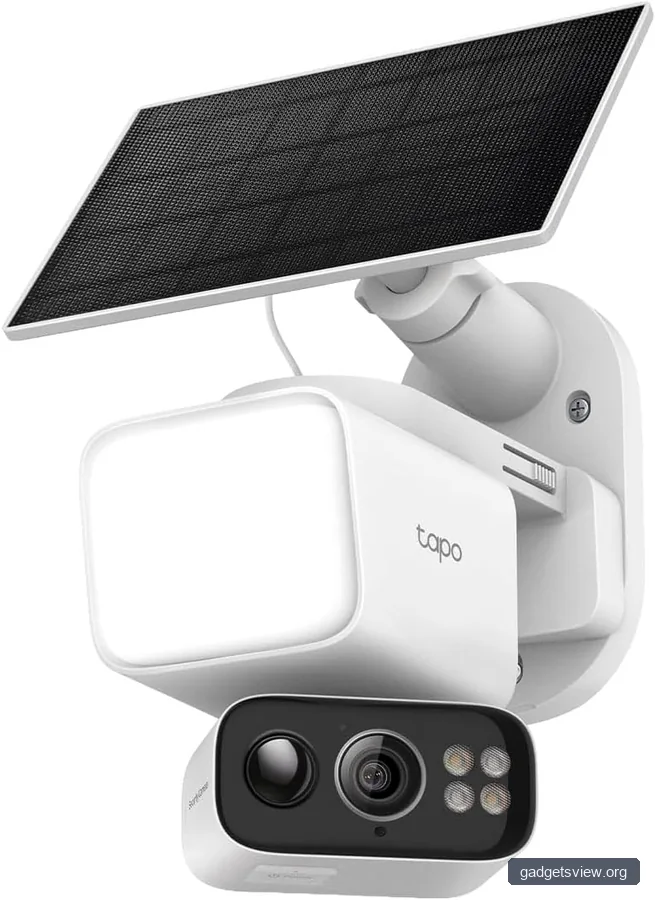
If your goal is how to block neighbors security camera views, focus on lawful and practical steps first. The safest plan is to reduce exposure on your property instead of touching the neighbor’s device.
- Confirm the camera angle. Look from the street, your yard, and inside the affected room to see what is visible.
- Document the problem. Take dated photos or video showing where the camera points and what it captures.
- Talk to the neighbor calmly. Ask whether they can tilt the camera, adjust motion zones, or use privacy masking.
- Add privacy on your side. Use fencing, tall shrubs, patio screens, or window film to block the sight line.
- Escalate carefully if needed. If the issue continues, check HOA rules, landlord policies, or local privacy laws.
A respectful first conversation often solves the problem faster than any technical fix. Many homeowners are willing to move a camera a few degrees once they understand that it invades a private area.
What to say in the first conversation
Keep it short, calm, and specific. For example: “I noticed your camera appears to cover part of my backyard and window area. Would you be open to adjusting it so it doesn’t point into our private space?”
A simple request works better than an accusation. Avoid threats or vague statements like “you’re invading my privacy,” unless you have already confirmed a real legal issue.
Best privacy solutions that do not involve tampering
The most effective fixes are the ones that work on your side of the property line. These options do not damage anyone’s camera and are usually easier to justify if the situation is ever reviewed by an HOA or local authority.
| Option | Best For | Strengths | Limitations |
|---|---|---|---|
| Privacy film or shades | Windows exposed to a camera view | Fast, affordable, reversible | Does not help outdoor areas |
| Fence or privacy screen | Yards, patios, side lots | Strong visual barrier | May need permits or HOA approval |
| Tall plants or hedges | Softening lines of sight | Natural look, good for long term | Slower to grow |
| Patio umbrella or awning | Outdoor seating areas | Flexible and movable | Only blocks limited angles |
Who should choose what: If the problem is a window, start with shades or privacy film. If the problem is a patio or yard, choose a fence, screen, or dense planting. If you need a quick short-term fix, use a movable outdoor barrier while you work on a better long-term solution.
Legal and neighbor relations: what you should know
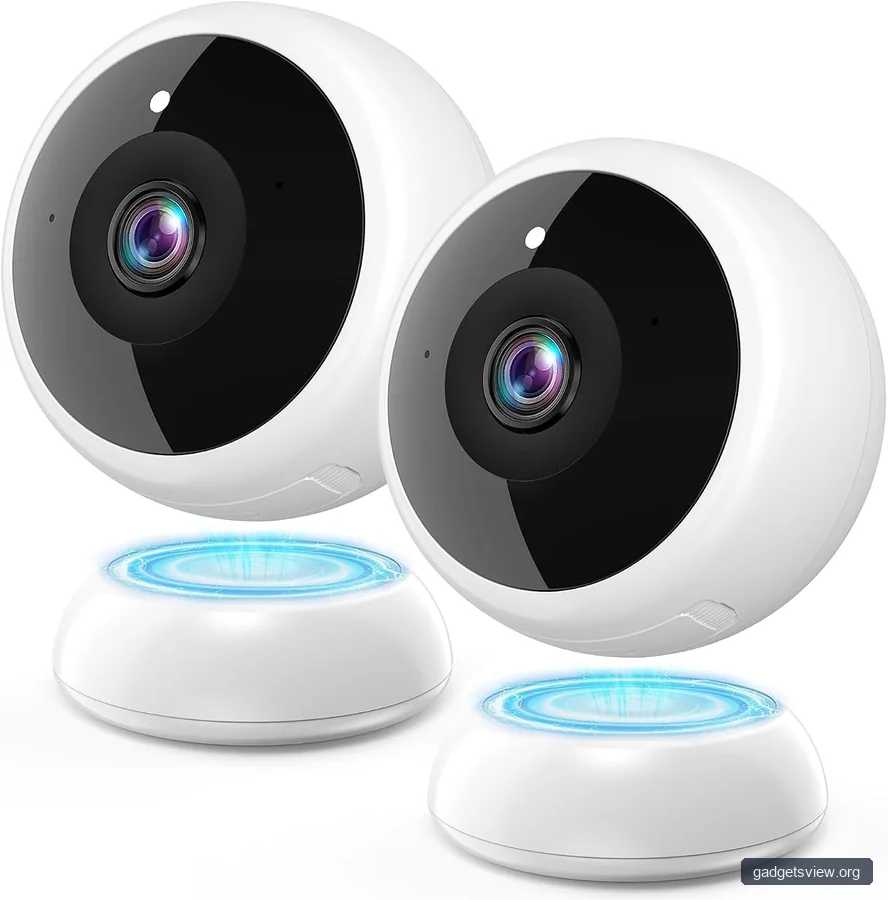
Camera laws vary by state, city, and neighborhood rules. In general, many places allow cameras to record public or semi-public spaces, but not private areas like bathrooms, bedrooms, or other spaces where people expect privacy. The exact rules can be different depending on how the camera is placed and what it captures.
Because local law matters, it is smart to verify the rules where you live before taking action. If the camera appears to point directly into your home or another clearly private area, an HOA, landlord, or attorney may be able to help you understand your options.
What not to do
- Do not spray paint, cover, break, or disable the camera.
- Do not trespass on the neighbor’s property to inspect or move it.
- Do not use lasers, signals, or other interference methods.
- Do not assume every camera view is illegal without checking local rules.
These actions can create liability for you, even if you feel the camera is intrusive. A measured response protects both your privacy and your position.
When the camera keeps pointing at your space
If a polite request does not work, move to documentation and formal channels. Save dates, times, photos, and any messages you exchange. A record helps if you need to speak to an HOA board, landlord, police non-emergency line, or attorney.
If you live in a condo, townhouse, apartment, or managed community, review the rules first. Some associations have camera placement policies or nuisance rules that can help resolve the issue without a bigger conflict.
| Situation | Best Next Step | Why |
|---|---|---|
| Camera only sees your yard | Add a fence, screen, or tall plants | Keeps the fix on your property |
| Camera sees a bedroom or bathroom window | Document immediately and ask for removal or repositioning | Private areas deserve faster action |
| Neighbor refuses to adjust | Check HOA, landlord, or local privacy rules | A formal rule may solve it |
Practical fixes for windows, patios, and yards
Different spaces need different solutions. Windows are usually the easiest, since film, blinds, and curtains can block a camera’s view without affecting the rest of your home. For patios and backyards, you may need a layered solution that cuts the line of sight from both ground level and higher angles.
- For windows: frosted film, top-down shades, curtains, or interior blinds.
- For patios: lattice panels, shade sails, pergolas, or privacy screens.
- For yards: fences, hedges, or tree placement along the sight line.
- For decks and balconies: railing screens and tall planters can help.
Layering is often better than relying on one barrier. A low fence plus shrubs may block a ground-level view, while an awning or screen may help against a second-floor camera angle.
FAQ
Can I legally block my neighbor’s camera with a fence?
Usually yes, if the fence is on your property and complies with local codes, permits, and HOA rules. Always verify height limits and setback rules before building.
Is it illegal for a neighbor’s security camera to face my house?
Not always. The answer depends on where you live, what the camera records, and whether it captures clearly private areas. Local laws and privacy expectations matter a lot here.
What is the safest first step if I feel watched?
Document the camera’s position, then have a calm conversation with the neighbor. Many problems are solved when the owner simply re-angles the camera or sets a privacy mask.
Can I use window film to stop camera views?
Yes, if the concern is a camera seeing inside your home. Privacy film is one of the easiest ways to reduce visibility during the day, though you should check how it performs at night with interior lights on.
Should I call the police right away?
Only if the situation involves a direct threat, criminal stalking, or a clearly unlawful recording of a private area. For most cases, start with documentation, a polite request, and local rule checks.
Conclusion
If you are trying to figure out how to block neighbors security camera views, the smartest path is simple: stay calm, document the issue, and use legal privacy fixes on your side first. In many cases, a respectful conversation plus a fence, screen, or window treatment solves the problem fast. If it does not, review local rules and escalate through the proper channels. Protect your privacy, but do it in a way that protects you too.