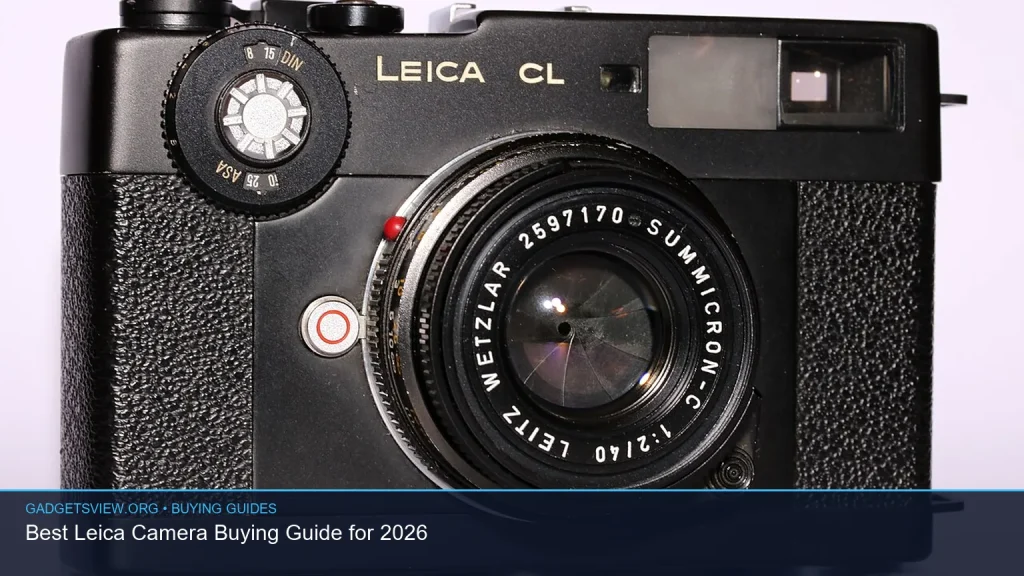
Choosing the best Leica camera in 2026 comes down to how you shoot, what you value, and how much manual control you want. Leica cameras are known for their build quality, compact design, and a shooting style that rewards intention over speed. But the “best” model is not the same for every buyer. In this guide, you’ll see how to narrow the field, compare Leica camera types, and decide which one fits your work, travel, or everyday use.
📖 Table of Contents
- How to choose the best Leica camera for your needs
- Leica camera types explained
- Which Leica camera type fits each kind of buyer?
- Leica versus Fujifilm: when the best Fujifilm camera may be the smarter buy
- Common tradeoffs to know before you buy
- Final buyer verdict: who should choose what?
- FAQ: Best Leica camera buying guide for 2026
- Conclusion: make the Leica choice that fits your style
📌 Key Takeaways
- The best Leica camera is the one that matches your shooting style, not just the most expensive body.
- Rangefinder-style Leica M models suit photographers who enjoy manual focus and a slower, more deliberate process.
- Leica Q models are often the easiest entry point for buyers who want premium image quality in a compact, fixed-lens design.
- If you want a broader view beyond Leica, the best Fujifilm camera is often the closest alternative for photographers who value controls, portability, and strong color rendering.
How to choose the best Leica camera for your needs
Start with your shooting style. Leica offers different camera families, and each one serves a different kind of user. Some are built for simplicity and portability, while others are designed for full creative control.
If you shoot street, travel, or documentary work, a compact body with a fast lens and quick access to settings can matter more than features you may never use. If you prefer portraits, landscapes, or fine-art work, you may care more about lens flexibility, viewfinder experience, and manual control.
Selection criteria that matter most
Use these core factors to compare options before you buy:
- Lens system: Fixed lens or interchangeable lenses
- Focusing style: Manual focus, autofocus, or hybrid use
- Size and weight: Daily carry comfort matters more than paper specs
- Controls: Simple dials versus more automated operation
- Viewfinder preference: Optical-style shooting versus electronic viewing
- Budget comfort: Body cost plus lens and accessory needs
If you are unsure, ask one practical question: do you want a camera that disappears in use, or one that becomes part of the experience? Leica tends to appeal to both camps, but in different ways.
Leica camera types explained
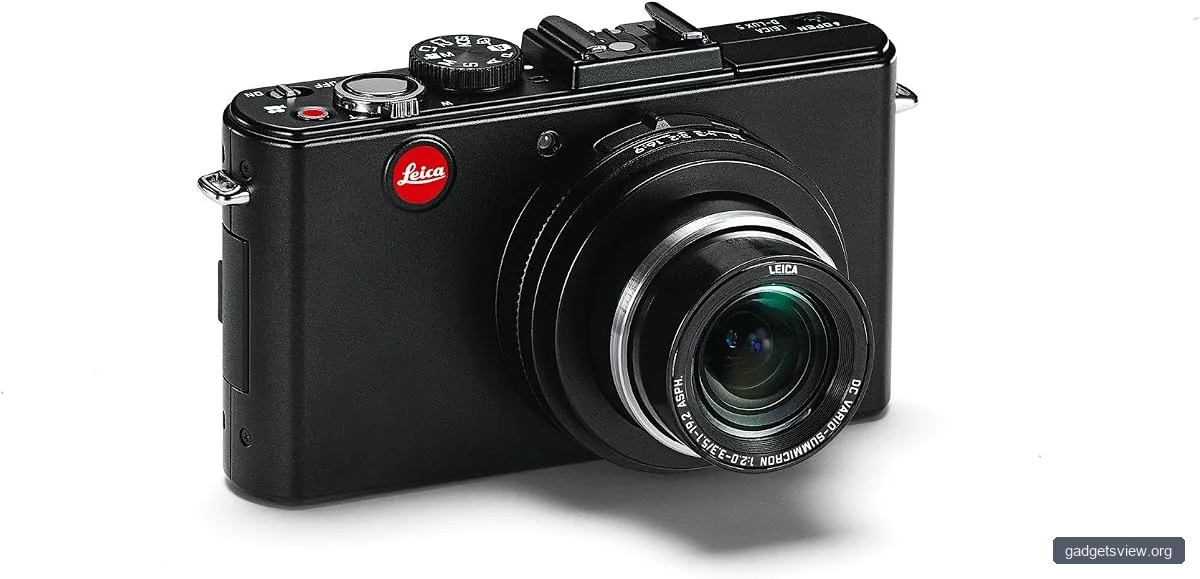
Before comparing models, it helps to understand the main Leica categories. Each one is built around a different philosophy, and that affects how the camera feels in real use.
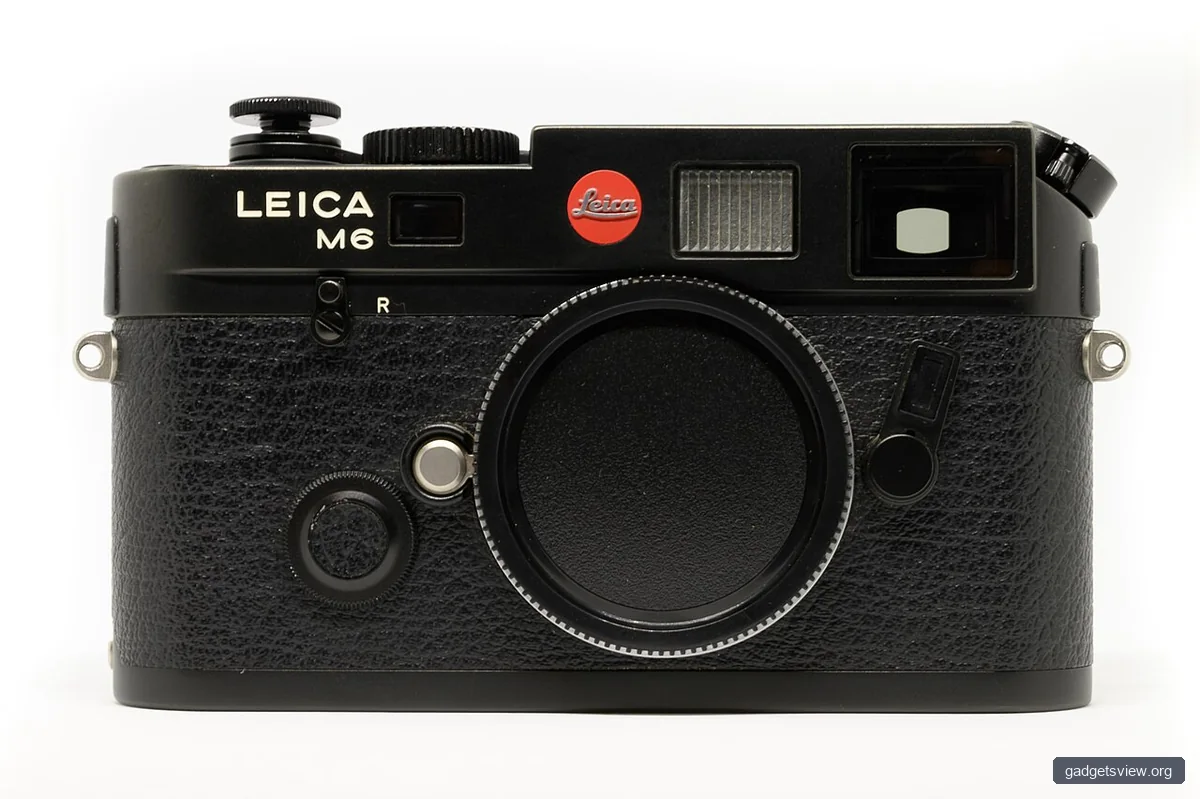
The Leica M line is the classic rangefinder family. It is often chosen by photographers who enjoy manual focus, compact prime lenses, and a more hands-on workflow. The Leica Q series is a fixed-lens option that keeps things simpler while still aiming for premium results.
Leica M series
The M series is for photographers who want a traditional, highly manual experience. It rewards patience, accuracy, and practice. Many buyers love it for street, portrait, and documentary work because the design encourages thoughtful composition.
This is not the easiest route for beginners, especially if you want fast autofocus or a long zoom range. But for the right user, the M system can feel deeply satisfying and very intentional.
Leica Q series
The Q series is often the most approachable Leica choice for a broad audience. It gives you a premium fixed-lens camera in a relatively compact body, which makes it easy to carry and quick to use. That makes it a strong fit for travel, everyday photography, and casual commercial work.
If you want the Leica look and feel without managing multiple lenses, the Q style is often the most practical option. It is also one of the simplest ways to enjoy Leica without building a full interchangeable system.
Leica SL series
The SL family is aimed at users who want a more modern, professional-style camera with a larger body and system flexibility. It is a better fit if you plan to use multiple lenses and need a tool for broader shooting situations.
This is the category to explore if you want a Leica body that feels more like a contemporary hybrid workhorse. It may appeal to content creators, advanced enthusiasts, and photographers who prefer an electronic workflow.
| Leica Type | Best For | Strengths | Limitations |
|---|---|---|---|
| M series | Manual-focused photographers | Classic handling, compact lenses, deliberate shooting | Steeper learning curve, less automation |
| Q series | Travel, street, and everyday use | Simple operation, fixed-lens convenience, compact size | Less flexibility than interchangeable-lens systems |
| SL series | Advanced users and system builders | Broader lens options, modern workflow, flexible setup | Larger body, more complex system |
Which Leica camera type fits each kind of buyer?
The clearest way to choose the best Leica camera is to match the body style to your actual use. A camera that sounds ideal on paper may feel wrong if it does not fit your pace or habits.
Below is a practical buyer guide to help you decide quickly.
Choose a Leica M if you want the classic experience
Pick the M system if you care about manual focus and a direct shooting style. It suits photographers who are comfortable slowing down to frame, focus, and compose with care.
It is also a strong choice if you value a highly compact body with premium prime lenses. The tradeoff is that it asks more from the photographer.
Choose a Leica Q if you want simplicity and portability
Choose a Q if you want one camera that is easy to carry and quick to use. This is the kind of camera that works well when you want to travel light but still care about image quality.
It is a practical answer for buyers who want Leica quality without building a full lens system. If you prefer a fixed focal length and a cleaner setup, this is often the most sensible path.
Choose a Leica SL if you want flexibility and a more modern workflow
Select the SL family if you want more room to expand. It is the best fit for users who plan to use multiple lenses and want a more adaptable camera body.
This can be a good choice if you shoot more than one subject type and want one system to cover more situations. It is less about minimalism and more about versatility.
Leica versus Fujifilm: when the best Fujifilm camera may be the smarter buy
Some buyers start with Leica but later realize they want a different kind of experience. In that case, the best Fujifilm camera can be a smart alternative, especially if you want a strong mix of controls, portability, and value.
Fujifilm is often attractive to photographers who like tactile dials, a compact setup, and a wide range of lens choices. If you want a creative camera that feels approachable and flexible, Fujifilm may be the better fit.
When Leica makes more sense
Leica makes more sense if you value simplicity, craftsmanship, and a more focused shooting experience. Many users choose Leica because it removes distractions and encourages a slower pace.
If that sounds appealing, the premium positioning is part of the appeal. You are not just buying features; you are buying a specific style of use.
When Fujifilm may be the better choice
Fujifilm may be the better choice if you want more system variety, a lower-friction entry point, or a camera that is easier to tailor to different jobs. It can be especially attractive for enthusiasts who want strong manual controls without committing to Leica’s more minimalist philosophy.
For many US buyers, this is the key comparison: Leica for refined simplicity, Fujifilm for flexible creativity. Your best choice depends on whether you want less gear complexity or more system options.
Common tradeoffs to know before you buy
Every Leica camera involves tradeoffs, and that is worth accepting before you spend. The brand is famous for a clear design language, but each model asks you to give something up in return for what it does best.
That does not make the cameras worse. It simply means the right choice depends on your priorities.
Strengths
- Compact, premium build quality
- Simple, intentional user experience
- Strong appeal for street and documentary work
- Excellent fit for photographers who prefer fewer distractions
Limitations
- Higher barrier to entry for many buyers
- Some models require more manual skill
- Less emphasis on broad feature lists and automation
- Not every model suits fast, all-purpose shooting
If you want the most flexible option, Leica may not be the simplest answer. If you want a camera that feels focused and deliberate, it can be exactly the right one.
Final buyer verdict: who should choose what?
If you want the easiest Leica to live with, start with a Q-style camera. If you want the classic Leica experience and do not mind a learning curve, the M system is the iconic choice. If you want a broader system and more modern adaptability, the SL line is the safer match.
For shoppers comparing Leica to other brands, the best Fujifilm camera may be the more practical pick if flexibility, price positioning, and everyday ease matter more than the Leica shooting feel. The right answer is the one that matches how often you will use the camera and how much manual control you enjoy.
FAQ: Best Leica camera buying guide for 2026
What is the best Leica camera for beginners?
For most beginners, a fixed-lens Leica is usually the easiest starting point because it reduces choice and keeps the setup simple. A Q-style camera is often the most approachable Leica path if you want premium quality without handling multiple lenses.
Is a Leica M camera worth it for everyday use?
It can be, but only if you enjoy manual focus and a slower workflow. If you want fast, automatic operation for daily snapshots, another Leica family may feel easier to live with.
What is the best Leica camera for travel?
A compact fixed-lens Leica is often the best travel choice because it keeps your bag light and your setup simple. Travel photography usually benefits from a camera you are willing to carry all day.
How does Leica compare with the best Fujifilm camera options?
Leica usually wins on simplicity, design, and the special feel of the shooting experience. The best Fujifilm camera options often win on lens variety, value, and flexibility, which makes them a strong alternative for many buyers.
Should I buy a Leica if I want a do-it-all camera?
Only if the specific Leica model fits your needs well. Some Leica bodies are excellent at focused use cases, but buyers who want one camera for every possible job may prefer a more flexible system.
Conclusion: make the Leica choice that fits your style
The best Leica camera for 2026 is the one that matches how you shoot, not just what looks impressive in a spec sheet. Start by deciding whether you want manual rangefinder shooting, a simple fixed-lens setup, or a more flexible modern system.
If you are still torn, compare Leica with the best Fujifilm camera options before you buy. That side-by-side check often makes the right choice much clearer.