Choosing the best small tablet computer for everyday use in 2026 comes down to a few practical questions: how portable you want it to be, what you plan to do with it, and how long you expect it to stay useful. For most buyers, the best option is the one that balances screen size, battery life, app support, and ease of carrying without feeling cramped. This guide explains what to look for, which features matter most, and how to narrow your choice so you can buy with confidence.
📖 Table of Contents
- What counts as a small tablet computer?
- How to choose the best small tablet computer for everyday use
- Best use cases: who a small tablet computer suits most
- Comparison guide: which type of small tablet should you choose?
- Features that matter most in 2026
- Common mistakes to avoid when buying a small tablet computer
- Practical buying checklist for everyday use
- FAQ
- Conclusion: the best choice is the one that fits your daily routine
📌 Key Takeaways
- A small tablet computer is best for readers, commuters, students, and anyone who wants a light device for daily tasks.
- Focus on screen comfort, battery life, software support, and app quality before chasing raw specs.
- The right size is usually the one you can hold easily for long periods without giving up enough screen space for real use.
- For everyday use, choose based on your main job: reading, streaming, note-taking, web browsing, or light productivity.
What counts as a small tablet computer?
A small tablet computer is usually a compact tablet designed for easy one-handed carrying and comfortable use on the couch, on a commute, or in a backpack. For most buyers, that means a display that feels portable but still large enough for reading, video, email, and web browsing.
The sweet spot is not the same for everyone. Some users want the smallest device possible for reading and travel, while others want a compact tablet that still feels roomy enough for typing and split-screen use.
Why smaller can be better
A smaller tablet is easier to hold for long periods and slips into bags more easily. It can also be less tiring to use for reading, streaming, and casual browsing.
That said, smaller screens can make typing, multitasking, and detailed work less comfortable. The best choice depends on how often you plan to type, sketch, or keep two apps open at once.
How to choose the best small tablet computer for everyday use
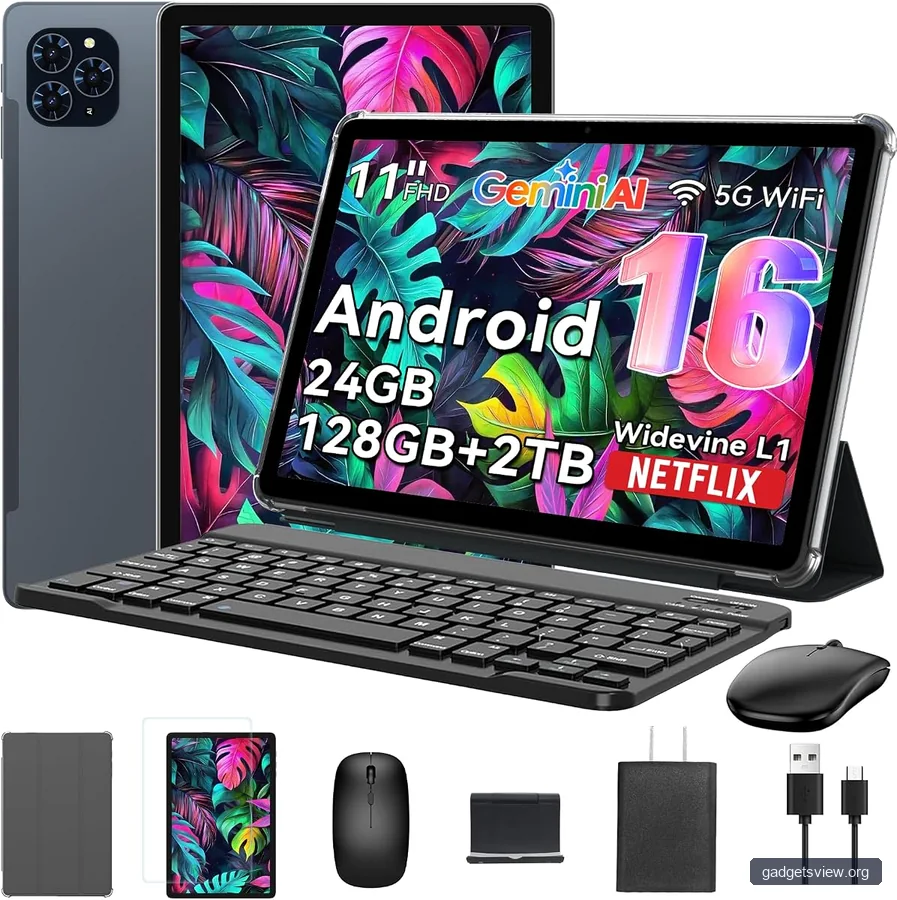
If you want the right tablet the first time, start with use case, not brand. A device that feels perfect for reading may feel limiting for schoolwork or light office tasks.
Use the criteria below to compare options in a practical way.
1) Screen size and display quality
Screen size drives comfort more than almost any other feature. A compact screen is great for portability, but text, spreadsheets, and split-screen apps become harder to use as the display gets smaller.
Look for a display that is sharp, bright, and easy to read indoors. If you plan to read a lot, low glare and good color balance matter just as much as raw resolution.
2) Battery life
For everyday use, battery life should match your routine. If you carry your tablet all day, you want enough power for browsing, video, note-taking, and reading without constant charging.
Battery claims vary by brand and test method, so check current verification before buying. Real-world life often depends on brightness, streaming, Wi-Fi use, and whether you use a keyboard or stylus.
3) Performance for real tasks
You do not need a top-end chip for email, streaming, note-taking, and web use. You do need enough performance to keep apps responsive and avoid slowdowns when switching between tasks.
If you plan to use office apps, editing tools, or many browser tabs, prioritize smoother multitasking over flashy features you may never use.
4) Operating system and app support
The software experience shapes how useful a tablet feels after the novelty wears off. A small tablet computer should have strong app support, smooth updates, and simple navigation.
Think about the services you already use. If your daily life depends on certain productivity apps, note tools, reading apps, or streaming services, make sure the platform supports them well.
5) Storage and memory
Storage matters more if you download movies, books, games, or large work files. Cloud access helps, but local storage still makes the device more flexible when you are offline.
Memory also affects how well the tablet handles multitasking. More memory can help the device feel smoother as you jump between apps and browser tabs.
Best use cases: who a small tablet computer suits most
Small tablets shine when portability matters more than desktop-style productivity. They are especially useful for people who want a device that feels lighter and easier to carry than a laptop.
Below are the most common everyday use cases and what to prioritize for each one.
| Use Case | Best For | What to Prioritize |
|---|---|---|
| Reading and browsing | Books, news, email, casual web use | Comfort, display clarity, light weight |
| Streaming and travel | Video on the couch, plane, or commute | Battery life, speakers, storage options |
| School and note-taking | Classes, PDFs, handwritten notes | Stylus support, screen size, app ecosystem |
| Light productivity | Docs, email, calendar, task lists | Keyboard support, multitasking, storage |
Comparison guide: which type of small tablet should you choose?

Since no product list was provided, the most helpful way to compare options is by tablet type. This makes it easier to match the device to your daily habits instead of getting distracted by marketing terms.
| Tablet Type | Strengths | Limitations | Best For |
|---|---|---|---|
| Ultra-compact tablet | Very portable, easy to hold, good for reading | Less space for typing and split-screen use | Readers, travelers, casual users |
| Compact all-rounder | Balanced size, more versatile, better for mixed use | Still smaller than a standard tablet | Everyday buyers, students, families |
| Compact productivity tablet | Better for typing, multitasking, and work apps | Usually heavier and less pocket-friendly | Remote workers, students, note-takers |
Who should choose what
Choose an ultra-compact tablet if your main goal is reading, travel, and light casual use. It is the easiest to carry and the most comfortable for one-handed holding.
Choose a compact all-rounder if you want one device for browsing, streaming, note-taking, and some productivity. This is often the safest choice for most people.
Choose a compact productivity tablet if you plan to type often, use split-screen apps, or pair it with a keyboard. It gives up some portability, but it is more flexible for serious daily work.
Features that matter most in 2026
When you shop for a small tablet computer in 2026, a few features will have more impact than the rest. These are the details that affect comfort, lifespan, and daily satisfaction.
- Long-term software support: A tablet should stay secure and compatible with apps for years, not months.
- Good front-facing camera placement: This helps video calls look more natural in portrait or landscape use.
- USB-C convenience: A common charging and accessory port makes life easier.
- Stylus support: Useful if you plan to sketch, annotate PDFs, or take handwritten notes.
- Comfortable weight: A small tablet should feel light enough to hold without strain.
Do not overpay for features you will not use. A premium finish may look nice, but day-to-day usefulness usually comes from display comfort, software polish, and battery life.
Common mistakes to avoid when buying a small tablet computer
Many buyers focus only on size, then regret the rest later. A tablet can look perfect on paper and still feel awkward if it is hard to type on or lacks the apps you need.
Before you buy, avoid these common mistakes.
- Choosing the smallest screen without checking usability. Very compact screens can be tiring for long reading or typing sessions.
- Ignoring keyboard and stylus needs. If you need them later, add-ons can change both cost and comfort.
- Underestimating storage use. Apps, downloads, and offline content can fill space quickly.
- Skipping software support research. A tablet should stay secure and usable for a reasonable time.
- Buying for specs you will never notice. Everyday usefulness matters more than headline numbers alone.
Practical buying checklist for everyday use
If you want a simple decision process, use this checklist before making a purchase. It keeps the focus on real daily needs instead of hype.
- Pick your main use: reading, streaming, school, work, or mixed use.
- Choose the smallest screen size you can still use comfortably.
- Check battery life claims and confirm current reviews or manufacturer details.
- Make sure the tablet supports the apps and accessories you rely on.
- Compare storage, memory, and update support across your short list.
- Decide whether you need a keyboard, stylus, or protective case now.
If two tablets look similar, choose the one with the better software experience and longer support window. That usually matters more over time than a small difference in design.
FAQ
What is the ideal size for a small tablet computer?
The ideal size depends on how you use it. If you mainly read and browse, a smaller screen may feel best. If you want more room for typing, note-taking, or split-screen apps, a slightly larger compact tablet is often the better pick.
Is a small tablet computer good for students?
Yes, especially for reading PDFs, taking notes, attending classes, and reviewing materials on the go. Students who type a lot or multitask heavily should look for strong keyboard and stylus support.
Can a small tablet replace a laptop?
For light work, sometimes. For full-time productivity, a tablet usually works best as a companion device unless your tasks are mostly reading, email, note-taking, and browsing.
Should I choose more storage or more portability?
Choose portability first if you plan to carry the tablet every day. Then make sure the storage is enough for your apps and offline files. If you download a lot of media or use large work files, storage should move up the list.
What matters more: display quality or performance?
For most everyday users, display quality is more noticeable because it affects reading, watching, and browsing all day. Performance still matters, but only enough to keep apps smooth and responsive.
Conclusion: the best choice is the one that fits your daily routine
The best small tablet computer for everyday use in 2026 is the one that feels easy to carry, pleasant to read on, and capable enough for your normal tasks. Start with your use case, then compare screen comfort, battery life, app support, and accessory needs.
If you are ready to buy, make a short list of compact tablets, compare them using the table above, and verify the latest software support and current product details before choosing. That approach will help you avoid guesswork and pick a tablet you will actually enjoy using every day.