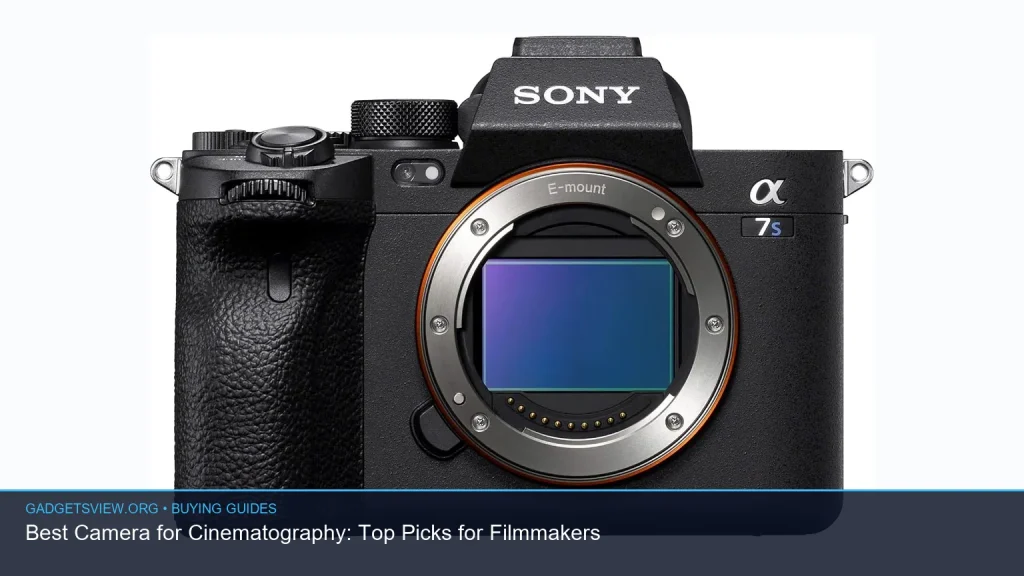
If you’re trying to find the best camera for cinematography, the right choice depends on your shooting style, budget, and how much post-production control you need. A strong cinema camera should give you clean video, reliable autofocus or manual focus tools, good dynamic range, and workflow features that fit real sets. In this guide, we’ll break down what matters most, compare the main camera types filmmakers consider, and show you which option fits different use cases so you can choose with confidence.
📖 Table of Contents
- What Makes the Best Camera for Cinematography?
- Camera Types Filmmakers Should Consider
- Best Camera for Cinematography: How to Narrow Your Choice
- Key Features That Matter Most for Cinematic Look
- How to Choose Based on Budget and Workflow
- Strengths and Limitations to Watch For
- Who Should Choose What?
- FAQ: Best Camera for Cinematography
- Conclusion
📌 Key Takeaways
- The best camera for cinematography is not always the most expensive one; it is the one that fits your workflow, lens system, and delivery needs.
- Look for strong dynamic range, reliable codecs, solid autofocus or focus-assist tools, and good heat management for long shoots.
- Mirrorless hybrid cameras work well for many creators, while dedicated cinema cameras are better for serious production control.
- Choose based on your shooting style: solo filmmaking, narrative work, doc-style shooting, gimbal use, or a full production setup.
What Makes the Best Camera for Cinematography?
There is no single “best” camera for every filmmaker. The right choice depends on how you shoot, how you edit, and how much gear you want to carry. A camera that looks great on paper may still slow you down if it lacks the tools you need on set.
For cinematography, the most important factors usually include image quality, lens support, recording formats, autofocus, stabilization, battery life, and ergonomics. If you plan to color grade heavily, dynamic range and bit depth matter a lot. If you shoot run-and-gun, you may care more about fast autofocus and reliable handheld operation.
Core selection criteria to compare
- Sensor size: Affects field of view, depth of field, and low-light behavior.
- Dynamic range: Helps preserve detail in highlights and shadows.
- Codec and bit depth: Important for editing and color grading.
- Frame rates: Needed for slow motion and different delivery styles.
- Lens ecosystem: Determines your creative look and upgrade path.
- Monitoring tools: Focus peaking, false color, waveforms, and LUT support improve accuracy.
Camera Types Filmmakers Should Consider
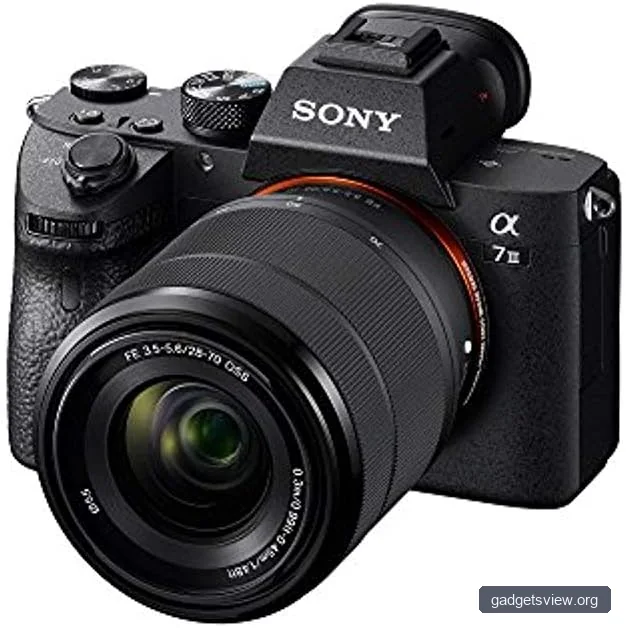
Most buyers will choose between three broad categories: mirrorless hybrid cameras, dedicated cinema cameras, and compact cinema-style bodies. Each has strengths, and each can be the right answer depending on your production needs.
Before buying, think about whether you need a lightweight all-in-one tool or a camera that is built mainly for video. That decision often matters more than brand preference.
| Camera Type | Strengths | Limitations | Best For |
|---|---|---|---|
| Mirrorless Hybrid | Portable, versatile, strong autofocus, good stills + video balance | May overheat, fewer cinema controls, less rig-friendly | Solo filmmakers, travel, content creators |
| Dedicated Cinema Camera | Better rigging, pro codecs, stronger monitoring tools, production-ready design | Bulkier, usually less convenient for stills, can cost more once rigged | Narrative films, interviews, studio work |
| Compact Cinema-Style Body | Lightweight, modular, easier to build into a rig | Needs accessories to feel complete | Indie filmmakers, gimbal setups, small crews |
Best Camera for Cinematography: How to Narrow Your Choice
If you want the best camera for cinematography, start with your actual workflow. A filmmaker shooting scripted scenes with controlled lighting needs different tools than a documentarian who moves fast and shoots alone. The “best” camera is the one that removes friction from your process.
Also consider what you already own. Lenses, batteries, media cards, and accessories can change the total cost and ease of use more than the body itself.
Ask these questions before you buy
- Do I need excellent autofocus, or will I pull focus manually?
- Will I shoot mostly handheld, on a tripod, or on a gimbal?
- Do I need internal recording with strong codecs for grading?
- Will I use this camera for both video and stills?
- Do I want a small travel setup or a more built-out production rig?
Selection priorities by shooter type
- Solo creator: Autofocus, stabilization, easy menus, lightweight body.
- Narrative filmmaker: Dynamic range, color science, monitoring tools, rig support.
- Documentary shooter: Battery life, quick setup, durable body, reliable audio options.
- Studio or interview producer: Long record times, cooling, ports, and external monitor support.
Key Features That Matter Most for Cinematic Look
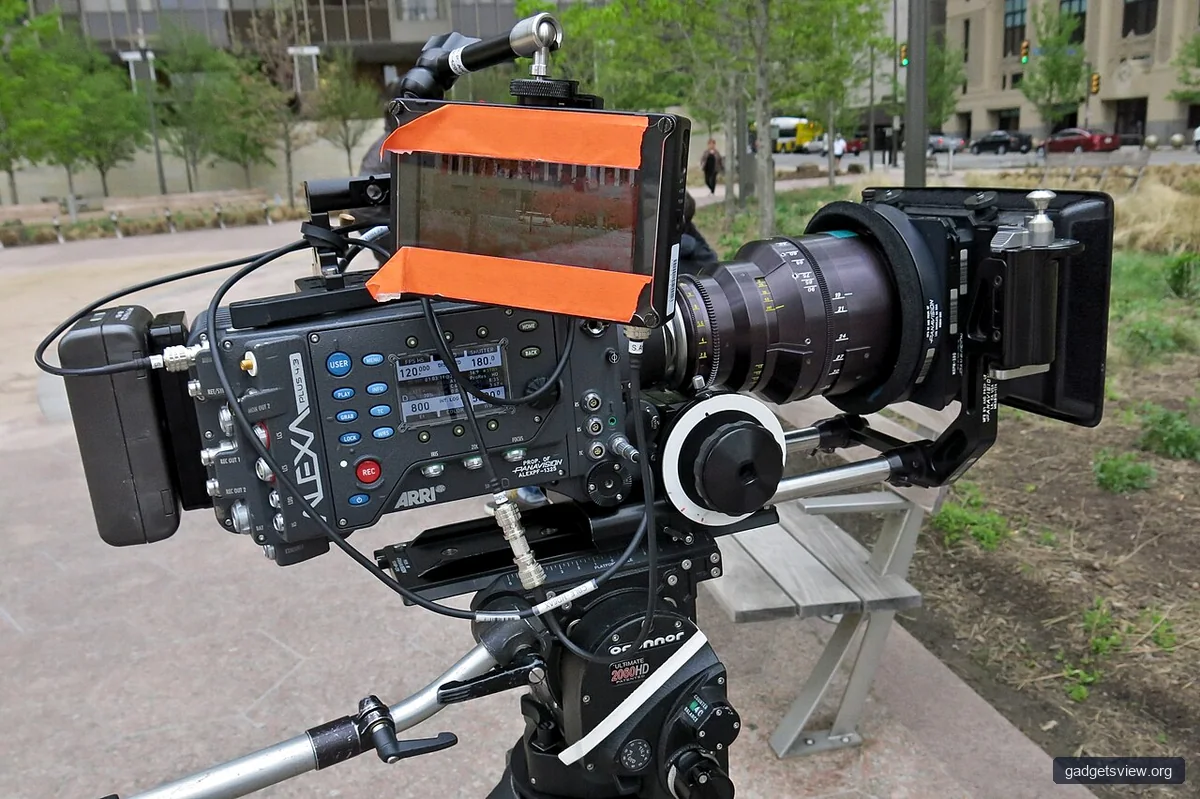
A cinematic image is not just about resolution. Many cameras can record sharp footage, but only a few make it easy to shape the image the way filmmakers want. This is why image processing and workflow matter as much as pixel count.
Below are the features that tend to matter most when you are comparing options for real production use.
Dynamic range and color depth
Dynamic range affects how much detail the camera can keep in bright skies and dark shadows. This is important if you plan to grade footage or shoot in mixed light. Higher bit-depth recording also helps preserve cleaner color transitions and smoother skin tones.
Autofocus and manual focus tools
For many filmmakers, autofocus is useful for solo work and fast-moving scenes. But even strong autofocus does not replace good manual focus aids like focus peaking, magnification, and reliable external monitoring. If you work with actors or set marks, you may still prefer manual control.
Stabilization and ergonomics
In-body stabilization can help with handheld shots, but it is not a substitute for proper support. A camera that feels balanced and easy to grip often saves time on set. Button layout, menu design, and screen articulation may seem minor, yet they can make a big difference during long shoots.
Heat management and recording limits
Long-form recording is a real-world issue for filmmakers. Some cameras handle heat better than others, especially in warm locations or when recording high-quality video for extended periods. If you plan to interview subjects or capture events, this should be high on your checklist.
How to Choose Based on Budget and Workflow
Budget matters, but it should not be the only filter. A cheaper body can become expensive if it needs extra accessories to become usable on set. On the other hand, a more expensive camera may save time if it fits your workflow better from day one.
Use a simple decision path: first define your use case, then check the features that matter most, and finally compare the total setup cost. That approach keeps you from overspending on features you may never use.
| If You Need… | Prioritize This | Why It Matters |
|---|---|---|
| Fast solo shooting | Autofocus, stabilization, simple controls | Keeps you moving without a large crew |
| Serious grading | Dynamic range, 10-bit or better recording, robust codecs | Gives more room in post-production |
| Long interviews | Cooling, battery life, media reliability | Reduces stops and reshoots |
| Narrative production | Lens options, monitoring tools, rig support | Improves control on set |
Strengths and Limitations to Watch For
Every camera category has trade-offs. The goal is not to find a perfect device, because that usually does not exist. The goal is to find the one with the fewest compromises for your work.
- Mirrorless hybrids: Great if you want one body for stills and video, but they may need extra support for cinema-style use.
- Dedicated cinema cameras: Best for controlled productions, but they are often less convenient for casual shooting.
- Compact cinema bodies: Flexible and rig-friendly, but they often assume you will build out the rest of the kit yourself.
If you are building your first serious filmmaking kit, a hybrid camera may be the easiest entry point. If you already know you want a more production-focused setup, a cinema camera may make more sense even if it requires more accessories.
Who Should Choose What?
Here is the simplest way to think about it. The best choice is the one that matches your job, not just your budget.
- Choose a mirrorless hybrid camera if you want flexibility, portability, and strong autofocus for mixed photo-video use.
- Choose a dedicated cinema camera if your focus is narrative work, interviews, commercial shoots, or other controlled production environments.
- Choose a compact cinema-style body if you want modularity, rigging options, and a more film-oriented video workflow.
If your priority is ease of use, lean toward hybrid models with excellent autofocus and stabilization. If your priority is image control and set efficiency, lean toward cinema-focused bodies with better monitoring and recording tools. If you need both, compare total setup cost, not just the body price.
FAQ: Best Camera for Cinematography
Is a full-frame camera always better for cinematography?
No. Full-frame can offer a different look and shallower depth of field, but it is not automatically better. Sensor size is only one part of the equation; lens choice, dynamic range, and workflow matter just as much.
Do I need a cinema camera to make professional-looking films?
Not always. Many filmmakers produce excellent work with mirrorless cameras when they have the right lenses, lighting, and sound. A cinema camera can improve workflow, but it does not replace strong filmmaking fundamentals.
How important is autofocus for filmmaking?
It depends on your style. Autofocus is very useful for solo shooters, event coverage, and fast-moving scenes. For scripted work, many filmmakers still prefer manual focus because it offers more control.
Should I choose higher resolution or better codecs?
For most filmmakers, better codecs and color depth are more useful than chasing resolution alone. A clean 4K file with strong dynamic range and grading flexibility can be more valuable than a higher-resolution image that is harder to edit or color grade.
What should I check before buying any camera for video?
Check lens compatibility, battery life, recording limits, media costs, heat performance, and whether the menus and monitoring tools fit your workflow. If current firmware or spec details matter to your decision, verify them on the manufacturer’s official site before purchase.
Conclusion
The best camera for cinematography is the one that supports your shooting style, editing workflow, and production goals. For many filmmakers, that means balancing image quality with usability, not just picking the most advanced body on the shelf. Start by choosing the camera type that fits your work, then compare features that matter most for your actual projects.
If you are ready to buy, make a short checklist: your shooting style, lens needs, recording format, and total setup cost. That simple process will help you choose a camera that feels right on set and holds up in post-production.