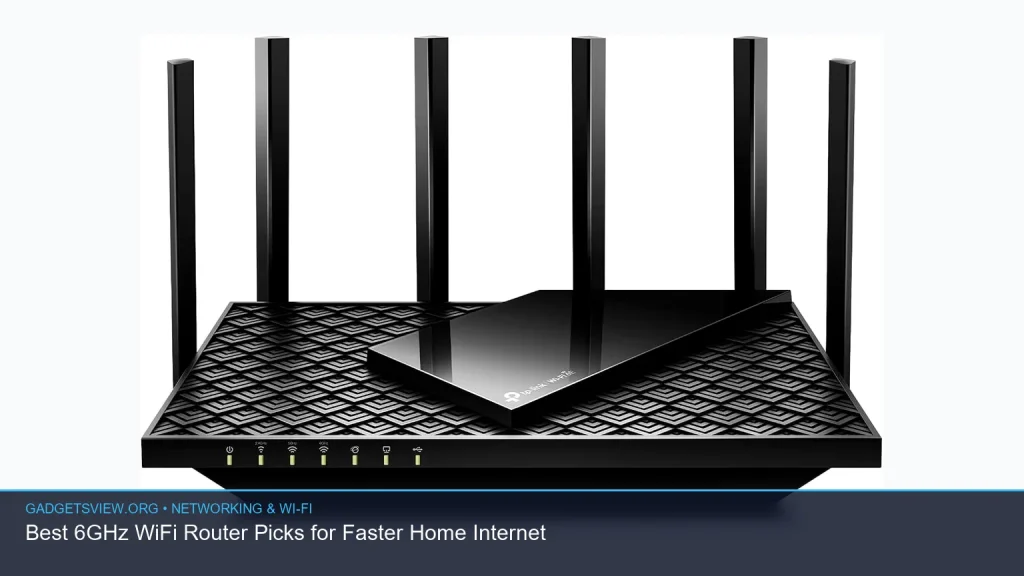
If you want faster wireless speeds, less congestion, and better performance for busy homes, a 6ghz wifi router is worth a close look. The 6 GHz band can help newer devices connect on a cleaner lane, which is useful for streaming, gaming, video calls, and large file transfers. In this guide, we break down what matters most, what to expect from this class of router, and how to choose the right one for your home. We also include a commercial comparison to help you decide whether a Wi‑Fi 7 model like the ASUS RT-BE9700 is the right fit.
📖 Table of Contents
Products mentioned
- ASUS RT-BE9700 WiFi 7 Router
View current product details
Availability, specifications, and prices can change; verify them on the product page.
📌 Key Takeaways
- A 6 GHz band can reduce congestion, but only newer devices that support Wi‑Fi 6E or Wi‑Fi 7 can use it.
- For most homes, the best router is the one that matches your internet speed, home size, and number of connected devices.
- Wi‑Fi 7 routers like the ASUS RT-BE9700 may be a smart buy if you want more future-proofing and plan to keep the router for years.
- Placement, mesh support, and wired ports matter almost as much as the wireless standard.
What a 6GHz WiFi Router Does Differently
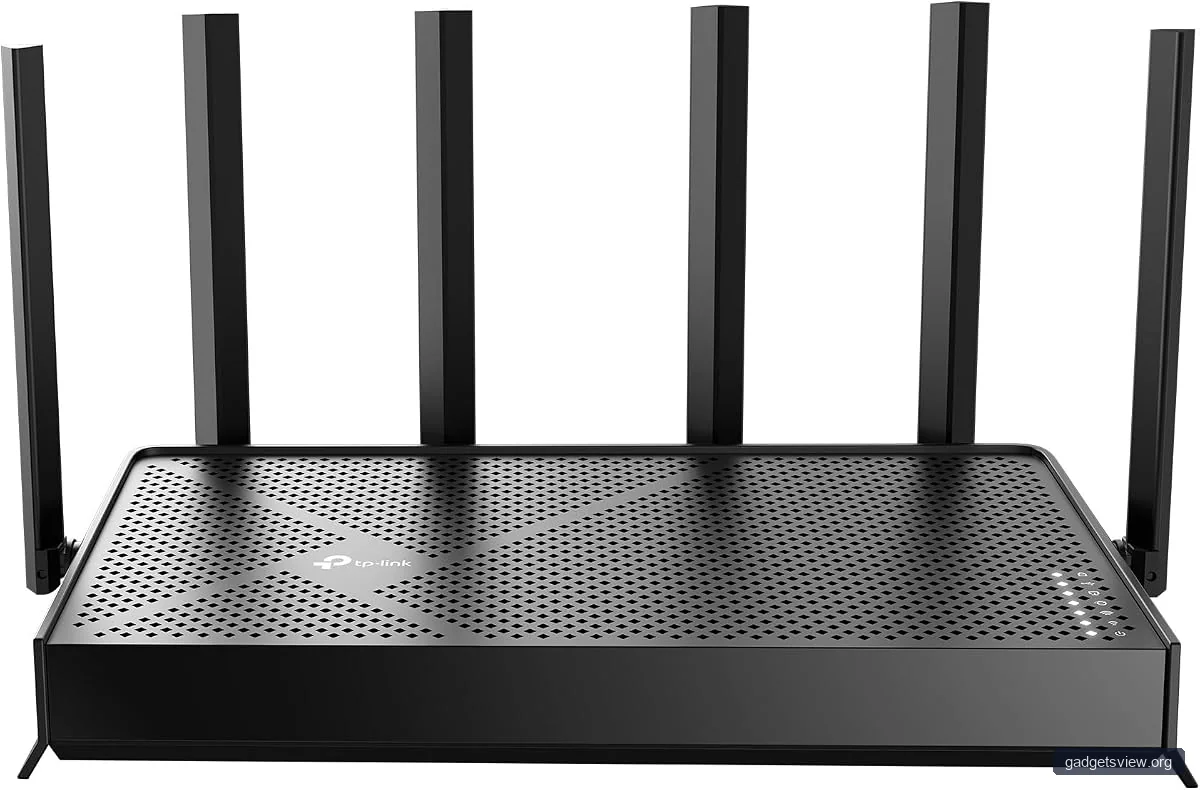
A 6ghz wifi router adds a newer wireless band alongside 2.4 GHz and 5 GHz. The main benefit is less crowding, since the 6 GHz band is not shared with as many older devices and appliances. That can mean smoother performance in homes where many phones, laptops, tablets, and smart devices are online at once.
This does not automatically make the internet plan faster. Your router can only move data as fast as your modem and ISP allow, so the real gain is often lower wireless congestion and better local network performance. If your devices support the band, you may notice more stable speeds at close range and fewer slowdowns during busy hours.
Who can actually use 6 GHz?
Only devices with Wi‑Fi 6E or Wi‑Fi 7 support can connect to 6 GHz. Older Wi‑Fi 5 and many Wi‑Fi 6 devices will still work, but they will use 2.4 GHz or 5 GHz instead. That makes compatibility a key part of the buying decision.
Best 6GHz WiFi Router Picks for Different Home Needs
Because this is a commercial search, the best choice depends on how you use your network. One model surfaced in research as a relevant listing: the ASUS RT-BE9700 WiFi 7 Router. Since listing titles are only discovery evidence, the right move is to treat it as a candidate for buyers who want a current-generation router and stronger long-term value, then verify exact features before purchase.
| Router type | Best for | Strengths | Limitations |
|---|---|---|---|
| Wi‑Fi 7 6 GHz router | Power users, large device counts, future-focused buyers | Newest standard, strong upgrade path, better support for modern devices | Not all devices can use the newest features yet |
| Wi‑Fi 6E router | Homes that want 6 GHz without paying for the newest standard | Access to 6 GHz, often a good balance of price and performance | Less future-proof than Wi‑Fi 7 |
| Mesh system with 6 GHz backhaul | Large homes, multi-floor layouts, weak-signal areas | Better whole-home coverage, easier expansion | Usually costs more than a single router |
If you are comparing options, the ASUS RT-BE9700 WiFi 7 Router is the kind of product that makes sense when you want a top-tier, forward-looking choice. If your devices are mostly older, a cheaper Wi‑Fi 6E option may be enough. If coverage is your main problem, a mesh system may matter more than the wireless standard alone.
How to Choose the Right 6GHz WiFi Router
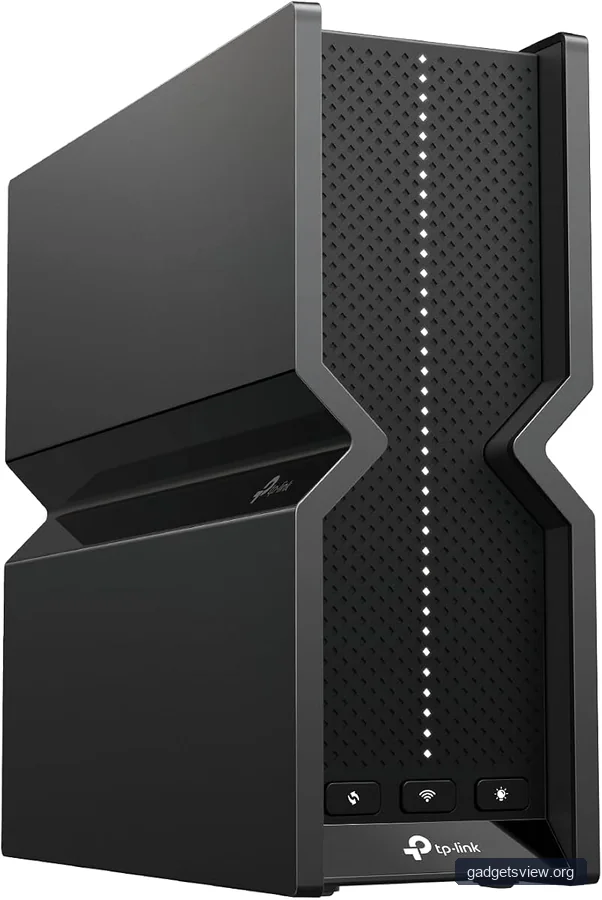
The best router for your home should fit your space, devices, and internet plan. A faster wireless standard is helpful, but only if the rest of your network setup supports it. Use the checklist below to narrow your options.
- Device support: Check whether your phones, laptops, and tablets support Wi‑Fi 6E or Wi‑Fi 7.
- Home size: Larger homes may need mesh support or stronger coverage, not just a faster radio band.
- Internet speed: Match the router to your plan so you are not overspending on features you cannot use.
- Wired needs: Look at Ethernet ports if you game, work from home, or connect a desktop, console, or NAS.
- Future use: If you keep routers for many years, a Wi‑Fi 7 model may offer better long-term value.
Selection criteria that matter most
Start with compatibility, then move to coverage, then features. This order prevents common buying mistakes, such as paying for 6 GHz when none of your devices can use it. It also keeps you from choosing a powerful router that still leaves dead zones in your home.
Also check whether the router supports features like separate bands, guest networks, parental controls, and app-based setup. These do not always improve raw speed, but they can make the router easier to live with every day.
Strengths and Limits of 6 GHz at Home
The 6 GHz band is appealing because it opens a cleaner wireless lane. In practice, that often means better performance for nearby devices in busy homes, especially when many neighbors are also using Wi‑Fi. It can be a strong fit for apartments, townhomes, and households with heavy streaming or gaming use.
Still, 6 GHz has a shorter range than 2.4 GHz and usually does not travel through walls as well as lower bands. That means placement matters. If you tuck the router in a far corner or behind thick materials, the benefit of 6 GHz may shrink quickly.
Common limitations to expect
- Shorter range: 6 GHz is best for nearby rooms, not distant corners of the house.
- Device compatibility: Older devices cannot join the band at all.
- Buying complexity: Specs can be confusing, so it helps to confirm support before ordering.
Who Should Choose What
If your home has many newer phones and laptops, a 6ghz wifi router is a smart upgrade because your devices are more likely to benefit right away. If you want the newest platform and plan to keep the router for years, the ASUS RT-BE9700 WiFi 7 Router is the most obvious candidate from the research list. It fits buyers who care about future-proofing and modern wireless features.
If you mainly want better coverage across a larger house, choose a mesh system instead of chasing the highest wireless standard. If your internet plan is modest and your devices are older, a Wi‑Fi 6E router may offer the best balance of cost and performance. The right answer depends less on the logo and more on your actual network use.
Setup Tips for Better Real-World Performance
Even a strong router can underperform if setup is poor. Place the router in a central, open spot and keep it away from large metal objects, thick walls, and other electronics that can interfere with signal quality. If possible, raise it off the floor and avoid hiding it inside cabinets.
After setup, test the 2.4 GHz, 5 GHz, and 6 GHz bands separately if your router allows band control. This makes it easier to see which devices benefit from each band and where your coverage weak spots are. If you still have trouble, consider mesh expansion or wired backhaul instead of replacing the router again.
Quick troubleshooting table
| Problem | Likely cause | What to do |
|---|---|---|
| 6 GHz not showing up | Device does not support it, or the band is disabled | Check device specs and router settings |
| Slow speeds in another room | 6 GHz range is too short for that location | Use 5 GHz, reposition the router, or add mesh nodes |
| Speeds look the same after upgrade | ISP plan or device hardware is the bottleneck | Test with a supported device and review your internet plan |
FAQs About 6GHz WiFi Routers
Is a 6GHz WiFi router worth it for most homes?
It can be, but only if you have compatible devices and enough wireless traffic to benefit from the cleaner band. For smaller homes with older devices, the jump may be less dramatic.
Do I need Wi‑Fi 7 to use 6 GHz?
No. Wi‑Fi 6E also supports 6 GHz. Wi‑Fi 7 adds newer features, so it may be a better long-term buy, but it is not required for 6 GHz access.
Will 6 GHz improve my internet speed from my ISP?
Not directly. It mainly improves the wireless link between your device and router. Your internet plan still sets the maximum speed coming into the home.
Should I buy a router or a mesh system?
Choose a router if your home is small to medium and coverage is already decent. Choose mesh if you need stronger signal across multiple floors, long hallways, or hard-to-reach rooms.
Final Verdict
The best 6 GHz choice is the one that matches your devices, coverage needs, and upgrade timeline. If you want a future-focused option, the ASUS RT-BE9700 WiFi 7 Router is a strong candidate to research further. If you want lower cost, Wi‑Fi 6E may be enough. Either way, verify device support before you buy, place the router well, and choose coverage first if your home has dead zones.