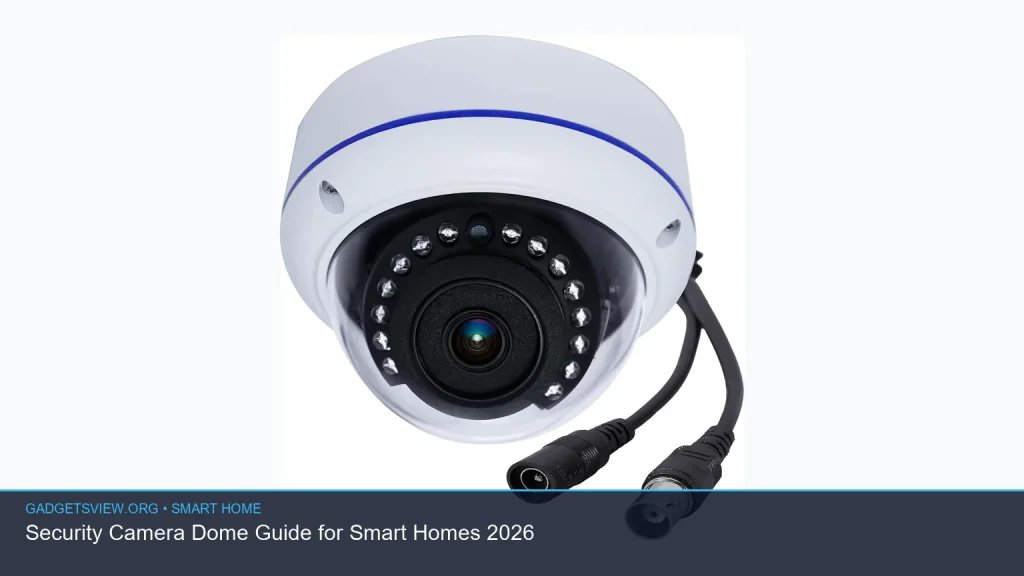
If you’re shopping for a security camera dome for a smart home in 2026, the right choice comes down to where you plan to mount it, how you want to power it, and whether you need local recording, app access, or both. Dome cameras are popular because they look discreet, resist tampering, and fit well in garages, porches, entryways, and covered outdoor spaces. This guide breaks down the best use cases, key features, and tradeoffs so you can choose a system that fits your home, budget, and wiring setup.
📖 Table of Contents
Products mentioned
- GW Security 32 Channel NVR UltraHD 12MP 4K @30FPS Face/Human/Vehicle Detection PoE Security Camera System with 16 x 12MP (4512×2512) IP Microphone Outdoor & Ind
View current product details - HD 1080P 2MP 180 Degree Fisheye Dome Security Camera Outdoor Indoor Wired Coax 1.7mm Lens Super Wide Angle 4 in 1 (TVI/AHD/CVI/BNC) Hybrid Analog CCTV Camera wi
View current product details - 4.3 Inch Outdoor Waterproof Polycarbonate PC Clear Ball Cover Heightened Surveillance Security CCTV Camera Dome Protective Housing Optical Round Transparent Cas
View current product details - Analog CCTV Camera HD 1080P 4-in-1 (TVI/AHD/CVI/960H Analog) Security Dome Camera Outdoor Metal Housing, 24 IR-LEDs True Day & Night Monitoring 3.6mm Lens (Whit
View current product details - Analog CCTV Camera HD 1080P 4-in-1 (TVI/AHD/CVI/CVBS) Security Dome Camera Outdoor, 2.8mm-12mm Manual Focus/Zoom Varifocal Lens, Weatherproof Metal Housing 36 I
View current product details
Availability, specifications, and prices can change; verify them on the product page.
📌 Key Takeaways
- Security camera dome models are best for discreet coverage in garages, entryways, and covered outdoor areas.
- For the most reliable setup, many buyers still prefer a wired outdoor security camera or PoE system over battery-only options.
- Match the camera to your needs: wide-angle dome for porches, varifocal for flexible framing, and infrared for night viewing.
- Check power, storage, and viewing method first: app, NVR, monitor, cloud, or local recording.
What a Security Camera Dome Does Best
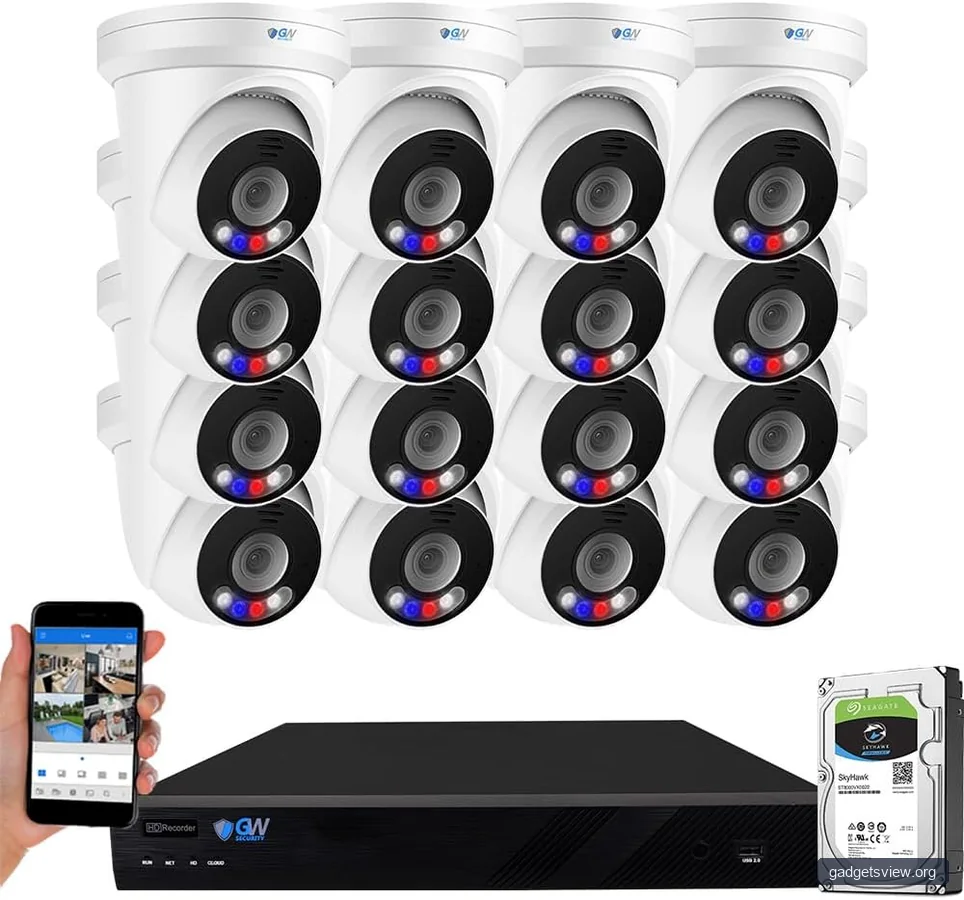
A dome camera gets its name from its rounded housing. That shape helps it blend in and makes it harder for someone to tell exactly which direction the lens is facing. For many homeowners, that is a real advantage at a front door, garage, side yard, or covered patio.
Dome cameras are also a strong fit when you want a neat install. The housing protects the lens area, and many models are designed for indoor or outdoor use. If you want a camera that looks less obvious than a bullet-style unit, the security camera dome format is often the right starting point.
Best places to use one
Common spots include the garage, front porch, back door, breezeway, and under eaves. A garage security camera often benefits from a dome because it can cover doors, vehicles, and storage areas without taking up much visual space. A cabin security camera can also use a dome design if the camera will sit under a roof or protected overhang.
If the area is fully exposed to weather, look closely at the housing rating and mounting method. Dome cameras can work outdoors, but not every dome is built for direct rain, sun, and temperature swings.
How to Choose the Right Dome Camera for a Smart Home
Commercial shoppers usually want the best balance of coverage, reliability, and total cost. That means comparing image quality, night vision, wiring, storage, and app support before buying. A smart-home camera should not just record video; it should fit smoothly into your daily routine.
For many homes, the best choice is a wired system with local recording and remote viewing. That setup is often more dependable than a purely wireless model, especially if your Wi-Fi is crowded or the camera sits far from the router.
| Need | Best Fit | Why It Helps |
|---|---|---|
| Front porch or entry | Dome with wide-angle lens | Covers doors and walk paths with a discreet look |
| Garage or driveway | Wired or PoE dome | Stable power and reliable recording |
| Large yard or long driveway | Long-range camera or varifocal lens | Lets you frame distant details better |
| Off-grid or remote property | Battery, cellular, or local-storage model | Useful where Wi-Fi is weak or unavailable |
Wired, wireless, and PoE: what matters most
If you want the most stable setup, a best wired outdoor security camera setup is often the safer bet. Wired power and Ethernet can reduce dropouts and improve consistent recording. Many buyers also like a wireless security camera system with remote viewing when they want easier installation and app access, though battery maintenance and signal strength matter.
If you are deciding between cable types, remember that wire for security camera installs is about more than length. You need the right gauge, outdoor rating, and routing path. For many smart-home systems, PoE is a clean middle ground because one cable can handle both data and power.
Night vision and image clarity
If you need clear night footage, look for an infrared security camera. IR illumination helps the camera see in the dark without bright visible light. This is useful for side yards, garages, and quiet entries where you want coverage after sunset.
Resolution matters too, but more pixels are not always enough. A camera with good lens quality, proper mounting height, and smart infrared performance can outperform a higher-resolution camera placed poorly.
Top Dome Camera Types and When to Pick Each One
Not every dome camera serves the same job. Some are made for wide indoor coverage, while others are built for outdoor weather and more focused viewing. The right model depends on how much area you want to see and how far away the important details are.
Below are common product types that match real shopping needs for smart homes in 2026.
| Camera Type | Strengths | Limitations | Who Should Choose It |
|---|---|---|---|
| Fisheye dome | Very wide view, fewer blind spots | Edge distortion can reduce detail | Small rooms, lobbies, covered porches |
| Varifocal dome | Flexible framing and zoom control | Usually more expensive and less simple | Driveways, gates, and deeper yards |
| PoE dome system | Stable power, easier centralized recording | Requires cable planning | Homes wanting a dependable NVR setup |
| Hybrid analog dome | Can work with certain existing CCTV systems | Less app-friendly than newer smart systems | Upgrading older camera setups |
Where the product listings fit
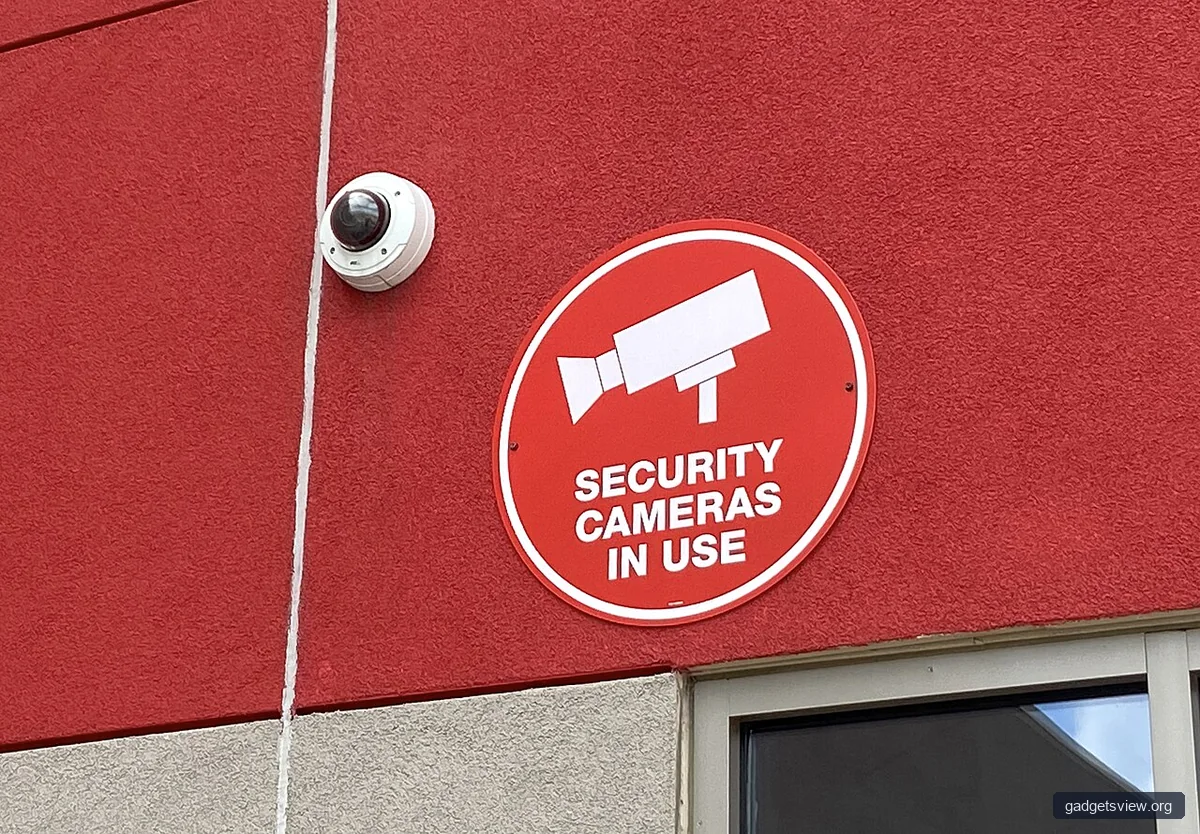
During research, several listing types stood out as useful examples. A GW Security 32 Channel NVR UltraHD 12MP 4K system suggests a large-scale PoE setup for buyers who want centralized recording and more camera channels. An HD 1080P 180 Degree Fisheye Dome is the kind of model that suits broad indoor or covered-area coverage.
Other examples, like a 4.3 Inch Outdoor Waterproof Polycarbonate PC Clear Ball Cover and Analog CCTV Camera HD 1080P 4-in-1 Security Dome Camera Outdoor, show how dome systems can range from protective housings to weatherproof analog options. A 2.8mm-12mm varifocal dome is especially relevant when you need adjustable framing, not just a fixed wide shot.
Smart Home Features Worth Paying Attention To
For a smart home, the camera should do more than save clips. It should work with your phones, alerts, and storage preferences in a way that feels simple. That is especially important for buyers comparing a security camera with monitor option versus a pure app-based system.
A monitor can be helpful in a garage, workshop, or entry desk where you want a live view without opening an app. At the same time, many homeowners still prefer phone alerts and remote viewing so they can check the camera from anywhere.
Storage and remote access
If you want recordings off the camera itself, compare local storage and security camera cloud storage. Cloud storage is convenient for remote access, but it usually depends on an account and internet connection. Local recording through an NVR, DVR, or SD card can be more self-contained and may avoid ongoing service fees.
If you want viewing while away from home, look for a system with app support and stable login tools. That matters whether you choose wired or wireless hardware.
When Wi-Fi is not the answer
Some buyers search for a security camera that connects to phone without wifi. In practice, that often means a camera with cellular support, local direct connection, or another non-home-router method. These are useful for remote cabins, job sites, and properties where internet service is limited.
If you are shopping for a long range security camera, check both the lens and the transmission path. “Long range” can mean long-distance viewing, stronger night performance, or better signal reach. It is important to confirm which one the seller actually means.
Installation Planning, Cost Factors, and Practical Setup Tips
Security camera installation cost varies widely based on cable runs, number of cameras, attic access, wall materials, and whether you use PoE, coax, or wireless. Because costs change by region and labor type, it is best to get current local quotes before buying a full system. A simple one-camera install is very different from a multi-camera home package.
If you want a cleaner install, plan cable routes before you drill. That is especially true for a dome camera on soffits, brick, or finished interior ceilings.
Installation checklist
- Choose the viewing angle first, then mark the mounting point.
- Confirm power and data paths before opening any wall or ceiling cavity.
- Use the right outdoor-rated cable and weatherproof connectors.
- Test the live view at night, not just during daylight.
- Adjust motion zones so trees, street traffic, and pets do not trigger false alerts.
Common mistakes to avoid
Do not mount a dome too low where it can be tampered with. Do not aim it at bright reflections or strong backlight if you need clear identification. And do not assume the same camera will be ideal for both a front porch and a long driveway.
If the goal is reliable evidence, angle and placement matter as much as brand and resolution.
Buying Verdict: Who Should Choose What?
If you want a discreet, durable camera for a porch, garage, or covered entry, choose a security camera dome with wired or PoE power. That gives you a neat look and stable recording. If your priority is easy installation and flexible placement, a wireless model may be better, but you should be comfortable managing battery charging or Wi-Fi range.
If you already have older CCTV wiring, a hybrid analog dome can be a practical upgrade. If you want the cleanest modern smart-home setup, a PoE dome system with app access and local recording is usually the most balanced choice.
Who should choose what: families wanting simple daily monitoring should look at app-friendly PoE systems; homeowners with a garage or driveway should favor a weatherproof wired dome; cabin owners should consider non-Wi-Fi or local-storage options; and buyers covering wide indoor spaces should look at fisheye domes.
FAQ
Is a dome camera better than a bullet camera?
It depends on the job. A dome camera is usually more discreet and can be harder to tamper with, while a bullet camera often gives a more obvious deterrent and can be easier to aim over long distances. For porches, garages, and covered entries, dome cameras are often the better fit.
Can a security camera dome work outdoors?
Yes, if the model is built for outdoor use and mounted correctly. Look for weather-resistant housing, proper sealing, and a location that protects the camera from direct exposure when possible. A covered eave or porch is often ideal.
What is better for a garage: a dome camera or a fisheye camera?
A dome camera is usually better if you want focused coverage of doors, vehicles, and access points. A fisheye camera is better if you want one camera to cover a very wide area. The right choice depends on whether you want detail or broad coverage.
Do I need cloud storage for home security cameras?
No, but it can be useful. Security camera cloud storage makes remote access easier and can protect clips if the camera is damaged. Local storage is often a good alternative if you want more control and fewer recurring costs.
Can I use a security camera without Wi-Fi?
Yes, in some setups. A security camera that connects to phone without wifi may use cellular data, direct local connection, or another non-router method. These options are more common for remote sites, cabins, and off-grid properties.
Choosing the right security camera dome is mostly about matching the camera to the space. Start with where it will mount, how it will power on, and whether you want app viewing, a monitor, or local recording. Then compare lens type, night vision, and weather protection before you buy. That approach will help you build a smart-home security setup that feels reliable, simple, and worth the investment.