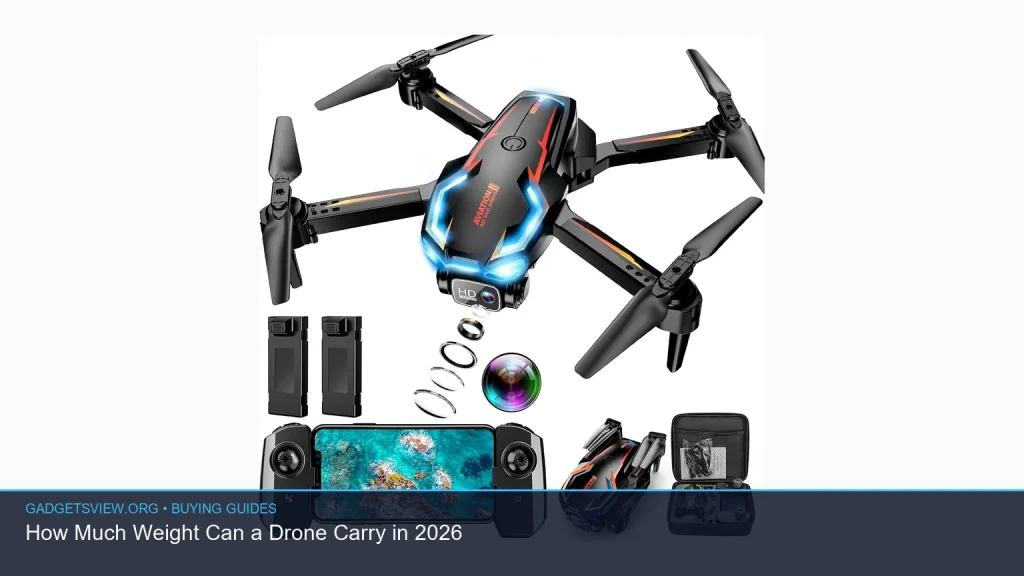
If you’re asking how much weight can a drone carry in 2026, the short answer is: it depends far more on the drone’s frame, motors, battery, and flight controller than on the word “drone” itself. Lightweight consumer models may only handle a small payload, while larger commercial and industrial drones can lift much more. The right choice comes down to what you need to carry, how far you need to fly, and how safe and stable the drone must remain in real use.
📖 Table of Contents
- What “weight capacity” means on a drone
- How much weight can a drone carry in 2026?
- What affects a drone’s lifting power most?
- How to choose the right drone for your payload
- Best cheap drone vs. payload drone: what’s the difference?
- Who should choose what?
- Common problems when a drone carries too much
- FAQ
- Conclusion
📌 Key Takeaways
- Payload capacity is not the same as total weight. A drone’s carrying ability must account for the drone itself, the battery, and any added gear.
- Smaller drones carry very little. Many compact consumer drones can handle only a light accessory or no payload at all without losing stability.
- Commercial drones are built for work. If you need sensors, delivery items, or special equipment, look for drones designed around payload support.
- Choose for the mission, not the spec sheet. Flight time, wind resistance, safety, and local rules matter just as much as lifting power.
What “weight capacity” means on a drone
When people ask how much weight can a drone carry, they usually mean payload capacity. That is the extra weight a drone can lift beyond its own body, battery, and standard setup. In plain terms, it is what you can add and still keep the drone safe, stable, and flyable.
This matters because a drone may technically lift a heavy item for a short time, but that does not mean it can fly well with it. Extra weight usually reduces flight time, limits control, and makes the drone more sensitive to wind. It can also strain motors and batteries faster than expected.
Payload is not the same as takeoff weight
Some buyers confuse payload with maximum takeoff weight. Payload is the added load. Takeoff weight is the full weight of the drone plus battery, accessories, and cargo at the moment it leaves the ground.
For commercial use, this distinction is important. A drone that is close to its limit may still fly, but it may not be the right tool if the job needs long range, precise hovering, or repeated flights.
How much weight can a drone carry in 2026?
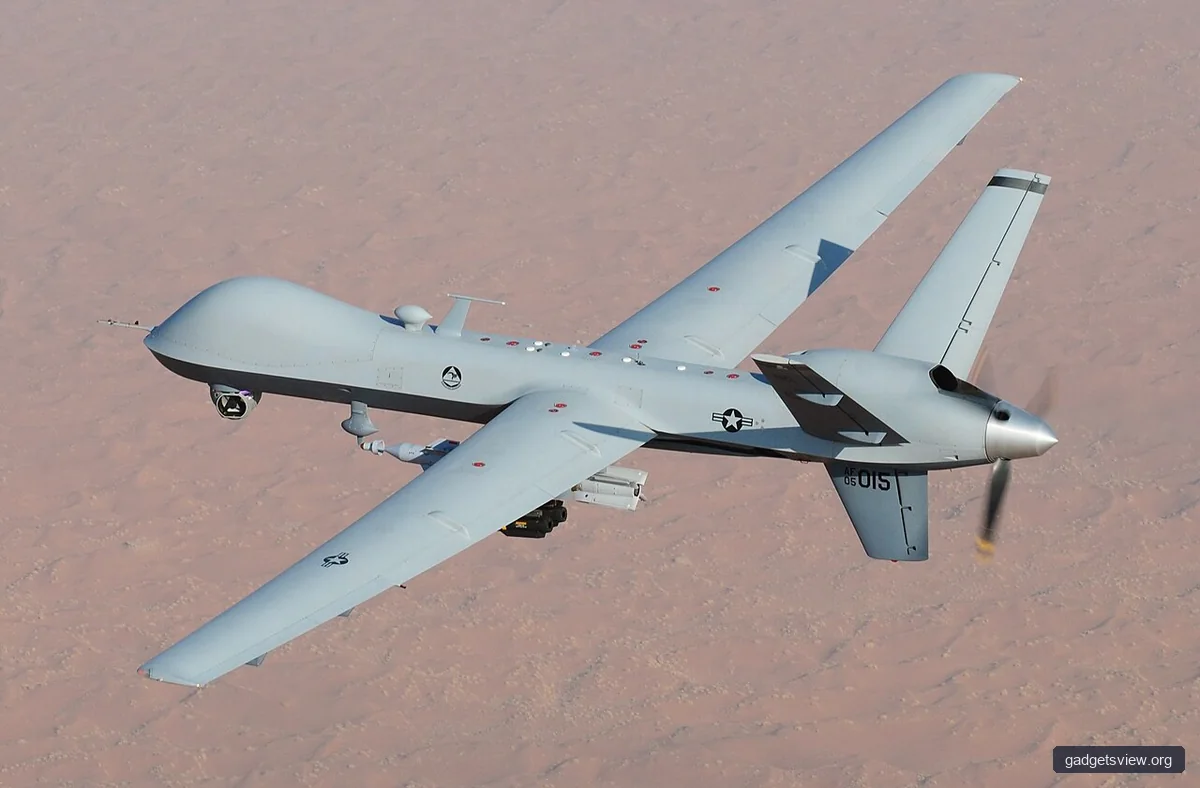
There is no single answer for every drone. In 2026, small consumer drones often support little to no practical payload, while larger commercial models can carry much more. The exact number depends on the aircraft design, motor thrust, battery output, and software limits.
For most buyers, the real question is not “What is the biggest number?” It is “How much can this drone carry while still doing the job well?” A drone that can lift more but drains its battery fast may be less useful than a lighter setup built for efficiency.
| Drone type | Typical carrying ability | Best for |
|---|---|---|
| Compact consumer drone | Very light add-ons or no meaningful payload | Casual flight, travel, simple camera use |
| Foldable camera drone | Usually limited payload support; often optimized for portability, not cargo | Creators who want a compact drone that fits in a bag or drone case |
| Prosumer / heavy-lift consumer drone | Moderate payload for accessories or light equipment | Mapping, inspection, specialized filming |
| Commercial industrial drone | Higher payload support for work tools and sensors | Surveying, public safety, delivery, industrial jobs |
What affects a drone’s lifting power most?
Several factors work together to decide how much a drone can carry. If one part is weak, the whole system suffers. That is why the best drone for lifting is not always the one with the biggest battery or the largest frame.
Motor and propeller strength
Motors create thrust. Bigger props and stronger motors usually help a drone lift more weight, but they also demand more power. If the power system is not balanced, performance can drop quickly once payload is added.
Battery size and voltage
A heavier load needs more energy to stay airborne. A drone may still take off with the extra weight, but flight time often shrinks fast. The battery also has to deliver enough current without overheating or sagging under load.
Frame design and stability
Some drones are designed for carrying gear. Others are built to be small and light. A foldable camera drone is often designed for easy travel and imaging, not cargo, so it may be a poor fit if your main goal is payload.
Flight controller limits
Many drones use software limits to protect the hardware. Even if a drone can technically lift more, the manufacturer may restrict performance to keep it stable. That is one reason you should always check official payload guidance, not just marketing language.
How to choose the right drone for your payload
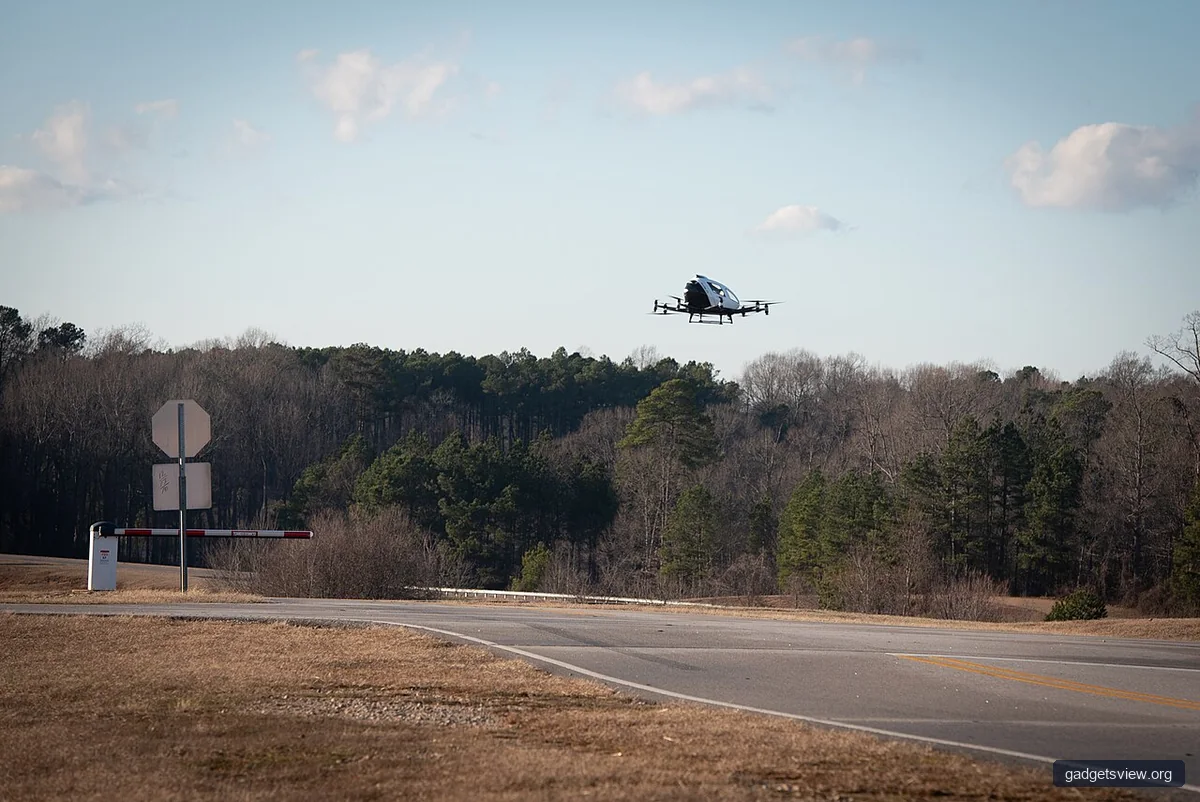
If you want a drone that can carry a load, start with the mission. A drone for carrying a small sensor is very different from a drone for hauling supplies or camera gear. The right choice is the one that can complete the task safely and repeatedly.
- Define the item you need to carry. Measure the full weight, including mounts, cables, and any protective case.
- Check the real payload rating. Look for official guidance from the manufacturer, not just a headline claim.
- Estimate flight time with the load. A heavier drone usually flies for less time, so plan for shorter missions.
- Review wind and weather limits. Extra weight can make a drone harder to control in gusty conditions.
- Confirm local rules. Commercial flights in the US may need to follow FAA requirements, so verify your use case before buying.
| Selection factor | Why it matters | What to look for |
|---|---|---|
| Payload rating | Tells you how much extra weight the drone is built to handle | Official payload specs from the maker |
| Flight time under load | A drone may lift weight but not stay airborne long enough | Realistic run time with the intended payload |
| Wind resistance | Heavier drones still need control in outdoor conditions | Stability features and weather tolerance |
| Transport and storage | A larger payload drone may be harder to move and protect | A durable drone case and safe transport plan |
Best cheap drone vs. payload drone: what’s the difference?
If you are browsing the best cheap drone options, keep your expectations realistic. Budget drones are usually chosen for fun, travel, learning, or simple camera work. They are rarely the best answer when the main goal is carrying something heavy.
A low-cost drone can still be a smart purchase if you only need basic flight, light imaging, or practice before moving into commercial work. But if payload is the priority, a cheap drone often becomes expensive later because it cannot safely do the job.
Strengths of a cheap consumer drone: low barrier to entry, simple controls, easy transport, and good value for casual use.
Limitations: little or no payload margin, shorter battery life under load, and less stability in wind. If your work depends on carrying equipment, it is usually better to step up to a drone designed for the mission.
Who should choose what?
The right drone depends on what you plan to carry and how often you will fly. Here is a simple way to decide.
| Buyer type | Best choice | Why |
|---|---|---|
| Casual flyer | Compact or foldable camera drone | Portable, easy to carry, and better suited to photography than cargo |
| Content creator | Foldable camera drone with good stability | Balances image quality, storage size, and travel convenience |
| Budget buyer | Best cheap drone for basic flying only | Good entry point if payload is not important |
| Commercial operator | Payload-focused commercial drone | Better for repeat missions, special equipment, and work use |
Clear verdict: choose a compact or foldable camera drone if portability matters most. Choose a payload-focused commercial drone if lifting ability is the main goal. Choose a best cheap drone only when you care more about price and learning than cargo capacity.
Common problems when a drone carries too much
A drone that is overloaded may still leave the ground, but the warning signs often show up quickly. The drone may feel sluggish, drift more than usual, or have trouble holding altitude. In some cases, it may struggle to return safely before the battery runs down.
Watch for these symptoms:
- Shorter-than-expected flight time
- Slow climb or weak takeoff
- Motor heat or unusual noise
- Shaky video or poor hover stability
- Battery warnings sooner than normal
If any of these happen, remove the payload and retest. If the drone performs normally without the added weight, the load is likely too heavy for safe use. When in doubt, stay under the maker’s guidance and build in a safety margin.
FAQ
Can a consumer drone carry a package?
Sometimes, but usually only a very light one. Most consumer drones are not designed for package transport, and even a small added load can reduce stability and flight time. For repeat delivery tasks, a commercial drone made for payload work is a better fit.
Does a bigger drone always carry more weight?
Not always. A bigger frame can help, but motor power, battery output, propeller size, and software limits matter just as much. Some large drones are built for long flight time or advanced imaging, not cargo.
Is a foldable camera drone good for carrying gear?
Usually not. A foldable camera drone is made for portability and imaging, so it often has limited payload room. It is a better option for travel and content creation than for carrying equipment.
What should I use to protect a drone in transit?
A fitted drone case or a similarly protective carrying solution helps keep the aircraft, batteries, and accessories organized and safe. This is especially useful for foldable models and commercial setups that are moved often.
Should I buy the best cheap drone if I only need light payload support?
Only if the payload is truly minimal and the drone’s official guidance allows it. The best cheap drone may be fine for learning or casual flying, but it is often not the right choice for work that depends on carrying gear reliably.
Conclusion
If you want to know how much weight can a drone carry, start by matching the drone to the mission. Light consumer and foldable models are best for portability and camera work, while commercial drones are the better choice for real payload tasks. Before you buy, check official payload guidance, plan for reduced flight time, and make sure the drone can handle the load safely and consistently.
For the best result, compare payload capacity, stability, transport needs, and local flight rules. That will help you choose a drone that does the job well instead of one that only looks strong on paper.