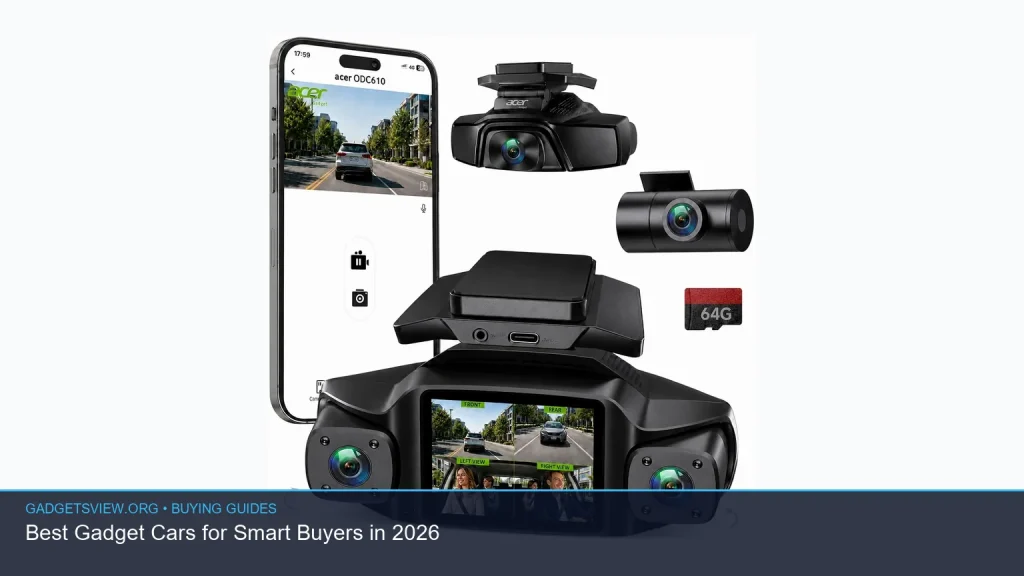
If you are shopping for gadget cars in 2026, the smartest move is not chasing the most features. It is choosing a car that fits your daily drive, tech needs, and budget without adding hassle. The best picks are usually the ones with strong safety tech, easy smartphone integration, useful driver aids, and simple ownership costs. This guide breaks down what matters most, what to compare, and which type of buyer should choose which kind of gadget-ready car.
📖 Table of Contents
- What Makes a Gadget Car Worth Buying in 2026?
- Best Gadget Car Types for Different Buyers
- Cool Car Gadgets That Actually Matter
- How to Compare Gadget Cars Before You Buy
- What Smart Buyers Should Watch Out For
- Best Choice by Buyer Profile
- FAQ: Gadget Cars for 2026 Buyers
- Conclusion: Buy the Tech You Will Use
📌 Key Takeaways
- Gadget cars are best judged by useful tech, not flashy features you may never use.
- Look for a strong mix of safety tech, smartphone integration, easy controls, and good ownership value.
- For US buyers, always verify current trims, feature packages, and safety ratings before purchase.
- The best choice depends on your commute, family needs, charging access, and how much tech support you really want.
What Makes a Gadget Car Worth Buying in 2026?
A good gadget car should make driving easier, safer, and less stressful. That means smart features should solve real problems, like parking, lane changes, road trips, and daily errands. If a car loads up on gimmicks but makes basic tasks harder, it is not a smart buy.
For US shoppers, the best place to start is with safety and usability. Check for modern driver-assist features, clear touchscreens, wireless phone support, and simple climate controls. If you are comparing models, remember to verify current equipment by trim level because automakers often change features mid-year.
Core features smart buyers should look for
- Smartphone integration: Apple CarPlay and Android Auto, ideally wireless if available.
- Driver assistance: adaptive cruise control, lane keeping help, blind-spot warning, and automatic emergency braking.
- Convenience tech: keyless entry, remote start, connected app access, and multiple USB-C ports.
- Visibility tech: backup camera, 360-degree camera, parking sensors, and clear digital gauges.
- Simple controls: easy menus, physical shortcuts for core functions, and fast touchscreen response.
Best Gadget Car Types for Different Buyers
Instead of naming specific products without verified research, it is smarter to compare the most useful gadget car categories. Each type has strengths and tradeoffs. The right one depends on your driving habits, family size, and comfort with new technology.
| Buyer Type | Best Gadget Car Type | Strengths | Limitations |
|---|---|---|---|
| Daily commuter | Compact sedan or crossover with strong driver aids | Easy parking, good visibility, useful safety tech | May lack cargo space or advanced cabin luxury |
| Family buyer | Midsize SUV with rear-seat tech and cameras | More room, safer-feeling visibility, useful storage tech | Higher price and bigger size can reduce efficiency |
| Tech-focused buyer | EV or premium hybrid with advanced infotainment | Strong app support, smart charging tools, large displays | Learning curve and feature overload can be real |
| Budget buyer | Well-equipped mainstream model with option packages | Best value, lower monthly costs, fewer regrets | Some gadgets may be optional, not standard |
Who should choose what? If you want easy ownership and useful tech, choose a mainstream compact or midsize model with the right safety package. If you want the most advanced digital experience, a well-equipped EV or premium hybrid may fit better. If your budget matters most, focus on a model that includes the important features in a single trim rather than paying for every upgrade.
Cool Car Gadgets That Actually Matter
Many shoppers search for cool car gadgets, but the best gadgets are the ones that improve everyday driving. A flashy screen is nice, but a better backup camera or smarter parking assist often delivers more value. That is especially true in crowded US cities, tight school pickup lines, and busy shopping lots.
Features that earn their keep
- 360-degree camera systems: Helpful for parking and curb awareness.
- Adaptive cruise control: Reduces fatigue on highways and stop-and-go traffic.
- Blind-spot monitoring: Useful for lane changes, especially in larger vehicles.
- Remote climate control: Handy in very hot or cold weather.
- Digital key or phone-as-key support: Convenient if the system is reliable and secure.
- Wireless charging pad: Good to have, though worth checking real-world phone fit.
Not every gadget is equally useful. A heads-up display may be great for some drivers, while others may prefer physical knobs for volume and temperature. The smartest buyers choose features that fit their habits, not just trends.
How to Compare Gadget Cars Before You Buy
If you are narrowing down options, use a simple buying process. This keeps you from paying for tech you do not need. It also helps you avoid models with confusing controls or costly add-ons.
- List your top three needs. For example: safe commuting, family space, and wireless phone integration.
- Check standard features by trim. Many gadgets only appear on higher trims or option packages.
- Review safety ratings. Look for NHTSA 5-star ratings where available and IIHS crashworthiness categories, including how the vehicle performs in key tests.
- Study the interface. Make sure the touchscreen, steering-wheel controls, and voice commands are easy to use.
- Test visibility and parking. Sit in the driver seat and judge blind spots, camera quality, and turning radius.
- Confirm ownership costs. Ask about maintenance intervals, warranty coverage, and whether subscription features are required.
| Comparison Factor | What to Look For | Why It Matters |
|---|---|---|
| Safety tech | AEB, lane support, blind-spot alerts | Helps reduce common daily driving risks |
| Ease of use | Logical menus, physical controls, fast response | Prevents frustration and distraction |
| Ownership value | Reasonable maintenance, dependable updates, solid warranty | Keeps the car useful for years |
| Tech relevance | Features you will use weekly, not once a year | Improves real satisfaction after the sale |
What Smart Buyers Should Watch Out For
Some gadget cars look impressive on paper but become annoying in real life. Large touch-only controls can be distracting. Subscription-based features can also add long-term costs that are easy to miss at the showroom.
Another concern is overcomplication. A car packed with connected services may sound advanced, but if it takes too many steps to adjust the cabin or pair a phone, the tech may get in your way. Good design should reduce effort, not increase it.
Common red flags
- Important functions buried deep in touchscreen menus.
- Driver assists that beep too much or feel inconsistent.
- Features that require multiple apps or paid subscriptions to stay active.
- Poorly placed screens that block forward visibility.
- No clear way to update software or check compatibility with your phone.
If you are shopping for a used or newer model, ask about software support and any active recalls. When maintenance or repair details matter, verify the owner’s manual for exact service intervals. Typical maintenance schedules vary by vehicle, but many modern engines still call for oil changes around 5,000 to 10,000 miles depending on oil type and driving conditions. EVs usually need less routine service, but tires, brakes, cabin filters, and software updates still matter.
Best Choice by Buyer Profile
There is no single best gadget car for everyone. The right answer depends on how much tech you want and how much hassle you will tolerate. Use this short verdict to narrow your search.
- Choose a mainstream compact or midsize model if you want the best mix of useful gadgets, price control, and daily comfort.
- Choose a midsize SUV if family space, visibility aids, and convenience tech matter most.
- Choose an EV or premium hybrid if you want the most advanced connected features and are comfortable with charging or higher tech complexity.
- Choose a lower-trim model with safety packages if you want smart value without paying for features you will barely use.
Bottom line: smart buyers should prioritize the tech that helps every week, not the tech that sounds exciting for a day. That is the best way to turn gadget cars into a practical purchase.
FAQ: Gadget Cars for 2026 Buyers
Are gadget cars worth it for most drivers?
Yes, if the technology solves real problems like parking, lane changes, and smartphone use. They are less worth it if you are paying extra for features you will not use. The best value comes from useful safety and convenience tech.
What are the most useful cool car gadgets to look for?
The most useful cool car gadgets are usually a backup camera, blind-spot monitoring, adaptive cruise control, wireless phone support, and a good parking camera system. These features improve daily driving more than flashy extras. Always compare how well they work, not just whether they exist.
How do I know if a car has good safety tech?
Check for NHTSA 5-star ratings where available and review IIHS crashworthiness categories. Then confirm which driver-assist features are standard on the exact trim you want. Safety equipment often changes by package, so do not assume every version is the same.
Do gadget cars cost more to maintain?
Sometimes, especially if they use subscription services, larger screens, or more advanced sensors. Routine service still matters too, so verify the owner’s manual for intervals and fluid needs. A well-equipped car can still be a smart buy if the tech is reliable and the maintenance plan is clear.
Should I choose a car with more gadgets or a simpler one?
Choose the simpler one if you value easy ownership and low distraction. Choose the more advanced one only if the extra tech genuinely fits your routine. The best choice is the car that feels easy after the novelty wears off.
Conclusion: Buy the Tech You Will Use
The best gadget cars in 2026 are the ones that make driving easier, safer, and more comfortable without turning the cabin into a tech puzzle. Focus on safety ratings, useful driver aids, and easy-to-use features. Then compare trims carefully, because the right version of the right car matters more than the brand name alone. Before you buy, verify current specs, check the owner’s manual, and make sure the tech matches your real daily needs.