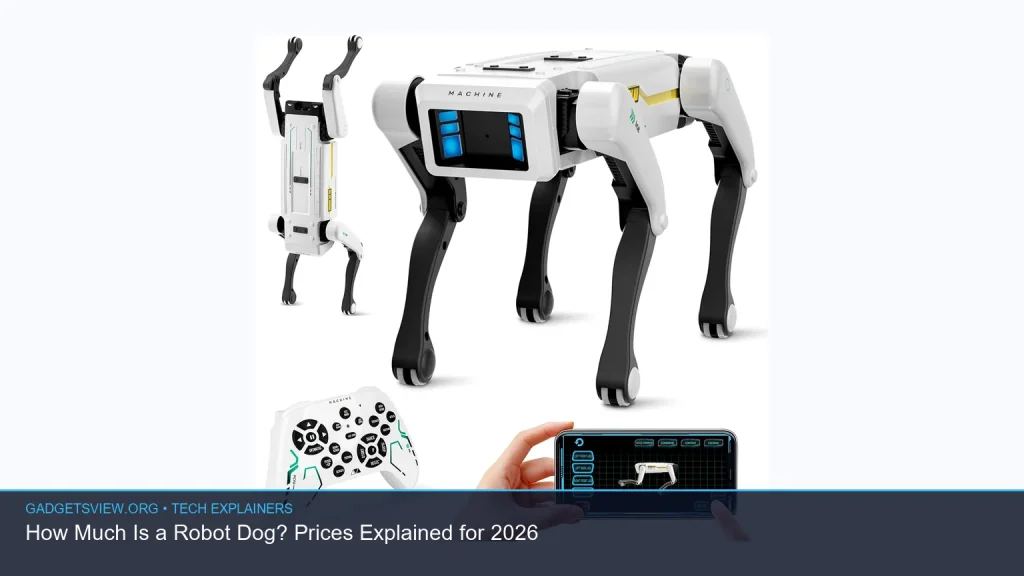
If you’re wondering how much is a robot dog, the short answer is: it depends a lot on what you mean by “robot dog.” Simple toy versions can cost well under $100, while advanced consumer robot pets often land in the low hundreds. High-end robot dogs with sensors, cameras, and app control can cost much more. For 2026 shoppers, the real decision is not just price, but what the robot dog can actually do, how long it will last, and whether it’s meant for play, learning, or research.
📖 Table of Contents
📌 Key Takeaways
- Robot dog prices vary widely, from budget toys to advanced companions and development platforms.
- The main cost drivers are sensors, movement quality, AI features, app controls, and build quality.
- If you want a fun pet-style companion, look at ease of use first. If you want coding or robotics learning, focus on programmability.
- Always verify current pricing before buying, because robot dog costs can change fast with model updates and supply.
What a Robot Dog Usually Costs in 2026
When people ask how much does a robot dog cost, they are often talking about very different products. Some are basic toy dogs that move, bark, or respond to voice commands. Others are advanced robots built for coding, STEM learning, or research.
That means the price range is wide. A simple entry-level robot pet may be inexpensive, while a more advanced robot dog with better movement and smart features can cost several hundred dollars or more. Premium robotics systems may cost far beyond that, especially if they are designed for developers, schools, or labs.
The main price tiers
- Budget toy robot dogs: Usually the lowest-cost category. These are often focused on fun, lights, sounds, and basic actions.
- Mid-range robot pets: These tend to offer more realistic movement, better interaction, and app or remote control.
- Advanced consumer robot dogs: These may include more sensors, smarter behavior, and a stronger build.
- Educational or research robots: These can cost much more because they are built for programming, experimentation, and development.
If you are comparing prices, think about the use case first. A child’s holiday gift and a robotics learning tool are not priced the same for a reason.
What Drives the Price of a Robot Dog?
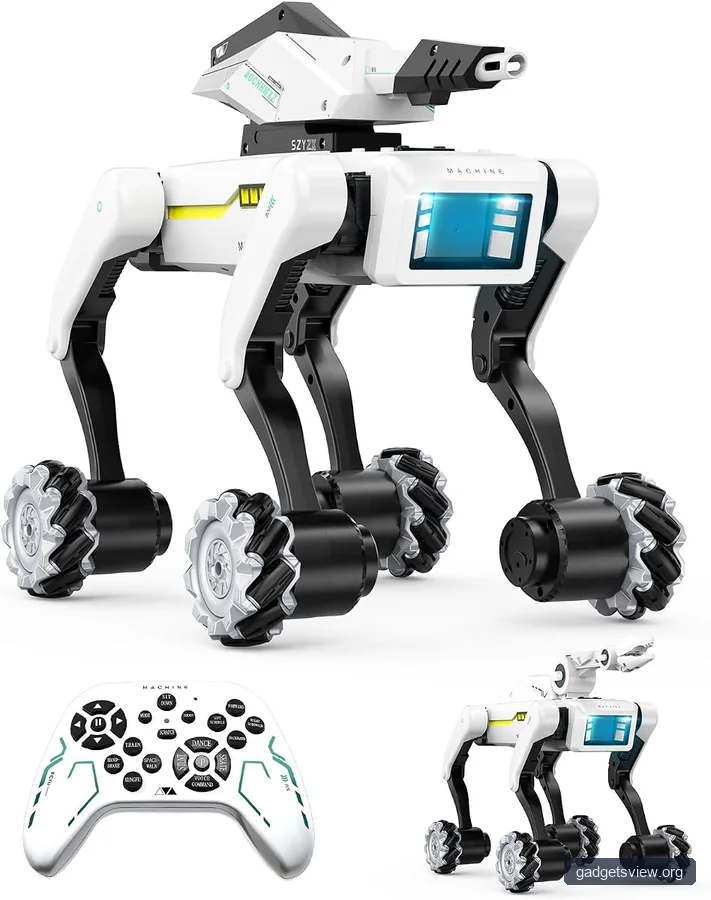
The biggest factor is complexity. The more a robot dog can sense, move, and respond, the more it usually costs. A product that only walks forward and plays sounds is much cheaper than one that balances well, avoids obstacles, or reacts to touch and voice.
Materials also matter. Better motors, stronger joints, and more durable plastics usually raise the price. Software can add cost too, especially if the robot dog uses app control, cloud-connected features, or frequent updates.
Key features that raise the price
- Movement quality: More natural walking and turning usually cost more to engineer.
- Sensors: Cameras, proximity sensors, and touch sensors increase both capability and cost.
- Interactivity: Voice responses, gestures, and behavior changes add software complexity.
- Connectivity: Bluetooth and Wi-Fi features can improve function, but also add cost.
- Programming support: Robot dogs made for STEM and coding often cost more because they support learning tools.
Brand reputation can also influence price. Some buyers pay more for a trusted name, better support, or a more polished user experience.
How Much Is a Robot Dog for Different Types of Buyers?
The right answer depends on who the robot is for. A parent shopping for a child may care most about price, safety, and ease of use. A hobbyist may want a robot dog that can be customized. A student or teacher may want something that supports learning.
Below is a simple comparison of the main buyer groups and what they usually value most.
| Buyer Type | What They Usually Want | Typical Cost Range | Best Fit |
|---|---|---|---|
| Families and kids | Fun, simple controls, safe design | Lower to mid-range | Toy-style robot dog |
| Tech enthusiasts | Realistic movement, app control, smart features | Mid-range to higher | Interactive robot pet |
| Students and educators | Coding tools, lessons, classroom use | Mid-range to premium | STEM-focused robot dog |
| Developers and researchers | Customization, sensors, advanced programming | Premium and above | Developer robot platform |
Who should choose what? If you want playful interaction with low effort, choose the simpler option. If you want learning value, choose a model that supports coding or deeper control. If you need advanced behavior or research use, expect to pay more and verify specs carefully before buying.
What to Look At Before You Buy
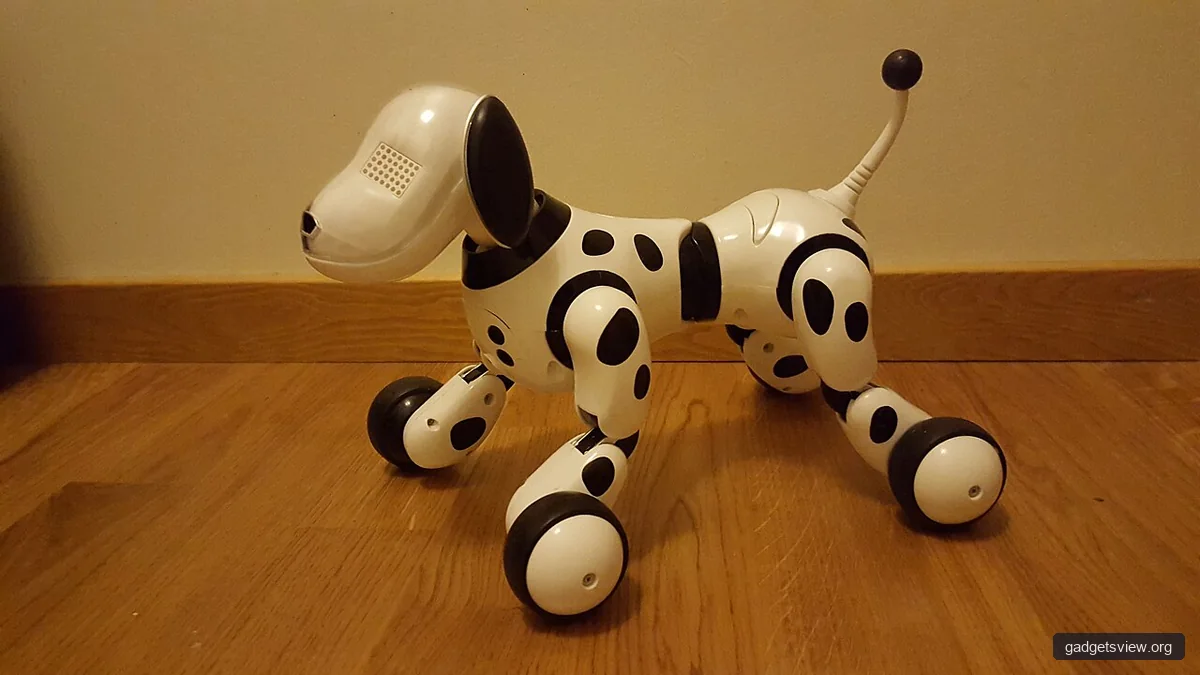
Price alone does not tell the full story. A cheaper robot dog can seem like a better deal, but if it breaks fast or feels boring after a day, it may not be worth it. A higher-priced model can make sense if it offers better build quality, smarter interaction, or longer usefulness.
Here are the most useful things to compare before you buy.
- Intended use: Decide whether the robot is for play, learning, or development.
- Control method: Check whether it uses buttons, remote control, an app, voice commands, or coding tools.
- Battery and charging: Look for practical battery life and easy charging, especially for kids.
- Durability: Make sure the build matches how it will be used.
- Age fit: Some robot dogs are better for older kids, teens, or adults because they are more complex.
- Support and updates: If software matters, check whether the brand still supports the product.
A useful rule is simple: the more a robot dog depends on software and sensors, the more important it is to check long-term support. That can matter as much as the upfront price.
Strengths and Limitations by Robot Dog Type
Robot dogs are not all built for the same job. Some are designed to be cute and easy. Others are designed to teach, challenge, or research. Understanding the trade-offs helps you spend wisely.
| Type | Strengths | Limitations |
|---|---|---|
| Toy robot dog | Lower cost, easy to use, good for gifts | Limited movement and features |
| Interactive pet robot | More engaging, better responses, more fun | Costs more, may need app setup |
| STEM robot dog | Good for coding and learning | Can be more complex and expensive |
| Advanced robotics platform | Flexible, programmable, research-ready | Highest cost and steepest learning curve |
For most shoppers, the sweet spot is a model that balances price and usefulness. The cheapest option is not always the best value, and the most advanced option is often more than a casual buyer needs.
How to Decide If a Robot Dog Is Worth the Money
A robot dog is worth the money only if it matches your goal. If you want a gift that gets attention right away, a simple model may be enough. If you want something that stays interesting longer, spending a little more may pay off.
Use this quick decision guide to narrow your choice.
- Set your budget: Decide the max amount before comparing models.
- Choose the main purpose: Fun, learning, or advanced robotics.
- Check the control style: Make sure it is easy enough for the user.
- Review the feature list: Ignore extras you will not use.
- Confirm support: Look for manuals, app support, or coding resources if needed.
If you are still unsure, think in terms of value per use. A robot dog that gets used every week is a better buy than a flashy one that ends up in a drawer.
FAQ
How much is a robot dog for kids?
For kids, robot dog prices are often in the lower to mid-range, depending on features. Basic versions are usually the cheapest, while interactive models with more movement or app control cost more. The best choice is usually the one that is simple, durable, and age-appropriate.
How much does a robot dog cost if it has AI features?
A robot dog with AI-style features usually costs more than a basic toy. That is because smarter behavior, sensors, and software development add cost. If you are comparing options, check whether the “AI” label means real interactive features or just a few preset responses.
Are expensive robot dogs better?
Not always. A higher price often means better materials, more features, or more advanced movement, but that does not guarantee it will be the best fit. The better question is whether the extra features are useful to you.
Do robot dogs need subscriptions?
Some connected robot dogs may use apps or online services, and those can sometimes involve extra costs. Others do not need subscriptions at all. Before buying, check the product details carefully so you know the full ownership cost.
What is the best robot dog for beginners?
The best beginner option is usually the one with simple controls, clear instructions, and a price that matches the user’s needs. Beginners often do best with straightforward models that are easy to charge, easy to control, and not too complicated to set up.
Conclusion
If you have been asking how much is a robot dog, the answer is that the price depends on the type of robot and what you want it to do. Simple toy models are the most affordable, while smart interactive pets and coding-focused robots cost more. The best purchase is the one that fits your budget, your skill level, and your real purpose.
Before you buy, compare features, check support, and verify current pricing. That extra step can help you avoid paying more than you need to, and it makes it easier to find a robot dog that is actually worth it.