
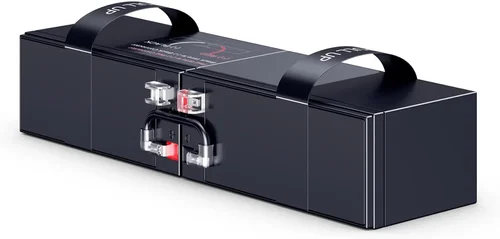
Best CyberPower 1500AVR Battery Guide 2026
May 22, 2026

When your CyberPower 1500AVR uninterruptible power supply (UPS) starts showing signs of battery failure—like shorter runtime, frequent beeping, or failure to hold a charge—it’s not the end of the line. In fact, replacing the internal battery is often a simple, cost-effective way to restore full functionality and extend the life of your UPS system. Unlike replacing the entire unit, a battery swap can save you hundreds of dollars while maintaining the same level of protection for your computers, servers, networking gear, or home theater systems.
This comprehensive buying guide is designed to help you navigate the often-confusing world of UPS replacement batteries with confidence. Whether you’re a home user protecting your gaming rig, a small business owner safeguarding critical data, or an IT professional managing multiple systems, choosing the right battery for your CyberPower 1500AVR is crucial. With so many options on the market—from OEM (original equipment manufacturer) parts to third-party alternatives—it’s easy to feel overwhelmed. Our goal is to cut through the noise, provide expert insights, and equip you with the knowledge needed to make a smart, informed decision.
In this guide, we’ll walk you through everything you need to know about selecting, purchasing, and installing a replacement battery for your CyberPower 1500AVR. You’ll learn how to evaluate key factors like battery chemistry, compatibility, warranty, and price, as well as avoid common pitfalls that lead to poor performance or premature failure. We’ll also compare different types of batteries, break down budget considerations, and share pro tips to help you get the best value. By the end, you’ll not only know what to buy—but why it matters.
The market for UPS batteries has evolved significantly in recent years. While sealed lead-acid (SLA) batteries remain the standard due to their reliability and low cost, advancements in lithium-ion technology are beginning to offer longer lifespans and lighter weights. However, for the CyberPower 1500AVR—a popular line-interactive UPS model—most users will still opt for SLA replacements due to compatibility and cost. Third-party manufacturers now offer high-quality alternatives that match or exceed OEM specifications, often at a fraction of the price. But not all batteries are created equal. Some may look similar but fall short in performance, safety, or longevity. That’s why understanding what to look for is essential.

What to Look for When Buying Buying Guide
1. Battery Chemistry and Type
The CyberPower 1500AVR uses sealed lead-acid (SLA) batteries, specifically valve-regulated lead-acid (VRLA) types, which are maintenance-free and spill-proof. These batteries are ideal for UPS applications because they deliver consistent power, handle frequent charge/discharge cycles, and operate safely in indoor environments. When shopping for a replacement, ensure the battery is labeled as SLA or VRLA. Avoid lithium-ion options unless explicitly compatible—most CyberPower 1500AVR models are not designed for lithium upgrades without modification, which can void warranties and pose safety risks.
Look for batteries with absorbed glass mat (AGM) technology, a subtype of VRLA that offers better vibration resistance, deeper discharge capability, and longer cycle life compared to gel batteries. AGM batteries are the gold standard for UPS systems and are used in OEM CyberPower replacements. Always verify the chemistry on the product label or datasheet.
2. Voltage and Capacity (Ah Rating)
Your CyberPower 1500AVR typically uses a 12V battery with a capacity of 7Ah or 9Ah, depending on the specific model (e.g., CP1500AVRLCD, CP1500AVRT). It’s critical to match both voltage and ampere-hour (Ah) rating exactly. Using a battery with incorrect voltage can damage the UPS circuitry, while a lower Ah rating will reduce runtime. For example, a 7Ah battery provides less backup time than a 9Ah under the same load.
Check your existing battery’s label or consult CyberPower’s official documentation to confirm specifications. Most 1500AVR models use two 12V 7Ah batteries connected in series to deliver 24V total. Some variants may use 9Ah for extended runtime. Never mix different Ah ratings or brands in the same UPS—this can lead to uneven charging and premature failure.
3. Physical Dimensions and Terminal Type
Even if a battery has the right electrical specs, it won’t work if it doesn’t fit. The CyberPower 1500AVR has a compact internal compartment, so battery size matters. Standard replacements are usually around 5.94” x 2.56” x 3.70” (L x W x H) for 7Ah models. Measure your current battery or refer to the user manual to ensure the replacement matches.
Terminal type is equally important. Most CyberPower 1500AVR batteries use F2 fast-on tabs (also called spade connectors), which are 6.3mm wide. Some third-party batteries may come with F1 (4.8mm) terminals or require adapters. While adapters exist, it’s best to choose a battery with native F2 terminals to avoid connection issues or overheating.
4. Brand Reputation and OEM vs. Third-Party
CyberPower offers official replacement batteries (e.g., RB1270X2, RB1290X2), which are guaranteed to meet original specifications and often come with a 1-year warranty. These are reliable but can be expensive—sometimes costing 50–100% more than third-party alternatives.
Third-party brands like UPG (Universal Power Group), Power-Sonic, and Mighty Max Battery have built strong reputations for producing high-quality SLA batteries that match OEM performance. Look for brands with UL, CE, or IEC certifications, which indicate compliance with safety and performance standards. Avoid no-name or ultra-cheap batteries from unknown sellers—these often use inferior materials and may fail within months.
5. Warranty and Return Policy
A good warranty is a strong indicator of a manufacturer’s confidence in their product. OEM CyberPower batteries typically come with a 12-month warranty, while reputable third-party brands often offer 12–18 months. Some even provide pro-rated coverage, meaning you get partial refunds if the battery fails early.
Always check the return policy before purchasing. A 30-day return window allows you to test the battery and ensure it works properly. Avoid sellers with “no returns” policies or restocking fees. If a battery arrives damaged or doesn’t hold a charge, you should be able to exchange it hassle-free.
6. Price and Value for Money
Prices for CyberPower 1500AVR replacement batteries range from $25 to $60 per battery, depending on brand, capacity, and seller. While it’s tempting to go for the cheapest option, remember that battery failure can lead to downtime, data loss, or even equipment damage during a power outage.
Aim for the “sweet spot”—batteries priced between $35 and $50 that offer proven reliability, solid warranties, and good customer reviews. Buying in pairs (since most 1500AVR models use two batteries) can sometimes unlock bundle discounts. Avoid batteries under $25—they’re often low-quality or refurbished units with shortened lifespans.
7. User Reviews and Real-World Performance
Before making a purchase, read verified customer reviews on trusted platforms like Amazon, Newegg, or Batteries Plus. Look for feedback on runtime, longevity, ease of installation, and compatibility. Pay attention to recurring complaints—such as batteries swelling, failing to charge, or not fitting properly—as these are red flags.
Positive reviews that mention “lasted 3 years,” “perfect fit,” or “restored full runtime” are strong indicators of quality. Be cautious of reviews that seem overly promotional or lack detail—they may be fake.
8. Safety Certifications and Environmental Compliance
UPS batteries contain hazardous materials and must meet strict safety standards. Look for certifications such as UL 1989 (for standby batteries), CE (European Conformity), and RoHS (Restriction of Hazardous Substances). These ensure the battery is safe for indoor use and environmentally responsible.
Avoid batteries without clear certification markings. Uncertified units may overheat, leak, or even explode under stress. Additionally, check if the seller offers proper disposal instructions—lead-acid batteries must be recycled at certified facilities.
Different Types of Buying Guide
Common Buying Mistakes to Avoid

❌ Mistake: Buying the Wrong Voltage or Ah Rating
Why it’s bad: Using a 6V battery in a 12V system or a 5Ah in place of a 7Ah can result in insufficient power delivery, overheating, or complete UPS failure. The system may not recognize the battery or shut down prematurely during outages.
What to do instead: Always double-check your current battery’s label or consult the CyberPower manual. Match voltage, Ah, and terminal type exactly.
❌ Mistake: Ignoring Physical Dimensions
Why it’s bad: A battery that’s even slightly too tall or wide won’t fit inside the UPS casing. Forcing it in can damage internal components or prevent the cover from closing, exposing live parts.
What to do instead: Measure the battery compartment or compare dimensions with the original. Choose a replacement with identical or very similar size.
❌ Mistake: Choosing the Cheapest Option Without Research
Why it’s bad: Ultra-low-cost batteries often use recycled materials, have poor seals, or lack proper charge controllers. They may fail within weeks or pose fire risks.
What to do instead: Prioritize value over price. Invest in a reputable brand with positive reviews and a solid warranty.
❌ Mistake: Mixing Old and New Batteries
Why it’s bad: If one battery is old and the other is new, the older one will degrade faster and drag down the performance of the new one. This leads to uneven wear and reduced overall lifespan.
What to do instead: Always replace both batteries in a pair at the same time, even if only one appears faulty.
❌ Mistake: Overlooking Warranty and Return Policies
Why it’s bad: If a battery arrives defective or fails early, you could be stuck with a useless product and no recourse.
What to do instead: Only buy from retailers with clear return policies and manufacturers that offer at least a 12-month warranty.
❌ Mistake: Assuming All Third-Party Batteries Are Equal
Why it’s bad: Some third-party batteries are rebranded low-quality units with fake certifications. They may look similar but perform poorly.
What to do instead: Stick to well-known brands with verifiable certifications and customer testimonials.
❌ Mistake: Skipping Post-Installation Testing
Why it’s bad: A faulty installation or defective battery can go unnoticed until the next power outage—when it’s too late.
What to do instead: After installation, run a full charge cycle and perform a runtime test using the UPS software or by simulating a power cut.
Budget Guidelines: How Much Should You Spend?
– Entry-Level ($25–$30): These batteries are typically from lesser-known brands or refurbished units. They may work for a few months but often lack durability and safety certifications. Best suited for temporary fixes or non-critical systems.
– Mid-Range ($35–$45): This is the sweet spot for most users. Batteries in this range come from reputable third-party manufacturers, offer AGM technology, and include 12–18 month warranties. They provide reliable performance and good value.
– Premium ($50–$60): OEM CyberPower batteries fall into this category. While more expensive, they guarantee compatibility and are ideal for mission-critical environments where reliability is paramount.
– Luxury ($100+): Lithium-ion upgrades or high-capacity AGM batteries with extended lifespans. These are overkill for most home users but may appeal to tech enthusiasts or small businesses seeking long-term savings.
Expert Tips for Getting the Best Deal
– Buy During Seasonal Sales: Look for discounts during Black Friday, Cyber Monday, or back-to-school seasons. Retailers like Amazon, Newegg, and Batteries Plus often run promotions on UPS batteries.
– Check Multiple Retailers: Compare prices on Amazon, Walmart, Best Buy, and specialty battery stores. Sometimes local electronics shops offer competitive pricing with in-person support.
– Subscribe for Alerts: Set price alerts on Google Shopping or use browser extensions like Honey to notify you when prices drop.
– Buy in Pairs: Since most 1500AVR models use two batteries, purchasing a matched pair ensures balanced performance and often comes with a discount.
– Verify Seller Authenticity: On marketplaces like Amazon, ensure you’re buying from the manufacturer or an authorized reseller. Avoid third-party sellers with low ratings or no return policy.
– Test After Installation: Use CyberPower’s PowerPanel software to run diagnostics and confirm the new battery is charging and discharging correctly.
– Recycle Old Batteries Responsibly: Most retailers offer free recycling. Never throw lead-acid batteries in the trash—they’re hazardous waste.
– Keep Records: Save your purchase receipt and warranty info. This helps with claims and reminds you when the next replacement is due (typically every 2–3 years).

Frequently Asked Questions
Q: How often should I replace the battery in my CyberPower 1500AVR?
A: Most SLA batteries last 2–3 years under normal use. CyberPower recommends testing the battery annually and replacing it if runtime drops significantly or if the UPS reports a fault.
Q: Can I use a higher Ah battery for longer runtime?
A: Only if it fits physically and matches the voltage. A 9Ah battery can replace a 7Ah in compatible models, but check your UPS manual first. Never exceed the manufacturer’s recommended capacity.
Q: Is it safe to replace the battery myself?
A: Yes, as long as you disconnect the UPS from power and follow safety precautions. Wear gloves and eye protection. If unsure, consult a technician.
Q: Will a third-party battery void my UPS warranty?
A: Generally no, as long as the battery meets original specifications. However, using incompatible or damaged batteries could affect warranty claims.
Q: Why does my UPS beep after installing a new battery?
A: This is normal during the initial charge cycle. Allow 24 hours for full charging. If beeping continues, check connections or test the battery with a multimeter.
Q: Can I upgrade to lithium-ion batteries?
A: Not recommended without professional modification. The 1500AVR’s charging circuit is designed for lead-acid batteries. Lithium upgrades require additional components and can be dangerous if done incorrectly.
Q: Where can I recycle my old UPS battery?
A: Most electronics retailers (Best Buy, Staples) and battery stores (Batteries Plus) offer free recycling. You can also check with your local waste management facility.
Q: How do I know if my battery is failing?
A: Signs include reduced runtime, frequent beeping, failure to charge, or visible swelling. Use the UPS self-test feature or monitoring software to check health.
Q: Are there batteries with longer lifespans?
A: Yes, some premium AGM batteries are rated for 5+ years, but real-world performance depends on usage, temperature, and maintenance.
Q: What’s the difference between F1 and F2 terminals?
A: F1 tabs are 4.8mm wide; F2 are 6.3mm. The CyberPower 1500AVR uses F2. Adapters exist, but native F2 terminals are preferred for safety and reliability.
Our Final Recommendations
– Best for Budget-Conscious Buyers: Mighty Max Battery ML7-12 – Affordable, reliable, and widely available. Great for home users who need a quick, cost-effective fix.
– Best Overall Value: UPG UB1270 12V 7Ah – Excellent build quality, AGM technology, and strong customer support. Offers near-OEM performance at a lower price.
– Best Premium Option: CyberPower RB1270X2 – The official replacement. Ideal for businesses or anyone who prioritizes guaranteed compatibility and peace of mind.
– Best for Beginners: Power-Sonic PS-1270 – Easy to install, clear labeling, and comes with installation instructions. Perfect for first-time users.
– Best for Advanced Users: Custom lithium-ion upgrade kit (with professional installation) – For those willing to invest in longer lifespan and lighter weight, though not plug-and-play.
Conclusion: Making the Right Choice
Replacing the battery in your CyberPower 1500AVR doesn’t have to be a stressful or expensive ordeal. With the right knowledge, you can restore your UPS to peak performance and ensure your devices stay protected during power outages. The key is to focus on compatibility, quality, and long-term value—not just the lowest price.
Remember to match voltage, Ah rating, and physical dimensions. Choose reputable brands with strong warranties and positive reviews. Avoid common pitfalls like mixing old and new batteries or ignoring safety certifications. And always test your system after installation.
Whether you’re a home user, small business owner, or IT professional, investing in the right battery now can save you from costly downtime and equipment damage later. Use this guide as your roadmap, and you’ll make a confident, informed decision that keeps your systems running smoothly for years to come.
Don’t wait until the next storm or blackout—replace your battery today and enjoy peace of mind knowing your electronics are protected.