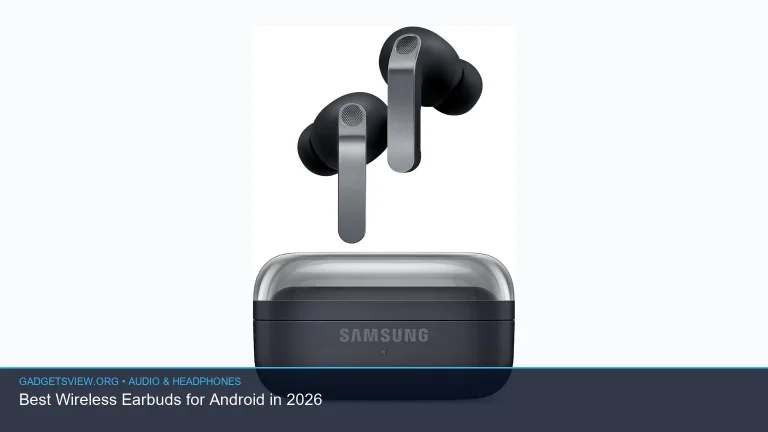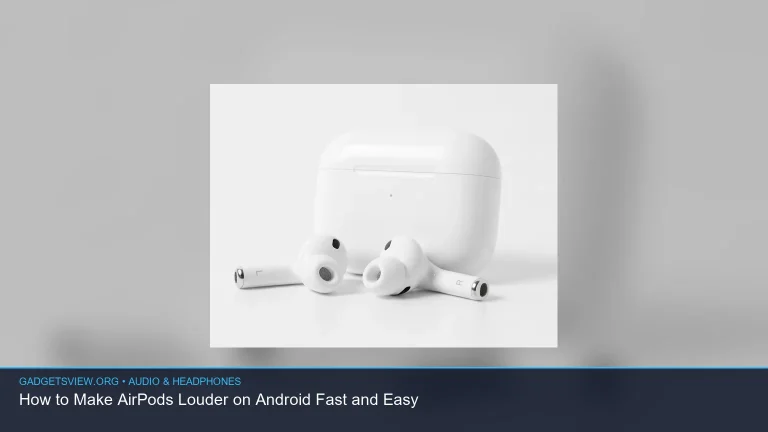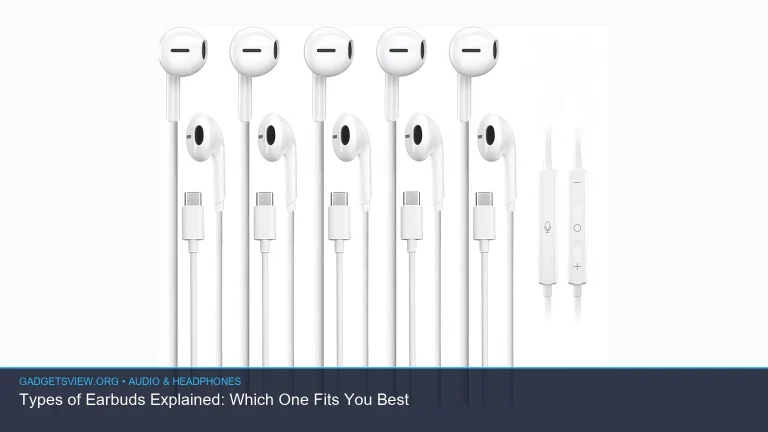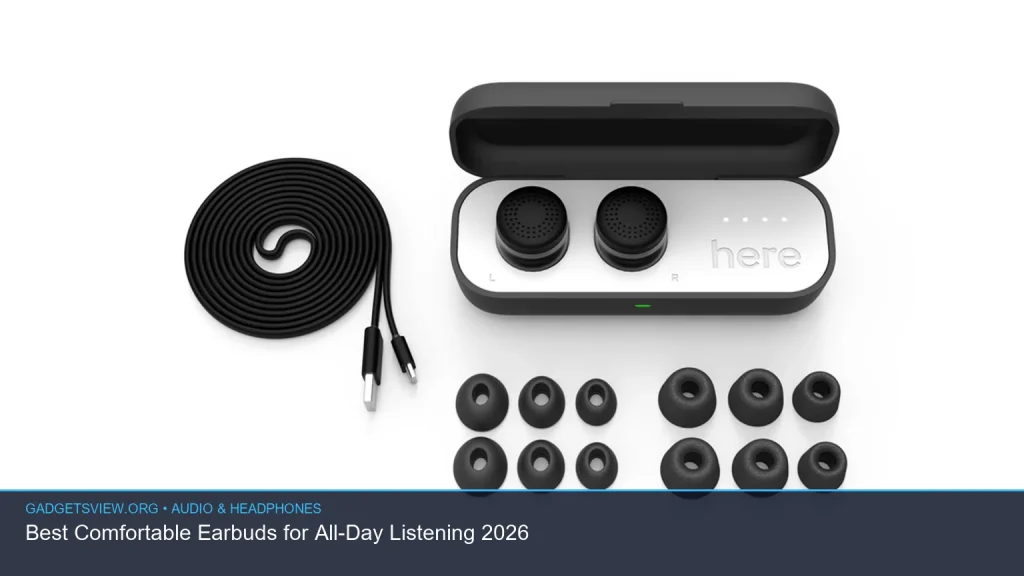
If you want comfortable earbuds for work, travel, workouts, and long listening sessions, the best choice is one that fits your ears well, stays secure without pressure, and sounds good at low volume. For most buyers, comfort matters more than flashy specs. The right pair should disappear in your ears after a few minutes, not remind you they are there all day.
📖 Table of Contents
- What Makes Comfortable Earbuds Worth Buying?
- How to Choose Comfortable Earbuds for All-Day Listening
- Comparison Table: Which Type of Comfortable Earbuds Fits You Best?
- Comfort Features That Matter Most in 2026
- Best Use Cases: Who Should Choose What?
- How to Test Fit Before You Commit
- Common Comfort Problems and What to Do
- FAQ: Comfortable Earbuds for All-Day Listening
- Final Thoughts: Choose Comfort First
Below, you’ll find a practical guide to choosing the most comfortable earbuds for all-day listening in 2026. We’ll cover fit, ear tip styles, noise control, battery life, and the features that matter most for people with sensitive or smaller ears. If you’re searching for the best earbuds for small ears or just want a more comfortable everyday option, this article will help you narrow it down fast.
📌 Key Takeaways
- Comfort starts with fit. The best earbuds for all-day use are usually lightweight, stable, and shaped for a gentle seal.
- Smaller ears need smaller housings and tips. Look for compact buds, multiple ear tip sizes, and low-pressure designs.
- Noise control helps comfort. Good passive isolation or adaptive ANC can let you listen at lower volume.
- Match the earbuds to your use case. Work calls, commuting, and workouts each favor different comfort features.
What Makes Comfortable Earbuds Worth Buying?
Comfortable earbuds are not just soft or lightweight. They should fit your ear shape, sit securely, and avoid creating soreness during long sessions. A good design reduces pressure on the ear canal and outer ear while still giving you a stable seal for sound.
Comfort also depends on how you use them. If you listen for hours at a desk, you may prefer a low-profile design with minimal ear fatigue. If you walk, travel, or exercise, a secure fit becomes just as important as softness.
The main comfort factors to look for
- Low weight: Lighter earbuds usually feel better over time.
- Compact shape: Smaller housings help people with smaller ears.
- Multiple ear tip sizes: Silicone tips in several sizes make it easier to dial in the fit.
- Stable seal: A seal should feel snug, not painful.
- Low-pressure design: Some earbuds reduce the “plugged” feeling that causes fatigue.
How to Choose Comfortable Earbuds for All-Day Listening
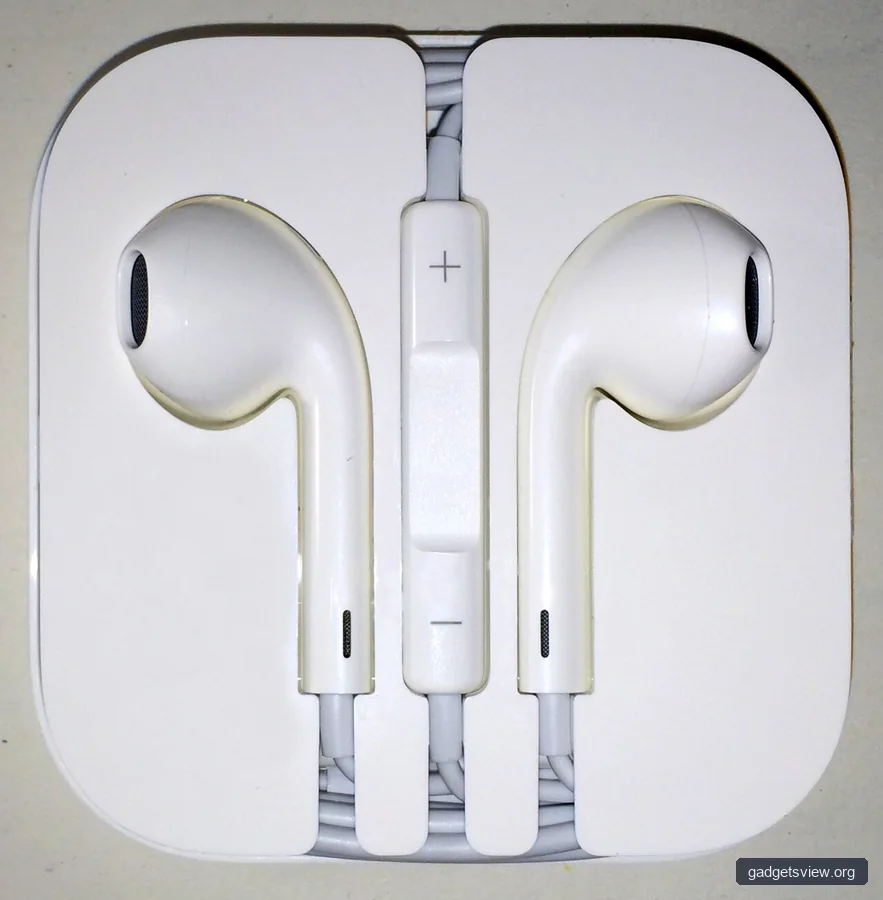
The best buying decision starts with your ear shape and listening habits. Many people focus on sound quality first, but a slightly less exciting pair that fits better often ends up being the one you actually wear. That is especially true for long calls, commuting, and background music.
Use the following checklist before you buy. It helps you avoid the most common comfort mistakes and makes it easier to compare models in the same category.
- Check the shell size. If the body looks bulky, it may press against the outer ear.
- Look for small ear options. Compact earbuds are often the best earbuds for small ears because they sit deeper without wobbling.
- Review the ear tip selection. More sizes improve the chance of a proper fit.
- Decide between sealed and open designs. Sealed earbuds isolate noise better, while open-style designs can feel less intrusive.
- Think about pressure and heat. Some users prefer earbuds that do not create a tight vacuum effect.
- Consider controls and app settings. Easy touch controls and adjustable EQ can improve day-to-day comfort and usability.
If you are especially sensitive to in-ear pressure, focus on models known for a gentle fit and a lighter touch. If you often have earbuds fall out, prioritize stability and tip variety over a super-minimal design.
Comparison Table: Which Type of Comfortable Earbuds Fits You Best?
Use this quick comparison to match the earbud style to your needs. Since no specific product list was provided, this table focuses on design types rather than named models.
| Earbud type | Best for | Strengths | Limitations |
|---|---|---|---|
| Compact in-ear earbuds | Small ears, daily wear, commuting | Light, stable, easier to wear for long periods | May not isolate as much as larger sealed designs |
| Open-style earbuds | People who dislike deep insertion | Less ear pressure, easier all-day comfort | Weaker isolation, less privacy in noisy places |
| Earbuds with ANC | Flights, offices, loud commutes | Lets you listen at lower volume | Some users feel pressure from ANC |
| Sport-focused earbuds | Gym, running, active use | Secure fit, sweat resistance, stability | Some designs can feel firmer or bulkier |
Comfort Features That Matter Most in 2026

Because comfort is personal, the best earbuds are usually the ones that reduce friction points. That means less pressure, fewer hard edges, and a fit that does not need constant adjustment. A good comfort-first design also makes the earbuds easier to wear during long calls and long playlists.
1. Ear tip variety
Ear tips are one of the biggest comfort factors. If a brand includes multiple sizes, you have a better chance of finding a secure fit without over-tightening the buds. For many users, the difference between “fine” and “great” comes down to tip size.
2. Lightweight, compact housings
Smaller shells usually work better for people with petite ears. Large earbuds can press on the concha or outer ear, which becomes uncomfortable after an hour or two. A compact build also tends to feel less noticeable when you move around.
3. Pressure relief and fit tuning
Some earbuds are designed to reduce the sealed-in feeling that bothers sensitive users. This can be especially helpful if you dislike ear pressure or use earbuds for long stretches. If you are sensitive, prioritize comfort over maximum isolation.
4. Noise cancellation that does not overdo it
Noise cancellation can improve comfort by letting you listen quietly in loud spaces. But some people do not like the sensation of active noise canceling. If that sounds like you, a strong passive seal or a lighter ANC setting may be the better path.
Best Use Cases: Who Should Choose What?
There is no single best option for everyone. The right comfortable earbuds depend on where you use them and how sensitive your ears are. Use the guide below to narrow your choice without getting lost in feature overload.
- Choose compact in-ear earbuds if you want the best balance of comfort, portability, and everyday sound quality.
- Choose open-style earbuds if you dislike a deep seal and want the least intrusive feel possible.
- Choose ANC earbuds if you commute, travel, or work in noisy places and want to lower listening volume.
- Choose sport earbuds if you need a secure fit for movement and sweat-heavy sessions.
Verdict: If all-day comfort is your top goal, start with compact earbuds that include several ear tip sizes. If you have small ears, avoid bulky designs and look for a shallow, lightweight shell. If your main issue is ear fatigue, open or low-pressure designs may be the better fit even if they do not isolate sound as strongly.
How to Test Fit Before You Commit
When you get a new pair, test them slowly before deciding whether they work. Comfort issues often show up only after 20 to 30 minutes, so a quick check is not enough. A careful fit test can save you from keeping a pair that feels fine at first but becomes annoying later.
- Try the smallest and next-smallest tips first if your ears are small or sensitive.
- Wear them for at least 20 minutes before judging the fit.
- Move your jaw and walk around to see if the seal breaks or the buds shift.
- Check for pressure points on the outer ear or ear canal.
- Listen at a low volume to see whether the fit still feels secure without cranking up sound.
If one ear feels worse than the other, that is common. Small changes in tip size, angle, or insertion depth can make a big difference. Do not force a fit that causes pain.
Common Comfort Problems and What to Do
Many people think earbuds are “not comfortable” when the real issue is fit tuning. Before giving up on a pair, it helps to identify the exact problem. Often, a simple change in tip size or wear style solves it.
| Problem | Likely cause | Best fix |
|---|---|---|
| Earbuds fall out | Tip too small or shell too loose | Try a larger tip or a more secure design |
| Ear pain after 30 minutes | Too much pressure or wrong angle | Use a smaller tip or a shallower fit |
| Ears feel hot or tired | Long seal-heavy listening sessions | Take short breaks or try open-style earbuds |
| ANC feels strange | Noise canceling sensitivity | Use a lower ANC setting or disable it |
FAQ: Comfortable Earbuds for All-Day Listening
Are comfortable earbuds better than over-ear headphones for long use?
It depends on your ears and your environment. Earbuds are more portable and can feel less bulky, while over-ear headphones may spread pressure more evenly. If you want something light and easy to carry, comfortable earbuds are often the better everyday choice.
What are the best earbuds for small ears?
The best earbuds for small ears usually have a compact shell, multiple tip sizes, and a shallow, stable fit. Look for models designed to sit close to the ear without protruding too far. Avoid bulky buds that can press on the outer ear or slide out easily.
Do noise-canceling earbuds feel less comfortable?
They can, for some users. ANC may create a pressure-like sensation, especially if you are sensitive to sealed earbuds. If that happens, try different tip sizes, reduce the ANC level if possible, or choose a lighter-fitting design.
How do I know if earbuds are too tight?
If you feel soreness, pressure, or fatigue within a short time, the fit is probably too tight. A good pair should feel secure without pain. If you have to constantly adjust them, the shape or tip size may not be right for your ears.
Should I choose silicone or foam tips for comfort?
Silicone tips are common and often feel lighter and easier to clean. Foam tips may feel softer and create a snugger seal, which can help with isolation. The better choice depends on whether you prefer a firmer or softer feel in the ear canal.
Final Thoughts: Choose Comfort First
The best comfortable earbuds for all-day listening are the ones that fit your ears, match your routine, and stay easy to wear for hours. Start with compact designs, multiple tip sizes, and a comfort-first fit. If you have smaller ears, keep size and weight at the top of your checklist.
Before you buy, compare the earbud style to your daily needs, then test the fit carefully once you get them. If comfort is the priority, that process will matter more than almost any spec on the box.