If you want the best eye tracking VR headset for gaming, the right choice depends on what you value most: sharper immersion, better performance in supported games, or a more future-ready setup. Eye tracking is still a premium feature, so the best pick is often the headset that balances comfort, software support, and display quality. For most shoppers, the main name to know is the HTC Vive Pro Eye Virtual Reality System. Below, we’ll break down what eye tracking does, who it helps most, and how to choose the right headset with confidence.
📖 Table of Contents
- What an Eye Tracking VR Headset Actually Does
- Best Eye Tracking VR Headset for Most Gamers
- HTC Vive Pro Eye: Strengths and Limitations
- How to Choose the Right Eye Tracking VR Headset
- Who Should Choose an Eye Tracking VR Headset?
- Practical Buying Tips Before You Check Out
- Eye Tracking VR Headset FAQs
- Final Verdict: Who Should Choose What
Products mentioned
- HTC Vive Pro Eye Virtual Reality System
View current product details
Availability, specifications, and prices can change; verify them on the product page.
📌 Key Takeaways
- Eye tracking VR headsets are best for gamers who want stronger immersion and software features like foveated rendering, where supported.
- The HTC Vive Pro Eye Virtual Reality System is the main commercial option to consider when shopping for a true eye tracking headset.
- Compatibility matters as much as the hardware, since eye tracking only adds value in games and apps that support it.
- Comfort, tracking quality, and PC VR requirements should weigh heavily in your decision, not just the headline feature.
What an Eye Tracking VR Headset Actually Does
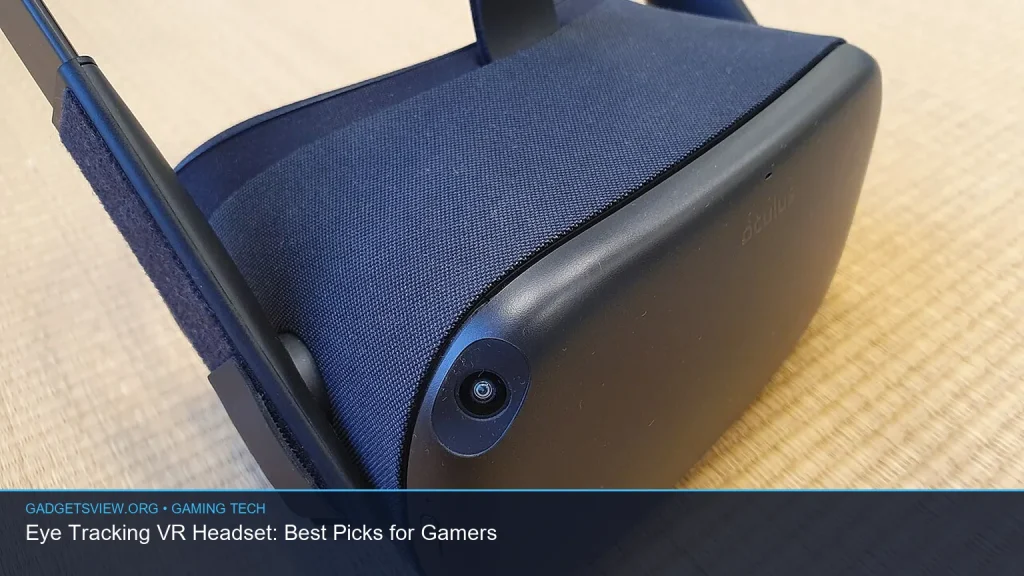
An eye tracking VR headset monitors where your eyes are looking inside the virtual environment. That data can improve how games respond, especially in titles designed to use gaze input or foveated rendering. In simple terms, the headset can help systems focus detail where you are looking and reduce work in areas you are not.
For gamers, this can mean a more natural feel and, in supported setups, better visual efficiency. But eye tracking is not magic on its own. If the software does not support it, the feature may add little more than curiosity.
Why gamers care about it
Eye tracking can make interaction feel more direct. Some games and simulations use gaze to select objects, aim, or navigate menus. In well-supported titles, it can also help developers create more realistic character behavior, since virtual characters may respond to where you look.
It is also important for performance-minded PC VR users. Foveated rendering can reduce the load on the system by rendering the sharpest detail where your eyes are focused. That can help in demanding games, though actual benefits depend on the headset, software stack, and PC.
Best Eye Tracking VR Headset for Most Gamers
When the search is commercial, the best answer usually comes down to availability, support, and overall value. Based on current product research, the standout listing to evaluate is the HTC Vive Pro Eye Virtual Reality System. It is one of the better-known consumer-facing eye tracking VR options and is the most relevant name in this category.
That said, the best pick for you depends on whether you want a dedicated PC VR system, whether your favorite games support eye tracking, and whether you need a more premium or more practical setup. If you are buying mainly for eye tracking, avoid assuming every headset with advanced visuals offers the same experience.
| Headset | Why it stands out | Best for | Main caution |
|---|---|---|---|
| HTC Vive Pro Eye Virtual Reality System | Purpose-built eye tracking VR headset with strong PC VR focus | Gamers who want eye tracking as a real priority | Value depends on software support and PC setup |
HTC Vive Pro Eye: Strengths and Limitations
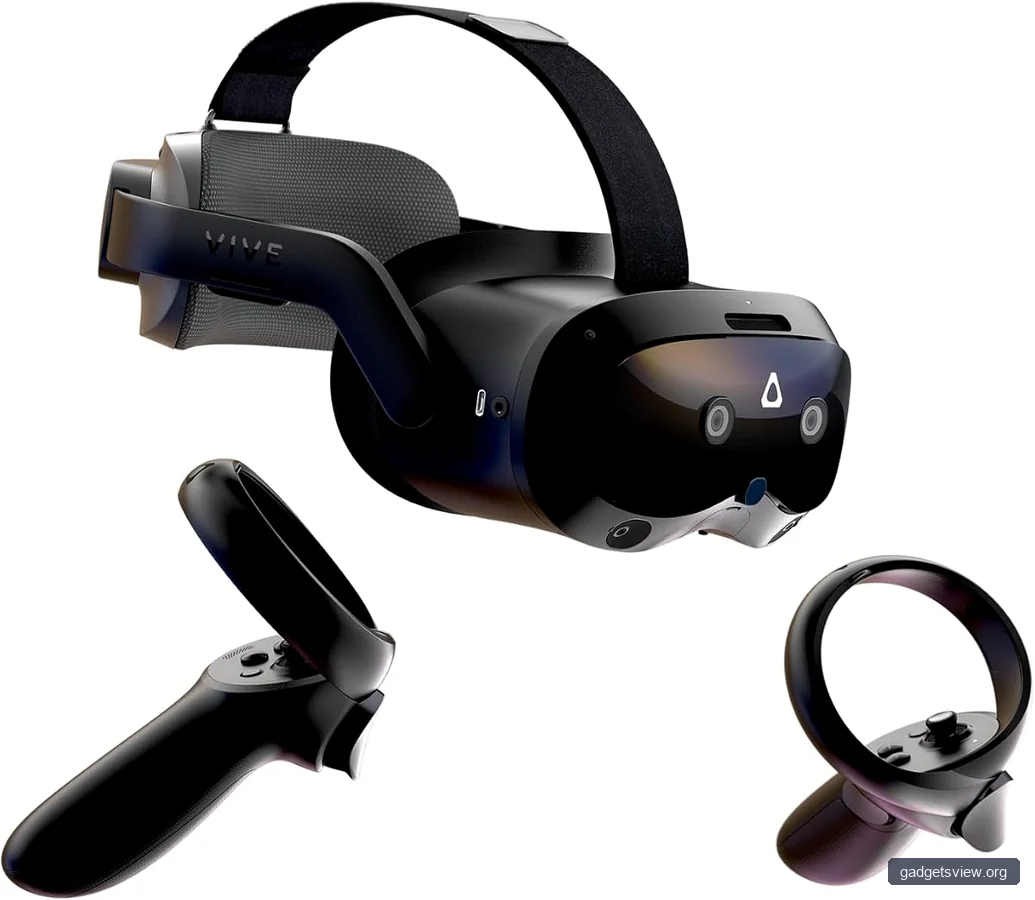
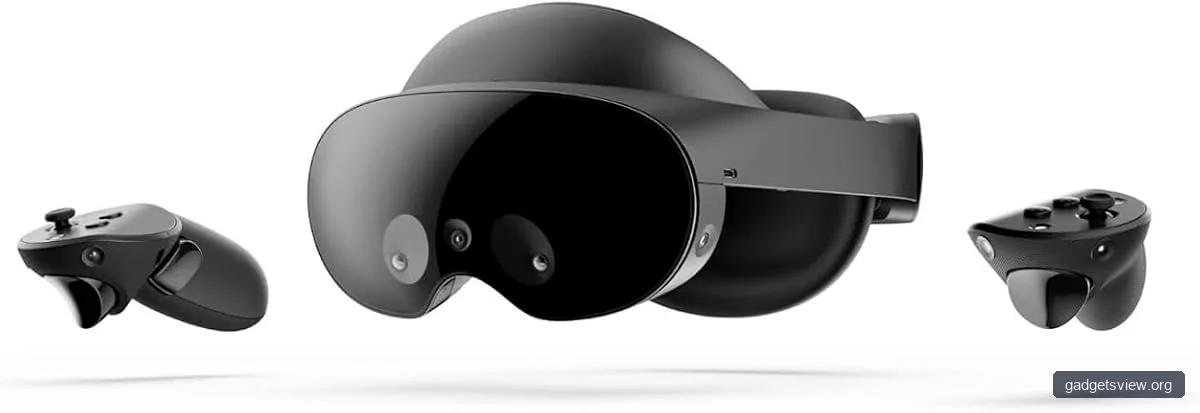
The HTC Vive Pro Eye Virtual Reality System is the most relevant product name in this category because it directly targets eye tracking VR use. For gamers who want this feature specifically, it is the clearest commercial starting point. It also fits the broader PC VR conversation, which matters if you want a headset for more than one type of experience.
Its biggest strength is simple: it is built with eye tracking in mind. That makes it easier to recommend than generic headsets where eye tracking may be absent, limited, or tied to a narrower ecosystem. It also makes it more suitable for users who want to explore supported titles and research-driven features like gaze interaction.
Strengths
- Clear eye tracking focus for VR gaming and simulation use
- Better fit for users who want advanced PC VR features
- More likely to align with eye-tracking-aware software than standard headsets
Limitations
- Eye tracking benefits depend heavily on game and app support
- May be more headset than casual players need
- Requires careful compatibility checking with your PC VR setup
How to Choose the Right Eye Tracking VR Headset
Not every buyer needs the same feature set. Before you choose an eye tracking VR headset, think about how you actually play. If you mostly want casual gaming, eye tracking may be a bonus rather than a must-have. If you spend time in simulation, advanced PC VR, or productivity-style VR apps, it becomes more useful.
Use the criteria below to compare your options in a practical way. This keeps the focus on what affects your day-to-day experience, not just the product label.
| Selection Criteria | What to look for | Why it matters |
|---|---|---|
| Software support | Games or apps that use eye tracking well | Without support, the feature adds little value |
| Comfort | Fit, strap design, weight balance, and face comfort | A headset can have great features but still feel tiring |
| PC requirements | Your GPU, CPU, ports, and VR compatibility | Advanced VR can be demanding on hardware |
| Tracking ecosystem | How the headset handles room tracking and eye tracking together | Good tracking improves immersion and control |
Who Should Choose an Eye Tracking VR Headset?
An eye tracking headset is not the best buy for everyone. It makes the most sense for players who want to try supported features and do not mind paying for a more specialized setup. If you like exploring cutting-edge VR tools, this category is worth a closer look.
It is also a better fit for users who expect their headset to do more than basic game viewing. Simulation fans, tech enthusiasts, and PC VR users often get more out of eye tracking than someone who only plays once in a while.
Choose eye tracking if you:
- Want to try games or apps that support gaze input
- Care about advanced VR features like foveated rendering
- Use PC VR and are comfortable checking compatibility details
- Want a premium headset focused on immersion and future-facing features
You may want a standard VR headset if you:
- Mainly want simple, casual VR gaming
- Do not plan to use software that supports eye tracking
- Prefer a broader, more mainstream headset choice
Practical Buying Tips Before You Check Out
Before buying, verify software support for the games you actually play. This is the biggest mistake shoppers make with eye tracking VR. A feature can sound impressive, but if your favorite titles do not use it, the return on investment drops fast.
Also check the full PC setup. VR headsets can be sensitive to GPU power, USB connections, display requirements, and room-scale setup needs. If current compatibility details are important to your decision, confirm them with the seller or manufacturer listing before purchasing.
- Make a list of the VR games or apps you plan to use.
- Check whether those titles support eye tracking features.
- Review PC and connection requirements carefully.
- Compare comfort and fit, not just feature labels.
- Choose the headset that matches your real use case, not the biggest spec claim.
Eye Tracking VR Headset FAQs
Is eye tracking worth it for VR gaming?
Yes, but only if you use games or apps that support it. For supported titles, it can improve immersion and enable useful features. If your library does not take advantage of eye tracking, the benefit is much smaller.
What is the main eye tracking VR headset to consider?
From the product research provided, the most relevant option is the HTC Vive Pro Eye Virtual Reality System. It is the clearest match for buyers who want a headset built around eye tracking.
Do all VR games support eye tracking?
No. Support is still limited compared with standard VR features. That is why software compatibility should be one of your first checks before buying.
Can eye tracking improve performance?
It can in some systems through foveated rendering, which reduces the workload in parts of the image you are not directly looking at. Results vary based on the headset, the game, and your PC hardware.
Should casual gamers buy an eye tracking headset?
Usually only if they are curious about advanced VR features or plan to play supported titles. For many casual players, a simpler headset may offer better value.
Final Verdict: Who Should Choose What
If you want the short answer, the HTC Vive Pro Eye Virtual Reality System is the key eye tracking VR headset to look at for gamers who want this feature today. It is the strongest match for users who care about gaze-based interaction and supported advanced VR features.
If you are a casual player, you may be better off with a standard headset unless you know your games support eye tracking. If you are a PC VR enthusiast, simulation fan, or tech-focused gamer, this category is more compelling. Start with compatibility, then choose the headset that fits your play style and setup.