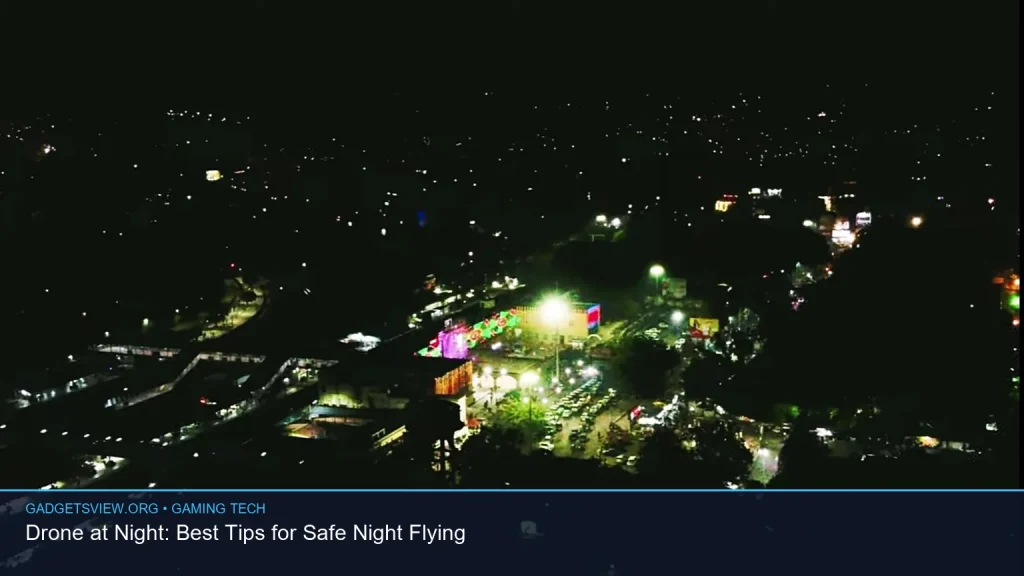
Flying a drone at night can be exciting, but it also brings extra risk. Low light makes it harder to judge distance, spot hazards, and keep your drone in sight. The good news: with the right setup, planning, and flight habits, you can fly more safely and with much better control. In this guide, you’ll learn the key rules, practical tips, and simple checks that help night flights go smoother in the U.S. Whether you fly for fun, content, or practice, the goal is the same: stay legal, stay visible, and stay in control.
📖 Table of Contents
- Why a drone at night needs extra care
- Know the rules before you launch
- How to prepare for a safe night flight
- Lighting, visibility, and orientation tips
- Safe flying techniques for low-light conditions
- A practical night-flight decision table
- Common problems and what to do
- What to choose: beginner, intermediate, or advanced night flying
- FAQ: drone at night
- Conclusion: fly simple, visible, and legal
📌 Key Takeaways
- Night flying is possible, but visibility drops fast, so planning and lighting matter more than usual.
- Check FAA rules before takeoff, especially Remote ID, airspace limits, and any night-flight training steps that may apply.
- Use bright anti-collision lighting, keep flights low-risk, and avoid complex routes until you are confident.
- Start with short, simple flights in open areas and keep a clear return path at all times.
Why a drone at night needs extra care
Night changes almost everything about drone flying. Depth perception gets weaker, landmarks blend together, and small hazards like wires, trees, and poles become harder to see. Even when your drone has a camera, the live view may not show enough detail to help you avoid trouble.
This is why night flying is less about speed and more about discipline. You should focus on clear planning, slow movements, and strong visual awareness. If you treat every flight like a low-visibility operation, you reduce the chance of losing orientation or drifting into unsafe airspace.
The biggest night-flying risks
These are the common issues pilots face after dark:
- Loss of visual line of sight because the drone blends into the sky.
- Depth errors when judging height, distance, and speed.
- Hidden obstacles such as wires, branches, and towers.
- Battery mistakes because night flights can make you less aware of time and return distance.
- Orientation confusion when the drone’s front and rear lights are hard to tell apart.
Know the rules before you launch
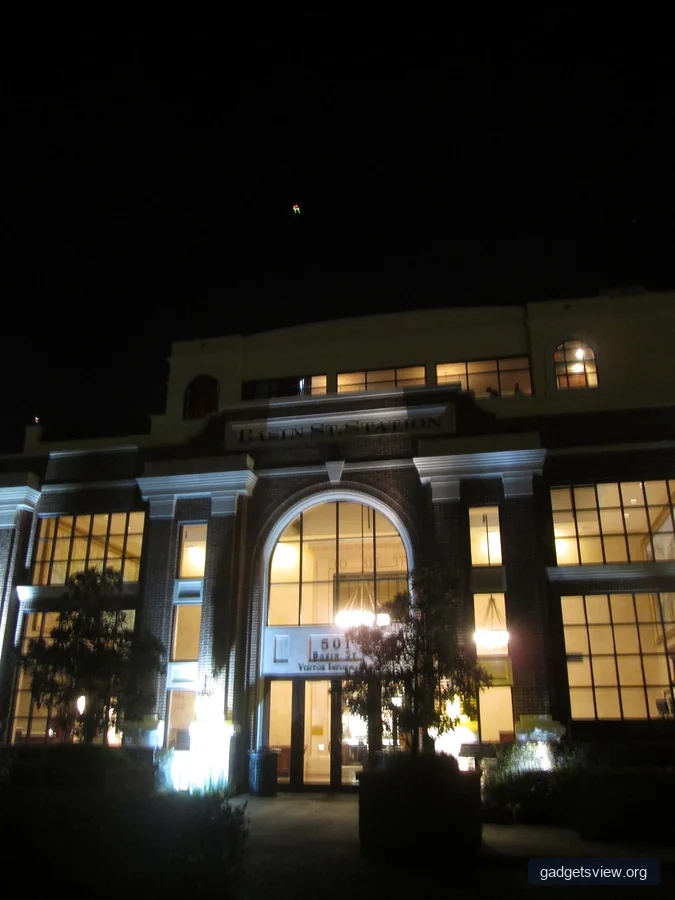
If you fly in the U.S., always check current FAA rules before a night flight. Requirements can change, and local airspace restrictions still apply. Do not assume that a normal daytime flight plan is legal after dark.
For recreational pilots and commercial operators alike, the safest approach is to verify the latest FAA guidance, your local area rules, and any launch-site restrictions. If you are flying near airports, stadiums, or controlled airspace, you may need special authorization.
Quick rule checklist
- Confirm the flight is allowed in your airspace.
- Check whether Remote ID is required for your drone and setup.
- Review current FAA night-flying guidance before takeoff.
- Make sure you can keep the drone within visual line of sight.
- Follow any local park, city, or property rules.
One more important point: if you plan to fly regularly at night, make sure you understand any training or currency expectations tied to your type of operation. When in doubt, verify with the FAA or a trusted aviation source before flying.
How to prepare for a safe night flight
Good night flights start before the props spin. Preparation helps you avoid rushed decisions, weak battery planning, and poor visibility problems. A simple preflight routine is often the best safety tool you have.
- Scout the area in daylight so you know where trees, poles, roads, and buildings are located.
- Pick an open launch spot with a clear takeoff and landing zone.
- Inspect the drone for loose parts, weak arms, damaged props, and sensor issues.
- Charge batteries fully and start with more reserve than you think you need.
- Set a low-complexity flight plan with simple routes and modest altitude.
- Test your lights so the drone remains easy to track against a dark sky.
It also helps to choose calm weather. Night can hide gusts, so avoid flying when wind is already strong or changing fast. If the forecast looks unstable, wait for a better window.
Lighting, visibility, and orientation tips
Lighting is one of the most important parts of flying a drone at night. You want the aircraft to stand out clearly without creating glare that makes it harder to navigate. Bright, well-placed lights help you maintain orientation and judge movement.
Use lights that make the front and back of the drone easy to tell apart. If your setup supports it, assign distinct colors or patterns to help you track heading. The goal is not to make the drone flashy, but to make it easy to identify at a glance.
Best visibility habits
- Keep the drone in front of you whenever possible.
- Avoid long flights over dark, featureless ground.
- Use a launch point with nearby reference objects you can still see.
- Pause often and re-check orientation.
- Do not rely only on the camera feed to know where the drone is.
In many night flights, the camera screen can make the drone seem farther or closer than it really is. That is why visual tracking remains essential. If you lose sight of the drone, stop the maneuver and bring it back to a known position.
Safe flying techniques for low-light conditions
Night flying works best when you keep every movement smooth. Fast turns, steep climbs, and sudden direction changes are harder to judge in the dark. Slow inputs give you more time to react and make corrections.
Start with a basic pattern: take off, hover, confirm orientation, then move forward in short segments. If everything feels stable, you can expand the flight a little. If anything feels off, land and reset rather than pushing through.
Simple flight technique checklist
- Take off slowly and pause in a hover.
- Check that all lights and controls respond normally.
- Fly shorter distances than you would in daylight.
- Keep altitude conservative unless the area is completely clear.
- Leave enough battery to return with a wide margin.
Also watch for sensory overload. At night, it is easy to focus too much on the screen and not enough on your surroundings. Build the habit of scanning between the drone, the environment, and your controller display.
A practical night-flight decision table
If you are not sure whether to launch, use a simple go-or-no-go check. This can help you avoid risky flights when visibility, weather, or airspace conditions are poor.
| Condition | Fly? | Why |
|---|---|---|
| Open area, calm wind, clear line of sight | Yes | Best setup for controlled night flight |
| Wires, trees, or buildings close by | Maybe not | Hazards are harder to see in low light |
| Strong or shifting wind | No | Harder to stabilize and return safely |
| Unclear rules or airspace status | No | Verify legality before takeoff |
| Battery too low for wide return margin | No | Night flights need extra reserve |
Common problems and what to do
Even careful pilots run into trouble at night. The key is to recognize problems early and respond with simple steps. Do not wait until the drone is hard to see or the battery is nearly empty.
| Problem | Likely Cause | Best Action |
|---|---|---|
| Drone looks too dim to track | Weak lighting or wrong angle | Land and improve lighting before relaunch |
| Confused about drone direction | Orientation lost in the dark | Stop moving, hover, and re-establish heading |
| Unexpected battery drain | Cold weather or long hover time | Return immediately and land with reserve |
| Camera feed is hard to read | Low contrast or glare | Lower complexity, change angle, or end flight |
What to choose: beginner, intermediate, or advanced night flying
Not every pilot should start with the same type of night mission. Your best choice depends on skill, comfort, and local conditions. A simple approach is usually the safest one.
| Pilot level | Best approach | Why it fits |
|---|---|---|
| Beginner | Open area, short hover practice, short returns | Builds confidence with low risk |
| Intermediate | Simple routes, basic photo or video work | Allows more control without pushing limits |
| Advanced | Planned, well-scouted flights with strict margins | Better for experienced pilots who know their gear and area |
Verdict: if you are new to night flying, choose the simplest possible setup and flight path. If you already have solid daytime control, move to carefully planned night routes only after you have practiced lighting, orientation, and return procedures.
FAQ: drone at night
Is it legal to fly a drone at night in the U.S.?
It can be legal, but you must follow current FAA rules and any local restrictions. Always verify the latest guidance before flying, since requirements may depend on your type of operation and location.
What is the safest place to fly a drone at night?
An open, familiar area with few obstacles is best. Good choices have clear takeoff and landing zones, minimal light clutter, and strong visibility of the drone throughout the flight.
Do I need extra lights for night flying?
Usually, yes. The drone should be easy to see and identify in low light. Bright, well-positioned lights help you maintain orientation and keep the aircraft visible against the dark sky.
Should I fly higher at night so I can see better?
Not necessarily. Higher altitude can make the drone harder to track and may add risk if the area is unfamiliar. Start low, stay controlled, and only increase altitude if the airspace is clear and you can still maintain sight.
What should I do if I lose sight of the drone?
Stop the maneuver right away. Hover if possible, regain orientation using the controller and lights, and return to a known position. If you still cannot confirm location, land as soon as it is safe to do so.
Conclusion: fly simple, visible, and legal
Flying a drone at night is all about reducing risk before it starts. Check the rules, scout the area, use strong lighting, and keep the flight plan simple. If visibility drops or the setup feels wrong, do not force the flight. The best next step is to practice in a safe open area, build confidence, and only then take on more complex night missions.
Featured image: Photo: Xyzabc1817 / CC0 via Wikimedia Commons