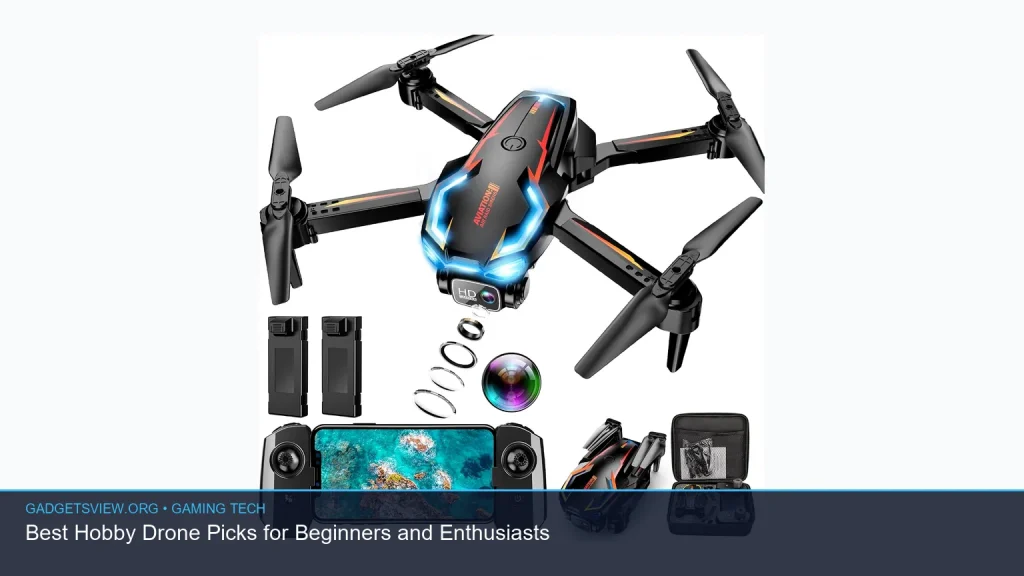
Choosing the right hobby drone can feel tricky, especially if you are new to flying or want to upgrade without wasting money. The best pick depends on how you plan to fly, where you will fly, and how much control you want. Some drones are built for easy learning, while others are better for smooth camera work or more hands-on piloting. This guide breaks down what to look for, what matters most, and how to choose a model that fits your goals.
📖 Table of Contents
- What Makes a Great Hobby Drone?
- How to Choose the Right Hobby Drone for Your Skill Level
- Beginner-Friendly Hobby Drone Features That Matter Most
- What Enthusiasts Should Look For in a Hobby Drone
- Commercial Comparison: Which Type of Hobby Drone Should You Buy?
- Safety, Rules, and Smart Buying Checks in the US
- Common Mistakes to Avoid When Buying a Hobby Drone
- Frequently Asked Questions
- Conclusion: Pick the Drone That Matches Your Flying Goals
📌 Key Takeaways
- A good hobby drone should match your skill level, flying space, and budget goals.
- Beginners usually benefit from stable controls, safety features, and simple takeoff and landing tools.
- Enthusiasts often want stronger flight performance, better camera control, and more tuning options.
- Always check current FAA rules before flying in the US, especially around registration, Remote ID, and airspace limits.
What Makes a Great Hobby Drone?
A strong hobby drone balances ease of use, flight stability, and enough features to keep flying fun. For beginners, that often means altitude hold, automatic return functions, and clear app controls. For enthusiasts, it may mean more responsive controls, longer flight time, and better camera or FPV support.
The right choice also depends on where you fly. Indoor flyers need compact, guarded designs, while outdoor pilots usually want stronger wind resistance and better range. In short, the best hobby drone is the one that fits your skill level and your flying style.
Core features to compare
- Stability: Helps the drone hold position and hover smoothly.
- Flight assistance: Useful tools like beginner mode, return-to-home, or one-touch takeoff.
- Camera quality: Important if you want aerial photos or video.
- Durability: A big plus for learning pilots who may crash early on.
- Battery and range: These shape how long and how far you can fly.
How to Choose the Right Hobby Drone for Your Skill Level
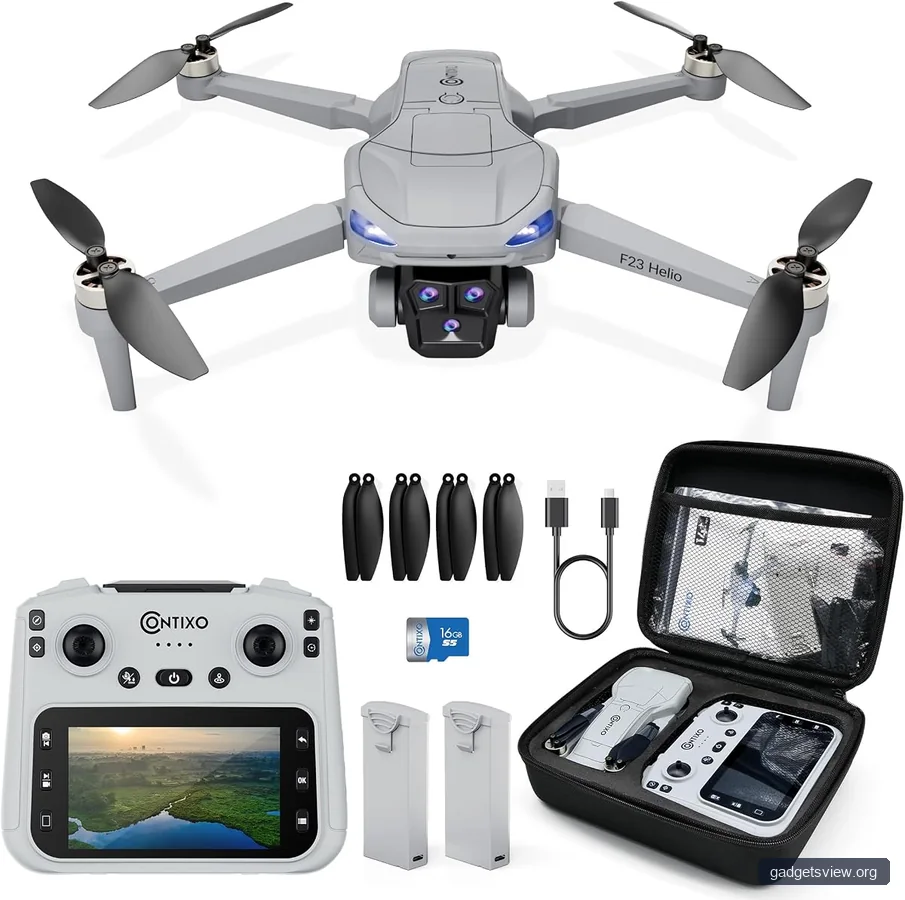
Start by being honest about how you will use the drone. If you are new, your best option is usually a stable model with safety features and a simple app. If you already know the basics, you may want more speed, finer control, or camera flexibility.
Think about your learning curve, too. Some drones are easier to enjoy on day one, while others reward practice. A beginner-friendly drone should reduce stress, not add it.
| Buyer type | What to prioritize | Best fit |
|---|---|---|
| Absolute beginner | Easy controls, stability, prop guards, return features | A simple training-friendly hobby drone |
| Casual flyer | Longer flight time, basic camera, simple app features | A balanced all-around model |
| Enthusiast | More control, stronger performance, better camera options | A feature-rich drone with advanced flying modes |
| FPV learner | Low-latency video, responsive controls, repairable parts | An FPV-capable training drone |
Verdict: choose the simplest drone if your main goal is learning. Choose a more advanced hobby drone only if you are ready to manage more controls and accept a steeper learning curve.
Beginner-Friendly Hobby Drone Features That Matter Most
Beginners should look for features that reduce mistakes and make recovery easier. A stable hover helps you build confidence, while automatic landing tools can save you from rough touchdowns. Protective prop guards are also useful if you plan to practice indoors or in a small yard.
Return-to-home features can be helpful, but they should not replace good flying habits. It is still important to read the manual and practice in an open area with little wind. The more you learn the basics early, the faster you will improve.
Beginner features worth prioritizing
- Altitude hold for easier hovering
- Headless mode or simplified controls, if offered
- Propeller guards for safety
- One-touch takeoff and landing
- Low-speed training mode
Selection tip: If you are unsure, choose control simplicity over advanced tricks. A drone that is easy to fly often gets more use than one packed with features you do not understand yet.
What Enthusiasts Should Look For in a Hobby Drone
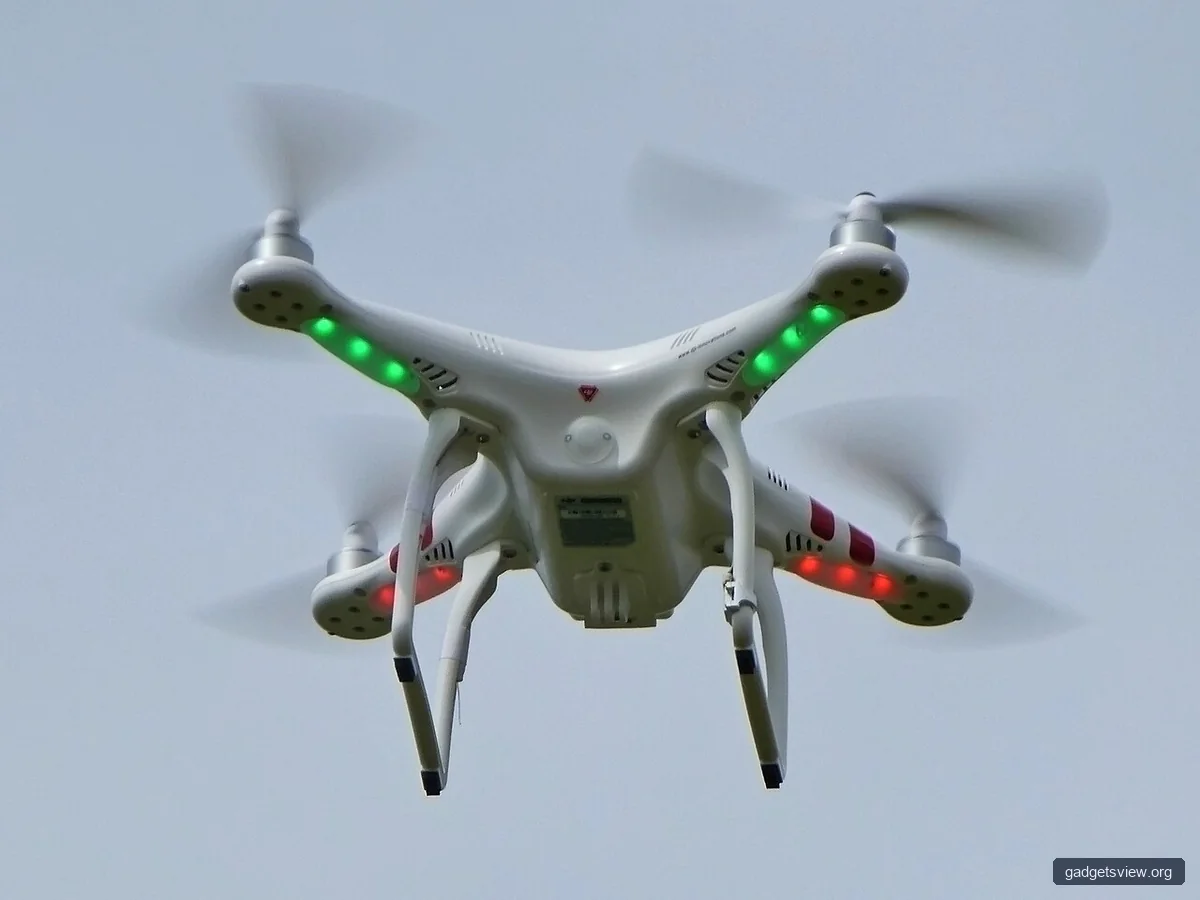
Enthusiasts usually want more than basic flight. They may care about responsiveness, camera angles, custom settings, and a more satisfying piloting feel. In this case, a hobby drone should offer enough room to grow as your skills improve.
More advanced users may also look for stronger wind handling and smoother image stabilization. If you want to film or practice precision flying, those details matter a lot. Better control often means a better overall flying experience.
Good signs of an enthusiast-level model
- Responsive sticks and stable maneuvering
- Adjustable flight modes
- Useful camera controls, if you plan to film
- More durable parts or repair options
- Better support for practice, tuning, or FPV learning
For enthusiasts, the best drone is often not the one with the most features. It is the one that gives you the right balance of control, reliability, and expandability for your style of flying.
Commercial Comparison: Which Type of Hobby Drone Should You Buy?
If your goal is to buy soon, compare drones by use case instead of chasing feature lists. This keeps the decision simple and helps you avoid paying for extras you will not use. The table below shows how common hobby drone types stack up.
| Drone type | Strengths | Limitations | Best for |
|---|---|---|---|
| Mini beginner drone | Easy to learn, compact, often safer indoors | May lack range, wind stability, or advanced camera features | First-time pilots |
| Camera-focused hobby drone | Better for aerial photos and video | Can cost more and may need more care | Casual creators and travelers |
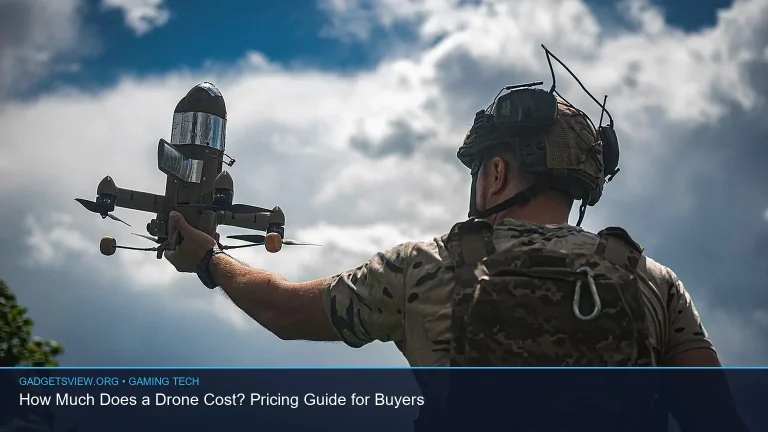
| FPV-style drone | Fast, immersive, skill-building | Steeper learning curve, more crash risk | Pilots who want a challenge |
| All-around recreational drone | Balanced features, flexible use | May not excel in one specific area | Buyers who want one drone for many uses |
Who should choose what: beginners should lean toward mini training drones, casual users should consider camera-friendly all-around models, and enthusiasts should look closely at FPV or higher-control options.
Safety, Rules, and Smart Buying Checks in the US
Before you buy, make sure the drone can be used legally and safely in the US. FAA rules can change, and some drones may require registration or Remote ID compliance depending on weight and use. If you plan to fly near airports or crowded areas, check the current airspace guidance before each flight.
You should also think about real-world safety. Even a small hobby drone can cause damage if flown carelessly. Good habits matter more than flashy features, especially when you are still learning.
Quick pre-buy checklist
- Confirm whether the drone needs FAA registration.
- Check whether Remote ID applies.
- Review battery and replacement part availability.
- Look for spare propellers and easy repair support.
- Read the return policy in case the drone does not match your needs.
If you are comparing two models, choose the one with clearer support, easier maintenance, and better documentation. Those details often matter more than small spec differences.
Common Mistakes to Avoid When Buying a Hobby Drone
One of the biggest mistakes is buying for features instead of use. A long feature list can look impressive, but if the drone is hard to fly, it may sit unused. Another common mistake is skipping safety checks and flying in the wrong place.
New buyers also often underestimate battery limits. Flight time may feel short at first, so it is smart to plan for charging, spare batteries, or shorter practice sessions. That keeps the experience more enjoyable and less frustrating.
- Do not assume more camera features mean better flight quality.
- Do not ignore repair support and spare parts.
- Do not buy a fast drone if you are still learning the basics.
- Do not skip US airspace and compliance checks.
Frequently Asked Questions
What is the best hobby drone for a beginner?
The best beginner drone is usually one that is stable, simple to control, and designed to reduce crashes. Look for features like altitude hold, prop guards, and easy takeoff and landing tools. A smaller, more forgiving drone is often the smartest first buy.
Should I buy a camera drone or a practice drone first?
If you are brand new, a practice drone is usually the better starting point. It helps you learn the controls without worrying too much about protecting an expensive camera. Once you are comfortable flying, you can move to a camera-focused model.
Do I need FAA registration for a hobby drone?
It depends on the drone’s weight and how you use it. In the US, some drones must be registered and may also need Remote ID compliance. Always check the current FAA rules before flying.
Are FPV drones good for beginners?
FPV drones can be exciting, but they are usually harder to learn than basic hobby drones. If you want to try FPV, start with a beginner-friendly model or training setup. That can make the learning process safer and less frustrating.
What should I look for if I want one drone for many uses?
Choose an all-around hobby drone with stable flight, decent range, and useful camera features. It should be easy enough for casual flying but strong enough to stay interesting as your skills improve. A balanced model is often the best value for mixed use.
Conclusion: Pick the Drone That Matches Your Flying Goals
The best hobby drone is the one that fits your skill level, your flying space, and your plans for use. Beginners should focus on stability and safety, while enthusiasts can look for better control and more advanced flight features. Keep your choice practical, and always verify current US rules before flying.
If you are ready to buy, start by narrowing your needs to one clear use case: learning, casual flying, camera work, or FPV. That simple step will make your final choice much easier.