
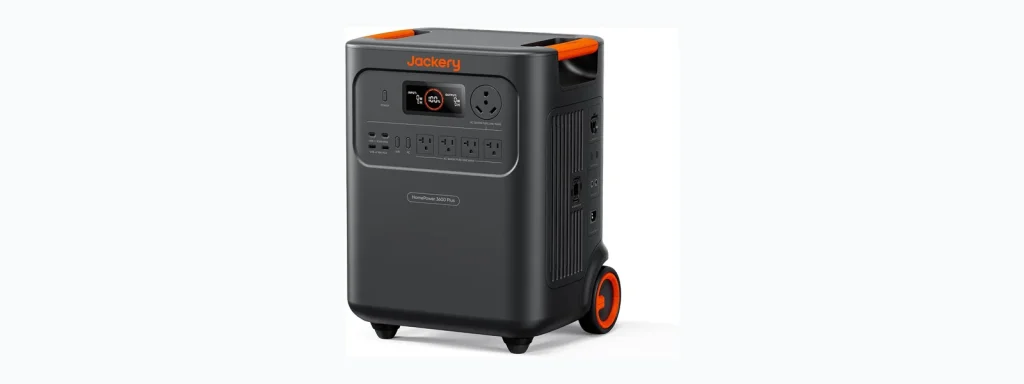
How to Choose a Portable Power Station for Camping Guide
September 18, 2026
If you’re wondering how to choose a portable power station for camping, start by matching the unit to what you actually plan to run and how long you need it. Focus on capacity, output ports, recharge options, weight, and safety. This guide walks through clear steps, cautions, and a simple decision table so you can pick a model that fits weekend trips, longer backcountry hangs, or car-camping basecamps.
📖 Table of Contents
- How to choose a portable power station for camping: step-by-step plan
- Estimate what you’ll run and why it matters
- Match capacity and output to use cases (comparison overview)
- Selection criteria: ports, recharging, and build
- Weight, size, and real-world portability
- Safety, cautions, and maintenance
- Troubleshooting and quick decision table
- Who should choose what: simple verdicts
- FAQ
📌 Key Takeaways
- Start by listing devices and estimating runtime—that drives capacity and output needs.
- Balance capacity and weight: lighter units are easier to carry but provide less runtime.
- Look for multiple charging options (solar, AC, 12V) and the port types you use most.
- Check safety features and follow camping cautions for ventilation and weather protection.
How to choose a portable power station for camping: step-by-step plan
- List the devices you’ll power. Include phones, lights, a mini-fridge, or a CPAP if needed. Note each device’s power draw or typical charger type.
- Estimate runtime. Decide how many hours or nights you need power between charges. This tells you roughly how much capacity to look for.
- Check output types. Match the station’s outlets (AC, USB-A, USB-C, 12V) to your devices so you don’t need extra adapters.
- Factor weight and size. Choose a unit you can carry to your campsite or that fits in your vehicle setup.
- Review recharge methods. Decide if you’ll recharge from wall power before leaving, from a car, or with solar panels at camp.
- Confirm safety and environmental needs. Look for protections against overcharge, overheating, and short circuits, and plan for placement in rain, dust, and low temps.
Estimate what you’ll run and why it matters
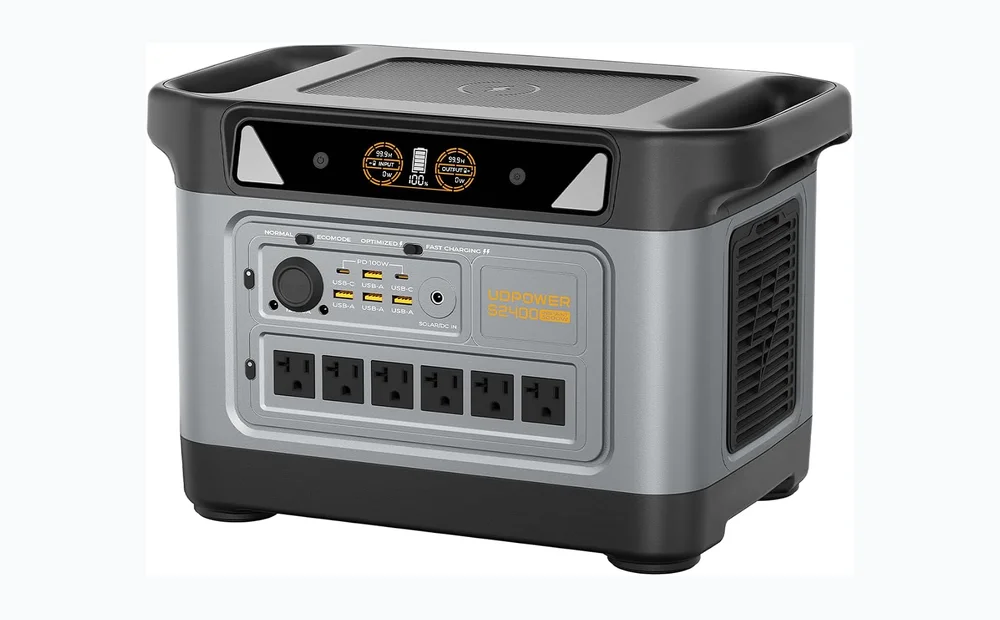
Start with a simple inventory: phone, GPS, LED lights, camera, portable fridge, or medical devices. For each item, note whether it uses a USB port, a car outlet, or an AC plug. This helps you avoid buying a unit with the wrong ports.
Also decide how long you need power. Short trips demand less capacity than extended stays. If you plan to recharge on the road or with a solar panel, that changes which size and features make sense.
Match capacity and output to use cases (comparison overview)
| Category | Best for | Typical use | Strengths | Limitations |
|---|---|---|---|---|
| Ultraportable | Solo hikers, phone charging | Phone, headlamp, small camera | Lightweight, easy to carry | Limited runtime, fewer AC outlets |
| Mid-range | Weekend campers, couples | Multiple phones, lights, small fridge | Balanced capacity, multiple ports | Heavier than pocket units, limited for high-draw gear |
| Basecamp / High-capacity | Long stays, power tools, CPAP | Fridge, power tools, extended device charging | Longer runtimes, supports higher loads | Heavy, less portable for hiking |
Use this table to narrow choices. Think about whether you need portable convenience or extended power at one site. Both are valid, but they guide different feature priorities.
Selection criteria: ports, recharging, and build
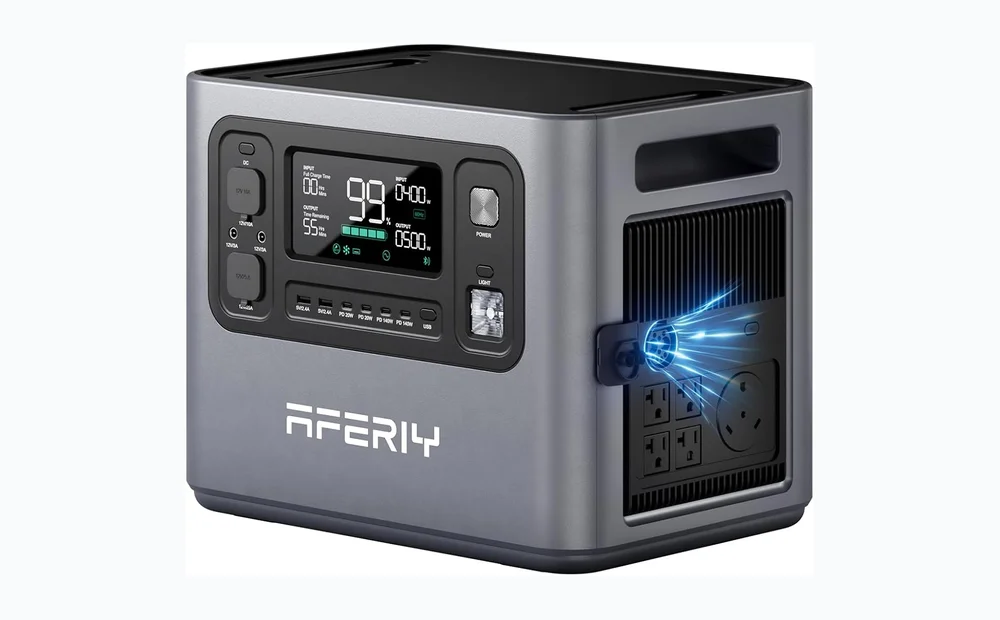
Ports and outputs
Choose a station that has the specific outputs your devices require. If you rely on USB-C for fast charging, confirm the unit includes it. If you have AC-only appliances, pick a station with true AC outlets rather than relying on adapters.
Recharge options
Consider how you will recharge at camp. Solar is useful for sunny sites but requires compatible panels and time. A car or generator recharge option is practical for driving trips. Confirm recharge input compatibility before buying panels or cables.
Durability and weather
Look for rugged housing and a plan to keep the unit dry. Most power stations are not waterproof, so include a tarp or dry bag in wet conditions. Also consider how temperature extremes affect battery performance.
Weight, size, and real-world portability
Carry plans matter. If you hike to a backcountry site, weight and handle design are crucial. For car camping, size is less of a concern and you can choose heavier, higher-capacity units. Think about where you will store and use the station in your camp setup.
Also check how easily you can access ports when the unit is stowed. A low-profile unit may be harder to reach inside a packed trunk, which affects convenience during camping.
Safety, cautions, and maintenance
Cautions: never operate a power station inside an unventilated tent, near open flames, or submerged in water. Keep it on a stable, dry surface away from direct weather exposure.
Maintenance: store the unit partially charged if you won’t use it for months. Periodically check connectors and cables for wear. Follow the manufacturer’s instructions for storage and charging, and verify suitable ambient temperatures for use.
Troubleshooting and quick decision table
| Problem | Likely cause | Quick fix |
|---|---|---|
| Device won’t charge | Wrong port or overloaded output | Try a different port or turn off other loads; use the correct cable |
| Short runtime | Underestimated device draw or too many devices | Reduce loads, charge device at lower power mode, or bring extra charging options |
| Unit won’t recharge | Faulty input cable or poor solar conditions | Check connections, try AC or car input, relocate solar panels to direct sun |
Who should choose what: simple verdicts
If you backpack and only need phone and light charging, pick an ultraportable unit with USB ports and light weight. For weekend campers who want a small fridge or multiple devices, choose a mid-range unit with a mix of AC and USB outputs. If you camp for days, run medical devices, or use power tools at a basecamp, go with a high-capacity unit even if it is heavier.
FAQ
- Q: Can I run a small camp fridge from a portable power station?
A: Yes, many mid-range and high-capacity stations can run small fridges, but check the fridge’s power needs and how long you need it to run before selecting a unit. - Q: Is solar charging reliable on cloudy days?
A: Solar will still work but produces less power in cloud cover. Consider a larger solar array or alternative recharge options for overcast trips. - Q: Are power stations safe to use inside a tent?
A: It’s not recommended. Use stations outside the tent in a dry, ventilated area and run cables into the tent to reduce heat and moisture risks. - Q: How often should I recharge or top up the unit?
A: Recharge after trips or every few months in storage. Follow the manufacturer’s guidelines for long-term storage to preserve battery health.
Conclusion: start by listing devices and runtimes, then match those needs to a category of portable power station with the right ports, recharge options, and weight. Next step: make a short checklist with your devices, desired runtime, and preferred recharge method, then compare models that meet those non-negotiables before deciding.