
Best Portable Power Station for Camping with CPAP Guide
September 18, 2026
If you use a CPAP and go camping, you need a reliable, quiet power source that keeps your machine running all night. This guide explains how to choose the best portable power station for camping with CPAP, how to size it, safety tips, and which types of units to consider. Read on to match your CPAP’s needs to a practical camping setup.
📖 Table of Contents
- The basics: what to look for in the best portable power station for camping with CPAP
- Key features that determine CPAP compatibility
- Quick comparison: models to consider
- How to size a power station for your CPAP: simple steps
- Setup, safety, and camping tips
- Strengths, limitations, and who should choose what
- FAQ
Products mentioned
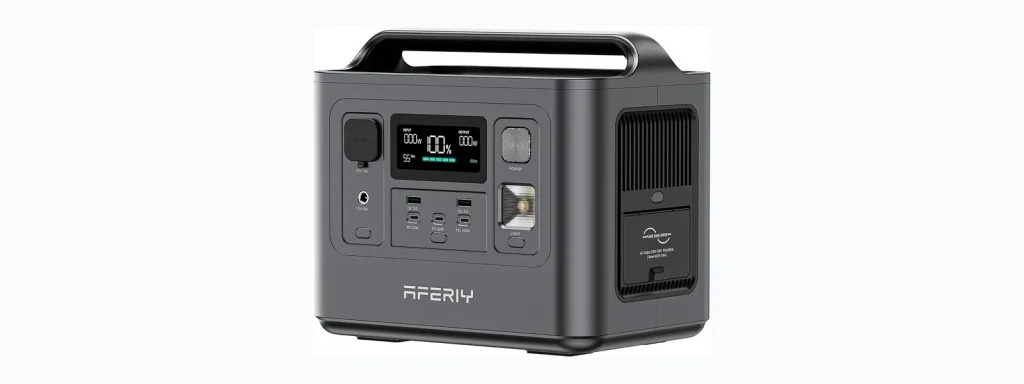
- AFERIY Portable Power Station 800W(1600W Peak) Output, With Bidirectional Inversio, 512Wh LiFePO4 Battery, 10ms UPS Pure Sine Wave 200W Max Solar Input Generato
View current product details - Portable Solar Generator with Panel, 300W Portable Power Station with Foldable Solar Panel 40W, 110V AC Outlet 100W Camping Solar Power Bank Lithium Battery Pac
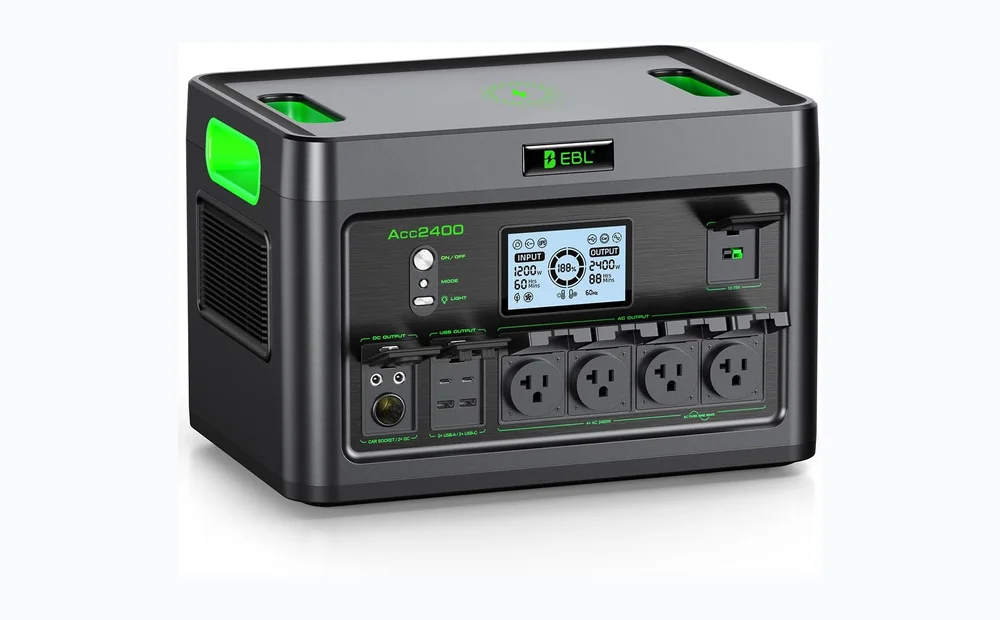
View current product details - EBL 2400W Portable Power Station LiFePO4 Battery for Home Use
View current product details - AFERIY Portable Power Station 1024Wh Solar Generator 1800W,Fast Recharge
View current product details - AFERIY P280 Portable Power Station 2800W (Peak 5600W) UPS Solar Generator
View current product details
Availability, specifications, and prices can change; verify them on the product page.
📌 Key Takeaways
- Match the power station’s continuous output and battery capacity to your CPAP’s wattage and nightly hours.
- Prefer units with a pure sine wave AC output or a compatible DC outlet; UPS and solar recharge help for multi-night trips.
- Consider mid- to high-capacity portable power stations for humidifier use or extended camping; small units work for short trips without a humidifier.
- Check the CPAP label/manual for wattage, use the watt × hours = Wh rule to estimate needed capacity before buying.
The basics: what to look for in the best portable power station for camping with CPAP
Start by checking your CPAP’s power requirements—look for the rated wattage or amperage on the machine or in its manual. Key features to prioritize are continuous AC output, a pure sine wave inverter, and battery capacity large enough for your expected nightly runtime.
Also decide if you need a UPS (uninterruptible power supply) feature so the CPAP keeps running during transfers or brief generator starts. Solar input and fast recharge matter if you plan multi-day off-grid trips.
Key features that determine CPAP compatibility
Focusing on the right features reduces the risk of incompatible gear and nighttime interruptions.
- Pure sine wave AC output: Many CPAPs require a clean sine wave to run the internal motors and power supplies reliably. Modified sine wave inverters can cause noise, overheating, or errors.
- Continuous (rated) wattage: Look for the unit’s continuous output rating. It must meet or exceed your CPAP’s running wattage—not just peak surge.
- Battery capacity (Wh): This determines how long the station will run your CPAP. Higher Wh = longer run time.
- DC output options: Some CPAPs can accept 12V DC via an adapter; running DC is more efficient than converting from AC.
- Recharge options: Solar input, car charging, and AC recharge flexibility are useful for camping.
- UPS or pass-through charging: Keeps the CPAP on during transitions (e.g., while swapping power sources).
Quick comparison: models to consider
Below is a concise comparison of representative units and why they might fit CPAP users. Model names are examples found during product discovery; verify current specs before purchase.
| Model | Best for | Strengths | Limitations |
|---|---|---|---|
| AFERIY Portable Power Station 800W (listing) | Short trips or minimalist setups | Portable and lighter than large stations; may include UPS functionality | Smaller battery capacity—may not last multi-night use with humidifier |
| Portable Solar Generator with Panel (300W listing) | Day-use camping where solar recharge is available | Includes foldable panel for on-site recharging | Solar charging depends on sun and panel size; slower recharge |
| AFERIY Portable Power Station 1024Wh (listing) | Overnight CPAP use with humidifier or extended stays | Higher capacity better suited for nightly runtime; more versatile | Larger and heavier to carry; verify AC sine wave output |
| EBL 2400W Portable Power Station (listing) | Long off-grid trips and higher power demands | Higher power output and larger capacity potential | Generally heavier and more costly; overkill for simple short trips |
| AFERIY P280 Portable Power Station (listing) | Users who want a robust, higher-output option | Designed for heavier loads and may support more appliances | Size and weight can be a drawback for backpack-style camping |
How to size a power station for your CPAP: simple steps
Use this ordered approach to estimate the battery capacity you need before buying.
- Find your CPAP’s power draw (watts) on the label or in the manual. If it lists amperage and voltage instead, convert to watts: watts = volts × amps.
- Decide nightly hours of use (commonly 6–10 hours). Multiply watts × hours to get watt-hours (Wh) needed.
- Add a buffer (20–30%) for inverter losses and extra loads like a heated humidifier or heated hose. Inverter losses vary by model.
- Choose a power station with at least that many usable watt-hours and a continuous AC output that meets the CPAP’s wattage.
- If you plan multiple nights without recharging, multiply nightly Wh by the number of nights to determine total capacity or necessary recharge strategy.
Setup, safety, and camping tips
Setting up correctly keeps your CPAP working and your campsite safe.
- Test at home first: run your CPAP from the power station overnight to confirm compatibility and actual runtime.
- Prefer DC if your CPAP supports it—DC avoids inverter losses and often extends runtime.
- Keep battery and CPAP protected from extreme cold or heat—temperatures affect battery performance and device reliability.
- Use the UPS feature for worry-free transitions when swapping batteries or plugging/unplugging chargers.
- Bring a solar panel or car charger if you need multi-day operation off-grid; confirm the station’s solar input and connector types match your panel.
- Follow manufacturer directions for ventilation and charging. Avoid overloading outlets or daisy-chaining power stations.
Strengths, limitations, and who should choose what
Different setups fit different campers. Here’s a clear verdict to guide selection.
- Lightweight, low-capacity stations: Best for weekend car-campers who run just the CPAP (no humidifier). Choose if you prioritize portability and short run times.
- Mid-capacity stations (more Wh): Best for regular campers who use humidifiers or need overnight reliability. Balance between weight and runtime; often the best choice for typical CPAP users.
- High-capacity / high-output stations: Best for long off-grid trips, multiple appliances, or RV use. Choose if you want multi-night autonomy or to power other devices along with your CPAP.
- Solar-included kits: Best for extended camping where recharging from sunlight matters. Good if you camp in sunny conditions and want sustainable recharging.
FAQ
- Q: Can every CPAP run from a portable power station?
A: Most can, but you must confirm the CPAP’s wattage and whether it needs a pure sine wave. Check the manual for DC input options, which are more efficient. - Q: How do I calculate how many nights a battery will last?
A: Multiply your CPAP’s wattage by hours per night to get Wh per night. Divide the power station’s usable Wh by that number. Add a buffer for losses and humidifier use. - Q: Is solar practical for CPAP users?
A: Yes, on sunny trips and with appropriately sized panels and charge controllers. Solar is useful for multi-day trips but depends on sun availability and panel size. - Q: Do I need a UPS feature?
A: UPS helps prevent interruptions during source switching or brief outages. It’s helpful but not required if you manage transitions carefully.
Conclusion — practical next step: Check your CPAP’s power label, calculate nightly Wh needs, and choose a mid- to high-capacity power station with pure sine wave output (or a DC-compatible option) if you want reliable overnight use. Shortlist two or three models that meet those criteria, test them at home, then plan your recharge strategy (solar, car, or AC) for the campsite.