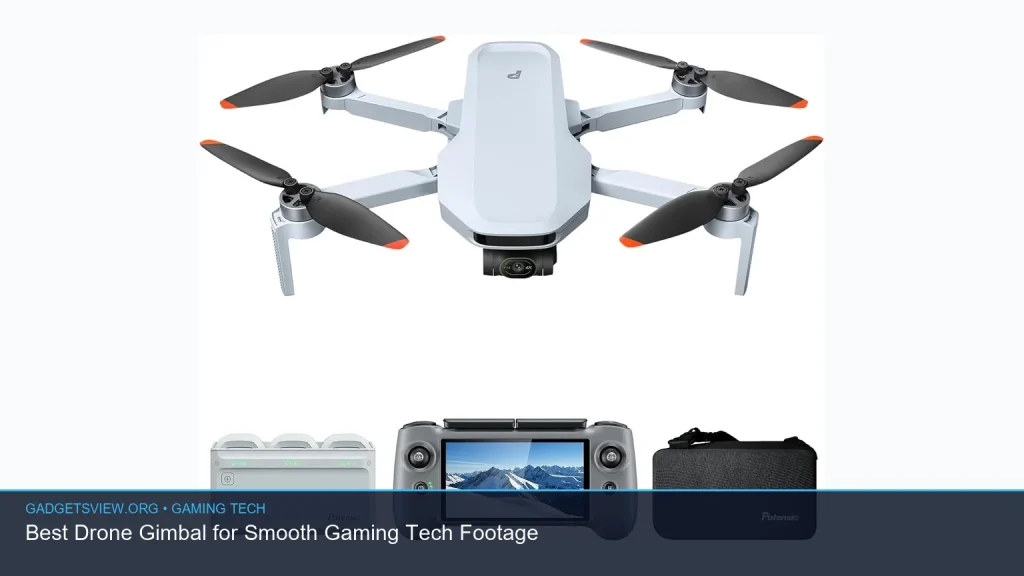
If you want the best drone gimbal for smooth gaming tech footage, the right choice depends on your camera setup, flight style, and how much stabilization you need. A good drone gimbal helps keep fast gameplay clips, esports event coverage, and action shots looking clean and steady. For most buyers, the decision comes down to whether you need a ready-to-fly DJI-style camera gimbal or a more customizable brushless stabilizer for a build project. Below, we break down the best fit for commercial buyers and creators who want smoother footage without guesswork.
📖 Table of Contents
- What a Drone Gimbal Does for Gaming Tech Footage
- Best Drone Gimbal Options for Smooth Gaming Tech Footage
- How to Choose the Right Drone Gimbal
- Strengths and Limitations of Each Gimbal Type
- Who Should Choose What?
- What to Check Before You Buy
- FAQ About Drone Gimbals for Gaming Tech Footage
- Conclusion: The Smart Choice for Smooth Gaming Tech Footage
Products mentioned
- DJI FPV Drone Gimbal Camera
View current product details - Brushless Gimbal BGC 2 2 Stabilizer for 3 3+ 4 Camera 3-Axis Drone Gimbal with CNC Aluminum Alloy Frame
View current product details
Availability, specifications, and prices can change; verify them on the product page.
📌 Key Takeaways
- A drone gimbal is the key part that keeps footage steady when your drone moves, turns, or gets hit by wind.
- For most gaming-tech video needs, choose a gimbal based on camera compatibility first, not just stabilization claims.
- DJI FPV-style camera systems are best for fast, ready-to-use FPV footage, while brushless gimbals fit custom builds and tinkering projects.
- Check weight, mounting style, axis count, and controller support before buying any gimbal for commercial content work.
What a Drone Gimbal Does for Gaming Tech Footage
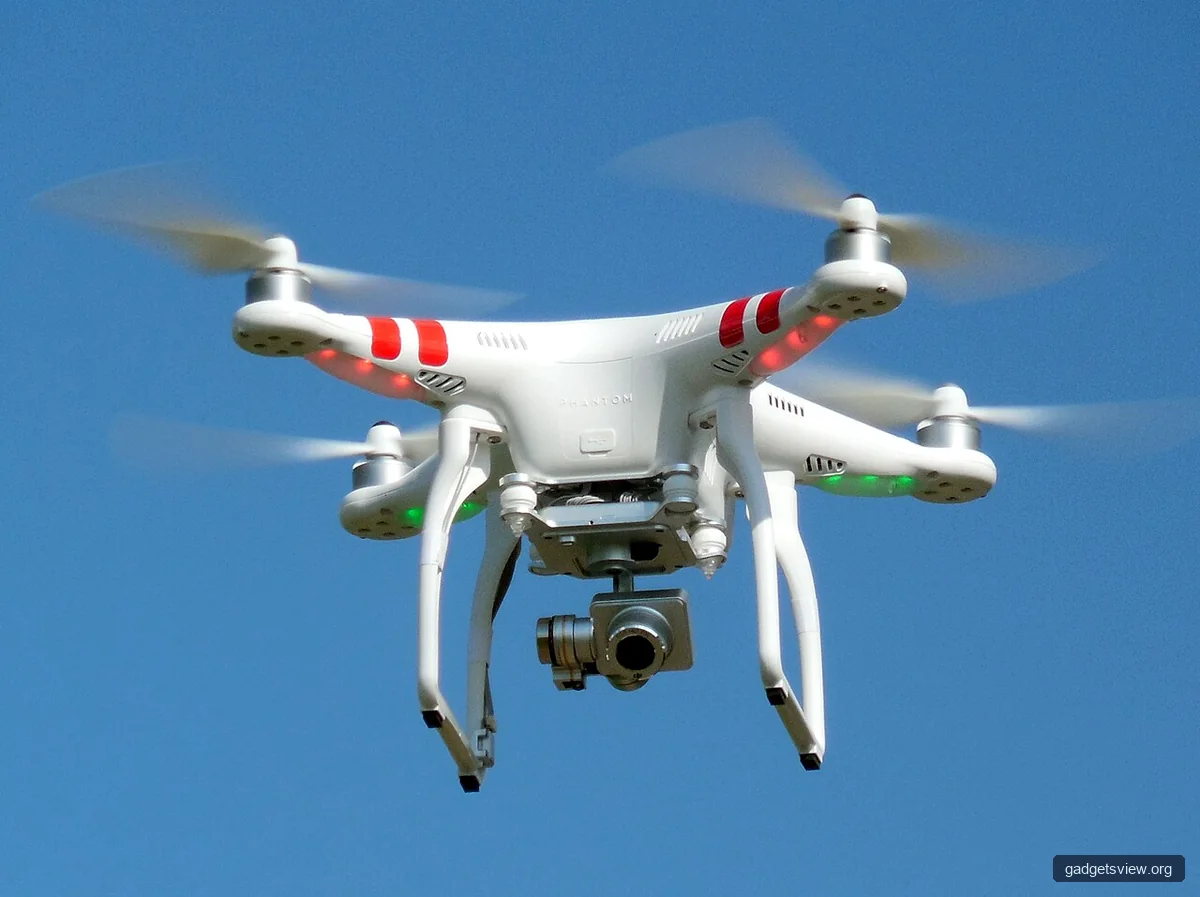
A drone gimbal keeps the camera level and helps reduce shake while the drone moves. That matters a lot for gaming tech footage, where viewers expect crisp motion, clean reveals, and stable tracking shots of events, setups, and products. Without a good gimbal, even a strong camera can produce jittery clips that feel hard to watch.
For gaming content, smooth footage is not just about looks. It also helps your clips feel more professional, which matters for trailers, venue coverage, sponsor reels, and social posts. If your footage is meant to support a brand, device launch, or event recap, stability can make a real difference in perceived quality.
Best Drone Gimbal Options for Smooth Gaming Tech Footage
Based on the product listings found in research, two types of options stand out: a ready-made camera setup like the DJI FPV Drone Gimbal Camera, and a more modular stabilizer like the Brushless Gimbal BGC 2 2 Stabilizer for 3 3+ 4 Camera 3-Axis Drone Gimbal with CNC Aluminum Alloy Frame. These are not the same kind of product, so the best pick depends on how you plan to use it.
| Option | Best for | Strengths | Limitations |
|---|---|---|---|
| DJI FPV Drone Gimbal Camera | Fast FPV footage, ready-to-fly capture, creator setups that need a streamlined system | Good fit for an integrated drone workflow, simpler buying decision | May be less flexible if you want to customize every mounting or camera detail |
| Brushless Gimbal BGC 2 2 Stabilizer for 3 3+ 4 Camera 3-Axis Drone Gimbal with CNC Aluminum Alloy Frame | Custom builds, maker projects, users who want a 3-axis stabilizer for compatible cameras | More build flexibility, brushless stabilization, 3-axis design | Requires more setup and compatibility checking |
If you want the simplest route to smooth footage, the DJI FPV-style option is usually the easier commercial choice. If you are building or tuning your own aerial rig, the brushless 3-axis stabilizer is the more flexible path. The right answer depends on whether you want a finished system or a component you can integrate.
How to Choose the Right Drone Gimbal
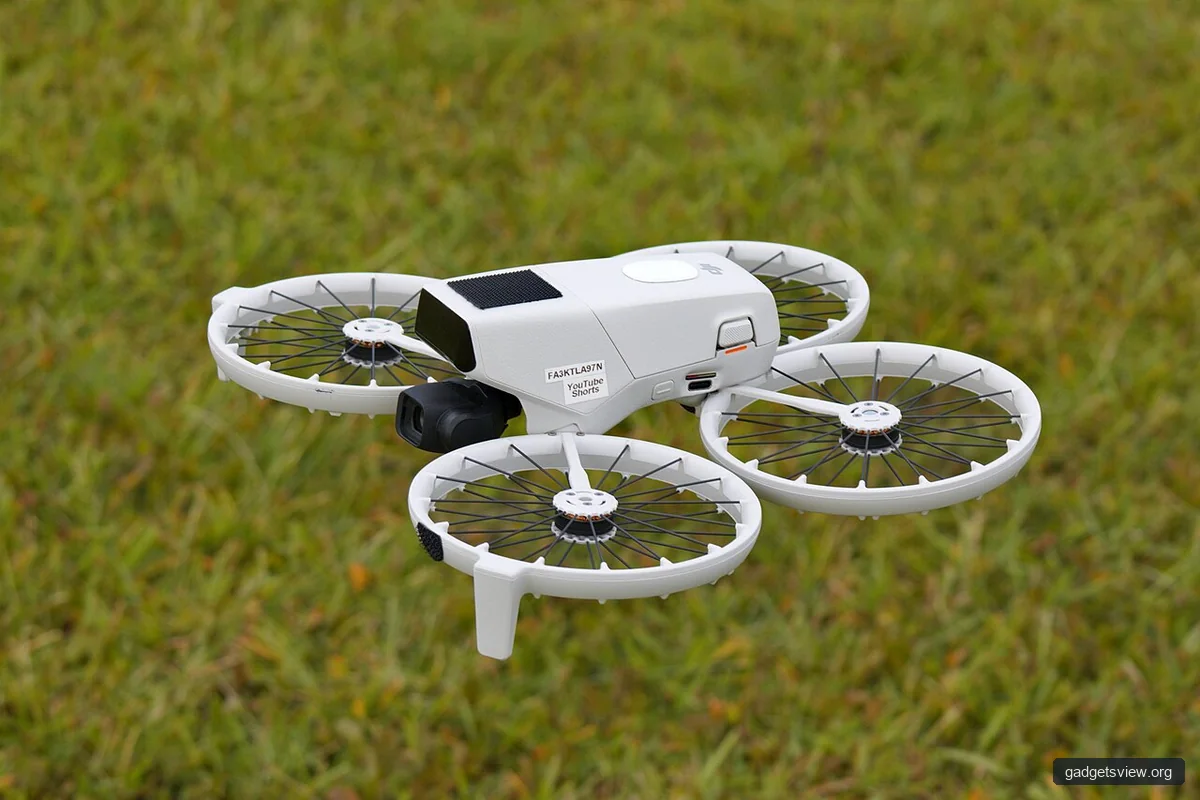
When shopping for a drone gimbal, start with your camera and drone platform. A gimbal is only useful if it fits the weight, mount, and control system of your setup. Many buyers focus on marketing language first, but compatibility should come first.
Selection Criteria That Matter Most
- Compatibility: Make sure the gimbal fits your drone frame and camera model.
- Axis count: A 3-axis setup generally offers better stabilization for moving footage.
- Weight: Heavier gimbals can affect flight time and handling.
- Build quality: A rigid frame can help reduce flex and improve consistency.
- Use case: FPV racing, event coverage, and product shots do not need the same setup.
- Ease of setup: Some buyers want plug-and-play. Others want tuning and custom mounting.
For gaming tech footage, a clean, stable shot often matters more than extreme camera movement. If your content includes booths, PCs, consoles, peripherals, or live tournament spaces, you want smooth pans and controlled motion. That usually means choosing a gimbal that prioritizes steady tracking over experimental features.
Strengths and Limitations of Each Gimbal Type
Both product types can be useful, but they solve different problems. The DJI FPV Drone Gimbal Camera is better suited to creators who want an integrated setup with less assembly. The Brushless Gimbal BGC 2 2 Stabilizer is better for users who already have a compatible build or want to fine-tune their system.
DJI FPV Drone Gimbal Camera: Strengths
- Good fit for users who want a more direct path to usable footage
- Useful for fast-paced FPV-style shots
- Appeals to creators who value simplicity and a known ecosystem
DJI FPV Drone Gimbal Camera: Limitations
- Less modular than a standalone stabilizer
- Not ideal if your build needs deep customization
- May not be the right match for all camera or frame setups
Brushless Gimbal BGC 2 2 Stabilizer: Strengths
- 3-axis stabilization design
- Fits custom drone build workflows better
- CNC aluminum alloy frame suggests a more rigid hardware approach
Brushless Gimbal BGC 2 2 Stabilizer: Limitations
- Requires more careful compatibility checks
- May take longer to install and tune
- Not as beginner-friendly as an integrated system
For commercial buyers, the best product is not the one with the most features on paper. It is the one that gets you reliable footage with the least friction. A simple setup that works every time is usually more valuable than a complex setup that needs constant adjustments.
Who Should Choose What?
If you want a clear verdict, here it is: choose the DJI FPV Drone Gimbal Camera if you want a more streamlined option for fast footage and less setup hassle. Choose the Brushless Gimbal BGC 2 2 Stabilizer for 3 3+ 4 Camera 3-Axis Drone Gimbal with CNC Aluminum Alloy Frame if you are building a custom drone and need a flexible stabilizer for compatible gear.
| Buyer Type | Best Choice | Why |
|---|---|---|
| Beginner creator | DJI FPV Drone Gimbal Camera | Easier path to stable footage and fewer setup decisions |
| DIY drone builder | Brushless Gimbal BGC 2 2 Stabilizer | Better for custom integration and tuning |
| Gaming event shooter | Depends on the drone platform | Choose the system that balances speed, control, and setup simplicity |
What to Check Before You Buy
Before you buy any drone gimbal, confirm the exact compatibility details on the current product page. Product listings can change, and it is important to verify fit, supported cameras, and mounting requirements before ordering. That is especially true if you are buying for a commercial job with a fixed deadline.
- Confirm your camera model. Make sure the gimbal supports it.
- Check the drone frame. The mount must work with your build.
- Review power and control support. Some gimbals need specific controllers or wiring.
- Look at weight limits. Heavier hardware can change flight behavior.
- Verify return and support options. This matters if you are buying for production work.
Also think about how you shoot. If your footage includes quick transitions, fly-throughs, or movement around gaming events, a steady and responsive setup matters most. If you mostly want static, slow, or controlled shots, you may value ease of use over advanced tuning.
FAQ About Drone Gimbals for Gaming Tech Footage
What does a drone gimbal actually improve?
A drone gimbal helps reduce visible shake and keeps the camera more level during movement. This makes footage look smoother and easier to watch, especially in fast-moving gaming tech scenes.
Is a 3-axis gimbal better for gaming footage?
In many cases, yes. A 3-axis gimbal can stabilize movement across more directions, which can help produce cleaner shots during turns, climbs, and fly-bys. Still, the best option depends on whether it fits your drone and camera.
Should I choose a ready-made gimbal or a brushless stabilizer?
Choose a ready-made option if you want convenience and a simpler setup. Choose a brushless stabilizer if you are building a custom system and need more control over how the rig is assembled and tuned.
Do I need the most expensive gimbal to get smooth footage?
Not necessarily. Compatibility, build quality, and proper setup can matter more than a high-end label. A well-matched midrange gimbal can outperform a pricier one that is poorly suited to your drone.
Can a gimbal fix all shaky footage?
No. A gimbal helps a lot, but it cannot fully replace good flight control, proper balancing, and careful shooting technique. Smooth footage comes from the whole setup working together.
Conclusion: The Smart Choice for Smooth Gaming Tech Footage
The best drone gimbal for smooth gaming tech footage is the one that matches your drone, camera, and workflow. If you want simplicity and a more direct path to stable FPV-style footage, the DJI FPV Drone Gimbal Camera is the stronger fit. If you are building a custom rig and want a flexible 3-axis option, the Brushless Gimbal BGC 2 2 Stabilizer is worth a closer look.
Next, verify compatibility, compare your mounting needs, and choose the setup that gives you consistent footage with the least hassle. That is the smartest way to get smoother content that looks polished and ready for a US audience.