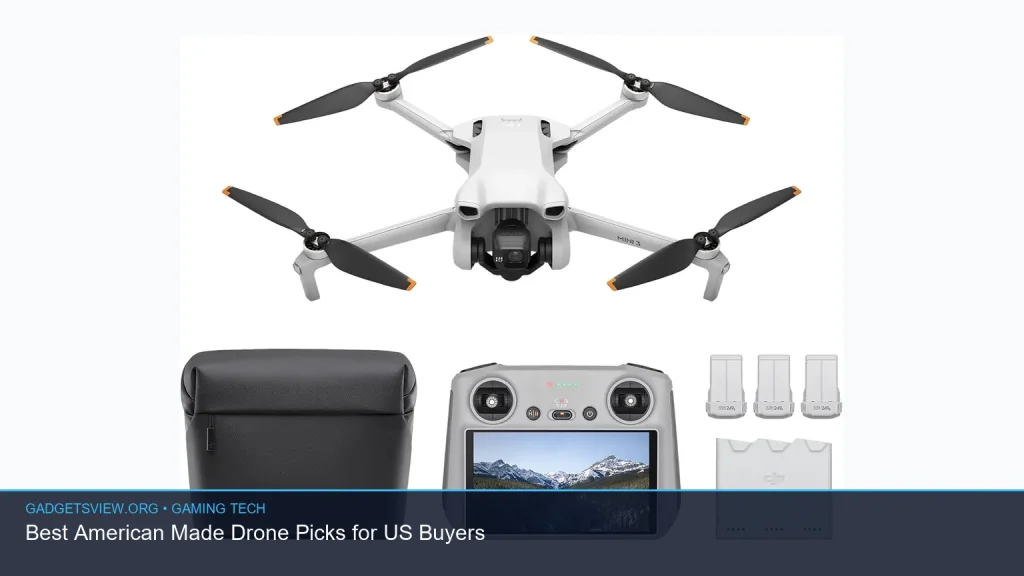
If you are shopping for an american made drone, the big question is not just “what looks good?” It is “what will actually fit my use case, budget, and buying standards?” For US buyers, that usually means balancing build quality, support, compliance, and whether the drone is truly made in the USA or simply assembled here. This guide helps you compare your options, understand what to look for, and make a confident choice without guessing.
📖 Table of Contents
📌 Key Takeaways
- An american made drone can offer stronger support, clearer supply-chain visibility, and better alignment with US buyer priorities.
- “Made in the USA” can mean different things, so verify where the drone, flight controller, camera, and final assembly are completed.
- For commercial buyers, the best choice depends on mission type: filming, inspection, mapping, training, or security work.
- Always confirm current FAA rules, warranty terms, parts availability, and domestic manufacturing claims before you buy.
What “American Made Drone” Really Means
The phrase american made drone sounds simple, but it is not always cut and dry. Some products are designed in the US, some are assembled here, and some use a mix of domestic and imported parts. That difference matters if your priority is supporting US manufacturing or reducing supply-chain risk.
For buyers, the key is to look beyond the label. Check where the airframe, electronics, camera system, battery, software development, and final assembly happen. If a seller makes a “made in USA” claim, look for clear documentation, not vague marketing language.
How to Compare American Made Drone Options
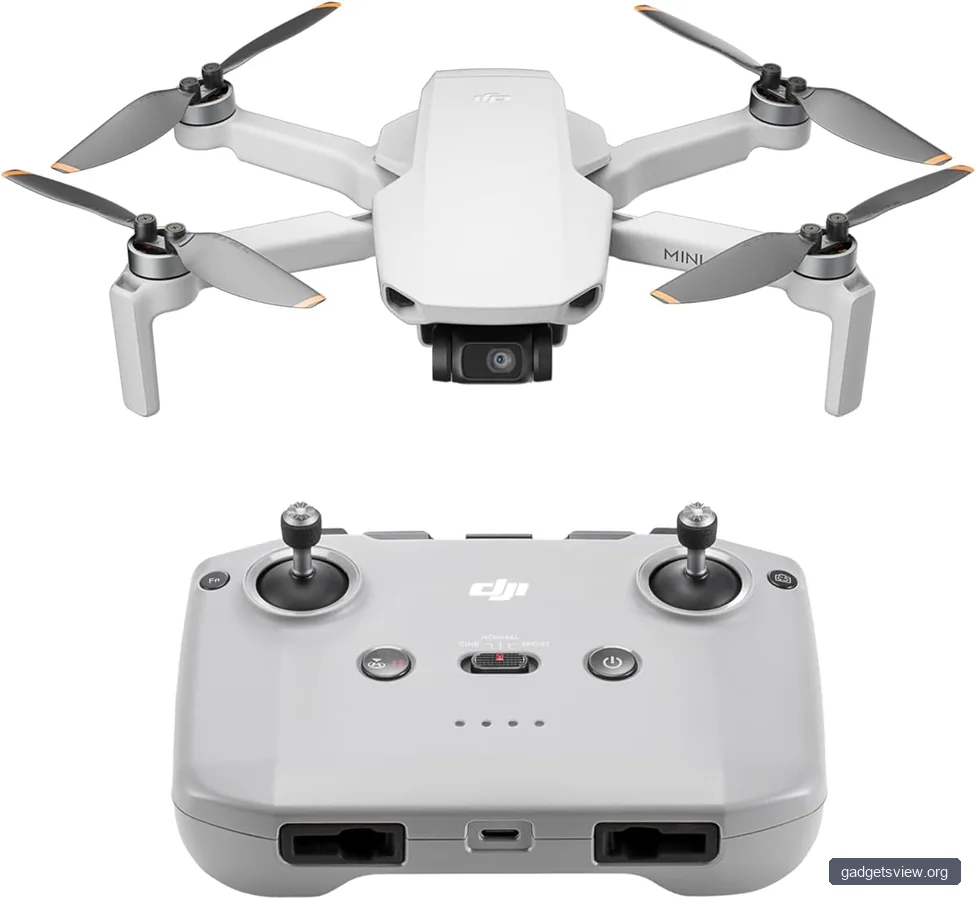
Because no product listings were supplied, the smartest approach is to compare by buying criteria instead of name-brand hype. That keeps the decision grounded in what matters for commercial or serious recreational use.
| Selection Factor | What to Look For | Why It Matters |
|---|---|---|
| Manufacturing origin | Clear info on design, assembly, and component sourcing | Helps verify domestic content and support claims |
| Use case | Photo/video, inspection, mapping, security, training | Prevents overbuying or choosing the wrong platform |
| Support and service | US-based support, repair options, spare parts | Keeps downtime low for business use |
| Flight compliance | FAA registration needs, Remote ID support, operational fit | Avoids legal and workflow problems |
| Payload and accessories | Camera options, sensors, modular mounts, controller support | Determines whether the drone can grow with your needs |
Best American Made Drone Picks by Buyer Type
Since no product names or model data were provided, the best way to frame “picks” is by category. This helps US buyers map the right type of drone to the right job without guessing at product claims or features.
1) Best for Commercial Imaging and Media
Choose this type if you need stable flight, strong camera integration, and dependable controls for real estate, events, or branded content. A well-built domestic drone platform can be a strong fit when you need quick turnaround and easy service access.
Strengths: better support response, easier maintenance planning, and a more controlled buying process.
Limitations: imaging quality depends on the camera payload and gimbal system, not just the airframe.
2) Best for Inspection and Industrial Work
This category is ideal for roof checks, utility work, construction progress photos, and site review. Buyers should focus on reliability, modular sensors, flight stability in wind, and whether the platform can carry the tools the job requires.
Strengths: practical for repeat workflows, easier parts planning, and better alignment with business needs.
Limitations: specialized inspection payloads may narrow your choices and raise total cost of ownership.
3) Best for Mapping and Survey Support
Mapping buyers should look for consistent flight paths, accurate positioning, and software compatibility. An american made drone in this category can be attractive if your team wants tighter control over data handling and vendor relationships.
Strengths: workflow consistency, better internal procurement confidence, and strong use in repeat missions.
Limitations: mapping quality depends heavily on sensors, software, and operator process.
4) Best for Training and Fleet Use
If you are building a training fleet for schools, clubs, or company pilots, simplicity matters more than flashy specs. You want predictable controls, available replacement parts, and a service path that does not create long delays.
Strengths: easier onboarding, less downtime, and better long-term fleet planning.
Limitations: entry-level systems may not offer advanced payload flexibility.
Who Should Choose What
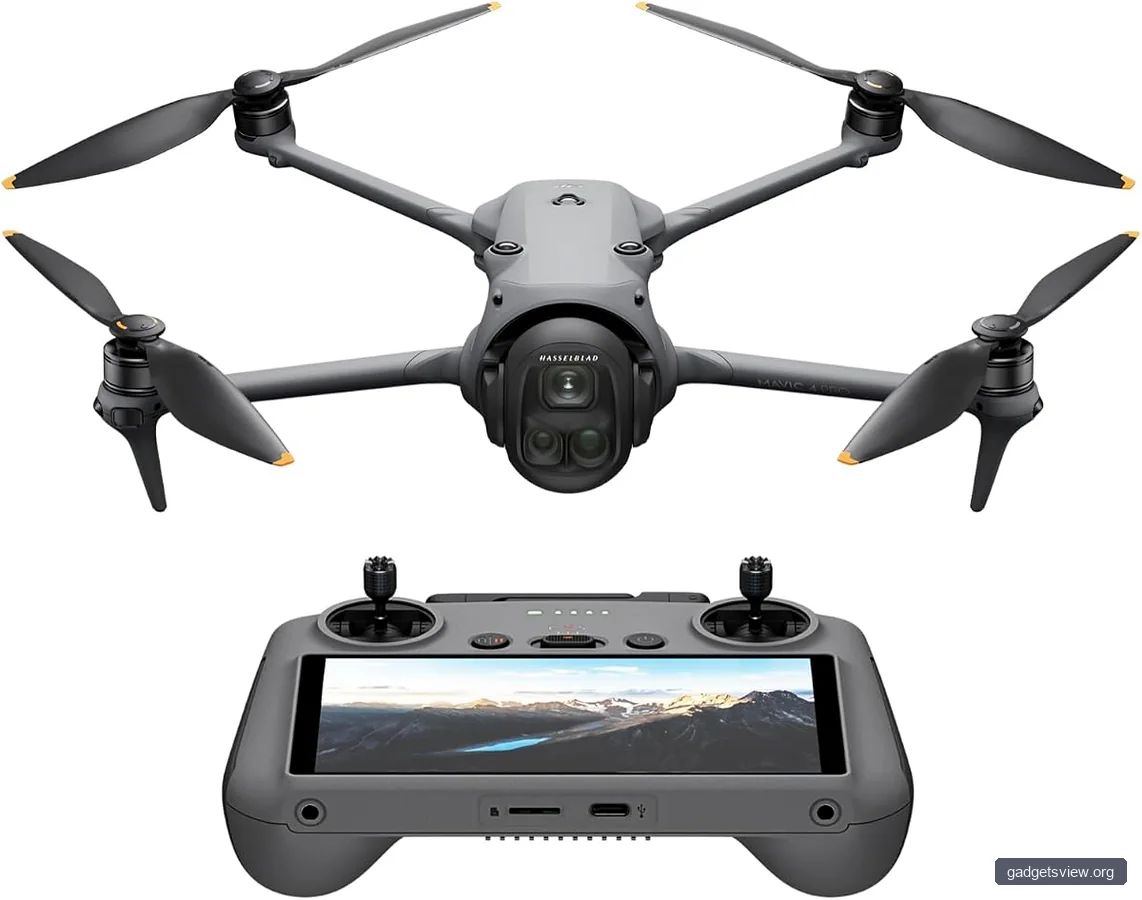
Commercial buyers usually fall into one of a few clear groups. Matching the drone type to the buyer profile is the fastest way to avoid regret.
| Buyer Type | Best Fit | Why It Works |
|---|---|---|
| Small business owner | Commercial imaging or inspection platform | Balances usefulness with manageable support needs |
| Enterprise team | Modular industrial drone | Scales better for repeat tasks and mixed payload needs |
| School or trainer | Simple, repairable training model | Easier to teach, maintain, and replace parts for |
| Public sector buyer | Drone with clear sourcing and documentation | Supports procurement review and compliance checks |
What to Check Before You Buy
When current verification is needed, check the seller’s official site and request written confirmation. Do not rely only on product titles, reseller listings, or social posts.
- Origin claim: Ask what is made in the US and what is sourced elsewhere.
- Parts access: Confirm that propellers, batteries, arms, and cameras are easy to replace.
- Warranty support: Look for repair terms and turnaround expectations.
- Software support: Confirm app compatibility and update history.
- Compliance fit: Verify FAA registration needs and Remote ID requirements for your use.
- Mission match: Make sure the drone can handle your payload, flight time needs, and operating environment.
Common caution signs
Be careful if a listing uses patriotic language but gives no sourcing details. Also be cautious if the drone depends on hard-to-find accessories or if the seller cannot clearly explain service options. A lower upfront price can become expensive if repairs and downtime are slow.
Pros and Cons of Choosing an American Made Drone
An american made drone can be a strong buy, but only when the manufacturing story and the product fit are both solid. Here is the basic trade-off.
- Pros: easier support, clearer sourcing, better fit for buyers who value domestic production, and often stronger communication with the vendor.
- Pros: can be a good choice for organizations that need supply-chain visibility and service consistency.
- Cons: fewer model choices in some categories, possible higher costs, and varying levels of “made in USA” depth.
- Cons: performance still depends on the actual design, parts, and software quality.
The best choice is not always the most patriotic-sounding one. It is the one that can be supported, repaired, and used safely for the job you actually have.
FAQ
How do I know if a drone is truly American made?
Look for clear sourcing details from the manufacturer. “Made in USA” can refer to different production stages, so check where design, assembly, and key components are completed. If the claim is important to you, ask for written clarification.
Are American made drones better for commercial use?
They can be, especially if you value support, repair access, and supply-chain clarity. But “better” depends on your mission. A drone is only a good commercial tool if it fits the job, integrates with your workflow, and can be maintained easily.
What should I verify before ordering?
Confirm manufacturing origin, warranty terms, spare parts, software support, and FAA compliance needs. Also make sure the drone supports your intended camera or payload setup. These details matter more than broad marketing claims.
Do I need to check FAA rules before buying?
Yes. Your duties may depend on whether the drone is for recreation, business, or another commercial use. Always verify current FAA requirements before flight, since rules and interpretations can change.
Is a more expensive drone always the better choice?
Not always. Higher cost can mean more capability, but it can also mean features you may never use. Start with the mission, then match the drone to it.
Conclusion
If you want the best american made drone for US buying needs, start with proof, not hype. Compare origin claims, support, repair access, and the drone’s real job fit before you spend. Then choose the model type that matches your use case, whether that is media work, inspection, mapping, or training.
Your next step is simple: shortlist a few manufacturers, verify their sourcing details, and compare support terms side by side. That gives you a smarter purchase and a better long-term result.