If you want an ambidextrous gaming mouse, the right choice comes down to comfort, button layout, sensor quality, and how you grip the mouse. Left-handed players also need a model that feels truly symmetrical, not just “left-hand friendly.” In this guide, we’ll break down what matters most, how to compare options, and which type of ambidextrous mouse fits different gaming styles. Since no product list was provided, this article focuses on smart buying criteria and clear trade-offs so you can choose with confidence.
📖 Table of Contents
- What Makes an Ambidextrous Gaming Mouse Worth Buying?
- How to Choose the Right Ambidextrous Gaming Mouse
- Why Ambidextrous Design Can Improve Comfort and Precision
- Best Use Cases by Gamer Type
- Strengths and Limitations to Keep in Mind
- How to Compare Options Before You Buy
- FAQ: Ambidextrous Gaming Mouse
- Conclusion: The Best Choice Is the One That Fits Your Hand
📌 Key Takeaways
- An ambidextrous gaming mouse is best for players who want a symmetrical shape, easy reach, and comfortable use with either hand.
- For gaming, the most important factors are grip feel, button placement, sensor accuracy, weight, and whether the side buttons match your hand preference.
- Not every “ambidextrous” mouse is equally useful for left-handed users, so check side buttons and software support before buying.
- The best choice is the one that fits your grip style and game genre, not just the one with the most features.
What Makes an Ambidextrous Gaming Mouse Worth Buying?
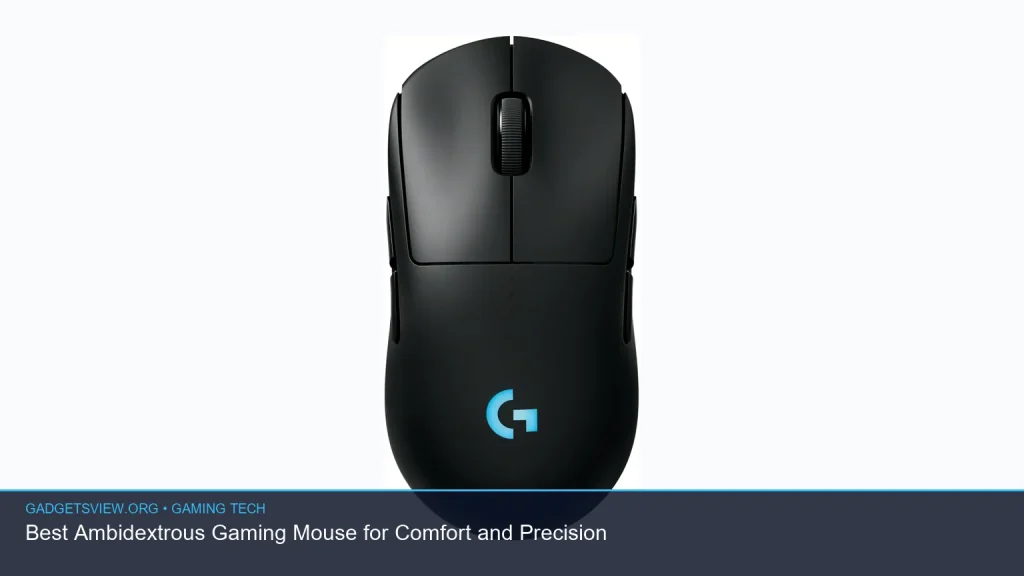
An ambidextrous gaming mouse is shaped so it can sit comfortably in either the left or right hand. That symmetry makes it a strong pick for left-handed players and for anyone who switches hands during long sessions. It also tends to suit gamers who want a neutral shape without finger rests or strong curves.
The main appeal is comfort with flexibility. A good ambidextrous mouse should feel balanced, track well, and avoid awkward thumb shelves or heavy right-hand shaping. If a mouse is labeled ambidextrous but has fixed side buttons only on one side, it may still work well, but it is not equally friendly for both hands.
How to Choose the Right Ambidextrous Gaming Mouse
Start with your grip style. Palm grip often pairs well with a fuller, slightly longer shape, while claw and fingertip grips usually favor a lighter, smaller mouse with quick movement. The right fit should let your hand rest naturally without forcing your wrist or fingers into a tense position.
Next, look at weight and balance. Lighter mice can feel faster in shooters and competitive play, while a slightly heavier model may feel steadier for general gaming and daily work. Balance matters too, because a mouse that feels uneven can cause fatigue over time.
Sensor quality is another key factor. You do not need flashy marketing terms if the sensor tracks smoothly and consistently, especially at the sensitivity levels you use most. Good click feel, stable feet, and a cable or wireless setup that does not drag also improve control.
Selection criteria that matter most
- Shape: True symmetry is important if you need left-hand use or want a neutral fit.
- Side buttons: Check whether buttons exist on both sides or can be disabled cleanly.
- Grip comfort: The mouse should support your fingers without forcing a stretch.
- Sensor performance: Smooth tracking matters more than extra marketing features.
- Weight and glide: Lower drag usually helps fast aim and quick repositioning.
- Software: Button remapping and profile control can make a big difference.
| What to Compare | Why It Matters | Best For |
|---|---|---|
| True ambidextrous shape | Improves comfort for either hand | Left-handed and alternating-hand users |
| Side buttons on both sides | Supports both left- and right-hand use | MOBA, MMO, and productivity use |
| Weight and size | Affects speed and comfort | FPS, casual gaming, long sessions |
| Software and remapping | Lets you customize controls | Players who use multiple games or work tasks |
Why Ambidextrous Design Can Improve Comfort and Precision
A symmetrical mouse can reduce hand bias. If you are left-handed, many ergonomic right-hand mice can feel like a compromise. A proper ambidextrous gaming mouse helps avoid awkward wrist angles and gives you a more natural path to the buttons and scroll wheel.
Precision also depends on how stable the mouse feels during movement. A balanced shell, firm main clicks, and reliable feet can help your aim feel more controlled. This matters in fast-paced games where small movements need to register without skipping or resistance.
That said, comfort is personal. Some players prefer a sculpted right-hand design because it locks the hand into place. If you value symmetry, shared use, or left-hand support, ambidextrous design is usually the better long-term choice.
Best Use Cases by Gamer Type
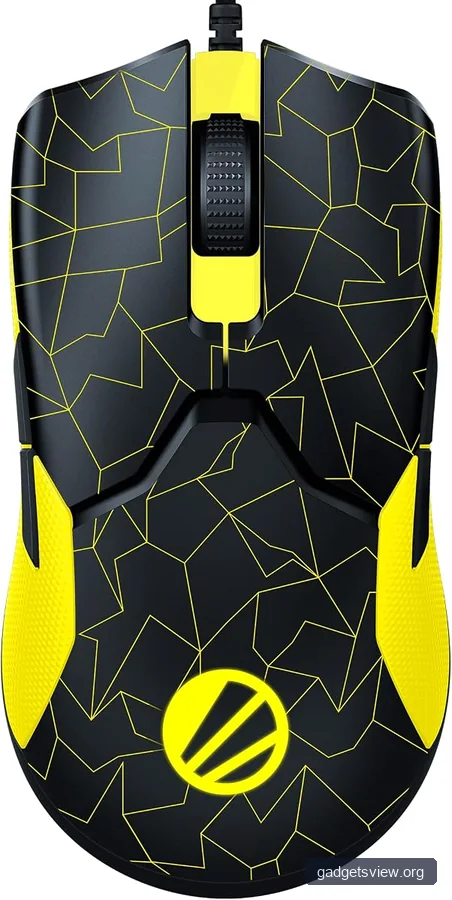
Different players need different strengths from the same mouse category. A model that shines in esports may not be the best for long work sessions, and a feature-rich mouse may be more than a competitive player wants. Matching the mouse to the game style is the easiest way to narrow the field.
| Gamer Type | What to Prioritize | Potential Trade-Off |
|---|---|---|
| FPS player | Low weight, accurate sensor, smooth glide | May have fewer buttons |
| MOBA or MMO player | More programmable buttons and strong software | Can feel busier in hand |
| Left-handed user | True symmetry and usable side buttons | Fewer models may offer full left-hand support |
| Casual gamer | Comfort, durability, simple controls | May not be the lightest option |
Who should choose what?
- Choose a true ambidextrous mouse if you are left-handed or want a neutral shape that works for either hand.
- Choose a lighter model if you play fast shooters and want quick, easy movement.
- Choose a button-rich model if you play MMOs, MOBAs, or use many shortcuts.
- Choose a simple, symmetrical design if comfort and low distraction matter more than extra features.
Strengths and Limitations to Keep in Mind
Ambidextrous gaming mice have clear benefits, but they are not perfect for everyone. Their main strength is flexibility. They can fit more users, support left-handed players, and often feel balanced in a clean, uncluttered way.
The most common limitation is ergonomics. A symmetrical shell may not feel as naturally molded to the hand as a right-handed design. Some ambidextrous mice also place side buttons in ways that work better for one hand than the other, which can limit their “true” ambidextrous appeal.
| Strengths | Limitations |
|---|---|
| Works for left- and right-handed users | May not match the hand shape of an ergonomic mouse |
| Balanced feel for many grip styles | Side-button access can be uneven |
| Good choice for shared setups | Not every model offers deep customization |
| Often simple and easy to adapt to | May require more careful selection to avoid compromises |
How to Compare Options Before You Buy
If you are shopping online, product pages can make every mouse sound ideal. A better approach is to compare a few practical points side by side. Focus on the shape first, then the controls, then the sensor and software.
Read the hand orientation details closely. Some mice are technically ambidextrous in shape but have side buttons only on one side. Others include reversible parts or software-based button remapping, which can be more useful if you switch hands often.
- Check whether the mouse is truly symmetrical.
- Confirm side-button placement and whether the buttons can be disabled.
- Match the size to your hand and grip style.
- Look for stable tracking and responsive clicks.
- Review software options if you want profiles or custom mappings.
- Choose the lightest model only if speed is more important than a planted feel.
FAQ: Ambidextrous Gaming Mouse
Is an ambidextrous gaming mouse good for left-handed gamers?
Yes, it is often one of the best choices for left-handed gamers because the shape is neutral and usually easier to adapt to than a right-hand ergonomic mouse. Just check whether the side buttons and software work well for left-hand use.
Do ambidextrous mice sacrifice comfort?
Sometimes they do, but not always. A symmetrical mouse may feel less sculpted than a right-hand model, yet many users prefer its even feel and easier switching between hands. Comfort depends on the shape, size, and your grip style.
Are ambidextrous gaming mice better for FPS games?
They can be, especially if the mouse is light and tracks well. FPS players often value quick movement and simple controls, both of which are common in ambidextrous designs. The best choice still depends on your grip and sensitivity.
Should I choose wired or wireless?
Either can work well. A wired mouse may be simpler and avoid charging, while a wireless mouse can reduce cable drag and feel cleaner on the desk. The better option is the one that fits your setup and play style.
What should I check before buying one online?
Look at the mouse shape, hand orientation, button layout, dimensions, weight if available, and software support. If you need a left-hand-friendly model, make sure the side buttons are not locked to one side only.
Conclusion: The Best Choice Is the One That Fits Your Hand
The best ambidextrous gaming mouse is the one that gives you a comfortable grip, accurate tracking, and a button layout that matches how you play. If you are left-handed, this category is often the safest place to start. If you want a shared, neutral, or simpler gaming setup, it can also be a smart long-term choice.
Before buying, compare shape, weight, side buttons, and software support. Then choose the model that fits your grip style and game type best. If you want, I can also help you build a product comparison shortlist once you provide specific mouse models.