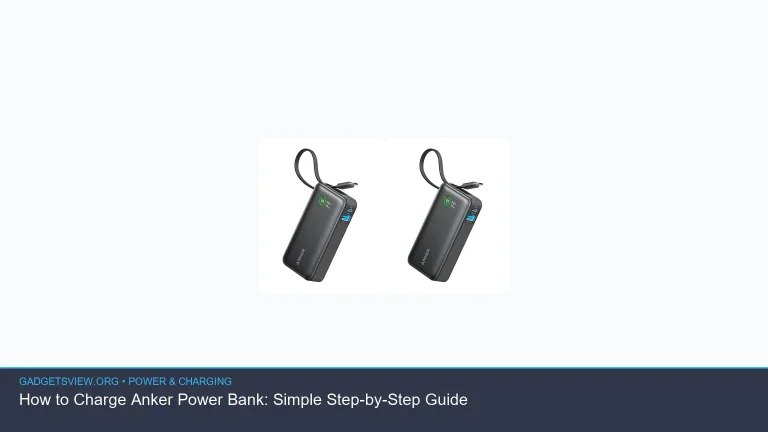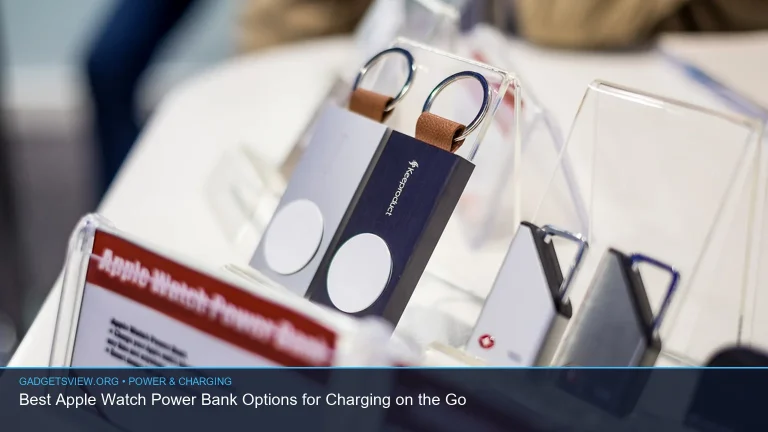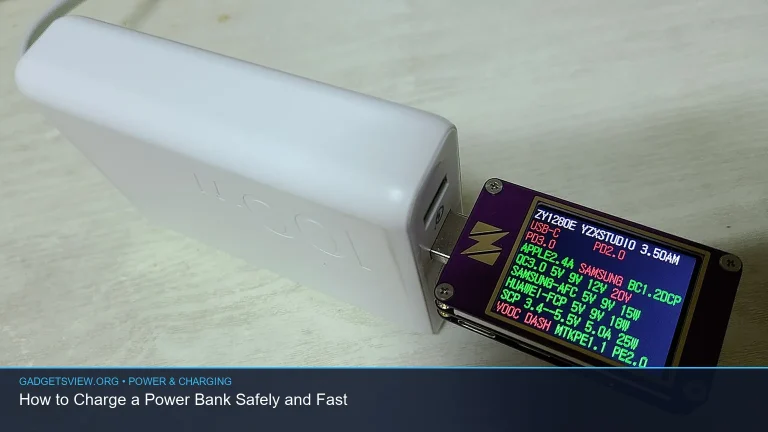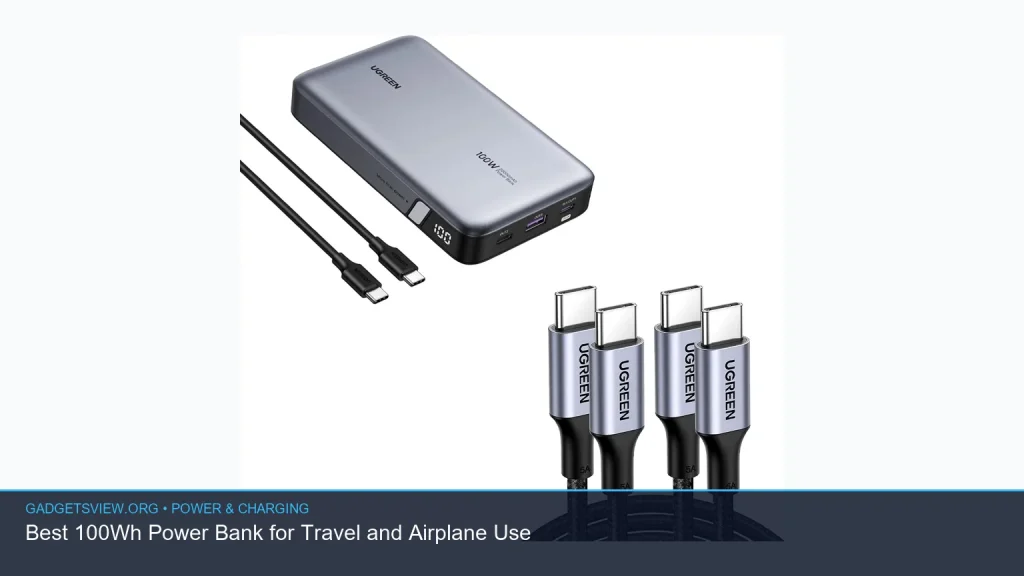
If you want the short answer: yes, a 100Wh power bank is usually the best travel-friendly option for flights because it fits the common airline battery limit while still offering useful charging capacity. For most US travelers, the sweet spot is a compact unit around 20,000mAh or less, depending on voltage and the manufacturer’s watt-hour rating. The right choice depends on how you fly, what devices you charge, and whether you need fast USB-C output. Below, you’ll find the airline rules, what to look for, and how to choose the safest option.
📖 Table of Contents
- Why a 100Wh Power Bank Is the Travel Sweet Spot
- Can You Bring a Power Bank on an Airplane?
- 100Wh vs 100W Power Bank: What’s the Difference?
- Is a 20000mAh Power Bank Allowed in Flight?
- How to Choose the Best 100Wh Power Bank for Travel
- Travel Safety Tips for Packing and Using a Power Bank
- FAQ
- Conclusion: The Smartest Travel Choice
📌 Key Takeaways
- A 100wh power bank is the practical ceiling for many travelers because it typically falls within airline carry-on rules.
- You can usually bring a power bank on an airplane, but it must go in your carry-on bag, not checked luggage.
- 20,000mAh is often allowed in flight, but the real rule is based on watt-hours, not just mAh.
- For faster charging, look for a 100w power bank with USB-C Power Delivery, as long as the airline and device limits are respected.
Why a 100Wh Power Bank Is the Travel Sweet Spot
A 100wh power bank sits in the most useful range for air travel because it balances portability, capacity, and airline compliance. It can usually charge a phone several times, top up a tablet, and give a laptop a meaningful boost without crossing common flight limits.
That matters because airline rules are not based on battery size alone. They are based on energy capacity, measured in watt-hours, which is why some power banks that look small in mAh can still be restricted if the voltage is high enough.
For travelers, this makes a 100Wh unit a strong all-around choice. It is large enough for real use, but small enough to avoid the extra approvals that larger batteries often require.
Can You Bring a Power Bank on an Airplane?
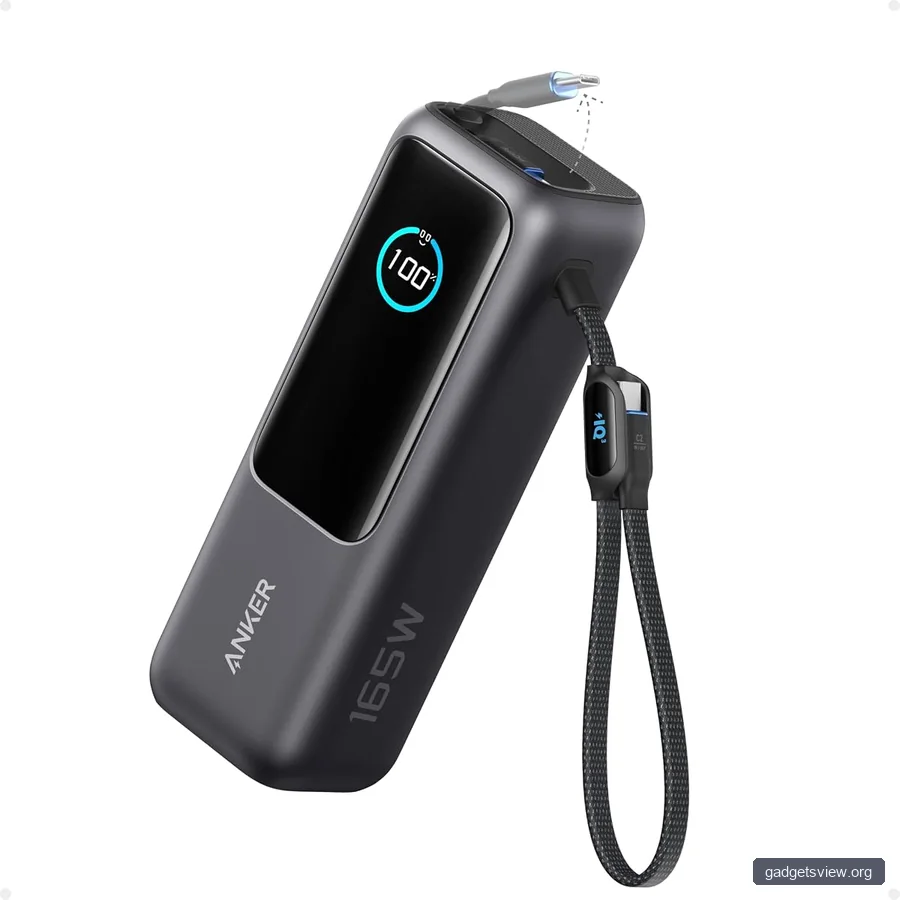
Yes, in most cases you can bring a power bank on an airplane, but it must be packed in your carry-on bag. This is the key rule many travelers miss. Power banks are lithium-ion batteries, and airlines generally do not allow them in checked baggage because of fire risk.
For US travelers, the practical rule is simple: keep the power bank with you, protect the ports from short circuits, and make sure the capacity stays within the airline’s limit. If the battery is unusually large, the airline may require approval before you fly.
Common airline battery guidance at a glance
| Battery size | Typical airline treatment | Travel note |
|---|---|---|
| Up to 100Wh | Usually allowed in carry-on | Best option for most travelers |
| 101Wh to 160Wh | Often allowed with airline approval | Check policy before flying |
| Over 160Wh | Usually not allowed for passenger carry-on | Not a normal travel choice |
Rules can vary by airline and route, so always verify the latest policy before departure. TSA and airline staff can make the final call at the gate or security checkpoint.
100Wh vs 100W Power Bank: What’s the Difference?
This is where many shoppers get confused. Wh stands for watt-hours, which measures energy capacity. W stands for watts, which measures output power or charging speed.
A 100wh power bank tells you how much energy it stores. A 100w power bank tells you how quickly it can deliver that energy to a device. A power bank can be 100Wh in capacity and 100W in output, but those are not the same thing.
For airplane travel, the watt-hour rating is the important one. For charging a laptop or fast-charging a phone, the watt rating matters more. If you want one power bank for travel and speed, look for both a compliant capacity and a strong USB-C output.
How to estimate watt-hours from mAh
- Find the battery capacity in mAh.
- Check the battery voltage, usually around 3.7V for lithium cells.
- Use the basic formula: mAh × voltage ÷ 1000 = Wh.
For example, a 20,000mAh battery at 3.7V is about 74Wh. That is why many 20,000mAh units are allowed in flight. But you should always check the label, because not every product uses the same internal design or published rating.
Is a 20000mAh Power Bank Allowed in Flight?
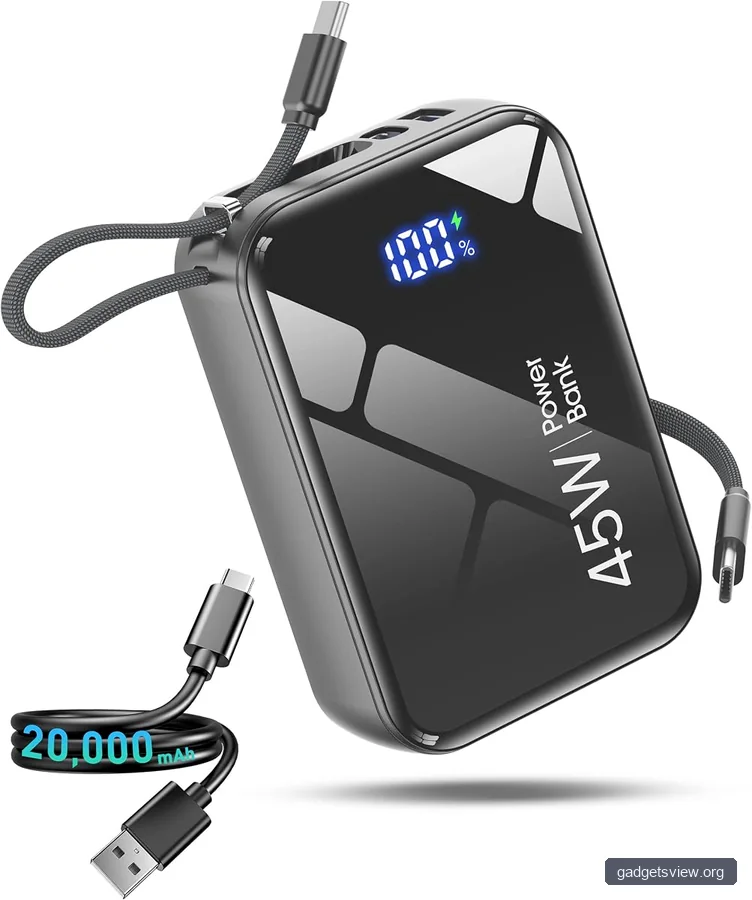
In many cases, is 20000mah power bank allowed in flight is answered with yes, because many 20,000mAh models fall below 100Wh. That said, mAh alone does not decide airline approval. The actual watt-hour rating on the label is what matters most.
If the power bank label shows under 100Wh, it is usually the easiest type to travel with. If it does not list Wh directly, use the voltage to estimate it, or check the manufacturer’s documentation before you pack it.
Also remember that carry-on limits can include a quantity cap or special handling rule. One large battery is different from carrying several power banks, even if each one is under the limit.
How to Choose the Best 100Wh Power Bank for Travel
The best travel power bank is not just the one with the biggest number. It should be easy to carry, safe to store, and powerful enough for your devices. Here is what to check before you buy.
Selection criteria
- Watt-hour rating: Stay at or under 100Wh for simpler flight travel.
- USB-C output: Useful for modern phones, tablets, and many laptops.
- Fast charging support: Look for PD or similar fast-charge support if you need quick top-ups.
- Port count: Multiple ports help when you travel with more than one device.
- Size and weight: Smaller is easier to carry through airports and use on the go.
- Clear labeling: The battery should clearly show its Wh rating or enough info to verify it.
Comparison table: what type of traveler needs what
| Traveler type | Best fit | Strengths | Limitations |
|---|---|---|---|
| Frequent flyer | 100Wh power bank with fast USB-C | Travel-friendly, versatile, simple airline compliance | May not fully charge larger laptops |
| Phone-only traveler | Smaller compliant battery | Lighter and easier to pack | Less reserve for long delays |
| Laptop user | 100w power bank within 100Wh limit | Better chance of powering USB-C laptops | Charging speed depends on device support |
Who should choose what? If you want the safest all-purpose option for flights, choose a clearly labeled 100Wh model with USB-C and enough output for your main device. If you only need phone charging, a smaller battery may be more practical. If you need to charge a laptop, prioritize a 100w power bank with verified USB-C power delivery, but still keep the capacity within airline limits.
Travel Safety Tips for Packing and Using a Power Bank
Good packing habits reduce the chance of problems at security and in your bag. They also help protect the battery from damage, which is important with any lithium-ion device.
- Keep the power bank in your carry-on, not checked baggage.
- Cover exposed ports if the design makes shorting possible.
- Do not crush, bend, or place heavy items on the battery.
- Bring only clearly labeled batteries when possible.
- Check the airline’s current rules before each trip, especially for international flights.
If a power bank is swollen, damaged, or overheating, do not bring it on board. That is true whether it is under 100Wh or not. Safety always comes before convenience.
FAQ
Can you bring a power bank on an airplane in the US?
Yes. In general, you can bring a power bank on an airplane in the US as long as it is packed in your carry-on bag and stays within airline battery limits. Do not place it in checked luggage.
Is a 20000mAh power bank allowed in flight?
Often yes, but not because of the mAh rating alone. Most 20,000mAh power banks are under 100Wh, which is why they are commonly allowed. Check the watt-hour label to be sure.
What is the best size for travel: 100Wh or smaller?
For many travelers, 100Wh is the best upper limit because it gives strong capacity while staying within the easiest airline category. If you only charge a phone or earbuds, a smaller unit may be lighter and simpler.
Do airlines care more about Wh or mAh?
Airlines care more about watt-hours. mAh can be useful, but Wh is the standard airline measure because it reflects the battery’s total energy more clearly.
Can a 100w power bank charge a laptop on a plane?
It can, if the laptop supports USB-C charging and the power bank provides the right output profile. The key is that “100W” describes output power, while flight rules still depend on the battery’s Wh rating.
Conclusion: The Smartest Travel Choice
If you want one battery that works well for both travel and flights, a clearly labeled 100wh power bank is usually the best place to start. It gives you strong everyday charging without pushing into the more complicated airline categories.
Before you buy, check the watt-hour rating, confirm carry-on-only rules with your airline, and choose the output level that matches your device needs. If you travel with a laptop, a compliant 100w power bank is a strong option. If you only need phone charging, a smaller model may be all you need.