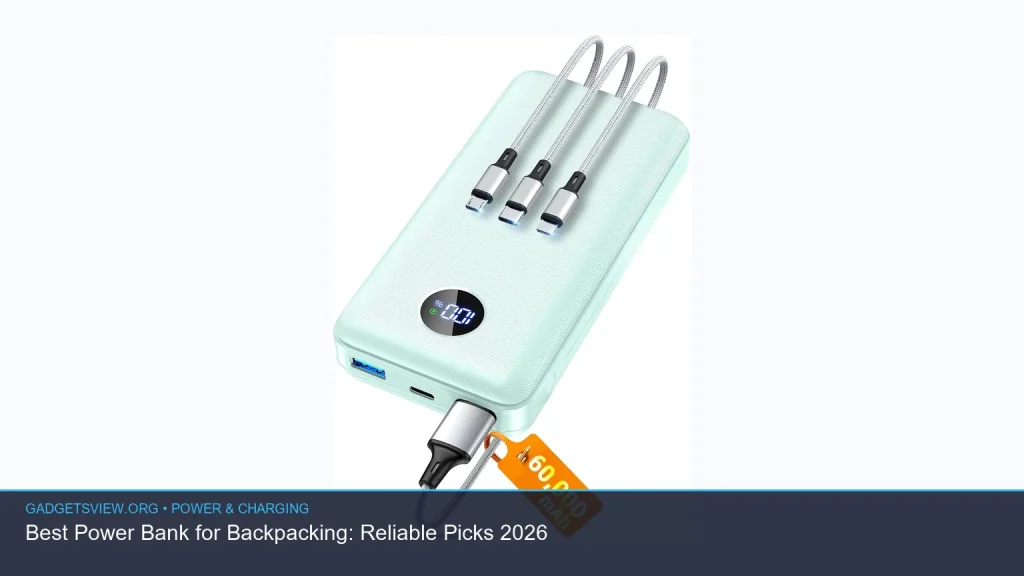
If you’re looking for the best power bank for backpacking, the right pick is usually the one that balances size, weight, charging speed, and ruggedness. Backpackers do not need the biggest battery every time; they need a charger that fits the trip, survives rough handling, and keeps a phone, GPS, or headlamp ready when outlets are far away. This guide breaks down what matters, which styles make sense for different trips, and which discovered models are worth a closer look for US buyers.
📖 Table of Contents
- What to look for in the best power bank for backpacking
- How much battery do backpackers really need?
- Top discovered models and what type of backpacker they suit
- The best power bank styles for different backpacking needs
- How does a power bank work, and why does it matter on trail?
- What about brand names like mophie, ugreen, nebo, and pocket juice?
- Who should choose what?
- FAQ
- Conclusion
Products mentioned
- ADCB POW1
View current product details - charmast 10000mAh Power Bank Portable Charger with 4 Built-in Cables
View current product details - ToughTested 10000mAh Solar Power Bank, 18W PD Fast Charging IP44 Camping
View current product details - ZZI Portable Charger Power Bank 60000mAh, 22.5W PD Fast-Charge Battery Pack
View current product details - Ridge 45W Charger for Power Bank, Dual USB-C Ports, Laptop-Grade Power with Complete Cable Kit Included
View current product details - Portable Charger 38800mAh,LCD Display Power Bank,5 USB Outputs Battery Pack Backup, USB-C 3A in&out Travel Essential Portable Phone Charger For iPhone 17/16/15/
View current product details
Availability, specifications, and prices can change; verify them on the product page.
📌 Key Takeaways
- The best backpacking power bank is usually a balance of capacity, weight, and durability, not the biggest mAh rating.
- For most hikers, a lightweight power bank with USB-C output is the safest starting point.
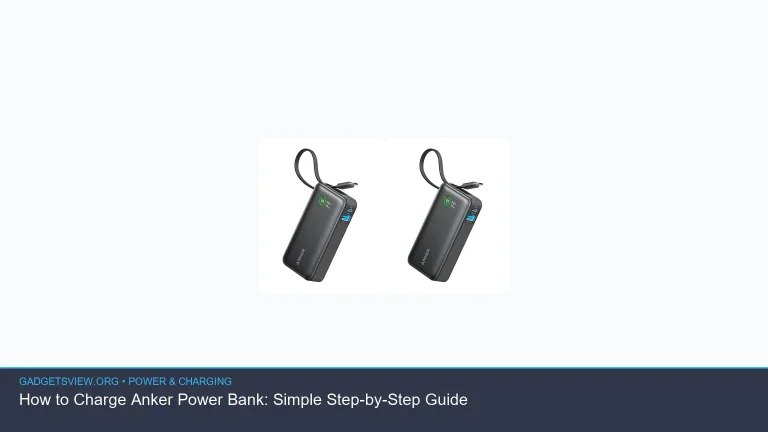
- If you want less cable clutter, look for a power bank with built in cable or a compact model that pairs well with your existing cords.
- Choose rugged or weather-resistant models only when the trip really calls for it; features like a waterproof power bank design can be useful, but they often add bulk.
What to look for in the best power bank for backpacking
The best backpacking battery is the one that matches your trip length and device list. A weekend hiker who only needs a phone top-up has very different needs than a thru-hiker carrying a phone, camera, and satellite messenger.
Start with capacity, then check weight, port types, and durability. A type c power bank is especially useful in 2026 because USB-C is now the easiest way to charge modern phones and many accessories.
Key selection criteria
- Capacity: Enough for your expected days out, but not so large that it becomes dead weight.
- Weight: Backpacking favors a lightweight power bank over a huge reserve.
- Output: USB-C PD is ideal for faster, more efficient charging.
- Durability: Look for reinforced shells, weather resistance, or sealed ports when conditions are rough.
- Convenience: Built-in cables can reduce clutter, but they should not be your only charging option if you rely on multiple devices.
For most people, 10,000mAh is the sweet spot for short backpacking trips. Larger units make sense when you are off-grid for several days and need more than one full phone recharge, but they are harder to justify if every ounce matters.
How much battery do backpackers really need?
Capacity is the first number shoppers see, but it can be misleading. A power bank’s rated mAh is not the same as the amount of usable phone charging you will get, since some energy is lost in conversion.
That is why it helps to think in use cases instead of marketing labels. A smaller bank may be perfect for emergency backup, while a high-capacity brick is better for long treks with lots of device use.
| Trip type | Good capacity range | Best fit |
|---|---|---|
| Day hike or overnight | 5,000mAh to 10,000mAh | Compact, lightweight backup |
| Weekend backpacking | 10,000mAh to 20,000mAh | Balanced charging and weight |
| Longer off-grid trip | 20,000mAh+ | Higher reserve, heavier pack |
If you carry several devices, a larger battery can still be sensible. But if your goal is to save pack weight, the smaller unit often wins because it is easier to stash, easier to carry, and less likely to become a burden on the trail.
Top discovered models and what type of backpacker they suit
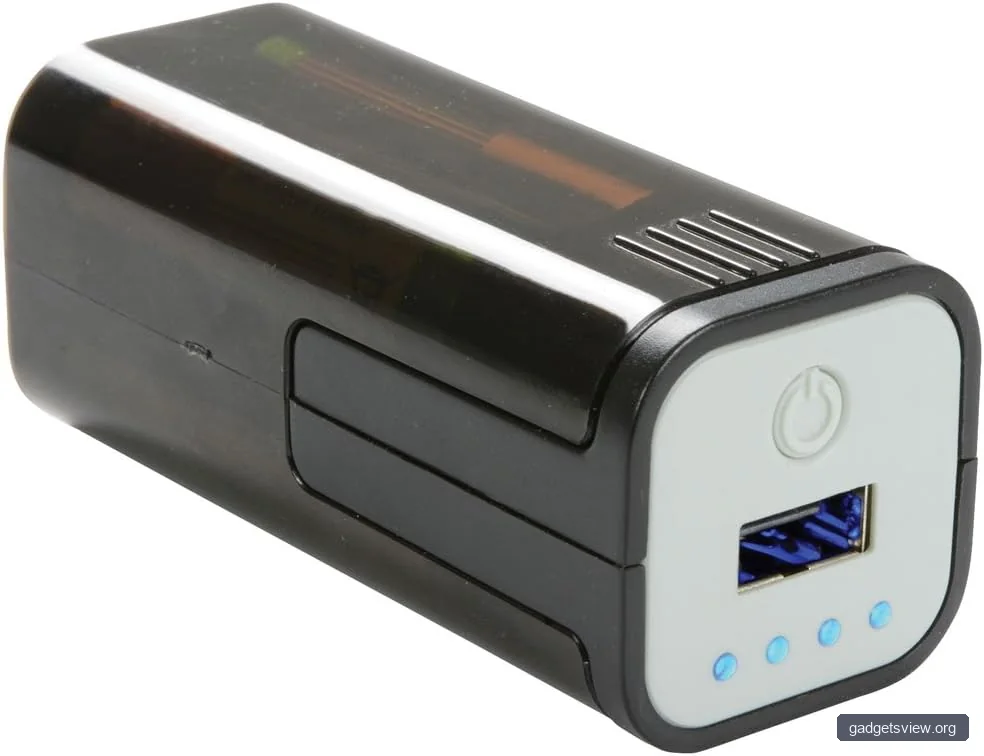
The products below came from research listings, so treat them as candidate options rather than verified best-in-class winners. The titles help identify the type of user each model may fit best, but you should confirm current specs, port layout, and weather claims before buying.
| Product | Best for | Strengths | Limitations |
|---|---|---|---|
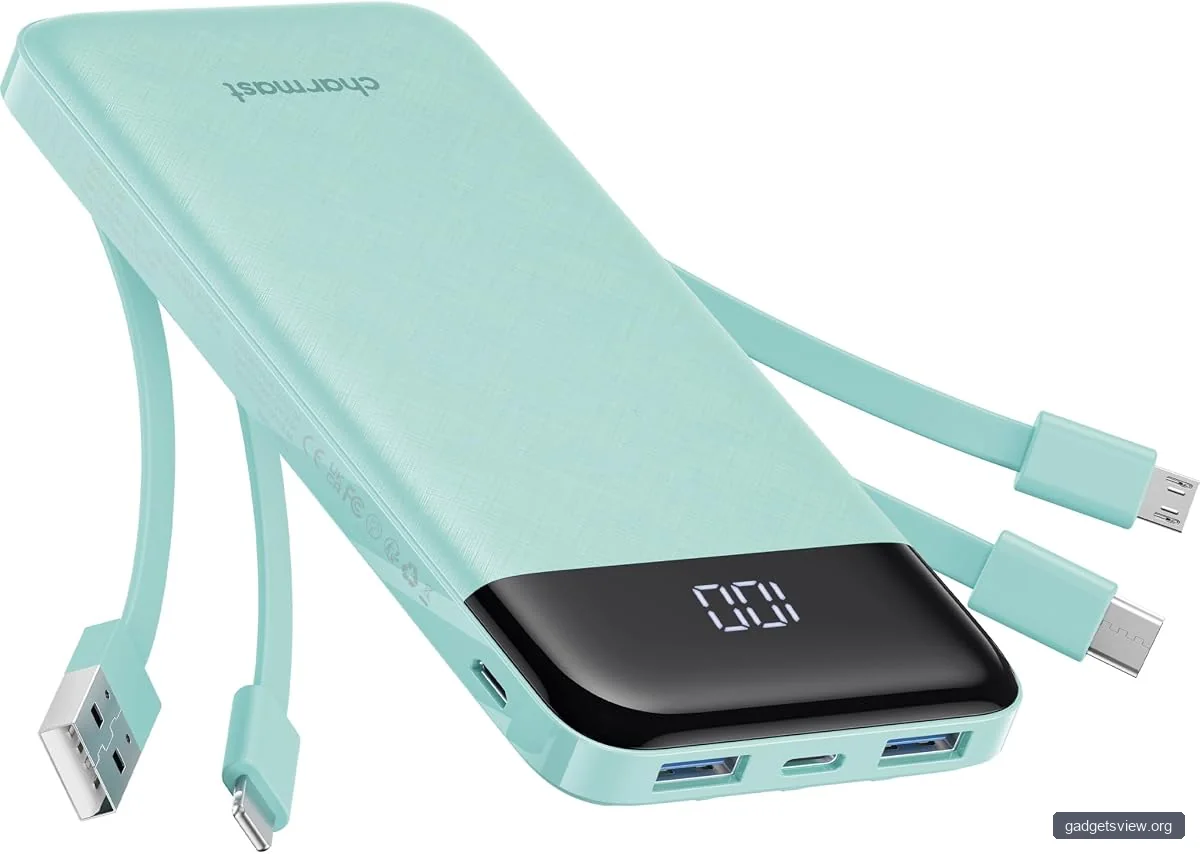
| charmast 10000mAh Power Bank Portable Charger with 4 Built-in Cables | Travelers who hate carrying extra cords | Built-in cable convenience; compact 10,000mAh class | Built-in cables can be less flexible if one breaks |
| ToughTested 10000mAh Solar Power Bank, 18W PD Fast Charging IP44 Camping | Rugged camping and occasional wet-weather use | Weather-focused design; PD charging; camping angle | Solar features are usually supplemental, not a full replacement for charging |
| ZZI Portable Charger Power Bank 60000mAh, 22.5W PD Fast-Charge Battery Pack | Multi-day trips with heavy device use | Very large reserve; fast-charge class output | Likely too heavy for minimal backpackers |
| Portable Charger 38800mAh, LCD Display Power Bank, 5 USB Outputs | Group trips or users with multiple USB devices | Multiple outputs; visible charge status; broad compatibility | Likely bulkier than a true lightweight option |
| ADCB POW1 | Shoppers comparing compact power bank options | Appears as a searchable candidate in research | Need current listing details to evaluate properly |
| Ridge 45W Charger for Power Bank, Dual USB-C Ports, Laptop-Grade Power with Complete Cable Kit Included | Users who need to recharge a bank quickly from wall power | Useful for fast top-offs before trail days; cable kit included | This is a charger, not the backpacking bank itself |
For most backpackers, the strongest shortlist is the 10,000mAh class with USB-C, plus built-in cables only if you truly value simplicity. The larger 38,800mAh and 60,000mAh options are better for users who prioritize endurance over weight.
The best power bank styles for different backpacking needs
There is no single winner for every hiker. The right choice depends on whether you care most about simplicity, ruggedness, or maximum power.
Best for ultralight hikers
Choose a compact, lightweight power bank with one USB-C port and enough capacity for one to two device charges. Ultralight users should avoid oversized models unless they are carrying multiple electronics for safety or work.
Best for wet or rough conditions
If you need a waterproof power bank or at least a weather-resistant one, focus on models with sealed ports, rugged shells, or a clear IP rating. The ToughTested 10000mAh Solar Power Bank is the kind of product that may appeal here, but always verify the actual ingress protection claim and understand its limits.
Best for cable-free convenience
A power bank with built in cable can be a smart choice if you want fewer loose cords in your pack. The charmast 10000mAh model fits this use case well on paper, especially for people who want an all-in-one charging setup for short trips.
Best for heavy users
If you are powering multiple phones, cameras, or accessories, a larger reserve such as the ZZI 60000mAh unit may make sense. Just remember that bigger batteries are usually not the best answer for hikers who care most about ounces.
How does a power bank work, and why does it matter on trail?
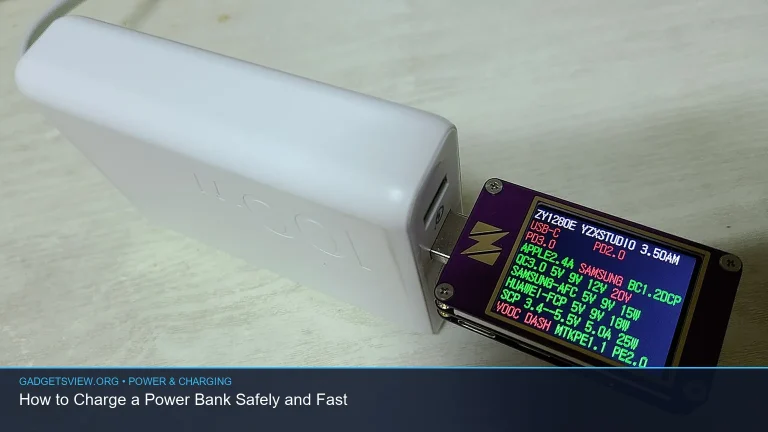
At a basic level, a power bank stores energy in internal cells and sends that energy to your device through a cable or wireless pad. The bank’s internal electronics manage voltage and current so your phone can charge safely.
Knowing how does a power bank work helps you avoid disappointment. A larger capacity does not always mean better real-world charging, and a faster output rating only helps if your cable and device support it.
- Charge the power bank from a wall adapter or other source before the trip.
- Carry a cable that matches your phone or device, or choose a power bank and wireless charger combo if that better suits your gear.
- Plug in when your device battery gets low, instead of waiting until it shuts off.
- Store the bank in a dry pocket or pack sleeve, especially in cold or wet weather.
- Check the battery level before each hiking day if the model includes an LCD or indicator lights.
Cold weather can reduce battery performance, so keep the bank close to your body when possible. Heat is also a concern, so do not leave it baking in direct sun or sealed in a hot vehicle.
What about brand names like mophie, ugreen, nebo, and pocket juice?
Brand search matters because many shoppers already trust certain names. A mophie power bank is often associated with mainstream phone accessories, while a ugreen power bank may appeal to buyers who want a wide range of charging gear in one ecosystem.
The term nebo power bank comes up with outdoor-focused shopping, and a pocket juice power bank is another familiar search for compact charging. A rohs power bank usually points to compliance language, which can matter to buyers who want products built to recognized material and safety standards, though the exact certification should still be checked on the current listing.
If you are comparing brand names, use the same checklist every time: capacity, USB-C support, weight, build quality, and whether the model truly fits backpacking. Brand familiarity helps, but the specs should still do the real work.
Who should choose what?
If you want a fast answer, here is the practical verdict. Choose a 10,000mAh model if you want the best blend of portability and usefulness. Choose a larger 20,000mAh-plus bank only if your trip length or device load justifies the extra weight.
| You should choose this if… | Best fit |
|---|---|
| You want the lightest practical setup | Compact 10,000mAh USB-C model |
| You hate carrying separate cables | Power bank with built-in cable |
| You camp in rough or wet conditions | Rugged, weather-resistant model |
| You need many charges over several days | Higher-capacity 20,000mAh+ bank |
FAQ
Is a 10,000mAh power bank enough for backpacking?
For many overnight and weekend trips, yes. It is often the best compromise between portability and usable battery life, especially if you only need to recharge a phone and a few small accessories.
Do I need a waterproof power bank for hiking?
Not always. Many hikers do fine with a standard power bank kept in a dry bag or pack pocket. If you expect rain, stream crossings, or harsh conditions, a weather-resistant or waterproof power bank design can be useful, but you should verify the actual protection rating before relying on it.
Should I buy a power bank and wireless charger combo?
Only if wireless charging fits your routine. Combo units are convenient, but they can be less efficient than wired USB-C charging, which matters when you are trying to conserve every bit of stored energy on the trail.
What is the advantage of a type c power bank?
USB-C power banks are easier to pair with newer phones, tablets, and accessories. They often support faster charging and can reduce the number of cables you need to carry.
How do I know if a brand like mophie, ugreen, nebo, or pocket juice is right for me?
Start with the product’s actual specs and size, not just the brand name. These brands can be useful search starting points, but the right backpacking choice still comes down to weight, output, and whether the design suits your trip.
Conclusion
The best power bank for backpacking is the one that gives you enough charge without weighing down your pack. For most hikers, a compact 10,000mAh USB-C model is the smartest place to start, while rugged or high-capacity options make sense for longer or tougher trips.
Before you buy, compare capacity, weight, port type, and durability against your real trail needs. If you want, I can also turn this into a ranked product roundup with a “best overall,” “best lightweight,” and “best rugged” shortlist for 2026.