If you are shopping for a commercial drone in 2026, the best choice depends less on hype and more on your job, your airspace rules, and how much risk you can take on. The right drone should match your payload needs, flight time, image quality, software support, and compliance requirements. This guide breaks down what matters most, what to compare, and how to choose a model that fits real commercial work. Whether you fly for mapping, inspections, media, or security, the decision becomes much easier once you know which features actually matter.
📖 Table of Contents
- What a Commercial Drone Should Do for You
- Commercial Drone Buying Criteria That Matter Most
- Match the Drone Type to the Job
- Features That Can Make or Break the Purchase
- How to Buy a Commercial Drone in 2026
- Common Mistakes Buyers Should Avoid
- Quick Decision Table: Which Buyer Profile Fits Best?
- FAQs About Buying a Commercial Drone
- Conclusion
📌 Key Takeaways
- Choose a commercial drone based on the job first: mapping, inspection, filming, security, or emergency response all need different features.
- For most buyers, flight time, camera quality, obstacle sensing, software support, and payload options matter more than raw speed.
- Check FAA rules, Remote ID requirements, and any industry-specific needs before you buy, so the drone can be used legally and effectively.
- Think beyond the drone itself: batteries, controllers, storage, spare parts, and workflow software can shape the true cost and value.
What a Commercial Drone Should Do for You
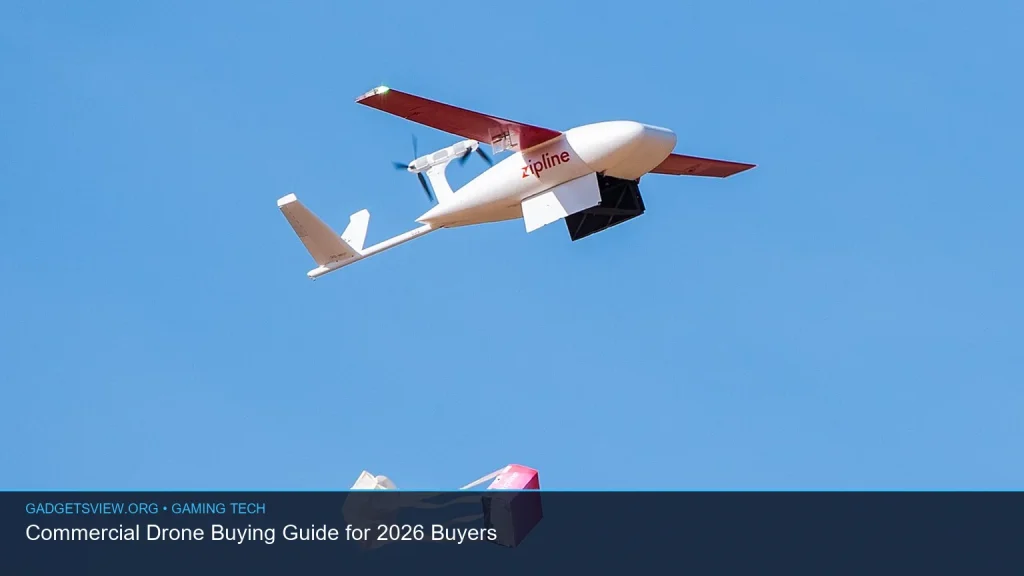
A commercial drone is not just a camera with propellers. It is a work tool built to solve a business problem. That might mean capturing survey data, checking rooftops, filming a property, or monitoring a site with less time and lower risk than sending people on foot.
Before you compare models, define the outcome you need. Do you need clear stills, stable video, thermal data, accurate maps, or long inspection flights over hard-to-reach areas? The clearer your use case, the easier it is to avoid overbuying features you will never use.
Common commercial use cases
- Mapping and surveying: Needs stable GPS, good camera overlap, and software support.
- Industrial inspection: Benefits from zoom, thermal options, or close-range obstacle sensing.
- Real estate and media: Needs smooth video, strong image quality, and simple operation.
- Security and monitoring: Often values endurance, live view, and reliable control links.
- Public safety and response: May require rapid deployment and advanced sensing tools.
Commercial Drone Buying Criteria That Matter Most
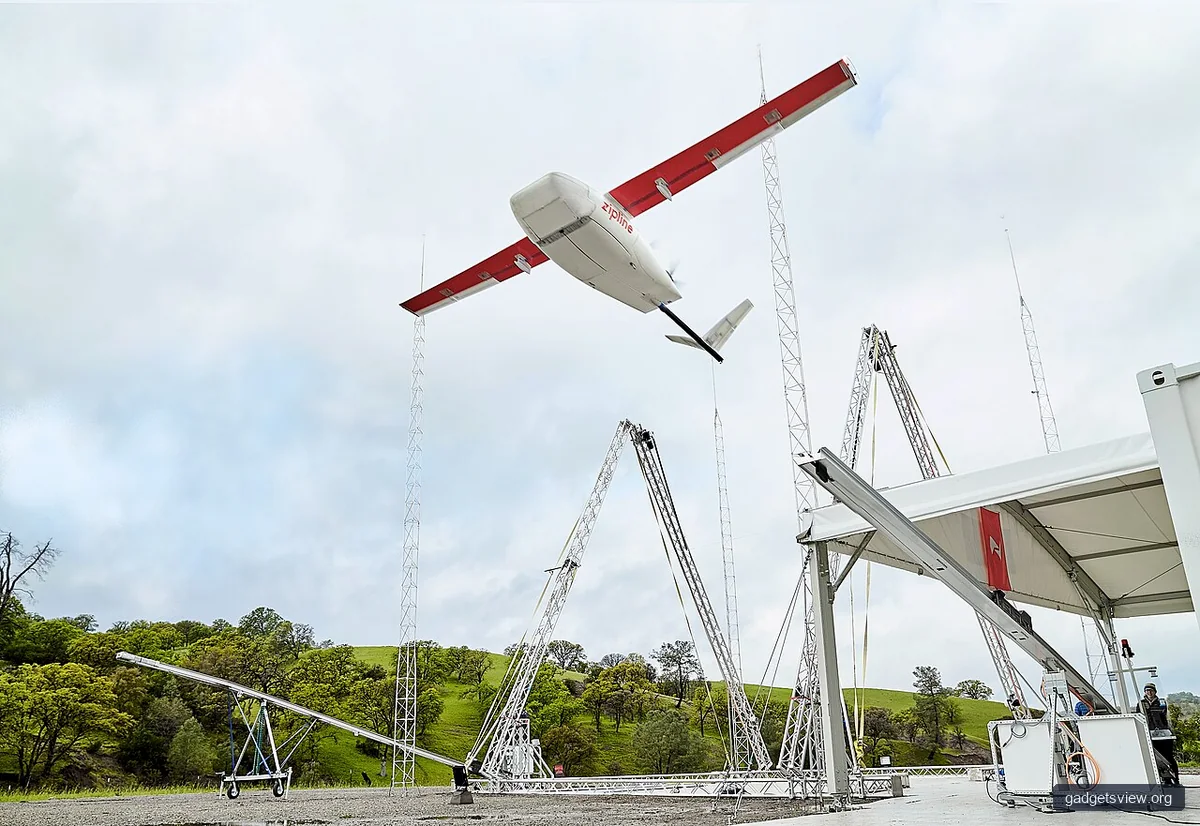
The best purchase starts with the right selection criteria. Do not focus only on sensor size or a flashy spec sheet. A drone that looks powerful on paper may still be a poor fit if it cannot support your workflow or fly safely in your normal conditions.
Use the criteria below to narrow your options before you compare individual models. If a drone fails one of these basics, it is usually not the right choice, no matter how good the marketing sounds.
| Criteria | Why It Matters | What to Look For |
|---|---|---|
| Flight time | Affects how much work you can finish per battery | Enough endurance for your typical job, plus battery swap support |
| Camera and sensors | Controls image quality and inspection detail | Stabilization, zoom, thermal, low-light, or mapping-grade output if needed |
| Payload support | Needed for specialized sensors or accessories | Compatibility with the tools your workflow requires |
| Obstacle avoidance | Helps reduce crash risk near buildings and structures | Multi-direction sensing, reliable alerts, and sensible flight automation |
| Software and workflow | Affects planning, data capture, and deliverables | Mapping apps, inspection tools, file compatibility, and export support |
| Support and parts | Downtime is expensive in commercial work | Accessible spares, repair options, and a clear support path |
Match the Drone Type to the Job
One of the biggest mistakes buyers make is choosing a drone type that is too broad or too specialized. A high-end platform may be unnecessary for simple photo jobs, while a lightweight consumer-style drone may fall short for industrial work.
Think of the market in broad categories. This is not about brand names or exact models. It is about choosing the right class of machine for the way you work.
| Drone Type | Strengths | Limitations | Best For |
|---|---|---|---|
| Compact commercial drone | Portable, quick to deploy, easier to transport | Less payload flexibility and shorter endurance than larger systems | Real estate, basic inspections, solo operators |
| Mid-size professional drone | Balanced performance, often better sensors and software | Higher cost and more accessories to manage | Inspection, media, mapping, mixed commercial work |
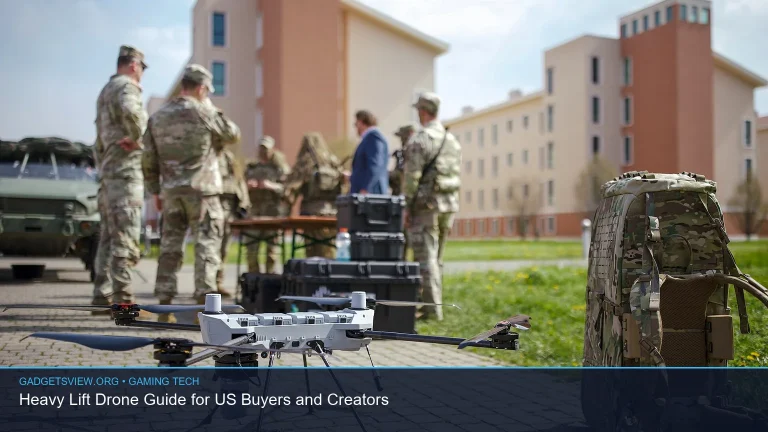
| Heavy-lift or enterprise drone | Greater payload capacity and advanced mission support | More training, more logistics, and a larger budget commitment | Industrial payloads, specialized sensors, public safety |
Who should choose what? If you need a fast, simple setup, a compact commercial drone is often the easiest path. If you need more data quality and mission flexibility, a mid-size professional drone is usually the better balance. If your work depends on specialized payloads or advanced missions, a heavy-lift system makes more sense even if it is harder to manage.
Features That Can Make or Break the Purchase
Many buyers focus on camera resolution alone, but the real value comes from how the drone performs in the field. A useful commercial drone should help you collect clean data, reduce errors, and finish work with fewer re-flights.
1. Flight stability and control
Stable hovering and responsive control matter in tight spaces and windy conditions. For commercial work, smooth handling is not a luxury; it affects the quality of every frame and scan you capture.
2. Imaging tools
For video work, look for strong stabilization and clean motion control. For inspection or mapping, pay attention to sensor behavior, image consistency, and how well the drone supports repeatable captures.
3. Automation and mission planning
Helpful automation can save time on repetitive jobs. Grid flights, waypoint missions, return-to-home behavior, and repeatable camera paths can improve consistency and reduce operator fatigue.
4. Obstacle sensing
Obstacle sensing is useful, but it is not magic. It can help reduce risk around trees, poles, walls, and buildings, yet it should never replace careful flight planning and visual awareness.
5. Remote ID, firmware, and software support
For U.S. buyers, compliance matters. Confirm the drone supports current FAA requirements, including Remote ID where applicable, and check whether the manufacturer still provides software updates and support. If you depend on the drone for paid work, long-term support matters as much as hardware quality.
How to Buy a Commercial Drone in 2026
If you want a practical buying process, use a simple step-by-step approach. This helps you avoid impulse buys and keeps the decision grounded in real operational needs.
- Define the job. Write down the main task, the typical environment, and the data you need to deliver.
- List must-have features. Separate essential needs from nice-to-have extras.
- Check legal and operational rules. Review FAA requirements, Remote ID, and any local or industry limits before purchase.
- Estimate total cost of ownership. Include batteries, chargers, cases, licensing, software, and spare parts.
- Compare workflow fit. Make sure the drone works with the apps, export formats, and deliverable types you use.
- Confirm support availability. Look for repair paths, parts access, and documentation that will still matter after the sale.
One caution: do not buy only for the highest listed specs. A drone with excellent camera hardware but weak support or poor software integration may slow you down more than a simpler system.
Common Mistakes Buyers Should Avoid
Commercial buyers often run into the same problems. Most are easy to avoid once you know what to watch for.
- Buying for the camera alone: Image quality matters, but mission fit matters more.
- Ignoring battery workflow: Short flights with poor battery planning can stall a workday.
- Overlooking software: Data collection is only half the job. You also need usable output.
- Skipping compliance checks: A great drone is not useful if it cannot be flown as intended.
- Underestimating training: Safer, better flights come from practice and clear procedures.
Quick Decision Table: Which Buyer Profile Fits Best?
| Buyer Profile | Best Choice | Why |
|---|---|---|
| Solo real estate creator | Compact commercial drone | Portable, quick to set up, and easier to manage |
| Inspection contractor | Mid-size professional drone | Better balance of image quality, stability, and mission tools |
| Survey or mapping operator | Professional drone with strong software support | Accuracy, consistency, and export workflow matter most |
| Public safety or enterprise team | Heavy-lift or advanced enterprise platform | Specialized payloads and mission flexibility are often required |
FAQs About Buying a Commercial Drone
Do I need a license to fly a commercial drone in the U.S.?
In many cases, yes. Commercial drone operations in the U.S. usually fall under FAA rules that may require a Part 107 remote pilot certificate. Always verify current FAA requirements before buying, since rules and exceptions can change.
Is a more expensive commercial drone always better?
No. A more expensive drone may offer more capability, but only if your work needs it. The best choice is the one that fits your use case, your workflow, and your budget for accessories and support.
Should I choose a drone with thermal imaging?
Only if your work calls for it. Thermal is useful for inspections, search operations, and some industrial tasks, but it is unnecessary for many photo and video jobs.
How important is software compared with hardware?
Very important. Hardware captures the data, but software helps you plan flights, collect consistent results, and turn that data into a useful deliverable. For many commercial buyers, software support is one of the biggest long-term value factors.
What should I verify before making a final purchase?
Check current FAA compliance, Remote ID support, battery availability, spare parts, software compatibility, and whether the drone matches your exact job. If current specifications need verification, confirm them directly with the manufacturer or an authorized seller.
Conclusion
Buying a commercial drone in 2026 comes down to fit, not flash. Start with your job, match the drone class to that job, and compare the features that affect real work: flight time, imaging, safety tools, software, and compliance. If you verify the rules, total cost, and support before you buy, you will make a much better decision.
Next, narrow your needs into a short checklist, compare a few suitable models, and confirm current specs with the manufacturer. That simple process will help you choose a drone that is practical, legal, and ready for business.