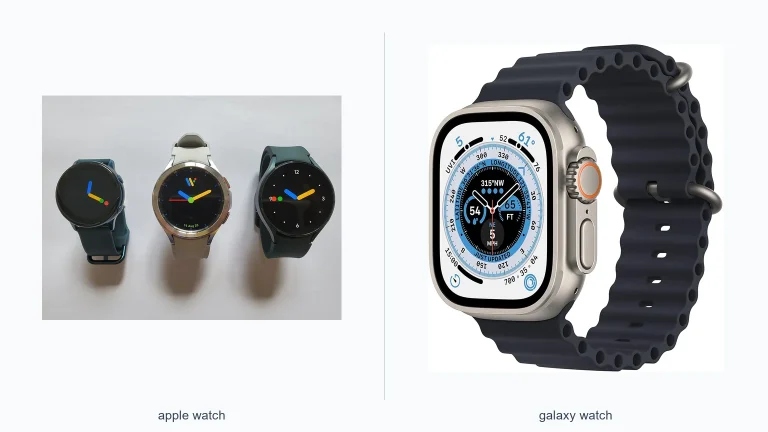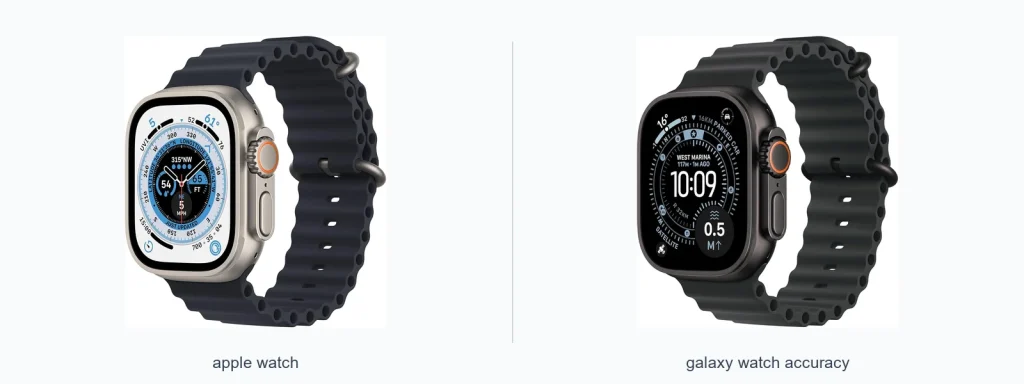
If you are comparing Apple Watch vs Galaxy Watch accuracy, the short answer is this: Apple Watch usually has the edge for fitness and health tracking accuracy, especially for heart rate and workout consistency, while Galaxy Watch can still be very good and may suit Android users better overall. The better choice depends on your phone, your health goals, and which metrics matter most to you. Below, we break down where each watch tends to perform well, where accuracy can vary, and how to choose the right one for your needs.
📖 Table of Contents
- Apple Watch vs Galaxy Watch Accuracy: The Big Picture
- How Accuracy Is Usually Judged on Smartwatches
- Comparison Table: Apple Watch vs Galaxy Watch Accuracy
- Where Apple Watch Usually Has the Accuracy Edge
- Where Galaxy Watch Can Be a Smart Choice
- Which Metrics Matter Most in Real Life?
- How to Get Better Accuracy From Either Watch
- Who Should Choose Apple Watch, and Who Should Choose Galaxy Watch?
- FAQ
- Conclusion
📌 Key Takeaways
- Apple Watch is generally the stronger pick for accuracy in heart rate, activity tracking, and overall health data consistency.
- Galaxy Watch is a solid alternative, especially for Android users who want strong smartwatch features with decent tracking accuracy.
- Accuracy can change by metric; sleep, calories, GPS, and heart rate may not all perform the same on either watch.
- Your phone ecosystem matters because the best watch for you is not only about accuracy, but also app support and daily convenience.
Apple Watch vs Galaxy Watch Accuracy: The Big Picture
When people ask about apple watch vs galaxy watch accuracy, they usually mean fitness and health tracking. That includes heart rate, step count, sleep tracking, GPS, and workout data. In general, Apple Watch has built a stronger reputation for consistency across these areas.
That does not mean Galaxy Watch is inaccurate. It can still deliver useful data for most users, especially for general wellness and casual workouts. The key point is that both watches estimate rather than measure everything perfectly, so the best one is the one that is most reliable for your routine.
How Accuracy Is Usually Judged on Smartwatches
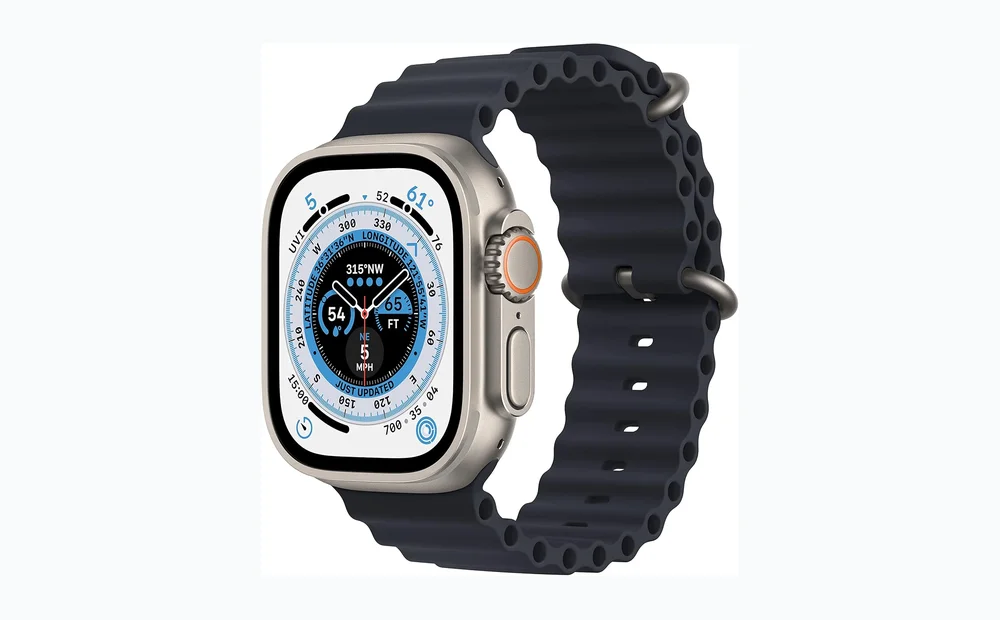
Smartwatch accuracy is not one single test. Different sensors and algorithms are involved, and each one can behave differently based on fit, movement, skin contact, and workout type. A watch can be good at one metric and weaker at another.
Here are the main areas people should look at:
- Heart rate: How closely the watch tracks your pulse during rest and exercise.
- Step count: How well it detects walking and daily movement.
- GPS: How accurately it records distance, pace, and route outdoors.
- Sleep tracking: How well it estimates time asleep, awake periods, and sleep stages.
- Calories burned: A rough estimate based on motion, heart rate, and personal profile data.
For most users, the most useful question is not “Which watch is perfect?” It is “Which one gives the most dependable trend data over time?” That matters more than small differences in any single workout.
Comparison Table: Apple Watch vs Galaxy Watch Accuracy
| Category | Apple Watch | Galaxy Watch |
|---|---|---|
| Heart rate tracking | Usually more consistent | Often good, but can vary more by fit and activity |
| Workout tracking | Strong across many workout types | Solid for general fitness use |
| GPS | Typically dependable for outdoor tracking | Can be accurate, but results may vary more |
| Sleep tracking | Useful for trends and routines | Also useful, with feature depth depending on model and software |
| Best ecosystem fit | Best for iPhone users | Best for Android users |
Where Apple Watch Usually Has the Accuracy Edge
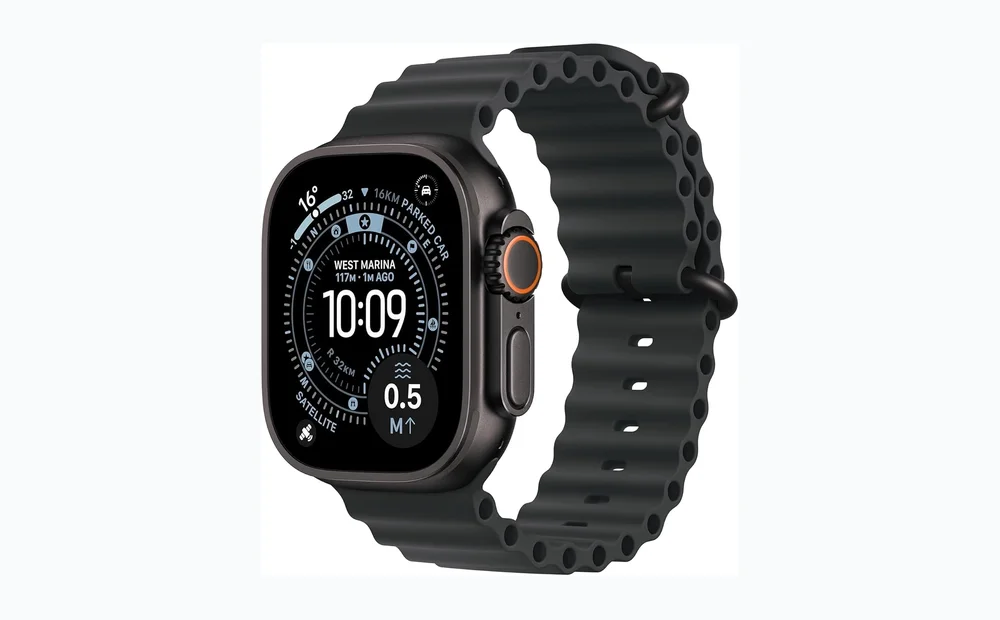
Apple Watch tends to stand out in heart rate consistency and workout tracking. That matters because many health and fitness features depend on heart rate data. If the sensor data is stable, then calorie estimates, exercise zones, and workout summaries tend to be more useful.
Apple also benefits from tight hardware and software integration. That can help make tracking feel smoother and more consistent during everyday use. For many users, that consistency is what makes the watch feel more trustworthy.
Strengths to know
- Heart rate performance: Often seen as one of the Apple Watch’s strongest areas.
- Workout detection: Good for common exercise types like walking, running, cycling, and gym sessions.
- Ecosystem integration: Works especially well with iPhone and Apple Health.
Limitations to keep in mind
- Best with iPhone: It is not a flexible choice if you use Android.
- Not flawless: Wrist-based tracking still has limits, especially with loose fit or high-intensity movement.
- Some metrics are estimates: Calories and sleep stages should be treated as trends, not medical facts.
Where Galaxy Watch Can Be a Smart Choice
Galaxy Watch accuracy is often good enough for most people who want a dependable smartwatch for everyday fitness tracking. It can handle steps, workouts, and general health data well, and it is usually the better choice if you use an Android phone. For many buyers, that ecosystem fit matters more than small differences in sensor performance.
Galaxy Watch can also appeal to users who want strong smartwatch features beyond fitness. If you care about notifications, apps, and convenience as much as workout data, it can be a practical option. The key is to set expectations correctly: it is useful and capable, but not always as consistently praised for accuracy as Apple Watch.
Strengths to know
- Android-friendly: A natural fit for Samsung and other Android phone users.
- Good general tracking: Works well for everyday steps and workouts.
- Useful feature mix: Offers a balance of smartwatch features and wellness tools.
Limitations to keep in mind
- Accuracy can vary more: Especially for heart rate during intense or irregular motion.
- Best experience depends on Android: It is not the best option if you use an iPhone.
- Results still need context: Like any wrist tracker, readings are not medical-grade.
Which Metrics Matter Most in Real Life?
Not all users care about the same data. A runner may care most about GPS pace and heart rate during intervals. A casual user may care more about step count, notifications, and battery convenience. That is why the “best” watch depends on how you plan to use it.
If you want the most dependable workout trends, Apple Watch usually has the edge. If you want a strong smartwatch that fits the Android world, Galaxy Watch remains a very reasonable choice. The gap is often more about consistency than total usefulness.
Selection criteria to use before buying
- Phone type: iPhone or Android should narrow the choice fast.
- Workout style: Running, gym training, hiking, cycling, or casual walking all stress sensors differently.
- Health priorities: Heart rate trends, sleep, and activity rings may matter more to some users than others.
- Comfort and fit: A watch that sits properly on the wrist usually tracks better.
How to Get Better Accuracy From Either Watch
Even the best smartwatch can give poor readings if it is worn badly or used in the wrong way. Fit, skin contact, and software updates all matter. A simple adjustment can improve your results more than switching brands.
- Wear the watch snugly, but not so tight that it is uncomfortable.
- Keep the sensor area clean so sweat and dirt do not interfere.
- Use the correct workout mode when starting exercise.
- Update the software regularly so sensor algorithms stay current.
- Check your profile data such as age, height, weight, and dominant hand if required.
A few cautions are worth noting. Wrist-based tracking can struggle during fast arm movement, loose straps, tattoos, or very intense intervals. If accuracy is critical for training, compare watch data with a chest strap or other external tool when possible.
Who Should Choose Apple Watch, and Who Should Choose Galaxy Watch?
Choose Apple Watch if you use an iPhone and want the strongest overall case for accuracy, especially for heart rate and workout tracking. It is the safer pick if your top priority is getting more consistent health data from a wrist device.
Choose Galaxy Watch if you use Android and want a well-rounded smartwatch with good everyday tracking. It is the better fit for many Android users, even if Apple Watch often has the edge in accuracy comparisons.
In simple terms, Apple Watch is usually the better choice for accuracy. Galaxy Watch is often the better choice for Android compatibility and convenience. The right answer depends on whether you value tracking precision or platform fit more.
FAQ
Is Apple Watch more accurate than Galaxy Watch for heart rate?
In many comparisons, Apple Watch is considered more consistent for heart rate tracking. That said, both watches can still be useful for general fitness, and fit on the wrist can affect results a lot.
Which is better for sleep tracking accuracy?
Neither watch should be treated as a medical sleep monitor. Both are better for spotting patterns over time than for giving perfectly exact sleep stage data.
Does Galaxy Watch work well for running?
Yes, Galaxy Watch can work well for running and other outdoor workouts. GPS and heart rate readings can be useful, but runners who want the most consistent data may still prefer Apple Watch on iPhone.
Can smartwatch accuracy replace medical devices?
No. Smartwatches are designed for consumer wellness tracking, not medical diagnosis. If you have a health concern, use approved medical devices and talk with a clinician.
What is the biggest factor affecting accuracy?
Fit is one of the biggest factors. A watch that is worn too loose, too low on the wrist, or inconsistently during workouts may give weaker readings on either platform.
Conclusion
For most readers, Apple Watch vs Galaxy Watch accuracy comes down to a simple answer: Apple Watch usually wins on tracking consistency, while Galaxy Watch is still a strong and practical choice for Android users. If you care most about fitness data quality and use iPhone, Apple Watch is the better fit. If you use Android and want a capable smartwatch with good enough accuracy for everyday use, Galaxy Watch is likely the smarter match.
Before you buy, focus on your phone, your workout habits, and the metrics that matter most. That will lead you to the watch that works best in real life, not just on paper.