If you want to build a home office that can handle podcasts, voiceovers, music demos, or content creation, the right recording studio equipment matters more than a fancy room. The best setup depends on what you record, how much space you have, and how much control you want over sound quality. In this guide, you’ll find the most useful gear for a home recording setup, how each piece fits together, and which options make the most sense for different budgets and use cases.
📖 Table of Contents
- What counts as the best recording studio equipment for a home office?
- The core recording studio equipment every home office should have
- Best gear by use case: podcasting, voice, and music
- How to build a home recording studio kit step by step
- Bundle vs. separate gear: which is better?
- What to look for before you buy recording studio equipment
- FAQ
- Conclusion
Products mentioned
- G10 Podcast Equipment Bundle with Audio Mixer & Mic for Streaming&Recording
View current product details - PreSonus AudioBox 96 USB Interface Recording Bundle with Eris 3.5 Studio Monitors, Condenser Microphone, Isolation Shield, HAS-10 Headphones, Stands, Cables and
View current product details
Availability, specifications, and prices can change; verify them on the product page.
📌 Key Takeaways
- Start with the basics: a microphone, audio interface, headphones, and a quiet recording space.
- Choose gear based on your goal. Voice recording, podcasting, and music production do not need the same setup.
- An all-in-one home recording studio kit can save time, but separate pieces often give better upgrade flexibility.
- For most home offices, the best value comes from reliable audio recording equipment, not the most expensive gear.
What counts as the best recording studio equipment for a home office?
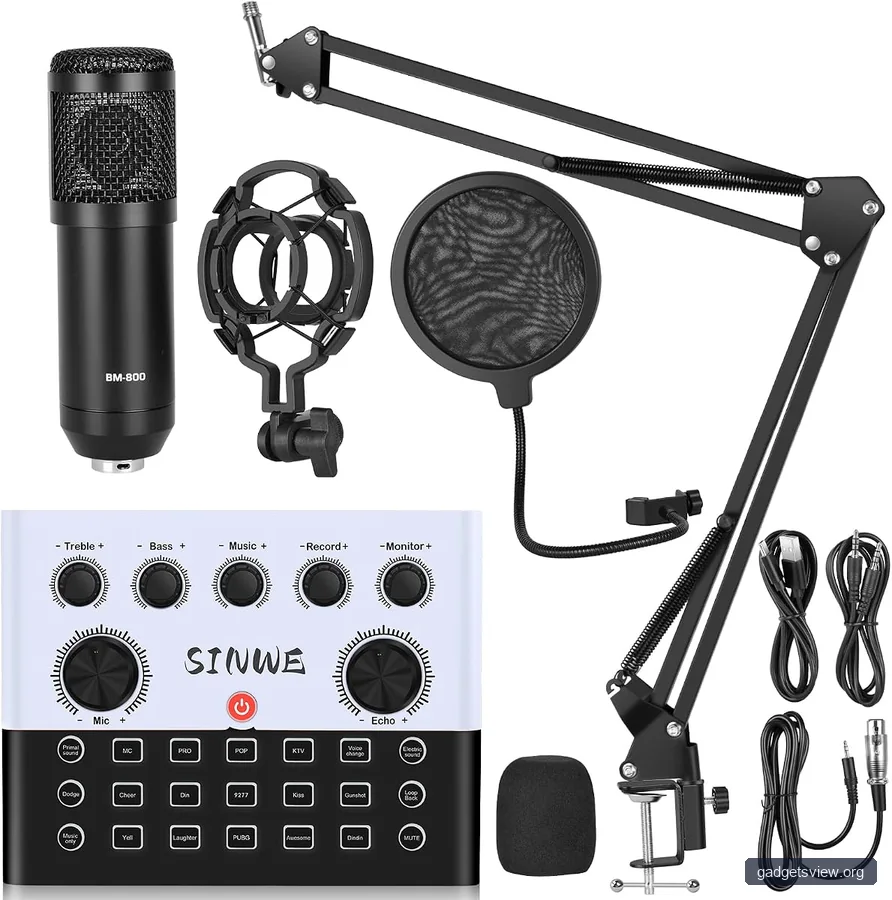
The best recording studio equipment for a home office is the gear that gives you clean sound, simple setup, and room to grow. For many people, that starts with a USB or XLR microphone, an interface if needed, closed-back headphones, and basic acoustic treatment. If you plan to make music, you may also need studio monitors, a MIDI controller, and software for recording and mixing.
The key is to match the setup to the job. A solo podcaster needs different home studio equipment than someone building a full music recording studio equipment setup for demos, vocals, and instruments. If you buy only for the future and ignore your current needs, you may overspend and still miss the gear that helps most today.
Quick selection criteria
- Recording goal: voice, podcast, music, livestreaming, or hybrid use.
- Connection type: USB for simplicity, XLR for more upgrade options.
- Room size: desk-friendly gear works better in tight home offices.
- Noise control: headphones and acoustic panels matter more than many beginners expect.
- Expansion: choose gear that can grow with your workflow.
The core recording studio equipment every home office should have
Most home setups need the same core pieces of equipment for sound recording. These are the items that have the biggest effect on clarity and consistency. If you are building home recording studio equipment from scratch, begin here before adding extras.
1. Microphone
A microphone is the heart of any setup. For voice work and podcasting, a dynamic mic can help reduce room noise, while a condenser mic can capture more detail in a treated space. For music and vocals, many creators prefer condenser microphones because they can sound open and clear, but they also pick up more room noise.
2. Audio interface
An audio interface connects your microphone and instruments to your computer. It improves signal quality and gives you better control over gain, monitoring, and input choices. If you plan to use XLR gear, an interface is one of the most important pieces of music recording gear or home recording studio equipment.
3. Headphones
Closed-back headphones are a smart choice for tracking and editing because they help keep sound from leaking into the mic. They are especially useful in a home office where noise can bounce around the room. Good headphones are often better than cheap speakers when you are starting out.
4. Monitors or speakers
Studio monitors are not required for every beginner, but they help when you want a more accurate playback reference. They are useful for mixing and balancing tracks. In a small office, compact monitors can be a practical upgrade once your recording basics are covered.
5. Mic stand, cable, and pop filter
These small items are easy to overlook, but they improve usability and recording quality. A stable stand helps with positioning, a decent cable helps maintain a clean signal, and a pop filter reduces harsh plosive sounds. For many buyers, these are part of the real-world recording studio gear that makes daily recording easier.
Best gear by use case: podcasting, voice, and music
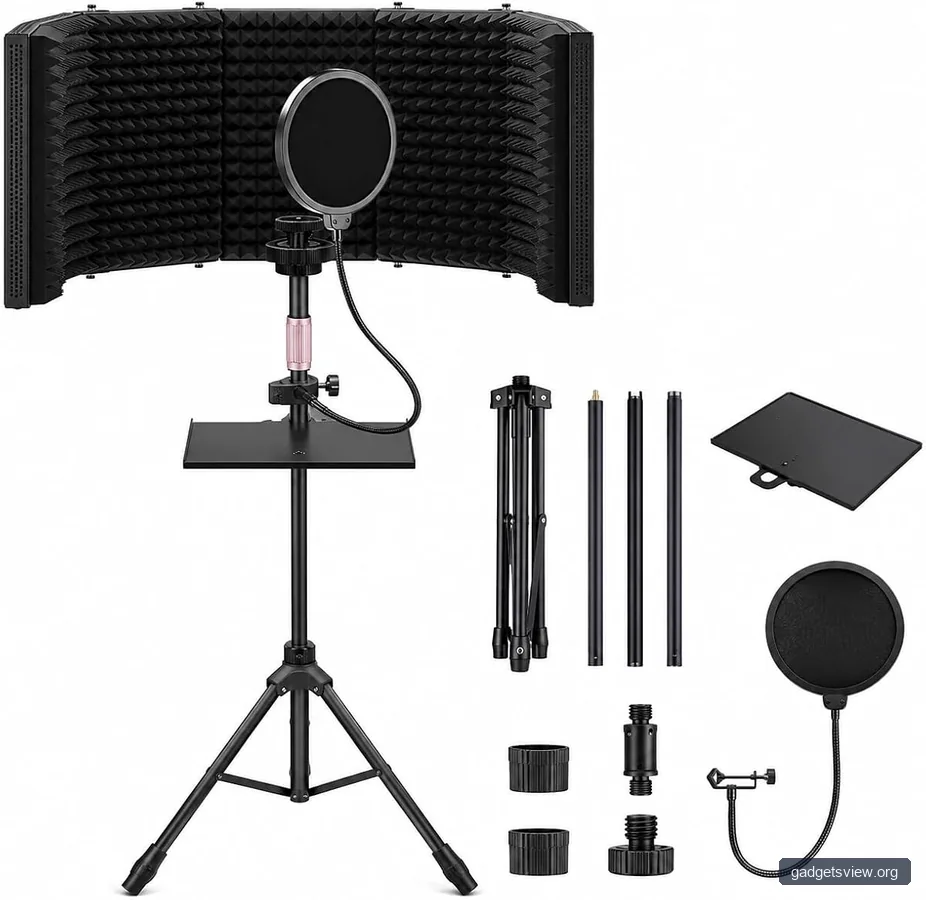
The right equipment home recording setup depends on what you are making. Some users need a streamlined package for speech. Others need flexible gear for vocals, instruments, and editing. Below is a simple comparison to help you decide what type of setup fits your work.
| Use case | Best gear approach | Strengths | Limitations |
|---|---|---|---|
| Podcasting | Dynamic mic, interface or mixer, headphones, simple acoustic treatment | Easy speech capture, less room noise | Less detailed for music |
| Voiceover | Condenser or dynamic mic, interface, pop filter, isolation help | Clear, polished vocal sound | Needs a quieter room |
| Music production | Interface, mic, monitors, headphones, MIDI controller, DAW | Flexible for recording and mixing | More setup time and desk space |
| Streaming plus recording | Mixer bundle or interface bundle with mic and headphones | Convenient all-in-one workflow | Bundle quality can vary by item |
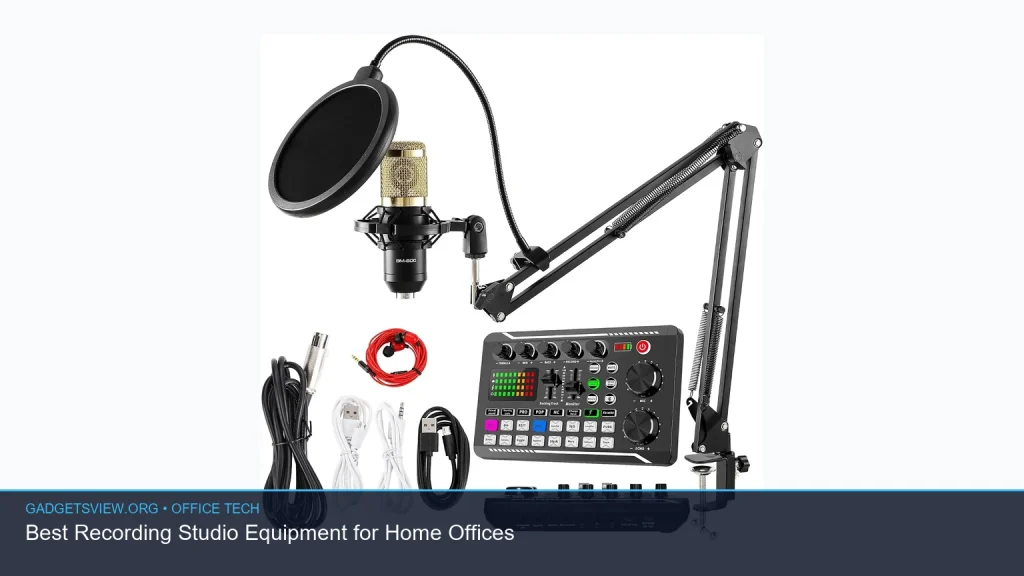
For podcasting or live streaming, a bundle like the G10 Podcast Equipment Bundle with Audio Mixer & Mic for Streaming&Recording may be worth considering if you want an easier start. For a more traditional entry into music recording studio equipment, a bundle such as the PreSonus AudioBox 96 USB Interface Recording Bundle with Eris 3.5 Studio Monitors, Condenser Microphone, Isolation Shield, HAS-10 Headphones, Stands, Cables and can appeal to buyers who want several essentials in one package. As always, check the current listing details before you buy recording gear, since bundle contents can change.
How to build a home recording studio kit step by step
If you are assembling a home recording studio kit, start with the smallest setup that does the job well. That prevents clutter and helps you learn what matters most before you spend more. A clean, simple system is often better than a crowded desk full of unused equipment.
- Pick your main recording purpose. Decide whether you need a voice setup, music setup, or mixed-use station.
- Choose your microphone type. Dynamic mics are often better in untreated rooms, while condensers can sound more detailed in controlled spaces.
- Add an interface or mixer. Use an interface for better recording quality and future flexibility.
- Set up headphones and monitoring. Closed-back headphones help while recording; monitors help when editing or mixing.
- Improve the room. Use a desk layout that keeps the mic away from noise sources, and add acoustic treatment if possible.
- Install your software. A DAW is part of most modern music production gear setups.
- Test and adjust. Do a short recording, listen back, and fix levels, mic placement, and background noise.
Common mistakes to avoid
- Buying a powerful mic before fixing a noisy room.
- Using speakers when headphones would reduce bleed and feedback.
- Choosing a bundle without checking whether each item fits your workflow.
- Ignoring cables, stands, and mounts, which affect daily use.
Bundle vs. separate gear: which is better?
Many buyers compare bundles with individual pieces of equipment for music studio or voice work. Bundles are attractive because they save time and usually include the basics you need to get started. Separate purchases give you more control, but they require more research.
| Option | Best for | Pros | Cons |
|---|---|---|---|
| Bundle | Beginners, fast setup, tight schedules | Convenient, fewer compatibility worries | You may not want every included item |
| Separate gear | Creators with specific needs | Better customization and upgrade path | More research, more decisions |
Who should choose what? If you want speed and simplicity, choose a bundle. If you care about long-term flexibility and already know your sound goals, build piece by piece. For many home office users, a bundle is a solid starting point, then individual upgrades make sense later.
What to look for before you buy recording studio equipment
When you buy recording gear, the most important factor is not the brand name alone. It is how well the equipment matches your room, your voice, your workflow, and your computer. A good purchase should make recording easier, not more complicated.
- Compatibility: check whether the gear works with your computer and software.
- Room fit: make sure the size of the setup matches your desk and office space.
- Signal needs: if you use XLR, you need an interface or mixer.
- Monitoring: confirm that headphones or monitors suit your recording style.
- Upgrade path: choose gear that lets you add better mics, speakers, or accessories later.
It also helps to think in terms of workflow. If you need to record quickly for content or business use, streamlined music recording equipment may be better than a complex studio layout. If your goal is detailed production, then more flexible equipment home recording choices can make a real difference over time.
FAQ
What is the most important recording studio equipment for a beginner?
The most important items are a microphone, an audio interface if you use XLR, closed-back headphones, and a quiet space. That core setup covers most home office recording needs and gives you a solid base for future upgrades.
Is a home recording studio kit better than buying pieces separately?
A home recording studio kit is often better for beginners who want convenience and fewer compatibility decisions. Buying separately is better if you already know what sound you want or plan to upgrade one piece at a time.
Do I need studio monitors for a home office setup?
Not always. If you mainly record voice or podcasts, headphones may be enough at first. Studio monitors become more useful when you start mixing music or need a more accurate listening reference.
What is the difference between audio recording equipment and music recording equipment?
Audio recording equipment is a broad term that includes gear for voice, podcasts, instruments, and more. Music recording equipment usually refers to setups that support vocals, instruments, monitoring, and production software for songs or demos.
How do I know which recording studio gear is right for my room?
Start by measuring your space and identifying noise sources like fans, windows, or keyboards. In a small or untreated room, simpler gear and a dynamic mic may work better than a sensitive condenser setup.
Conclusion
The best recording studio equipment for a home office is the setup that fits your goals, your room, and your budget. Start with the essentials, choose gear that matches your use case, and upgrade only where you hear the biggest improvement. If you are comparing bundles, review the current product details carefully before you buy recording gear, then build out the rest of your studio one smart piece at a time.