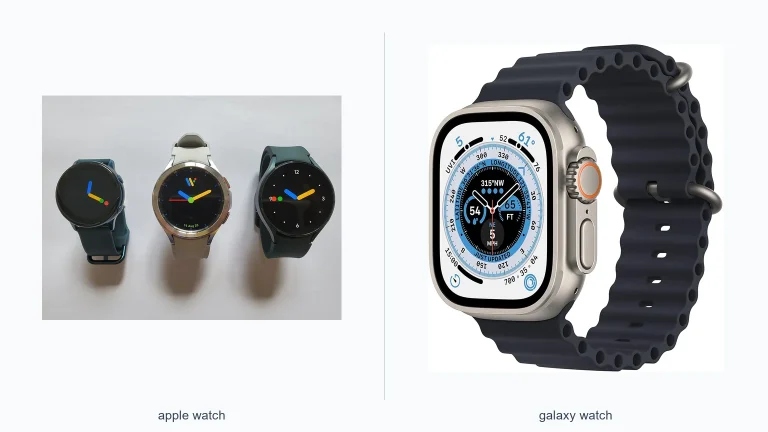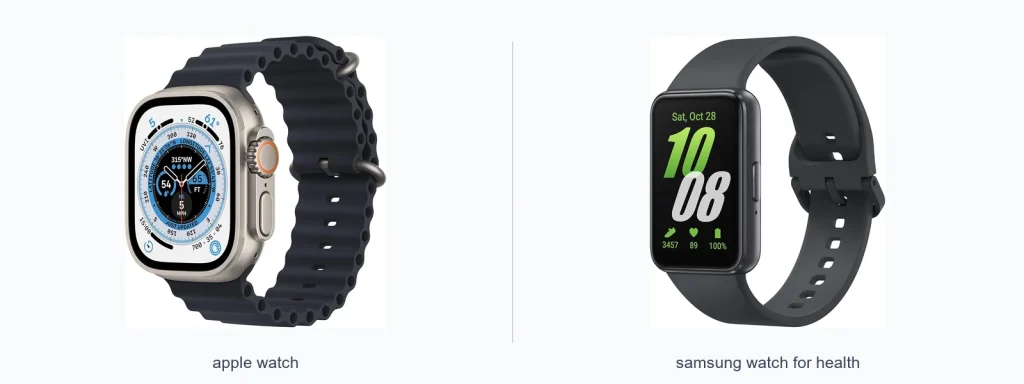
If you’re trying to decide between Apple and Samsung for health tracking, the short answer is this: Apple Watch is usually the better pick for iPhone users who want the most polished health ecosystem, while Samsung Watch is the stronger option for Android users who want broad health tracking with tighter Samsung phone integration. When comparing apple watch vs samsung watch for health in 2026, the best choice depends less on brand hype and more on your phone, your health goals, and how much you value medical-style insights versus flexible wellness tracking.
📖 Table of Contents
- Apple Watch vs Samsung Watch for Health: The Quick Verdict
- What “Health” Really Means on a Smartwatch
- Apple Watch Health Strengths in 2026
- Samsung Watch Health Strengths in 2026
- Health Feature Comparison: Which Watch Does What Better?
- Selection Criteria: How to Choose the Right Watch for Your Health Goals
- Who Should Choose Apple Watch vs Samsung Watch for Health?
- FAQ
- Conclusion
Products mentioned
- aeac Smart Watch for Women, AMOLED Ultra-Clear Screen Activity Trackers with Heart Rate/Sleep/SpO2 Monitor, Smartwatch for iPhone/Samsung/Android, 110+ Sport Mo
View current product details
Availability, specifications, and prices can change; verify them on the product page.
📌 Key Takeaways
- Apple Watch is the better health choice for most iPhone owners because its health app ecosystem is deeper and more seamless.
- Samsung Watch is a strong health tracker for Android users, especially if you already use a Samsung phone and Samsung Health.
- Both watches track core metrics like heart rate, sleep, and activity, but the best experience depends on app integration and phone compatibility.
- If you want simple health tracking on a smaller budget, many third-party smartwatches can cover basics, but they usually won’t match the top-tier platforms for health features or consistency.
Apple Watch vs Samsung Watch for Health: The Quick Verdict
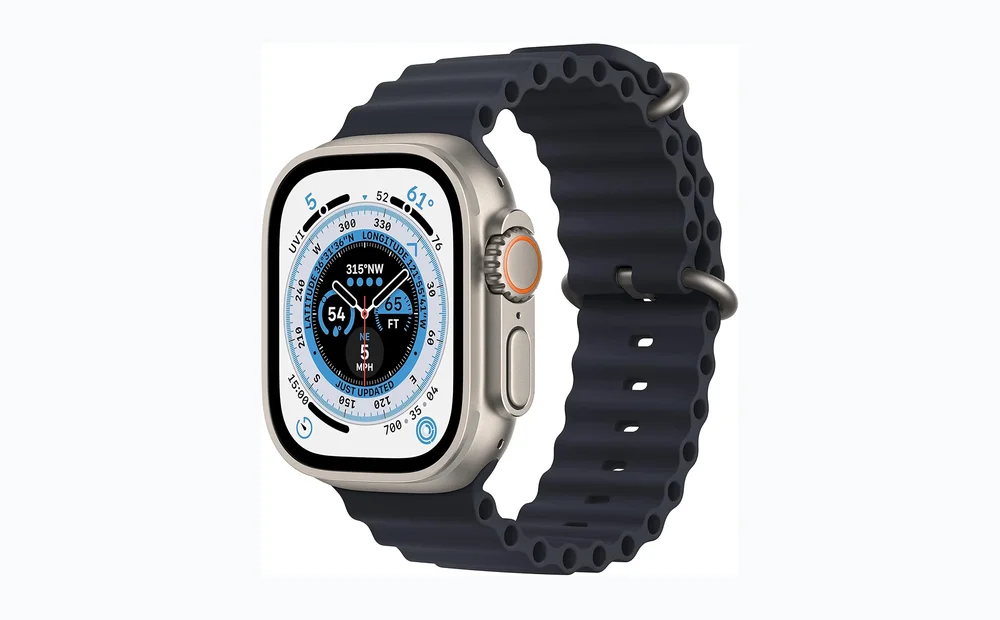
If your main goal is better health tracking, both watches are capable. They can monitor activity, sleep, heart rate, and more advanced wellness features depending on the model and region.
The better watch for you usually comes down to your smartphone. Apple Watch is built for the iPhone, while Samsung Watch works best with Android, especially Galaxy phones. That means the “best health watch” is often the one that fits your phone and daily habits without friction.
| Category | Apple Watch | Samsung Watch |
|---|---|---|
| Best for | iPhone users who want a unified health ecosystem | Android users, especially Samsung phone owners |
| Health app experience | Highly integrated with Apple Health and iPhone apps | Works well with Samsung Health and Android apps |
| Core tracking | Heart rate, sleep, activity, workout tracking, notifications | Heart rate, sleep, activity, workout tracking, notifications |
| Strength | Health ecosystem and consistency | Android flexibility and Samsung integration |
| Main limitation | Not for Android users | Best experience is more phone-dependent |
What “Health” Really Means on a Smartwatch
When people compare smartwatches for health, they usually mean more than step counts. They want sleep insights, heart rate tracking, stress tools, workout summaries, and a simple way to spot trends over time.
That matters because a watch is only useful if you actually wear it and understand the data. A simpler system that you use every day is often better than a more advanced one that feels confusing or disconnected.
Common health features to compare
- Heart rate tracking: Useful during workouts and for spotting unusual trends.
- Sleep tracking: Helps show sleep duration and patterns, though not all sleep data is equally detailed.
- Activity tracking: Counts movement, workouts, and general daily activity.
- SpO2 monitoring: Available on some models and useful as a wellness metric, but not a diagnosis tool.
- Stress or recovery metrics: Can help with daily awareness, though the meaning varies by brand.
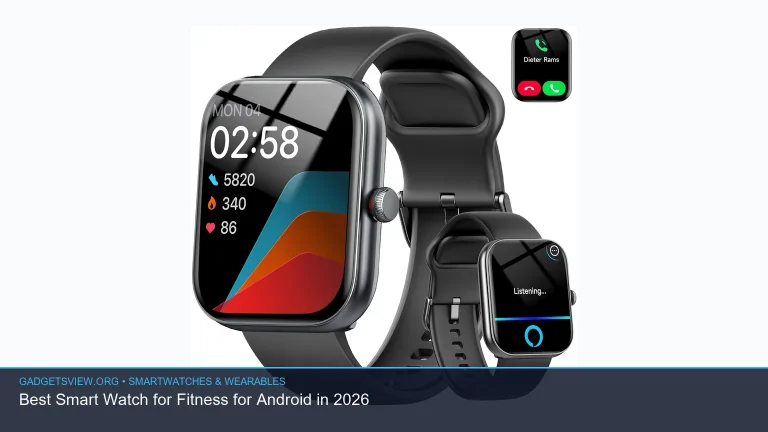
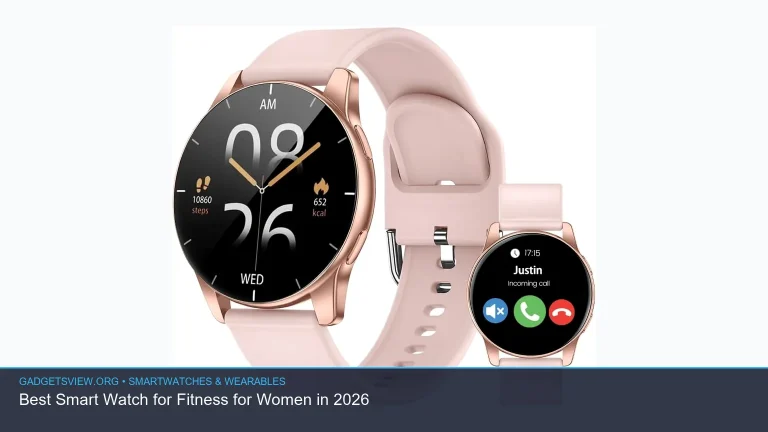
One useful discovery note from product research is that many third-party watches, including models like the aeac Smart Watch for Women, advertise basics such as heart rate, sleep, and SpO2 monitoring. That can be helpful if you only need core health tracking, but it does not replace the deeper platform-level health experience of Apple or Samsung.
Apple Watch Health Strengths in 2026
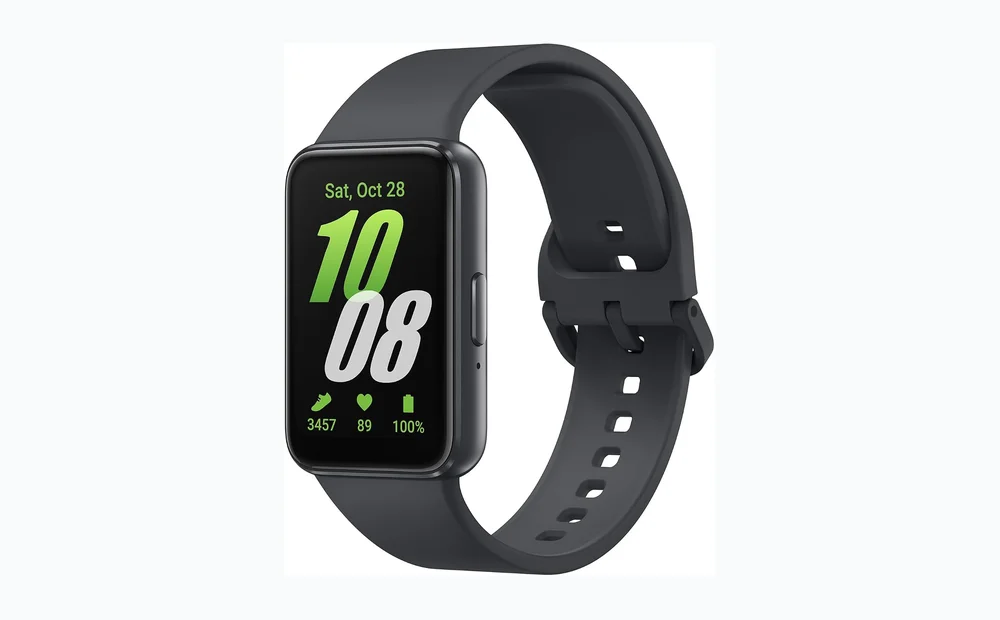
Apple Watch stands out because the health experience feels tightly connected. Data flows into Apple Health, which makes it easier to review trends across time and keep wellness information in one place.
For many users, that simplicity is the big win. Instead of managing separate apps for every metric, the Apple ecosystem tends to keep things organized and easy to follow.
Where Apple Watch is strongest
- Better iPhone integration: Health data, reminders, and notifications feel unified.
- Clear health dashboarding: Apple Health gives a central place for trends.
- Strong everyday usability: The watch is easy to live with, which supports consistency.
- Good app support: Many health and fitness apps are built to work smoothly with Apple’s ecosystem.
Limitations of Apple Watch for health
The biggest limitation is simple: it is not for Android users. If you do not use an iPhone, Apple Watch is not the right choice.
Another limitation is that some health features can vary by model, software version, and region. If you are shopping for a specific feature, it is wise to verify current availability before buying.
Samsung Watch Health Strengths in 2026
Samsung Watch is a strong choice for Android users who want a capable smartwatch with health tracking built around Samsung Health. It works especially well for people already using Galaxy phones or other Samsung services.
For Android shoppers, this can feel more open and flexible than Apple’s closed ecosystem. You still get the essentials, but with broader device compatibility on the Android side.
Where Samsung Watch is strongest
- Best fit for Android: Especially strong for Samsung phone owners.
- Solid health basics: Heart rate, activity, sleep, and workout tracking are core strengths.
- Samsung Health integration: Helpful if you want one place for wellness data.
- More choice for Android users: A practical pick if you do not use iPhone.
Limitations of Samsung Watch for health
Samsung Watch can be excellent, but the experience is more dependent on which Android phone you use. Samsung phone owners usually get the smoothest setup.
As with any smartwatch, some health features may depend on software updates, regional support, or device pairing requirements. It is worth checking current compatibility before you buy.
Health Feature Comparison: Which Watch Does What Better?
For most shoppers, the right choice comes down to the kind of health tracking they care about most. If you want a simpler decision, start with the phone you already own, then compare the health software experience.
| Health Need | Better Fit | Why |
|---|---|---|
| Daily health tracking with an iPhone | Apple Watch | Tighter integration with Apple Health and iPhone workflows |
| Daily health tracking with Android | Samsung Watch | Better fit for Android users, especially Samsung owners |
| Simple sleep and activity logs | Either | Both cover the basics well enough for most users |
| Best app ecosystem for health data | Apple Watch | Apple Health is often the cleaner central hub |
| Best Android smartwatch health option | Samsung Watch | More natural choice for Android users |
Selection Criteria: How to Choose the Right Watch for Your Health Goals
Instead of asking which watch is “better” in general, ask which one is better for your setup. A watch only helps if it fits your phone, your routines, and the kind of data you actually want to use.
- Check your phone first. iPhone users should start with Apple Watch. Android users should start with Samsung Watch.
- Decide which health data matters most. If you mainly want sleep, activity, and heart rate, both brands can do the job.
- Think about app comfort. If you want one central place to see trends, Apple Health or Samsung Health may matter more than hardware alone.
- Consider how often you will wear it. The best health watch is the one you keep on your wrist all day and night.
- Verify current feature support. Some health tools change by region, model, and software update.
Who Should Choose Apple Watch vs Samsung Watch for Health?
Choose Apple Watch if you use an iPhone and want the most seamless health experience. It is the more natural pick for users who like a tidy ecosystem and plan to use the watch as part of a broader Apple setup.
Choose Samsung Watch if you use Android, especially a Samsung Galaxy phone, and want a health-focused smartwatch that fits your existing device life. It is the more practical and comfortable option for Android households.
Choose neither only if you want basic health tracking and do not care much about ecosystem depth. In that case, a simpler smartwatch may be enough, but you should accept that the health experience will likely be less refined.
FAQ
Is Apple Watch better than Samsung Watch for health?
For iPhone users, yes, Apple Watch is usually the better health option because the software experience is more unified. For Android users, Samsung Watch is usually the better match. The best choice depends on your phone first.
Can Samsung Watch work well for sleep and heart rate tracking?
Yes, Samsung Watch can handle the core health basics well, including sleep and heart rate. It is a strong option if you want those features on Android, especially with Samsung Health.
Is Apple Watch worth it if I only want basic health tracking?
It can be, especially if you already use an iPhone and want a simple, reliable health dashboard. If you only want the basics, though, a less expensive watch may cover your needs.
Do these watches replace medical devices?
No. Smartwatches are useful for wellness tracking and trend spotting, but they are not a substitute for medical equipment or professional care. If a reading seems unusual or you have symptoms, speak with a healthcare professional.
Should I buy a third-party smartwatch instead?
Third-party watches can be fine for basic tracking. For example, products like the aeac Smart Watch for Women list features such as heart rate, sleep, and SpO2 monitoring, which may suit casual users. But if health software depth and ecosystem quality matter most, Apple and Samsung are usually the safer picks.
Conclusion
In the Apple Watch vs Samsung Watch for health debate, the best answer is simple: Apple Watch is best for iPhone users, and Samsung Watch is best for Android users. Both can support a healthier routine, but the real advantage comes from choosing the watch that fits your phone and your daily habits.
If you are ready to decide, start by checking your phone, then compare the health app experience you prefer. That one step will usually point you to the right smartwatch fast.