
Speaker Wire Gauge Buying Guide 2026
May 24, 2026
[FEATURED_IMAGE_PLACEOCLICK]
When it comes to building or upgrading your home audio system, most people focus on the big-ticket items: the speakers, the amplifier, the receiver. But one critical component often gets overlooked—speaker wire. While it might seem like a simple cable, choosing the right speaker wire gauge can make a noticeable difference in sound quality, system efficiency, and long-term reliability. Whether you’re setting up a modest bookshelf speaker setup in your living room or wiring a high-powered surround sound system for a dedicated home theater, understanding speaker wire gauge is essential.
This comprehensive buying guide is designed to demystify speaker wire gauge and help you make an informed decision in 2026. You’ll learn how wire gauge affects performance, what factors to consider when shopping, common pitfalls to avoid, and how to match your wire choice to your specific audio setup. We’ll also break down price ranges, compare different types of speaker wire, and provide expert tips to ensure you get the best value for your investment. With so many options on the market—from budget-friendly bulk spools to audiophile-grade oxygen-free copper cables—it’s easy to feel overwhelmed. But by the end of this guide, you’ll have the knowledge and confidence to choose the perfect speaker wire for your needs.
The speaker wire market in 2026 continues to evolve, with innovations in conductor materials, insulation types, and connector compatibility. Brands like Monoprice, Mediabridge, AmazonBasics, and high-end manufacturers like AudioQuest and Nordost offer a wide range of options catering to every budget and performance level. Whether you’re a casual listener, a home theater enthusiast, or a professional installer, this guide will help you navigate the landscape and avoid overspending on unnecessary features or underspending on subpar cables that could bottleneck your system’s potential.

What to Look for When Buying Speaker Wire
1. Wire Gauge (AWG)
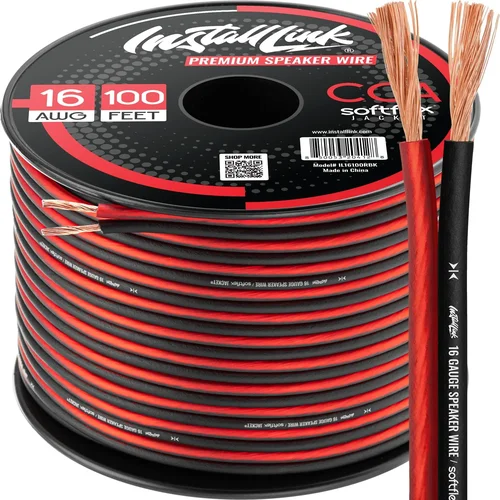
The most important factor when selecting speaker wire is the gauge, measured in American Wire Gauge (AWG). Lower AWG numbers indicate thicker wire, which can carry more current with less resistance. For most home audio setups, 14 to 16 AWG is sufficient. However, if you’re running long cable runs (over 50 feet) or powering high-wattage speakers, consider 12 AWG for reduced signal loss. Thicker wire minimizes resistance, especially over distance, ensuring your amplifier delivers full power to your speakers without degradation.
2. Conductor Material
Copper is the standard conductor material due to its excellent conductivity and affordability. Look for “oxygen-free copper” (OFC) or “high-strand count” copper for better performance and durability. Avoid copper-clad aluminum (CCA), which is cheaper but has higher resistance and is more prone to breakage. OFC offers purer conductivity and longer lifespan, making it ideal for audiophiles and long-term installations.
3. Insulation and Jacketing
The insulation protects the wire from environmental damage and prevents short circuits. Common materials include PVC, TPE, and polyethylene. PVC is durable and flexible, making it ideal for in-wall installations. TPE offers better temperature resistance and is often used in outdoor or high-heat environments. Check for CL2 or CL3 ratings if running wires inside walls—these certifications ensure safety and compliance with building codes.
4. Strand Count and Flexibility
Speaker wire comes in solid-core or stranded designs. Stranded wire is more flexible and easier to route through walls or around corners, making it the preferred choice for most home installations. A higher strand count (e.g., 19 strands of 34 AWG) improves flexibility and durability. Solid-core wire is typically used for permanent in-wall installations but is less forgiving during setup.
5. Length of Run
The distance between your amplifier and speakers directly impacts your wire gauge choice. Longer runs increase resistance, which can reduce power delivery and affect sound quality. Use a speaker wire gauge chart or online calculator to determine the optimal gauge based on your run length and speaker impedance (usually 4, 6, or 8 ohms). For example, a 20-foot run to 8-ohm speakers can use 16 AWG, but a 60-foot run may require 12 AWG.
6. Connector Type and Compatibility
While bare wire is common, many users prefer pre-attached connectors like banana plugs, spade connectors, or pin connectors. These provide secure, corrosion-resistant connections and make swapping speakers easier. Ensure your wire ends are compatible with your receiver and speaker terminals. Some premium wires come with gold-plated connectors to reduce oxidation and improve conductivity.
7. Brand Reputation and Build Quality
Stick with reputable brands known for consistent quality and accurate specifications. Cheap, no-name cables often exaggerate gauge thickness or use misleading materials. Brands like Monoprice, Mediabridge, and AudioQuest are trusted for their transparency and performance. Check product descriptions for detailed specs—avoid vague terms like “high performance” without supporting data.
8. Warranty and Return Policy
A solid warranty (typically 1–5 years) reflects the manufacturer’s confidence in their product. It also protects you against defects or premature failure. Check return policies before purchasing, especially when buying online. Some retailers offer 30-day returns, allowing you to test the wire in your system and return it if unsatisfied.
Different Types of Speaker Wire

Common Buying Mistakes to Avoid

❌ Mistake: Choosing Wire Based Solely on Price
Why it’s bad: Extremely cheap wire often uses copper-clad aluminum (CCA) or undersized conductors, leading to higher resistance, signal loss, and potential overheating. This can damage your amplifier or degrade sound quality over time.
What to do instead: Invest in quality copper wire with verified gauge thickness. A few extra dollars per foot can prevent long-term issues and improve performance.
❌ Mistake: Ignoring Wire Length and Gauge Relationship
Why it’s bad: Using 16 AWG wire for a 70-foot run to powerful floor-standing speakers can result in significant power loss and reduced bass response. The amplifier works harder, potentially overheating.
What to do instead: Use a speaker wire gauge calculator or consult a chart to match wire thickness to your run length and speaker impedance.
❌ Mistake: Buying Pre-Cut Cables Without Measuring
Why it’s bad: Pre-cut cables may be too short or too long, leading to awkward routing or wasted money. They also limit flexibility in speaker placement.
What to do instead: Buy bulk wire and cut it to your exact needs. This saves money and allows customization.
❌ Mistake: Overpaying for “Audiophile” Marketing
Why it’s bad: Some premium cables cost hundreds of dollars but offer negligible real-world improvements over well-made 12 AWG OFC wire. The law of diminishing returns applies heavily here.
What to do instead: Focus on measurable specs (gauge, material, insulation) rather than brand hype or exotic materials like silver plating unless you have a truly high-end system.
❌ Mistake: Using the Wrong Insulation for the Environment
Why it’s bad: Standard PVC wire used outdoors or in walls can degrade, pose fire risks, or fail inspection. Non-rated wire may not meet local building codes.
What to do instead: Use CL2/CL3-rated in-wall wire for permanent installations and UV-resistant outdoor wire for exterior setups.
❌ Mistake: Neglecting Connector Quality
Why it’s bad: Poorly made banana plugs or spade connectors can loosen over time, causing intermittent sound or corrosion.
What to do instead: Use gold-plated, screw-type connectors from reputable brands. Ensure a snug fit and secure connection.
❌ Mistake: Assuming All Copper Is the Same
Why it’s bad: Not all copper wire is created equal. CCA mimics copper but performs poorly. Some “copper” wires are actually copper-coated steel.
What to do instead: Look for “100% oxygen-free copper” or “pure copper” in the product description. Check reviews and brand reputation.
Budget Guidelines: How Much Should You Spend?
Entry-Level ($0.20–$0.50 per foot): Ideal for short runs and basic setups. Look for 16 AWG copper wire from trusted brands like AmazonBasics or Mediabridge. Expect decent performance for casual listening but avoid long runs or high-power systems.
Mid-Range ($0.50–$1.00 per foot): The sweet spot for most home users. 14 AWG oxygen-free copper wire offers excellent balance of performance, durability, and value. Suitable for home theaters, bookshelf speakers, and runs up to 50 feet.
Premium ($1.00–$2.00 per foot): For enthusiasts and longer installations. 12 AWG OFC wire with high strand count and quality insulation ensures minimal resistance and reliable performance. Great for outdoor speakers or high-wattage amplifiers.
Luxury ($2.00+ per foot): Reserved for audiophiles and professional installations. Features include silver-plated conductors, advanced shielding, and handcrafted connectors. While improvements are subtle, they may be worthwhile for ultra-high-end systems.
Expert Tips for Getting the Best Deal
– Buy in Bulk: Purchasing spools of 50, 100, or 500 feet reduces the per-foot cost significantly. Even if you don’t need it all now, you’ll have spare for future projects.
– Shop During Sales: Look for discounts during Black Friday, Prime Day, or holiday sales. Retailers like Monoprice and Best Buy often run promotions on audio cables.
– Check Online Retailers: Amazon, Monoprice, and Crutchfield offer competitive pricing, detailed specs, and customer reviews. Avoid unknown eBay or AliExpress sellers with vague descriptions.
– Read the Fine Print: Verify gauge, material, and insulation type. Some listings exaggerate thickness or use misleading terms like “heavy-duty” without specifics.
– Consider DIY Connectors: Save money by buying bulk wire and attaching your own banana plugs. Kits are inexpensive and easy to install with a crimping tool.
– Test Before Committing: If possible, try a short length in your system before buying a full spool. Listen for clarity, bass response, and any distortion.
– Prioritize Return Policies: Choose retailers with hassle-free returns. If the wire doesn’t perform as expected, you can swap it without loss.
– Don’t Overbuy Gauge: Unless you have a very long run or high-power system, 14 AWG is usually sufficient. Overspending on 10 AWG for a 15-foot run is unnecessary.

Frequently Asked Questions
Q: Does speaker wire gauge really affect sound quality?
A: Yes, but only under certain conditions. For short runs (<30 feet) with standard speakers, the difference between 16 AWG and 14 AWG is minimal. However, longer runs or high-power systems benefit from thicker wire due to reduced resistance and better power delivery.
Q: Can I use electrical wire for speakers?
A: Technically yes, but it’s not recommended. Electrical wire isn’t designed for audio signals and may lack proper insulation, stranding, or polarity markings. Use speaker-specific wire for safety and performance.
Q: Is thicker wire always better?
A: Not necessarily. While thicker wire (lower AWG) reduces resistance, going beyond 12 AWG for typical home setups offers diminishing returns. Match the gauge to your system’s needs.
Q: What’s the difference between CCA and OFC?
A: CCA (copper-clad aluminum) is cheaper but has higher resistance and is more brittle. OFC (oxygen-free copper) offers superior conductivity and durability, making it the better choice for audio.
Q: Do I need special wire for in-wall installation?
A: Yes. Use CL2 or CL3-rated wire, which is fire-resistant and safe for enclosed spaces. Standard wire may not meet building codes and could pose a fire hazard.
Q: How do I determine the right gauge for my setup?
A: Use a speaker wire gauge chart or online calculator. Input your run length, speaker impedance, and amplifier power. Most tools will recommend the optimal AWG.
Q: Can I mix different gauges in one system?
A: It’s not ideal. Mixing gauges can create uneven resistance, affecting speaker balance. Use the same gauge throughout for consistent performance.
Q: Are banana plugs worth it?
A: Yes, especially for frequent changes or high-end systems. They provide secure, corrosion-resistant connections and protect wire ends from fraying.
Q: How long does speaker wire last?
A: With proper installation and quality materials, speaker wire can last decades. Avoid kinking, excessive bending, or exposure to moisture to extend lifespan.
Q: Should I buy pre-made cables or bulk wire?
A: Bulk wire is more cost-effective and flexible. Pre-made cables are convenient but often more expensive and limited in length options.
Our Final Recommendations
Best for Budget-Conscious Buyers: Mediabridge 16 AWG Copper Speaker Wire – Reliable, affordable, and widely available. Great for short runs and entry-level systems.
Best Overall Value: Monoprice 14 AWG Oxygen-Free Copper Wire – Excellent balance of price, performance, and build quality. Ideal for most home theaters and stereo setups.
Best Premium Option: AudioQuest Type 4 Speaker Cable (12 AWG) – High-purity copper, advanced construction, and audiophile-grade performance. Perfect for critical listening environments.
Best for Beginners: AmazonBasics 16 AWG Speaker Wire with Banana Plugs – Easy to use, pre-terminated, and beginner-friendly. Great for quick setups.
Best for Advanced Users: Monster XP 12 AWG OFC with Gold Connectors – Robust construction, low resistance, and professional-grade reliability. Ideal for high-power systems and long runs.
Conclusion: Making the Right Choice
Choosing the right speaker wire gauge isn’t just about connecting your speakers—it’s about ensuring your entire audio system performs at its best. While it’s easy to overlook this humble component, the right wire can enhance clarity, preserve dynamics, and protect your investment in quality audio equipment. By understanding key factors like gauge, material, length, and insulation, you can avoid common pitfalls and make a purchase that delivers real value.
Remember, the goal isn’t to spend the most, but to spend wisely. Match your wire choice to your specific setup, prioritize quality over marketing hype, and don’t hesitate to consult charts or calculators when in doubt. Whether you’re wiring a cozy bedroom stereo or a full-scale home theater, the right speaker wire will help you hear every note as the artist intended.
Take the time to measure your runs, compare options, and invest in a product that aligns with your needs and budget. Your ears—and your speakers—will thank you.