
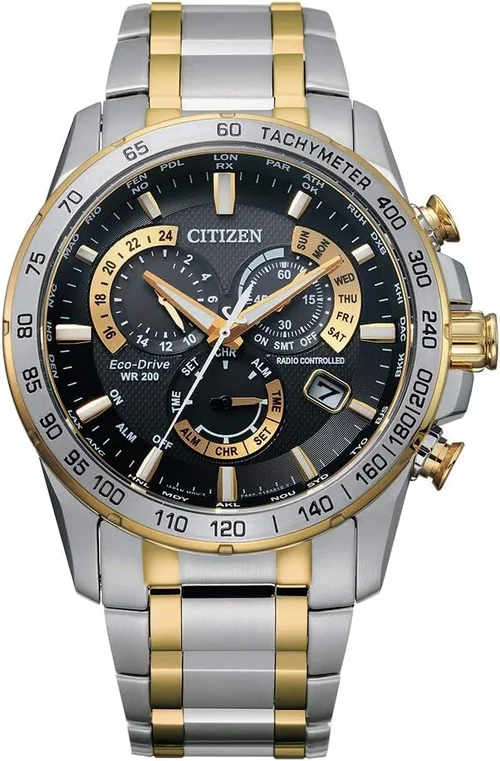
Smart Luxury Watch Buying Guide 2026
May 15, 2026
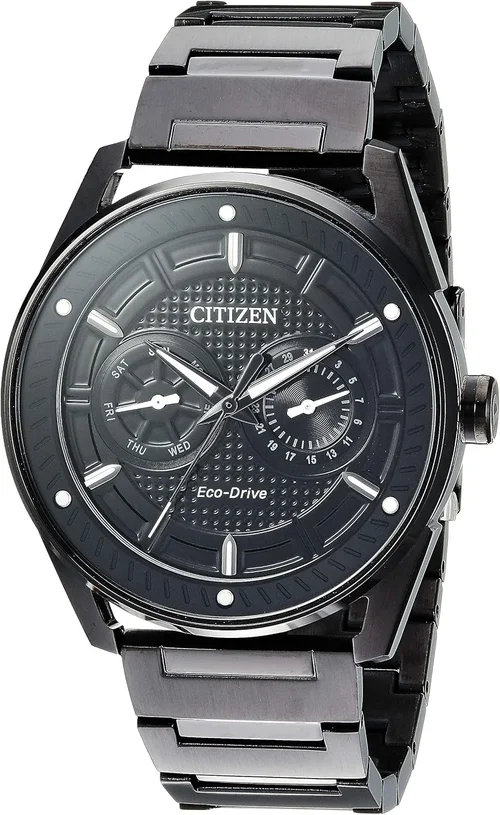
Luxury watches have long been symbols of craftsmanship, heritage, and personal style. But in 2026, the definition of “luxury” is evolving. Thanks to advancements in materials science, manufacturing precision, and design innovation, you no longer need to spend five figures to own a timepiece that feels premium, performs reliably, and turns heads. The rise of affordable luxury watch brands has democratized access to high-quality horology, offering discerning buyers the best of both worlds: Swiss-level aesthetics and engineering at a fraction of the cost.
This guide is designed for smart shoppers who want more than just a functional timepiece—they want a statement piece that reflects taste, durability, and value. Whether you’re a first-time buyer stepping into the world of mechanical watches or a seasoned collector looking for a versatile everyday wear, this comprehensive buying guide will equip you with the knowledge to make a confident, informed decision. We’ll walk you through key considerations, compare top brands and categories, highlight common pitfalls, and deliver expert-backed recommendations tailored to different budgets and lifestyles.
The market for affordable luxury watches has exploded in recent years. Brands once considered niche or under-the-radar are now gaining global recognition for their attention to detail, use of sapphire crystals, in-house movements, and minimalist yet bold designs. From Japanese microbrands pushing the boundaries of value to European houses redefining entry-level luxury, the options are richer than ever. But with great choice comes great confusion. That’s where this guide comes in—to cut through the noise and help you find a watch that doesn’t just tell time, but tells your story.

What to Look for When Buying Buying Guide
1. Budget & Price Range
Setting a realistic budget is the foundation of any smart purchase. Affordable luxury watches typically fall between $500 and $3,000—a sweet spot where quality begins to rival traditional luxury names like Omega or Tag Heuer, but without the exorbitant markup. Within this range, you’ll find watches with Swiss or Japanese automatic movements, anti-reflective sapphire crystals, and hand-finished cases. Avoid the temptation to stretch your budget for marginal gains; instead, focus on what you’ll actually use. A $1,200 watch worn daily offers better value than a $2,500 piece reserved for special occasions.
2. Movement Type: Automatic vs. Quartz
The heart of any watch is its movement. Automatic (self-winding) movements are prized for their mechanical complexity and smooth sweep of the second hand, while quartz movements offer superior accuracy and low maintenance. For affordable luxury, automatics dominate because they deliver the tactile satisfaction of traditional watchmaking. Look for movements from respected manufacturers like Seiko’s NH series, Miyota (Citizen), or Sellita (Swiss). Some brands even offer in-house calibers—rare at this price point—which signal serious commitment to quality.
3. Build Quality & Durability
A luxury watch should feel solid in the hand and withstand daily wear. Key indicators include a case made of 316L stainless steel (the industry standard for corrosion resistance), a screw-down crown for water resistance, and a caseback that’s either exhibition-style (showing the movement) or securely sealed. Water resistance of at least 100 meters (10 ATM) is ideal for swimming and snorkeling. Also check the lug width and strap attachment—integrated bracelets or quick-release pins add refinement and ease of customization.
4. Features & Functionality
Beyond telling time, consider what functions matter to you. A date window is practical; a chronograph adds sporty flair; a GMT function suits frequent travelers. However, avoid feature overload—complexity can compromise reliability and increase cost. For most users, a clean dial with hour, minute, and second hands, plus a date complication, strikes the perfect balance between utility and elegance. Moon phases, tachymeters, and world timers are nice-to-haves, not necessities.
5. Brand Reputation & Heritage
Not all affordable brands are created equal. Research the company’s history, customer service record, and community feedback. Established names like Tissot, Hamilton, and Longines offer decades of proven reliability, while rising stars like Christopher Ward, Baltic, and Lorier have built loyal followings through transparency and innovation. Beware of “fake heritage” brands that exaggerate their legacy—authenticity matters in luxury.
6. Warranty & After-Sales Support
A strong warranty (typically 2–5 years) is a hallmark of confidence in product quality. Check if the brand offers international service centers or partners with local jewelers for repairs. Some brands, like Seiko and Citizen, have extensive global networks, making maintenance hassle-free. Others may require shipping to headquarters—factor in time and cost. Also inquire about spare parts availability; a watch is only as good as its serviceability.
7. Size & Wearability
A watch that doesn’t fit well is a watch you won’t wear. Consider case diameter (38–42mm is ideal for most wrists), thickness (under 12mm for dressiness), and lug-to-lug distance (shouldn’t overhang your wrist). Try before you buy if possible—many brands offer generous return windows. A well-proportioned watch enhances comfort and visual harmony, whether paired with a suit or jeans.
8. User Reviews & Community Feedback
Online forums like Reddit’s r/Watches, Watchuseek, and YouTube reviews provide unfiltered insights. Pay attention to recurring comments about accuracy, comfort, and long-term durability. A single glowing review isn’t enough—look for consensus. Also note how responsive the brand is to criticism; customer-centric companies often improve over time based on user input.
Different Types of Buying Guide

Common Buying Mistakes to Avoid
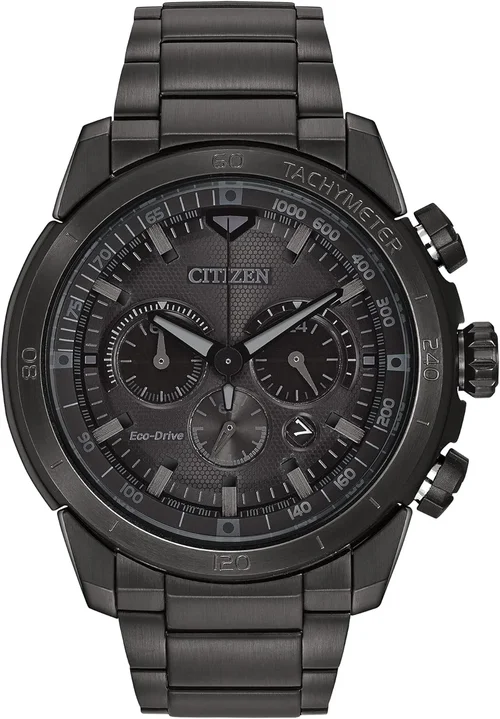
❌ Mistake: Prioritizing Brand Name Over Substance
Why it’s bad: Just because a brand is well-known doesn’t mean it offers the best value. Some heritage brands inflate prices with marketing, not mechanics.
What to do instead: Focus on specs, materials, and real-user experiences. A lesser-known brand with a Sellita SW200 movement often outperforms a famous name using a generic clone.
❌ Mistake: Ignoring Wrist Fit
Why it’s bad: A 44mm watch might look impressive online but feel bulky and uncomfortable on a smaller wrist.
What to do instead: Measure your wrist and compare lug-to-lug dimensions. When in doubt, opt for 39–41mm cases—they’re universally flattering.
❌ Mistake: Overlooking Serviceability
Why it’s bad: A beautiful watch is useless if it can’t be serviced locally or parts are unavailable.
What to do instead: Choose brands with established service networks or those that provide detailed repair guides and spare parts.
❌ Mistake: Buying Based Solely on Looks
Why it’s bad: A watch that looks stunning in photos may have poor legibility, weak lume, or a noisy rotor.
What to do instead: Balance aesthetics with functionality. Read hands-on reviews that test real-world usability.
❌ Mistake: Skipping the Warranty Check
Why it’s bad: Without warranty coverage, a $1,500 watch could cost another $300+ for a simple service.
What to do instead: Always verify warranty terms, including international coverage and what’s excluded (e.g., scratches vs. movement failure).
❌ Mistake: Falling for “Limited Edition” Hype
Why it’s bad: Limited runs often justify higher prices without meaningful upgrades.
What to do instead: Ask: Does this edition offer better materials, movement, or design? If not, stick with the standard model.
❌ Mistake: Not Considering Resale Value
Why it’s bad: Some affordable luxury watches depreciate rapidly, making them poor long-term investments.
What to do instead: Research secondary market trends. Brands like Grand Seiko and Sinn hold value better than most in this tier.
Budget Guidelines: How Much Should You Spend?
- Entry-Level ($500–$900): Ideal for first-time buyers. Expect reliable Japanese automatics (Seiko, Miyota), mineral crystal (some with sapphire), and solid stainless steel cases. Great for everyday wear with minimal fuss. Brands like Citizen, Orient, and Braun excel here.
- Mid-Range ($900–$1,800): The sweet spot for most buyers. Swiss movements (Sellita, ETA), sapphire crystals, better finishing, and improved water resistance are standard. Tissot, Hamilton, and Christopher Ward dominate this tier with models that rival luxury giants in quality.
- Premium ($1,800–$3,000): For enthusiasts who appreciate细节. In-house movements, hand-applied indices, exhibition casebacks, and premium straps/bracelets become common. Longines, Oris, and Baltic offer exceptional value here.
- Luxury ($3,000+): While beyond “affordable,” this tier includes entry points to true luxury (e.g., entry-level Rolex, Omega). Only consider if you’re ready to invest in heirloom pieces with strong resale potential.
Expert Tips for Getting the Best Deal
- Buy during seasonal sales: Major discounts happen around Black Friday, end-of-year clearances, and brand anniversaries. Sign up for newsletters to get early access.
- Shop authorized dealers (ADs) over gray market: ADs offer full warranties and authenticity guarantees. Gray market sellers may save you 10–20%, but you lose service support.
- Consider pre-owned or NOS (New Old Stock): Vintage-inspired models from the 2010s often sell below original MSRP and come with full boxes and papers.
- Negotiate gently: Some ADs have flexibility, especially on discontinued models or floor samples. Polite inquiry never hurts.
- Check return policies: Ensure you have at least 14 days to test the watch. Comfort and legibility are subjective—what looks good online may not feel right on your wrist.
- Bundle with accessories: Some brands offer free straps, travel cases, or cleaning kits with purchase—ask before buying.
- Join watch communities: Members often share exclusive discount codes or alert others to flash sales.
- Test in natural light: Dial colors and lume performance vary dramatically under different lighting. If buying online, watch video reviews shot outdoors.

Frequently Asked Questions
Q: Can I swim with a 100m water-resistant watch?
A: Yes, but avoid hot tubs, saunas, and high-pressure water jets. 100m rating means it’s suitable for swimming and snorkeling, but not scuba diving (which requires 200m+).
Q: Are automatic watches accurate?
A: Typically within +/– 10 seconds per day, which is excellent for mechanical timepieces. Quartz is more precise (+/– 15 seconds per month), but automatics offer the charm of mechanical motion.
Q: Do I need to wind my automatic watch daily?
A: No—if worn regularly, the motion of your arm keeps it powered. If unused for days, a watch winder or manual winding is needed.
Q: Is sapphire crystal worth the extra cost?
A: Absolutely. It’s nearly scratch-proof compared to mineral or acrylic, ensuring your watch stays pristine for years.
Q: Can I change the strap myself?
A: Yes, if it has spring bars or quick-release pins. Tools are inexpensive, and countless tutorials exist online.
Q: How often should I service my watch?
A: Every 5–7 years for automatics. Quartz watches may go longer, but seals should be checked every 2–3 years if water-resistant.
Q: Are microbrands reliable?
A: Many are—especially those using proven movements and transparent sourcing. Research is key. Avoid brands with no service info or customer reviews.
Q: What’s the difference between ETA and Sellita movements?
A: Both are Swiss, high-quality. ETA is older and widely used; Sellita is a modern alternative with similar specs and often better availability post-ETA restrictions.
Q: Should I buy a watch with a date function?
A: If you check the date often, yes. But some purists prefer clean dials. It’s a matter of personal preference.
Q: How do I know if a watch suits my style?
A: Consider your wardrobe. Neutral colors (black, white, silver) are versatile. Bold colors or textures work for statement pieces. When in doubt, classic designs age well.
Our Final Recommendations
- Best for Budget-Conscious Buyers: Seiko Presage SRPB41 – At ~$650, it offers a stunning enamel dial, automatic movement, and sapphire crystal—unheard of at this price.
- Best Overall Value: Christopher Ward C63 Sealander Pro – Priced around $1,200, it features a Swiss Sellita movement, 300m water resistance, and British design flair.
- Best Premium Option: Longines HydroConquest L3.781.4.56.6 – A refined dive watch with ETA movement, ceramic bezel, and timeless styling for ~$1,600.
- Best for Beginners: Hamilton Khaki Field Mechanical – Rugged, legible, and affordable (~$550), it’s the perfect intro to mechanical watches.
- Best for Advanced Users: Baltic MR01 – A hand-assembled French microbrand with vintage inspiration, in-house finishing, and exceptional attention to detail (~$1,800).
Conclusion: Making the Right Choice
Choosing an affordable luxury watch isn’t just about telling time—it’s about investing in craftsmanship, personal expression, and long-term satisfaction. By focusing on movement quality, build integrity, and genuine brand values, you can own a watch that outperforms its price tag and earns compliments for years. Remember: the best watch is the one you’ll actually wear, not the one that sits in a box.
Don’t rush. Compare, research, and trust your instincts. Whether you’re drawn to the sleek lines of a dress watch or the rugged appeal of a field timer, there’s an affordable luxury option that aligns with your taste and budget. And when you do find “the one,” you’ll know—it’ll feel right on your wrist, look sharp in any setting, and remind you daily that luxury doesn’t have to come with a luxury price.
Ready to explore further? Check out our expert tips on audio gear or dive into our guide to budget smartphones—because true sophistication extends beyond the wrist. Your next great purchase starts with knowledge. Make it count.