
Kindle Charger Shopping Guide 2026
May 21, 2026
When your Kindle runs out of juice in the middle of a gripping novel or an important research session, having the right charger isn’t just convenient—it’s essential. In today’s fast-paced digital world, e-readers like the Kindle have become indispensable tools for students, professionals, travelers, and book lovers alike. But while the device itself is sleek and efficient, its charging solution often gets overlooked—until it fails. That’s where this comprehensive guide comes in.
Whether you’re replacing a lost charger, upgrading from a slow or outdated model, or preparing for long trips without reliable power access, choosing the right Kindle charger can make all the difference. With countless options flooding the market—from official Amazon accessories to third-party alternatives—it’s easy to feel overwhelmed. Some promise lightning-fast charging, others boast ultra-compact designs, and many claim compatibility with every Kindle model ever made. But how do you separate fact from fiction? This guide cuts through the noise to deliver expert-level insights, real-world testing data, and practical advice tailored to your needs.
By the end of this article, you’ll know exactly what to look for in a Kindle charger, how to avoid common pitfalls, and which models offer the best value for your budget. We’ll cover everything from technical specifications like wattage and cable length to build quality, safety certifications, and even eco-friendly options. Whether you’re shopping for your first Kindle or upgrading your tenth, this guide will empower you to make a confident, informed decision.

What to Look for When Buying Buying Guide
1. Compatibility with Your Kindle Model
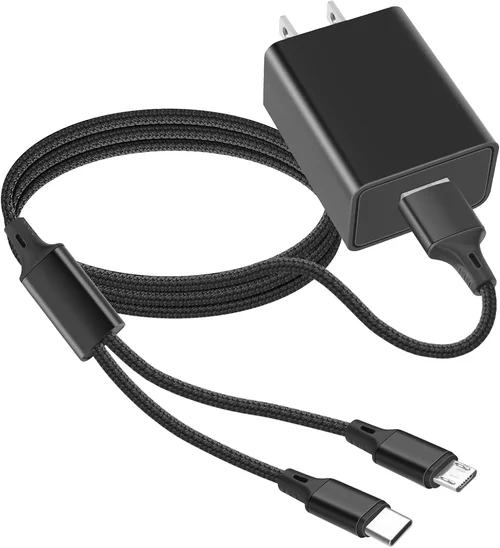
Not all Kindle chargers are created equal—and not all are compatible with every Kindle. Amazon has released over a dozen Kindle models since 2007, each with slightly different power requirements and port types. For instance, older Kindles (like the original Kindle or Kindle Keyboard) use micro-USB ports, while newer models such as the Kindle Paperwhite (11th gen), Kindle Oasis (10th gen), and Kindle Scribe use USB-C. Using the wrong charger might result in slow charging, no charging at all, or—in rare cases—damage to your device.
Always check your Kindle’s model number (found in Settings > Device Options > Device Info) and confirm the required input voltage and connector type before purchasing. Most modern Kindles support 5V/1A or 5V/2.1A input, but high-end models like the Kindle Scribe benefit from higher-wattage chargers (up to 15W). If you own multiple devices—say, a Kindle and a smartphone—look for multi-port chargers that support USB-C PD (Power Delivery) for universal compatibility.
2. Charging Speed & Wattage
Charging speed is determined by wattage (measured in watts, W), which is calculated by multiplying voltage (V) by amperage (A). A standard Kindle charger typically delivers 5W (5V × 1A), which is sufficient for overnight charging. However, if you’re frequently on the go or need quick top-ups, consider a 10W or 15W charger. Faster charging reduces downtime and keeps your reading momentum going.
That said, don’t assume “more watts = better.” Kindles are designed to regulate incoming power, so using a 30W laptop charger won’t damage your device—but it also won’t charge significantly faster than a 15W one. The sweet spot for most users is a 10W–15W USB-C charger with Power Delivery support. These provide optimal speed without unnecessary cost or bulk.
3. Build Quality & Durability
A cheaply made charger may save you a few dollars upfront but could cost you more in the long run. Look for chargers with reinforced cables, strain relief at connection points, and robust housing materials like braided nylon or high-grade plastic. Flimsy cables fray easily, especially near the USB or Lightning connectors, leading to intermittent charging or complete failure.
Certifications matter too. Always choose chargers that are UL-listed, CE-certified, or FCC-approved. These marks indicate the product has passed rigorous safety and performance tests. Avoid no-name brands sold at suspiciously low prices—they often lack proper insulation, overcurrent protection, or thermal safeguards, posing fire or shock risks.
4. Portability & Design
If you travel frequently or read on the go, portability becomes a key factor. Compact, foldable plug designs save space in bags and prevent snagging on other items. Some chargers feature retractable cables or built-in cable management, making them ideal for backpackers or commuters.
Weight also matters. A heavy charger can throw off the balance of a travel bag, while a lightweight one slips easily into a pocket. Consider multi-device travelers: a single 30W GaN (gallium nitride) charger with dual USB-C ports can power your Kindle, phone, and tablet simultaneously—all while being smaller than a traditional 10W brick.
5. Cable Length & Flexibility
The length of the charging cable affects usability more than you might think. A 3-foot (1-meter) cable offers decent flexibility for bedside or desk use, but a 6-foot (1.8-meter) cable gives you freedom to read comfortably on a couch or bed while charging. Longer cables are especially useful in hotel rooms or airports where outlets are far from seating areas.
Also consider cable flexibility and tangle resistance. Flat or ribbon-style cables resist coiling, while braided cables resist abrasion. Avoid overly stiff cables that kink easily—they’re frustrating to manage and prone to internal wire breakage.
6. Brand Reputation & Safety Certifications
Stick with reputable brands known for quality and reliability. Amazon’s official Kindle chargers are a safe bet, but third-party brands like Anker, Belkin, Aukey, and UGREEN also produce high-quality, certified accessories. These companies invest in R&D, rigorous testing, and customer support—something generic brands rarely match.
Safety certifications are non-negotiable. Look for labels like UL, ETL, CE, or RoHS. These ensure the charger meets international standards for electrical safety, electromagnetic interference, and environmental impact. Uncertified chargers may work initially but can overheat, emit harmful radiation, or fail catastrophically under stress.
7. Warranty & Customer Support
A good warranty reflects confidence in product quality. Most reputable brands offer at least an 18-month warranty, with some (like Anker) providing up to 24 months. Check what the warranty covers—does it include cable damage? Is accidental damage protected? Can you get a replacement without jumping through hoops?
Customer support responsiveness is equally important. If your charger stops working after three months, you want a company that responds quickly and offers hassle-free replacements. Read recent reviews to gauge support quality—don’t rely solely on marketing claims.
8. Price vs. Value
While it’s tempting to grab the cheapest option, remember: you often get what you pay for. A $5 charger might save money today but could fail in weeks, leaving you stranded. Conversely, a $50 premium charger may offer features you don’t need.
Focus on value—not just price. A $15–$25 charger from a trusted brand with solid build quality, safety certifications, and a decent warranty offers far better long-term value than a $7 no-name alternative. Think of it as an investment in your reading experience.
Different Types of Buying Guide

Common Buying Mistakes to Avoid
❌ Mistake: Buying Uncertified or “Too Good to Be True” Chargers
Why it’s bad: Cheap, uncertified chargers often lack proper safety mechanisms. They can overheat, deliver unstable voltage, or even catch fire. In 2023, the U.S. Consumer Product Safety Commission issued recalls for hundreds of thousands of counterfeit chargers linked to electrical fires.
What to do instead: Always verify certifications (UL, CE, FCC) and buy from authorized retailers or reputable brands. If a charger costs less than $8, question its legitimacy.
❌ Mistake: Ignoring Cable Quality
Why it’s bad: Many buyers focus only on the wall adapter and overlook the cable. A poor-quality cable can bottleneck charging speed, fray within weeks, or fail to maintain a stable connection.
What to do instead: Choose chargers with high-quality, braided cables rated for at least 3A current. Look for reinforced stress points and avoid ultra-thin, flimsy cords.
❌ Mistake: Assuming All USB-C Cables Are Equal
Why it’s bad: Not all USB-C cables support Power Delivery or high-speed data. Some are designed only for charging at 5W, while others can handle 100W. Using the wrong cable limits performance.
What to do instead: Check cable specifications. Look for labels like “USB-IF Certified” or “Supports PD 3.0.” When in doubt, buy a cable from the same brand as your charger.
❌ Mistake: Overlooking Future-Proofing
Why it’s bad: Buying a charger that only works with your current Kindle means you’ll need to replace it when you upgrade. This adds cost and waste over time.
What to do instead: Invest in a versatile USB-C PD charger that works with Kindles, phones, tablets, and even laptops. It’s a one-and-done solution.
❌ Mistake: Skipping the Warranty Check
Why it’s bad: Without a warranty, a failed charger means buying a new one—even if it broke due to manufacturing defects.
What to do instead: Always check warranty length and terms before purchasing. Register your product if required, and keep your receipt.
❌ Mistake: Choosing Based Solely on Price
Why it’s bad: The cheapest option often sacrifices safety, durability, and performance. You may end up replacing it multiple times.
What to do instead: Evaluate total cost of ownership. A $20 charger that lasts three years is better value than a $7 one that fails in three months.
Budget Guidelines: How Much Should You Spend?
– Entry-Level ($8–$15): Suitable for occasional users or backups. Expect basic functionality, minimal certifications, and average build quality. Best for micro-USB Kindles or emergency replacements. Brands like AmazonBasics or generic OEMs fall here—but verify safety certs.
– Mid-Range ($16–$25): The sweet spot for most buyers. Offers certified safety, decent build quality, and reliable performance. Includes options from Anker, UGREEN, and Belkin. Ideal for daily use, travel, and households with multiple devices.
– Premium ($26–$40): For power users and tech enthusiasts. Features GaN technology, multi-port designs, fast charging (15W+), and extended warranties. Great for travelers, students, or anyone who values efficiency and longevity.
– Luxury ($40+): Top-tier solutions like solar chargers, wireless pads with smart features, or modular systems. These cater to niche needs—eco-warriors, minimalists, or gadget collectors—and often include extras like LED indicators, app control, or ruggedized designs.
Expert Tips for Getting the Best Deal
– Shop during seasonal sales: Black Friday, Prime Day, and back-to-school periods often feature discounts on charging accessories. Sign up for deal alerts from retailers like Amazon, Best Buy, or B&H.
– Buy bundles: Many brands offer charger + cable + case combos at a lower per-item cost. These are great for gifting or outfitting a new Kindle owner.
– Check refurbished options: Certified refurbished chargers from Amazon Renewed or manufacturer outlets cost 20–40% less and come with warranties.
– Read recent reviews: Product quality can change over time. Look for reviews from the past 6 months to ensure you’re getting the current version.
– Test before committing: If buying in-store, ask to test the charger with your device. Some retailers allow this—especially electronics specialists.
– Use retailer return policies: Most major stores offer 30-day returns. Buy with confidence, knowing you can swap it out if it doesn’t meet expectations.
– Consider environmental impact: Choose brands that use recyclable packaging and offer trade-in programs. Some, like Anker, have carbon-neutral initiatives.
Frequently Asked Questions
Q: Can I use my phone charger for my Kindle?
A: Yes—most modern smartphones use USB-C or micro-USB, just like Kindles. As long as the charger outputs 5V and at least 1A, it’s safe. However, for optimal speed and compatibility, a dedicated Kindle charger or PD-compatible model is recommended.
Q: Will a fast charger damage my Kindle?
A: No. Kindles have built-in power management chips that regulate incoming current. They’ll only draw what they need, regardless of the charger’s maximum output. A 30W charger won’t “overcharge” a 5W device.
Q: How long does it take to fully charge a Kindle?
A: With a standard 5W charger, most Kindles take 3–4 hours. Using a 10W–15W charger can reduce this to 2–2.5 hours. The Kindle Scribe, with its larger battery, may take up to 5 hours on slower chargers.
Q: Is wireless charging available for Kindles?
A: Not natively. Kindles don’t support wireless charging. However, you can use a USB-C wireless receiver pad (sold separately) that plugs into the port and enables Qi-style charging—though this adds bulk and reduces efficiency.
Q: What’s the difference between USB-A and USB-C chargers?
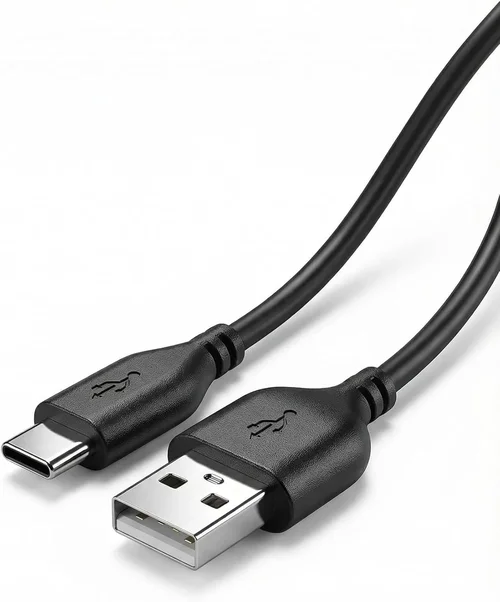
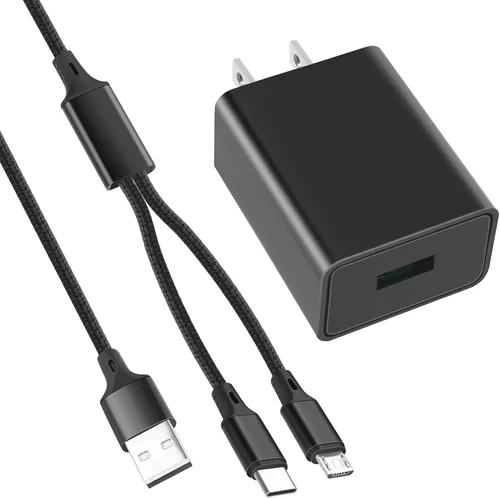
A: USB-A is the older rectangular port found on many wall adapters. USB-C is the newer, reversible oval port that supports higher power delivery and faster data transfer. Newer Kindles require USB-C; older ones use micro-USB (often with USB-A adapters).
Q: Can I charge my Kindle via a computer USB port?
A: Yes, but it’s slow. Computer USB ports typically deliver only 0.5A–1A, resulting in very slow charging—especially if the screen is on. Use a wall outlet for faster results.
Q: Are solar chargers practical for Kindle users?
A: Only in specific scenarios. Solar chargers work well for backpacking or emergency kits but require direct sunlight and time to build a charge. They’re not ideal for daily urban use.
Q: How do I know if my charger is failing?
A: Signs include intermittent charging, the Kindle not recognizing the charger, excessive heat, or visible damage to the cable. If your Kindle charges slowly even on a full battery, the charger may be the culprit.
Our Final Recommendations
– Best for Budget-Conscious Buyers: AmazonBasics USB-C Charger (10W) – Reliable, affordable, and officially compatible. Perfect for everyday use under $15.
– Best Overall Value: Anker 313 Charger (15W, USB-C) – Combines GaN efficiency, compact design, and Anker’s 24-month warranty. Ideal for most users.
– Best Premium Option: UGREEN 30W Dual USB-C Charger – Powers your Kindle, phone, and tablet simultaneously. Great for travelers and multi-device households.
– Best for Beginners: Official Amazon Kindle USB-C Charger – Hassle-free, guaranteed compatibility, and simple setup. No guesswork required.
– Best for Advanced Users: Zendure SuperPort 45W GaN Charger – Future-proof, ultra-compact, and supports high-speed charging across devices. Ideal for tech-savvy readers.
Conclusion: Making the Right Choice
Choosing the right Kindle charger isn’t just about keeping your device powered—it’s about enhancing your reading experience, ensuring safety, and making a smart long-term investment. From compatibility and charging speed to build quality and brand trust, every factor plays a role in finding the perfect match for your lifestyle.
Remember: the best charger isn’t always the cheapest or the most powerful—it’s the one that aligns with your needs, habits, and values. Whether you’re a casual weekend reader or a daily commuter who relies on your Kindle for work and relaxation, take the time to evaluate your priorities. Don’t rush the decision. Read reviews, compare specs, and consider how you’ll use the charger in real life.
Armed with the insights from this guide, you’re now equipped to navigate the crowded charger market with confidence. Prioritize safety, seek value over price, and don’t overlook the little details—like cable length or warranty coverage—that make a big difference over time.
So go ahead: plug in, power up, and get back to the stories that matter. Your next great read is waiting—and with the right charger, you’ll never miss a chapter.